
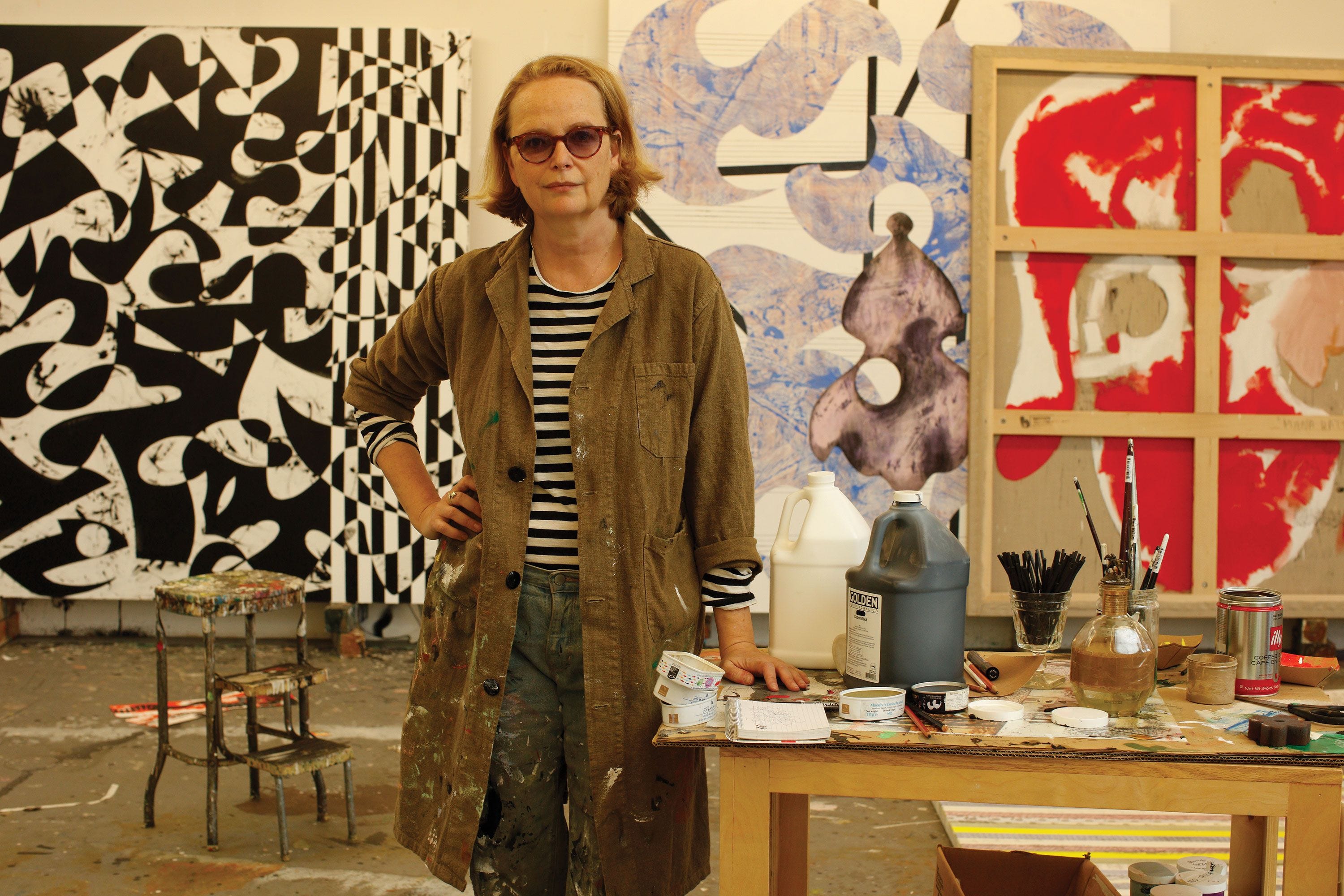
Few contemporary painters have questioned the language of abstraction as persistently as Charline von Heyl. Refusing to settle into a recognizable style, she treats each canvas as a new investigation, constantly challenging her own visual vocabulary.
Her paintings combine fragments of geometry, expressive brushwork, graphic symbols, and unexpected shifts in scale. Images emerge only to be interrupted by new layers, creating compositions that appear to change while we look at them. Nothing feels fixed; every mark seems open to revision.
Von Heyl’s practice is rooted in experimentation rather than certainty. Instead of pursuing visual harmony, she embraces contradiction. Precision coexists with spontaneity, while carefully structured passages dissolve into seemingly improvised gestures.
The result is a body of work that reflects the complexity of contemporary visual experience. Her paintings resist immediate interpretation, encouraging viewers to move slowly across the surface and discover relationships that reveal themselves only through sustained attention.
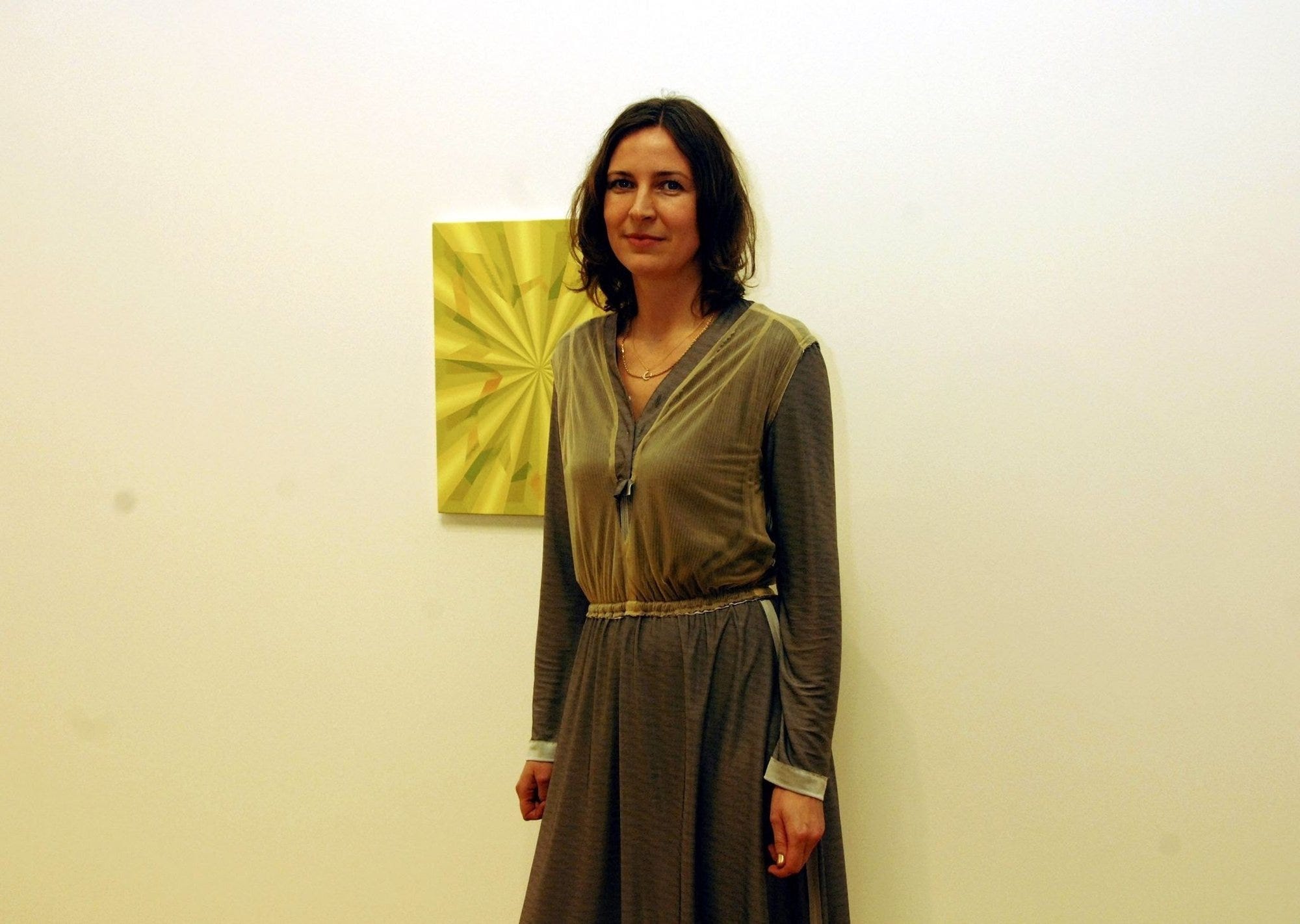
Tomma Abts works on modestly scaled canvases, yet the complexity contained within them is extraordinary. Every composition develops gradually over months, with forms repeatedly adjusted, concealed, and reconstructed until a delicate equilibrium emerges.
Unlike many abstract painters, Abts begins without a predetermined image. Each painting evolves through continuous negotiation between shape, color, rhythm, and spatial tension. The final work contains the invisible history of every earlier decision, even when those earlier stages are no longer visible.
Her restrained palette and carefully calibrated geometry reward prolonged observation. Small shifts in tone or angle can dramatically alter the perception of depth, making each painting feel simultaneously stable and unsettled.
Abts demonstrates that abstraction can still surprise without relying on spectacle. Her paintings reveal that complexity often arises through patience rather than excess.
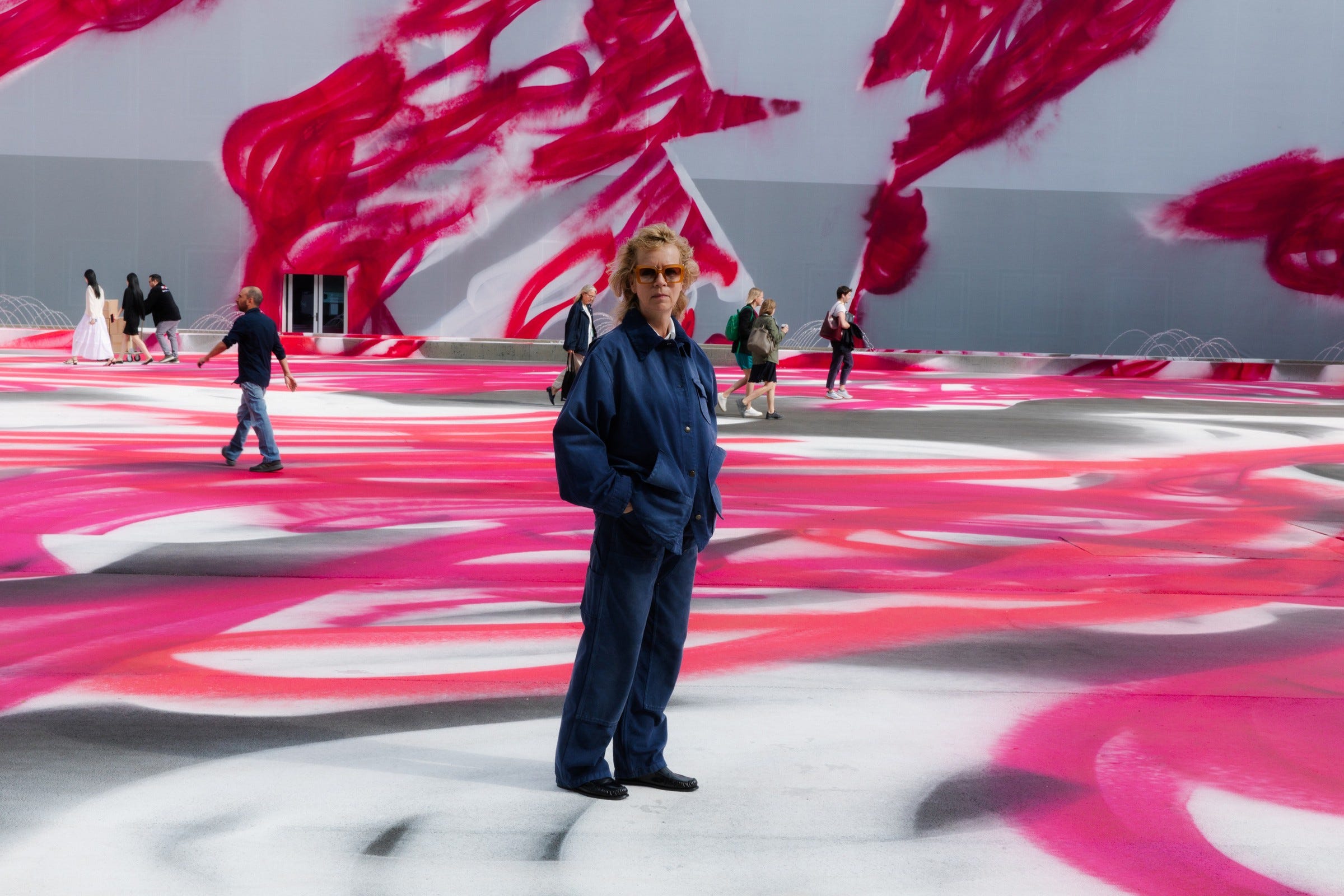
Katharina Grosse has radically expanded the physical possibilities of painting by refusing to confine it to traditional supports. Using industrial spray guns, she applies vibrant fields of color across architecture, landscapes, sculptures, floors, and enormous installations, transforming entire environments into immersive paintings.
Although best known for these large-scale interventions, her practice remains fundamentally painterly. Color is treated as an active force capable of redefining space itself. Rather than describing objects, paint alters the way viewers experience the environments around them.
Her work dissolves conventional boundaries between painting, sculpture, and architecture. Surfaces that normally remain invisible become participants in the composition, while color functions as a spatial event rather than a decorative element.
Grosse reminds us that painting is not limited by the rectangle of the canvas. It can become an environment that surrounds the body and transforms perception itself.
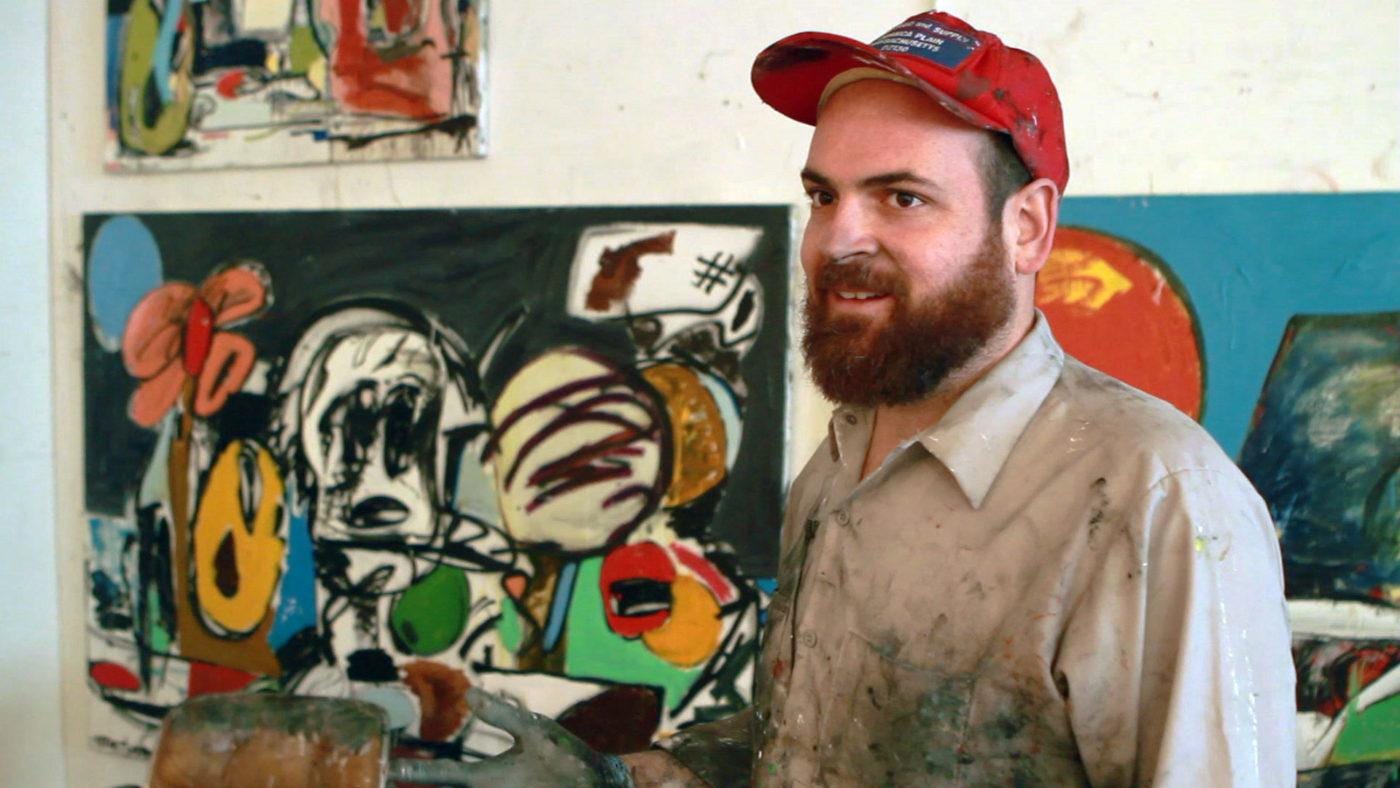
Eddie Martinez’s paintings occupy a dynamic space between figuration and abstraction. Everyday objects, cartoon-like forms, fragments of still life, and gestural marks collide across energetic surfaces where images constantly appear and dissolve.
His practice is driven by accumulation. Thick passages of paint, drawing, collage, and spontaneous interventions create compositions that retain the vitality of their own making. The viewer can almost reconstruct the sequence of decisions through the physical evidence left on the surface.
Martinez embraces imperfection as a creative strategy. Rather than eliminating uncertainty, he allows accidents to redirect the development of the painting. This openness gives his work an immediacy that feels both playful and deeply considered.
The paintings celebrate process itself, demonstrating that the life of an image often resides in its unresolved qualities rather than its completion.
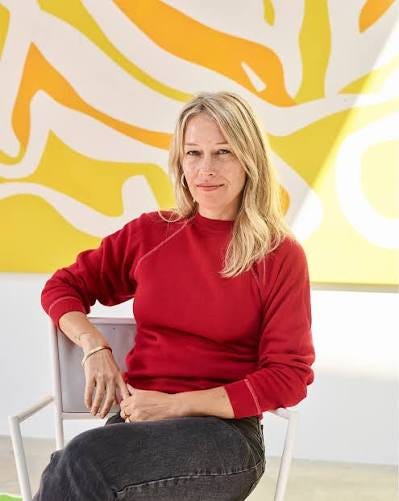
Sarah Crowner approaches painting through construction rather than illusion. Instead of treating the canvas as a single continuous surface, she cuts, stitches, and assembles pieces of painted fabric into carefully orchestrated geometric compositions.
This method transforms the painting into a physical object whose structure remains visible. Seams, joins, and edges are not concealed but celebrated, revealing how the work has been built.
Crowner draws inspiration from modernist abstraction, architecture, stage design, and textile traditions, yet her paintings never feel nostalgic. Instead, they propose a contemporary understanding of abstraction rooted in material intelligence and craftsmanship.
By exposing the painting’s construction, she encourages viewers to think not only about the finished image but also about the labour, decisions, and physical processes that produced it.
No posts
Comments
Nothing yet. Say the first thing.
Sign in to join the conversation.