A field guide to problem orientations in behavioural science and AI
The literature on behavioural science and AI appears unified at first, but a closer look reveals multiple conversations - overlapping, yet not always aligned. [WHITE PAPER]

Exploring how AI changes the way we think, decide, and work
Subscribe:.rss.atom.json.md.m3u.pls
Live Last read · last published · next check
Saves to your Listen queue, to pick up on another day or another device.
The literature on behavioural science and AI appears unified at first, but a closer look reveals multiple conversations - overlapping, yet not always aligned. [WHITE PAPER]
Five ways of imagining the relationship between BeSci and AI.
Artificial Thought returns from its summer pause with an LLM-led interrogation of my next step.
Cognitive offloading reduces the need for active reasoning, making frequent AI use a risk factor for diminished critical thinking.
Generative AI is changing how people use external tools to support thinking, decision-making, and creativity.
The order of who starts and who refines changes everything about how people see the outputs of their collaboration with GenAI and how they think others will value it.
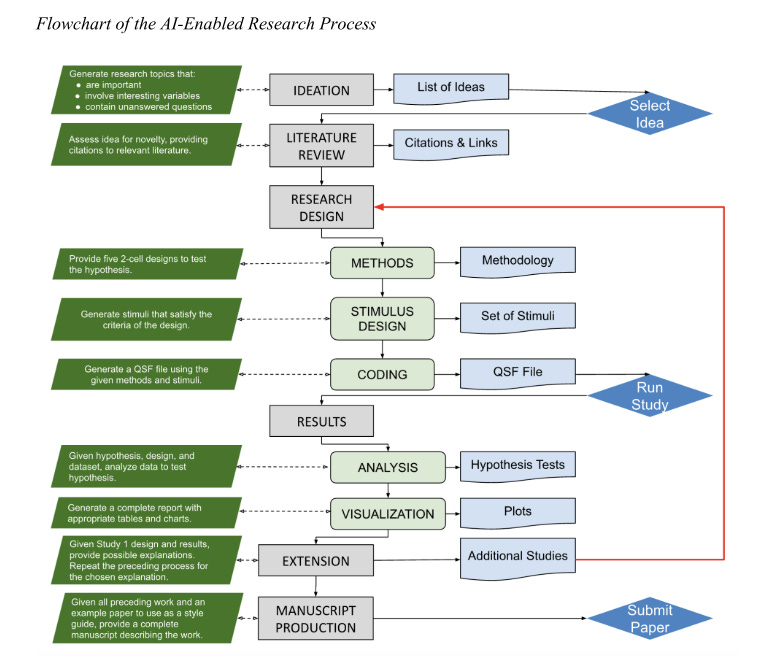
Three researchers tested whether AI could conduct behavioral research from start to finish
A closer look at harm, accountability, and participation
Why different ChatGPT voices scaffold thinking differently, with a complete framework you can download and use.
Combining psychology with AI can distort how we understand knowledge itself: how we ask questions, build theories, and decide what counts as an explanation
Generative AI lets me realise more of my thinking but it also deepens my dependence on a system that devalues thought, displaces labour, and is built on the unpaid work of others.
My path into AI and human behaviour
What changes when we treat AI as just another tool?
How human–AI interaction can quietly reshape human judgement
Key findings from one of the most influential AI reports—explained and translated, because understanding behaviour means understanding the context that shapes it.
Reflections on Ethan Mollick’s “Co-Intelligence”
Parasocial trust in human–AI interaction, projected roles, and the illusion of reciprocity
How artificial intelligence distorts more than it reveals
A behavioural scientist’s lens on the McKinsey AI Report
How cultural context shapes what we fear, expect, and build when we talk about AI