
I told myself I wouldn’t make a story about China. When I was invited to a conference at the last minute, I would just enjoy it, let it all wash over me.
But then I did make an episode about China, which is in the feed now.
And it’s because then I saw them.
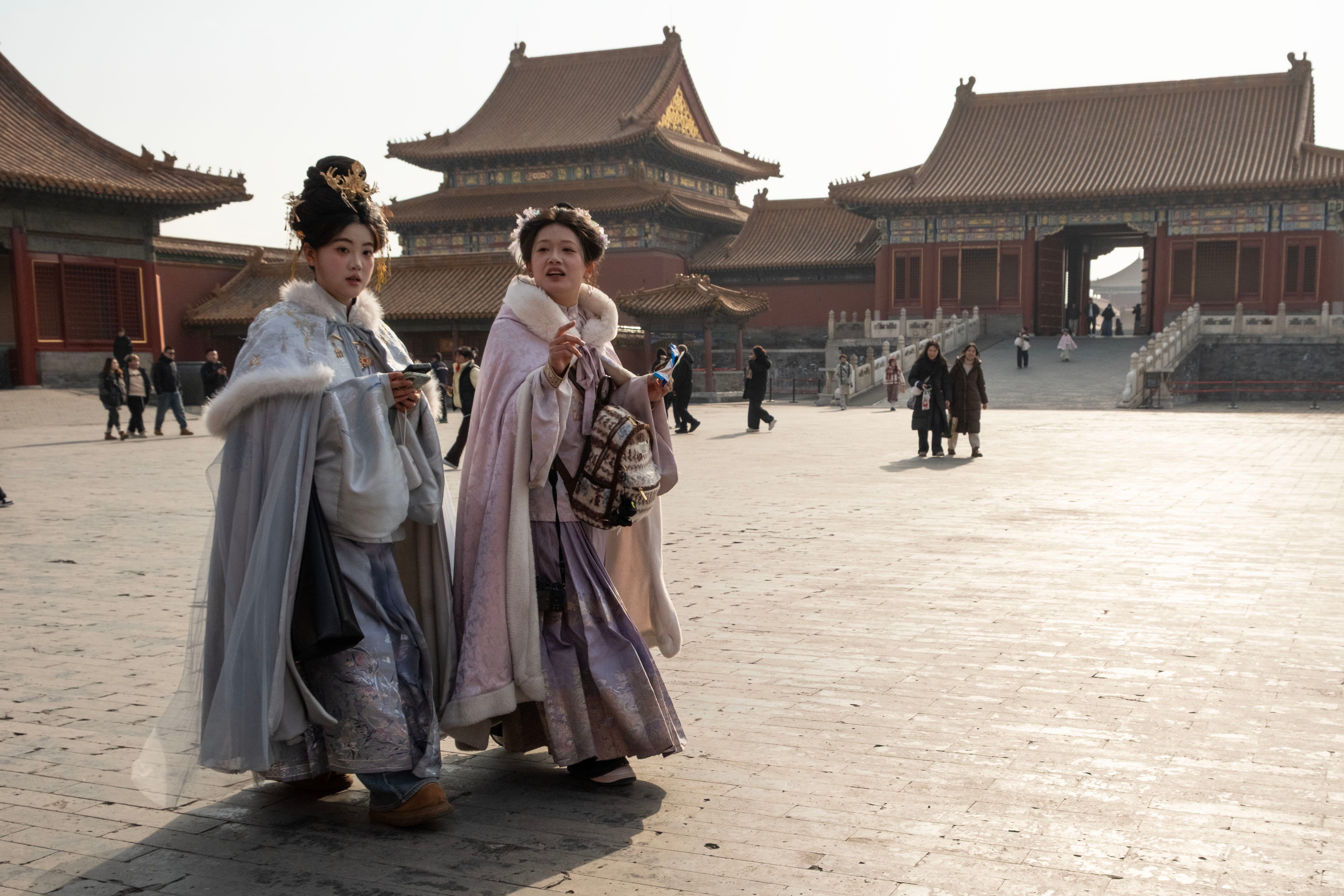
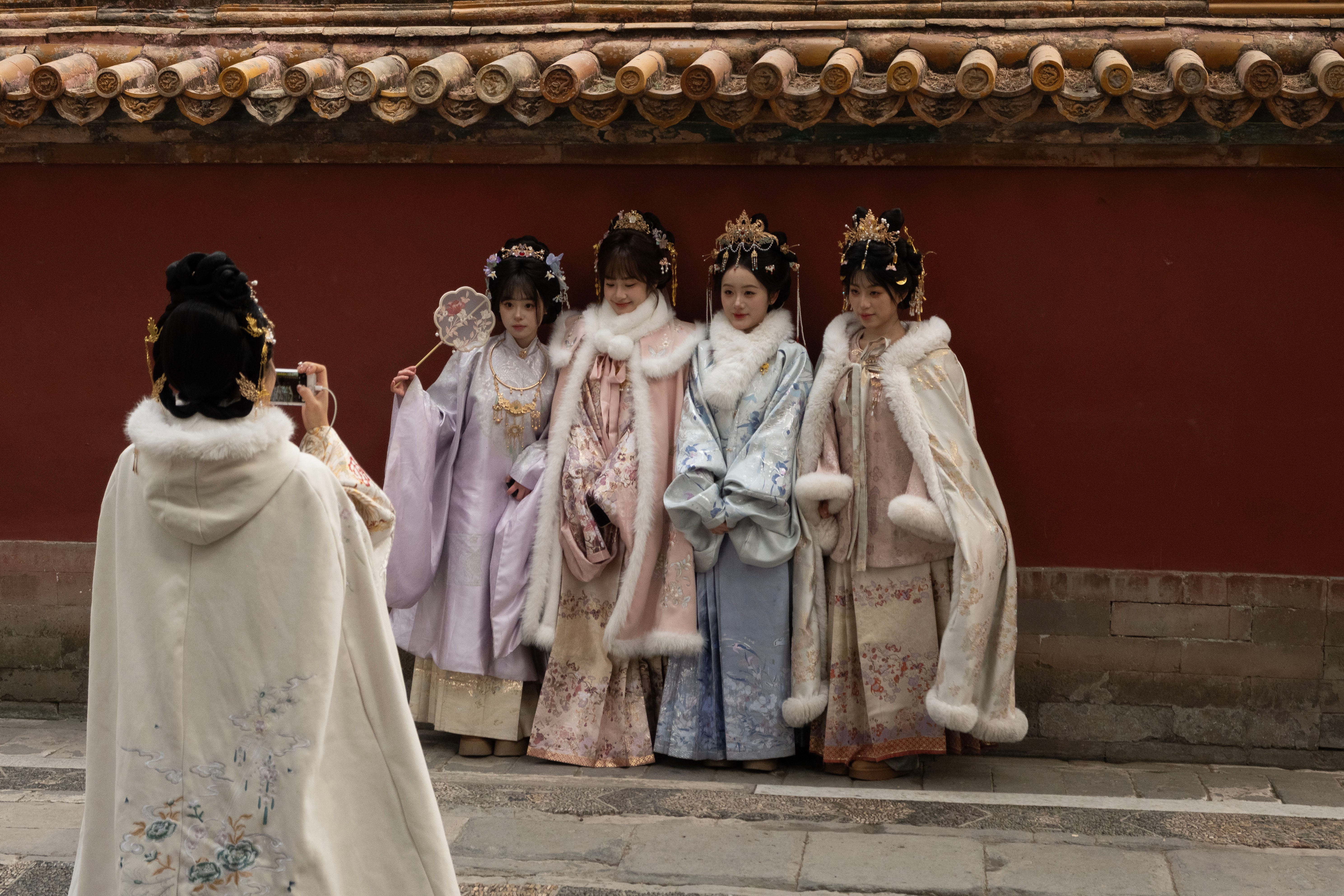
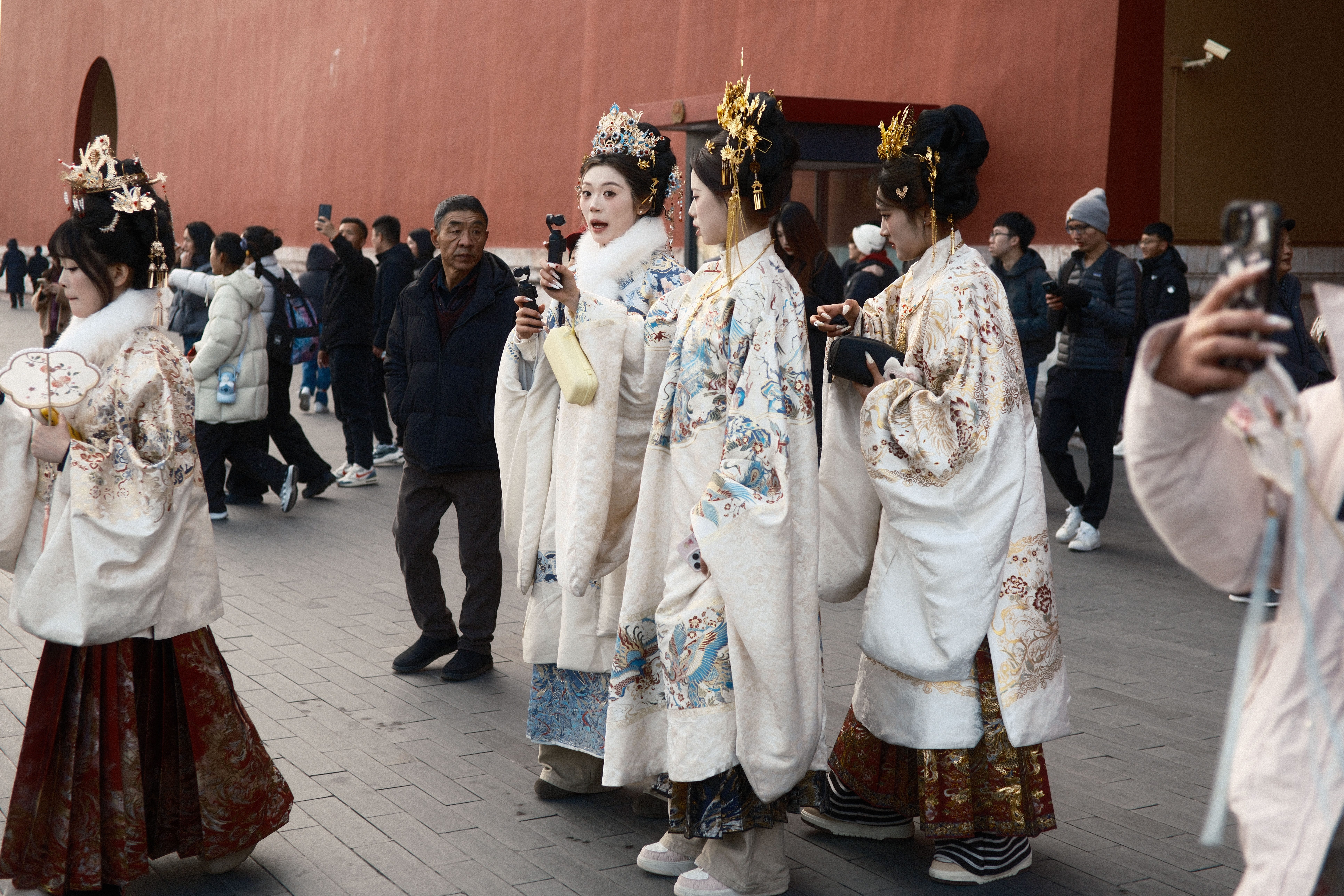
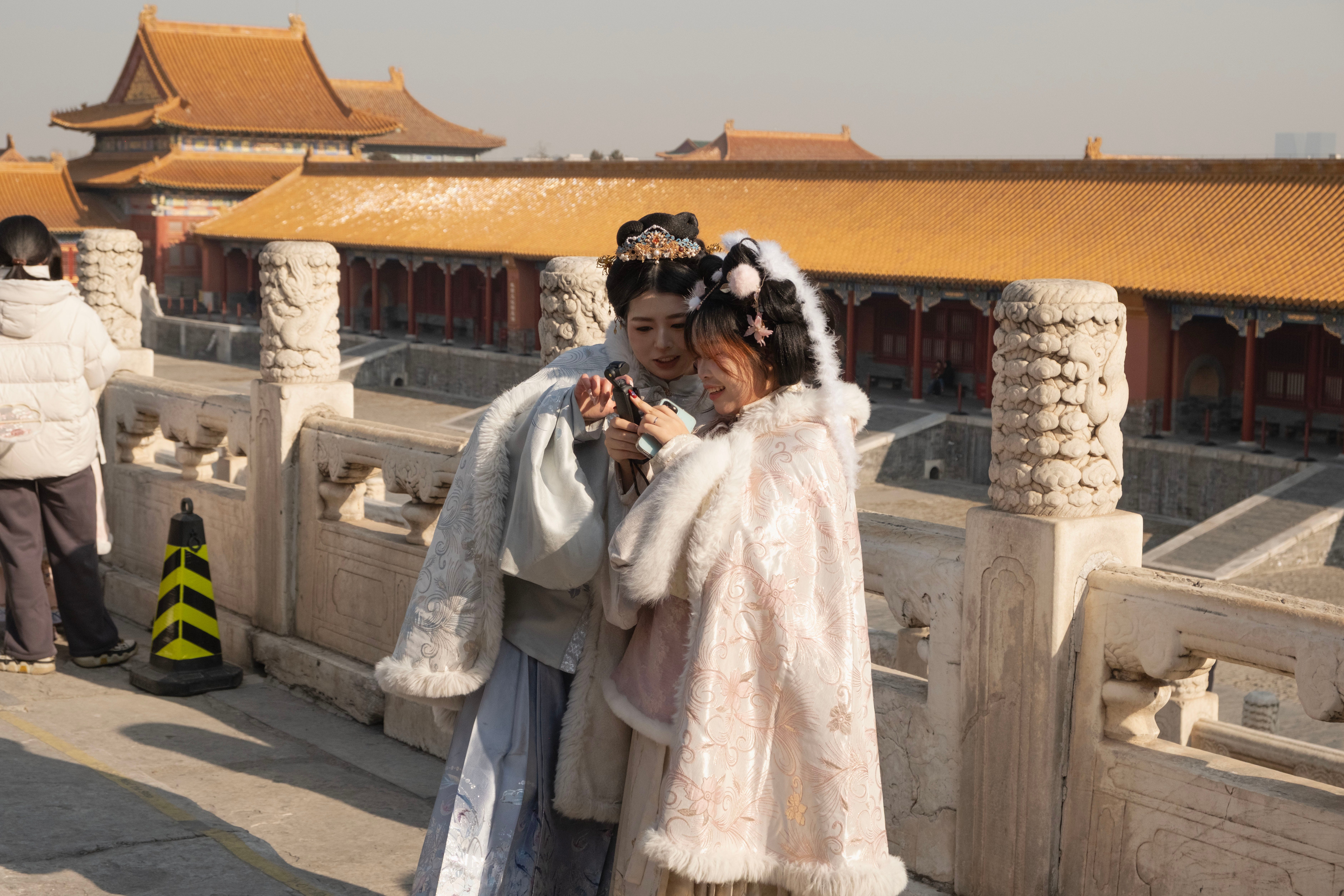
The girls who like to dress like imperial princesses. They are swarming every Chinese tourist site. Especially the Forbidden City, the palace that was seat of the Ming Dynasty.
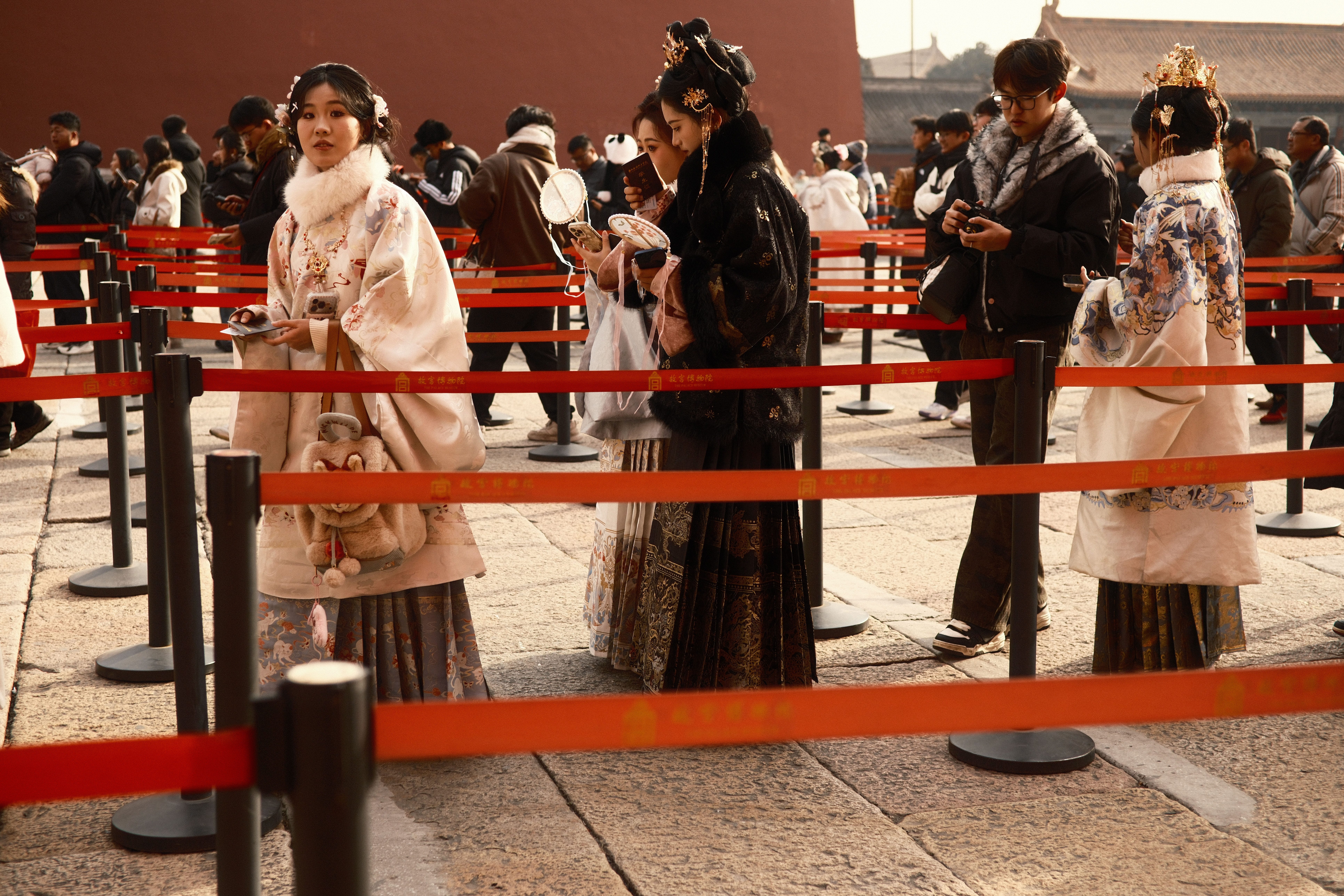
They are mostly women, although you sometimes see some boyfriends who have been cajoled into it.
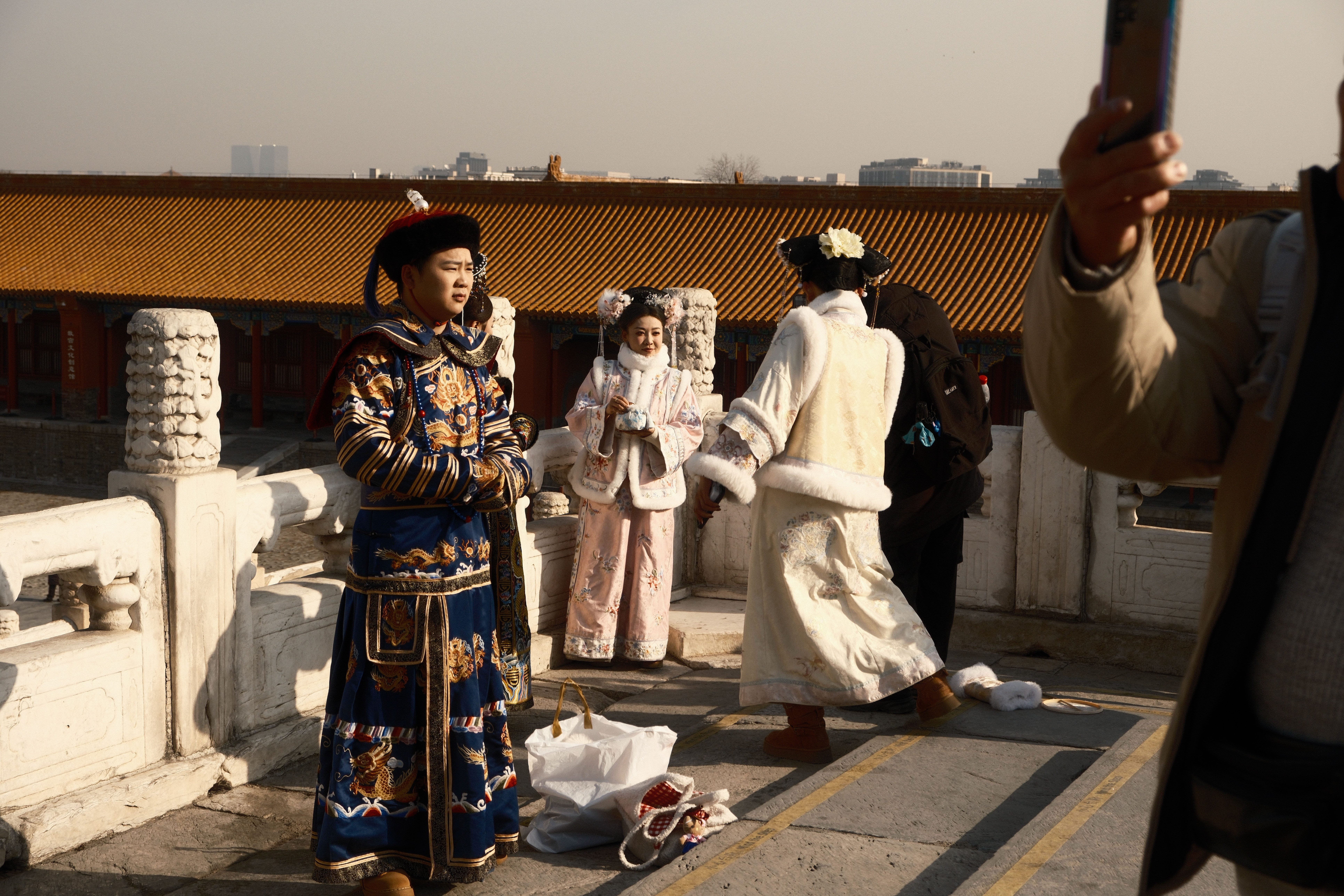
It makes sense to me that this would be fun social media fodder. Who doesn’t love to dress up and take pictures of themselves?
But this is specifically a movement called Hanfu. Which translates to Han clothing or Han dress. Han is the ethnic majority of China- like over 90% of China is Han. And there were moments (lol, centuries) when they have been “in control” of the monarchy, and times when they weren’t.
These “princesses” I saw are, for the most part, are dressing like the last time the Han ruled China, during the Ming Dynasty. Some dress from the Tang and Song dynasties. But they are seriously walking around looking like full-on Royalty.
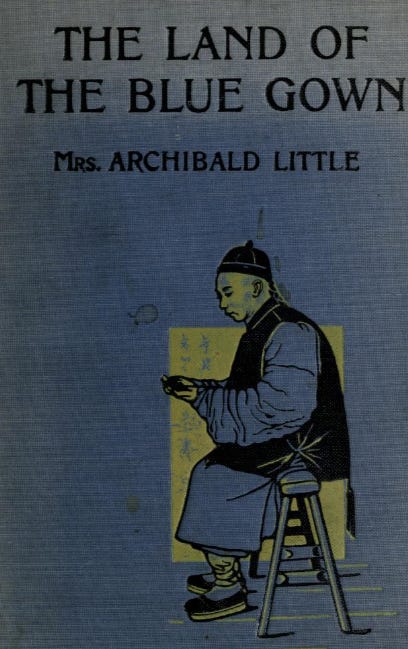
They are all dressing in looks that came before modernity, and before the last ever chinese dynasty, which were the Manchurians. During Manchurian rule, everyone started dressing like this.
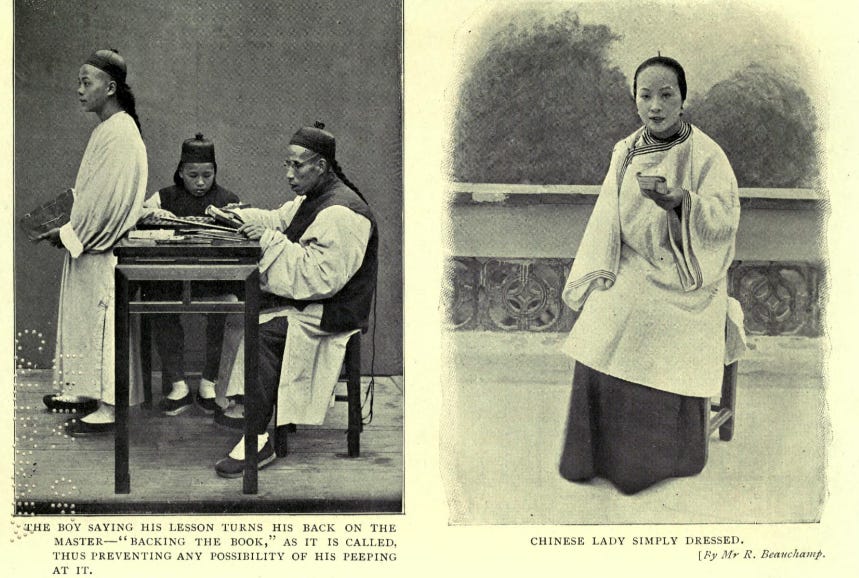
Over time, you can see how the clothes of this last dynasty, which fell in 1912, turned into the sexy midcentury qi pao.
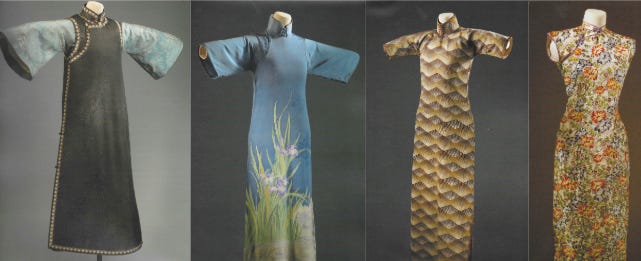
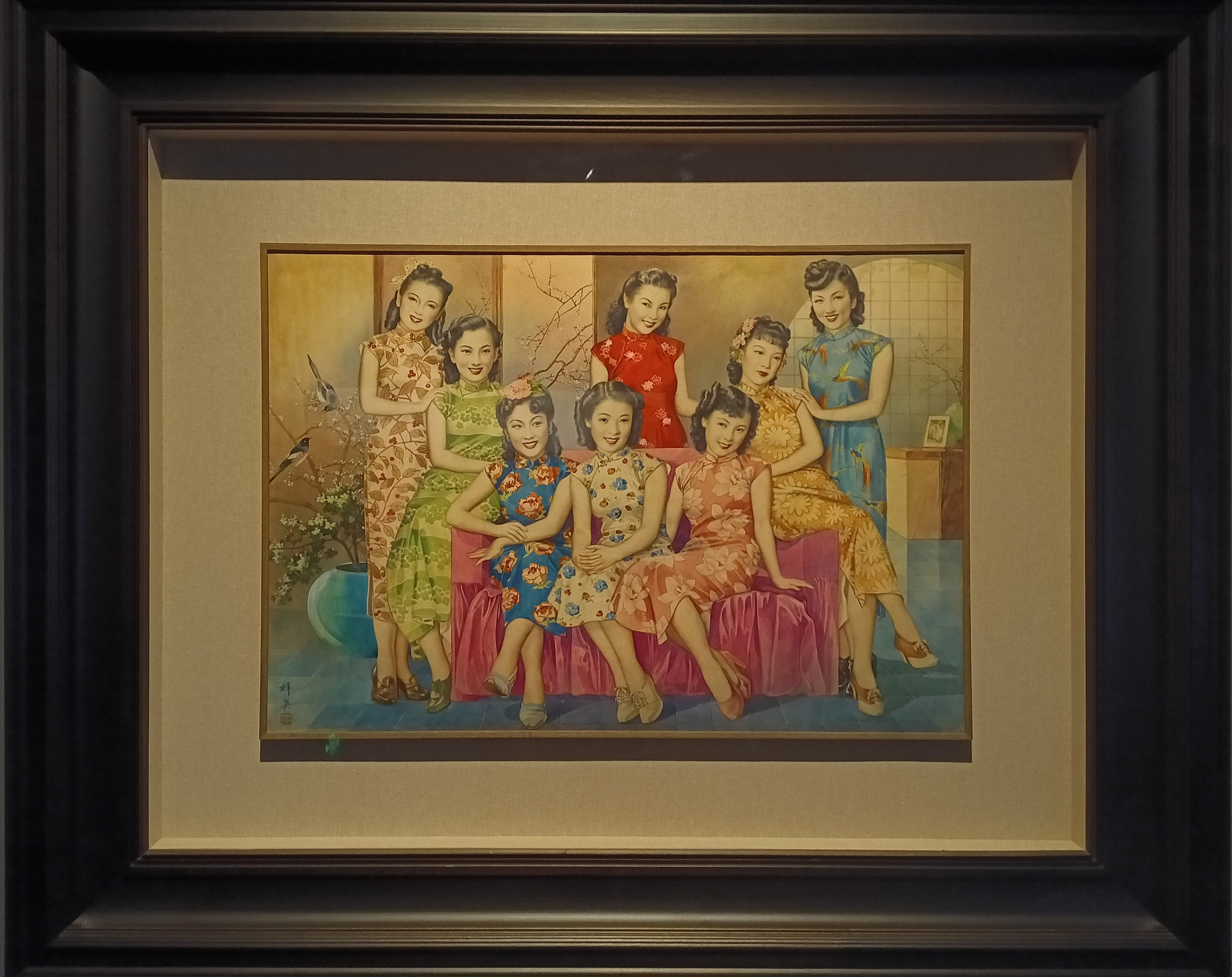
The Qi Pao became THE style of 1930s and 1940s Shanghai. The international trading port became a hub of trade and nightlife, while the Manchurian robes got tighter and shorter.
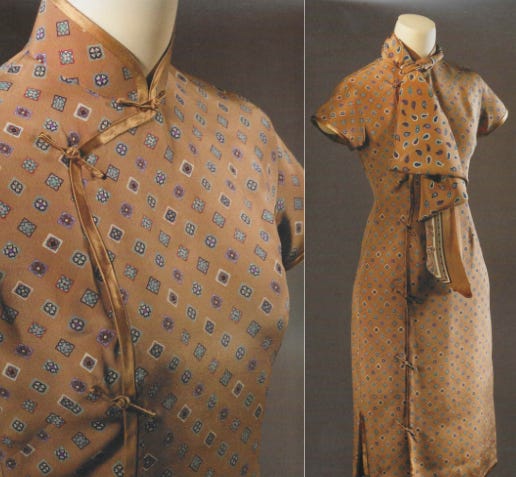
And you can see these styles get more and more “western” into the 1960s and 1970s
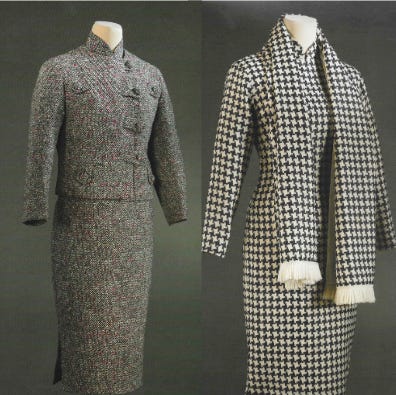
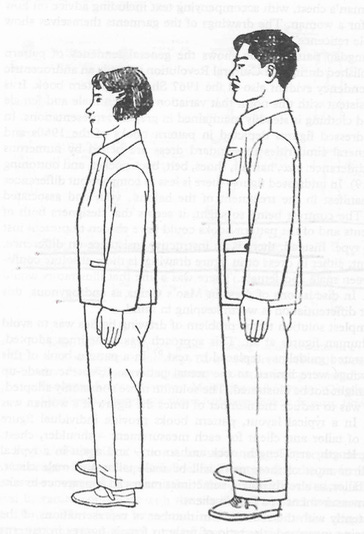
But that ultra-western style was all happening outside of China. All the qi pao makers of Shanghai fled to Hong Kong, Malaysia, and Singapore, because back in mainland China, no one wore Qi Pao anymore. Women dressed like this.
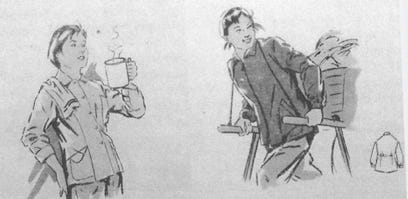
What we now call the “Mao suit” became the garment to wear. (Even though Mao did not invent this suit, and in China it is not called the Mao suit.)
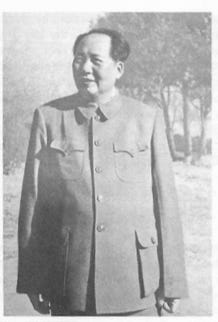
This workmans’ suit — called the zhongshan suit- was an international style, a form of modernisation pioneered by the founder of the republic, Sun Yat-Sen. It became the uniform of government.
This continued when the communists took over in 1949… after which everyone in the country technically worked for the government.
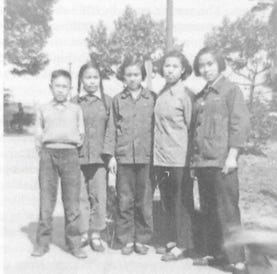
School teachers, construction workers, weavers, everyone wore a “uniform” dictated by their profession, and tended to wear it off hours as well. Even though there were extremely subtle differences in all the varietals of jacket, the whole of China was united in practical workers clothes.
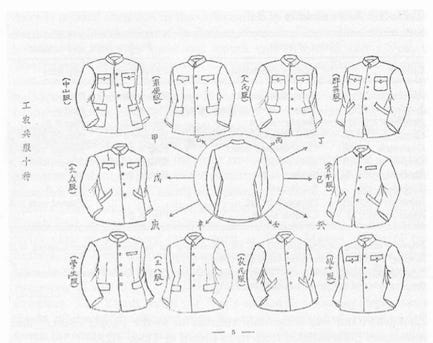
Men and women not supposed to emphasize differences, in this totally egalitarian society. Even though, as you can see, there are very subtle differences!
When Mao died in 1976, there was a general dress code relaxation. The state would no longer regulate apparel, and citizens wouldn’t stand for it ever again.
As recently as 2023, the Chinese government proposed a law that would ban clothes that "undermine the spirit" or "harm the feelings" of the country. This was wildly unpopular and didn’t pass. Which is a huge deal, that people spoke out that fervently.
China is ready to express itself, and it’s new pride in its identity as an ascendent superpower. But they’re still figuring out what it means to dress “Chinese”- away from the influence of other countries.
They don’t want to go back to the long robes of the Manchu, which is considered an invading army from the north. Ditto the Qi Pao, which was a take on Manchurian clothes. (Although, in the 1980s and 1990s, the Qi pao comes back mostly for waitresses and hotel staff and sex workers.)
Even though eventually it became a tradtional wedding dress for Chinese women, the qi pao is not really everyday wear
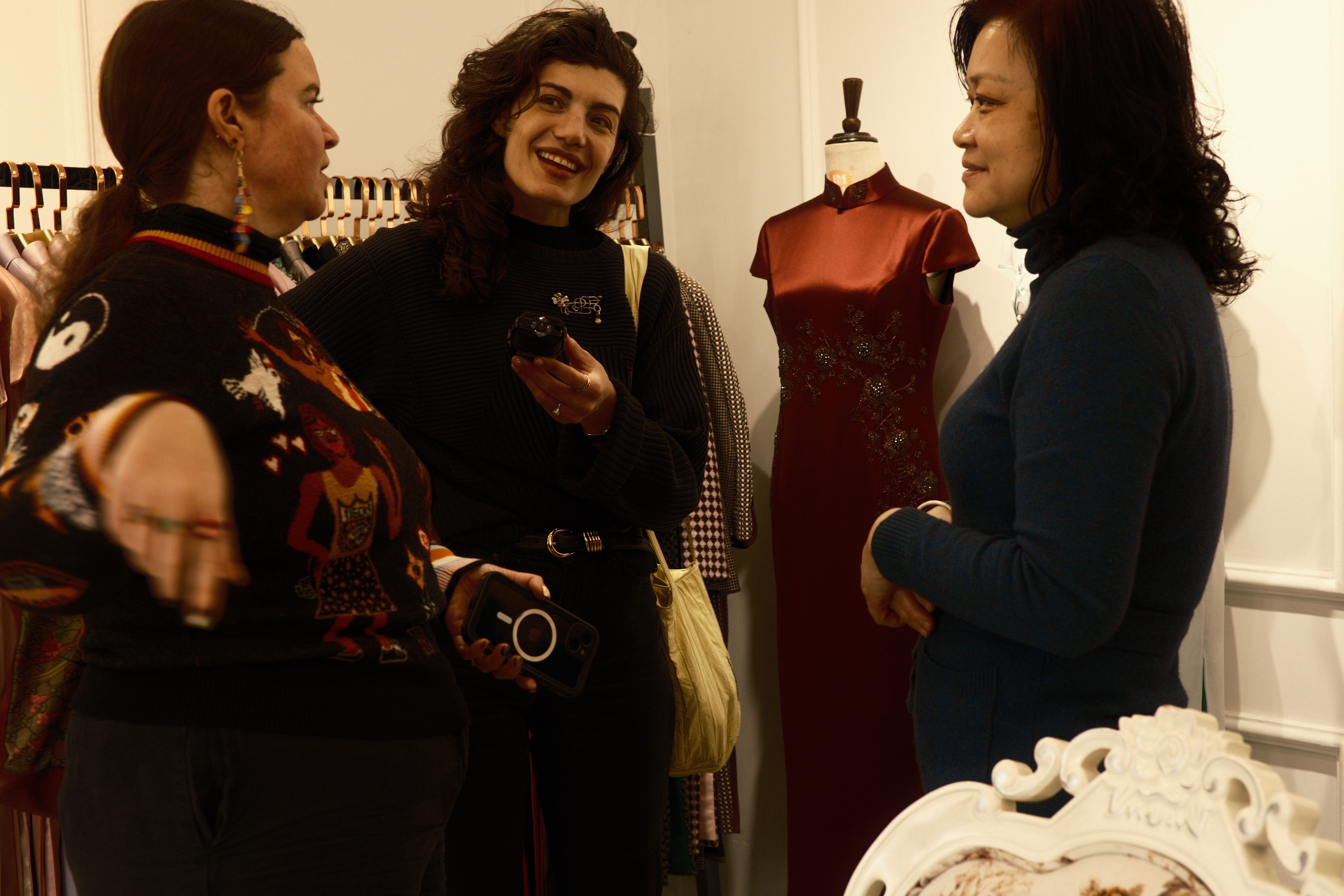
So what does it mean to dress Chinese? These days, so many companies with a presence in China are trying to figure that out.
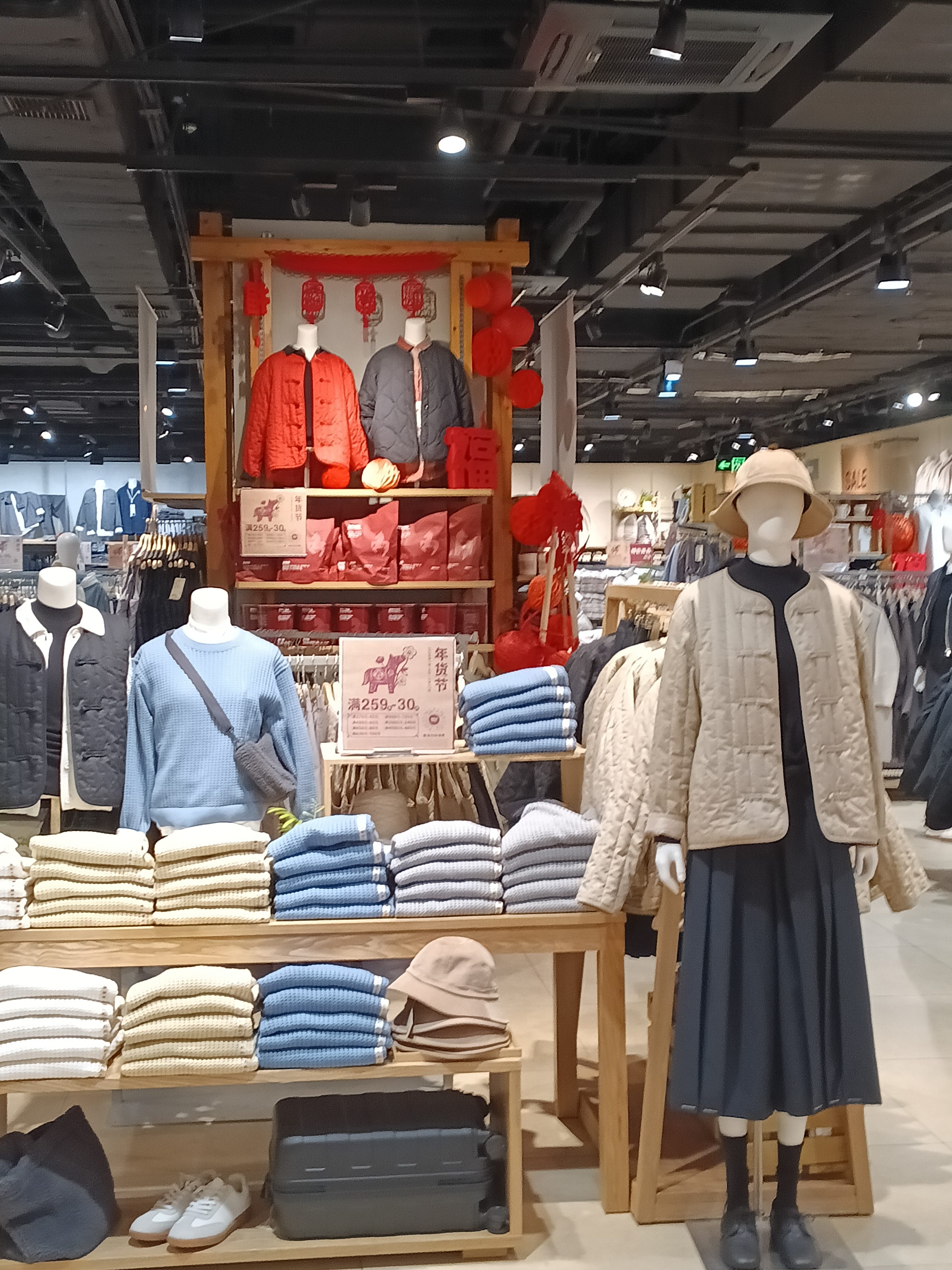
But some attempts better than others. Adidas caught flack for making this popular Tang jacket, because it was considered Manchurian, not “authentically Chinese” meaning Han.
And so hence these 14th century princesses. They are dressed in the “authentic Chinese style”- before the robes, before the qi pao, before the mao suits. Before any of “outside influence,” walking around tourist attractions and taking pictures.
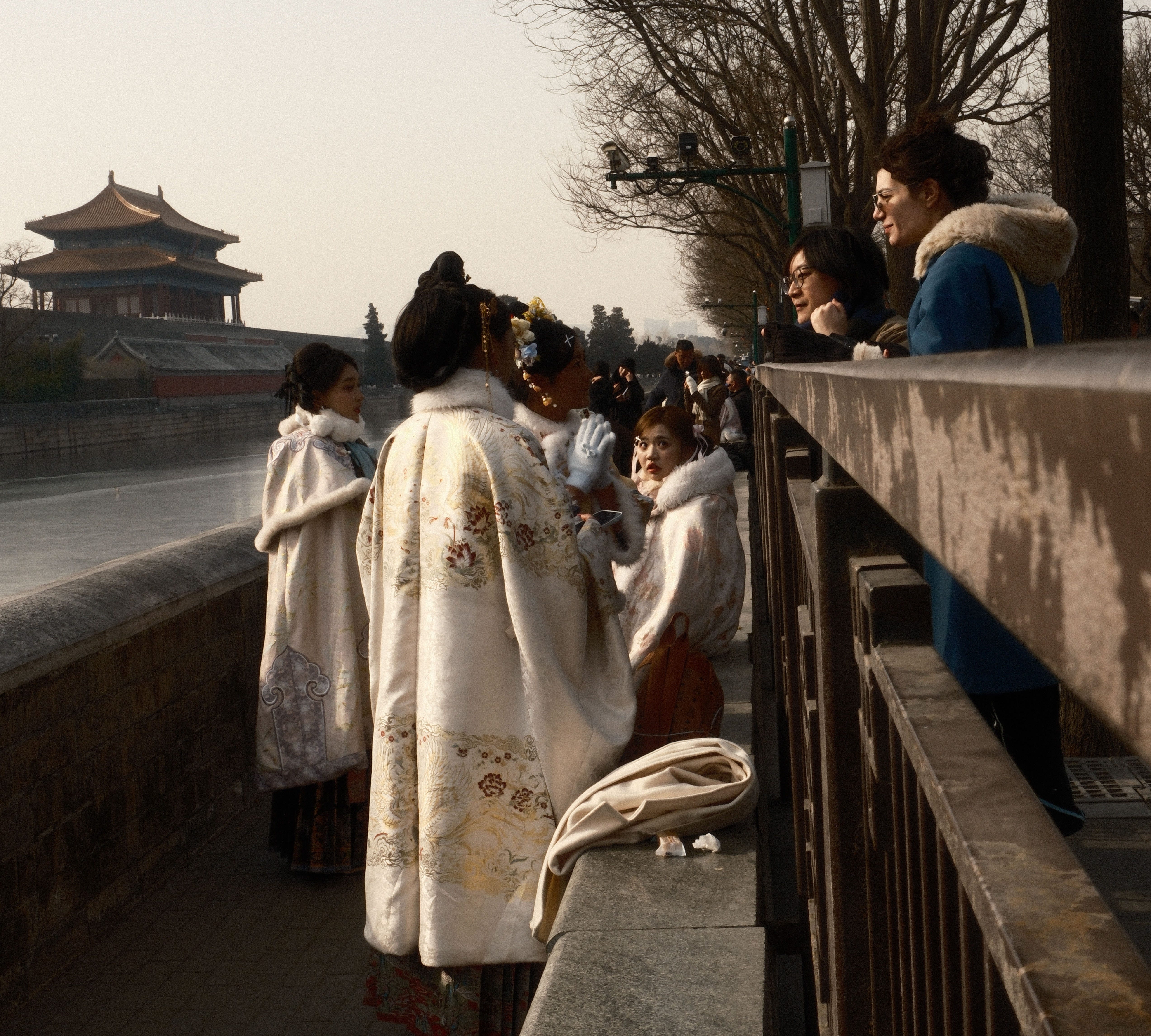
The hanfu princesses aren’t just doing it for the photo ops (although they are also doing that). Hanfu is also directly impacting everyday style. Because there are increasingly “casual” and “updated” version of this traditional dress, which are becoming increasingly popular. They’re undeniably cute.
And obviously these sites above are relatively cheap and not the highest quality. But they’re all part of a new design movement in China, which is carving out a new path for a kind of Chinese design that is decidedly separate from “the west,” and proves that China does way way more than cheap knockoffs.
This is most notable among high end designers, like Uma Wang, Ao Yes, and Ziggy Chen. They are crafting modern, distinctly Chinese clothes, which are some of the most beautiful, most luxe, I have ever touched.
And it just reminds me that the United States also used to be a hub of cheap manufacturing, and took us a hundred years or so to shake off that reputation. It’s a right of passage for any country on its global ascent.
No posts
Comments
Nothing yet. Say the first thing.
Sign in to join the conversation.