


Hello fellow-traveller,
Welcome to the Odyssey read-along. Here’s the schedule for you to navigate through this story.
This post, and the ones that will follow, are divided into sections so you can easily follow the text and re-read passages. It does not matter what translation you use — the lines should be the same, although translated differently.
This is the fourth post in the series, if you’re curious about what happened before, please feel free to read the previous weeks’ instalments.
In this journey, I am both an Odysseus and a Telemachus. I might get lost and get stuck on Calypso’s island, yet at the same time, like Telemachus, I need to awaken to act. These are the notes of a fellow-reader, not a scholar.
I’ve just released an interview with Emily Katz Anhalt, a Professor of Classics, discussing how we should read The Odyssey. You can listen to it here:
I hope you will enjoy it.
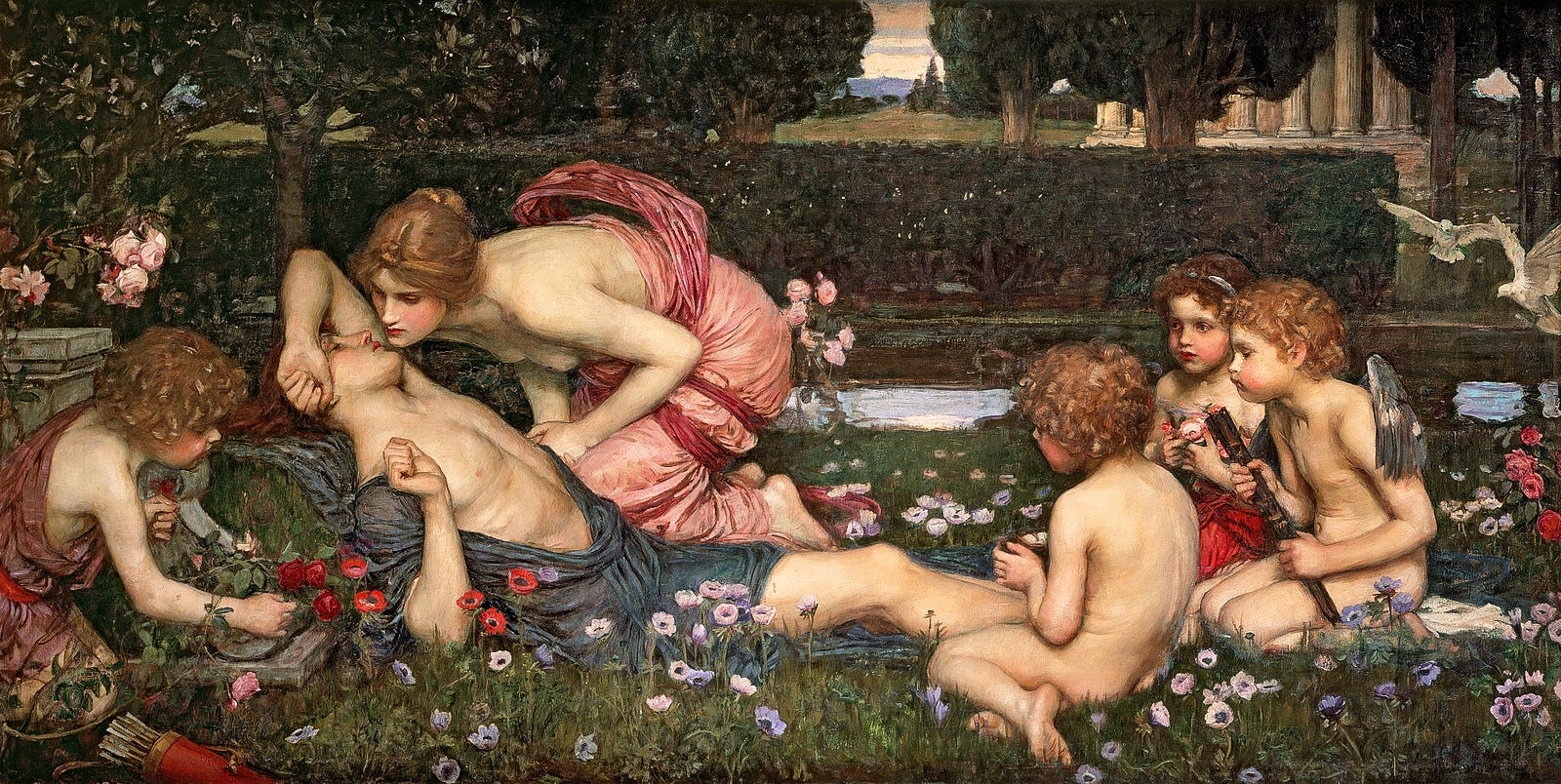
Book 7 ·Athena, disguised as a girl, guides Odysseus through the city — He enters the palace of King Alcinous and throws himself as a suppliant before Queen Arete — He is welcomed as a guest; the Phaeacians, the world's finest sailors, promise to convey him home — Arete recognises the clothes as her own handiwork and questions the stranger — Odysseus tells of Calypso but does not yet reveal his name.
Book 8 · "The Bard and the Games"
The blind bard Demodocus is led into the hall of Alcinous and sings of a famous quarrel between Odysseus and Achilles — The stranger pulls his cloak over his face and weeps in secret; only the king notices — The Phaeacians go down to the shore for athletic games; a young man taunts the stranger as no athlete — Odysseus rises and hurls a discus far beyond every other mark — Demodocus sings the comic tale of Ares and Aphrodite caught in the golden net of Hephaestus — He sings a third song: the wooden horse and the fall of Troy — Again the stranger weeps, openly now, and Alcinous asks him who he is and why the songs of Troy undo him so.
Proofread by Lisa Statler

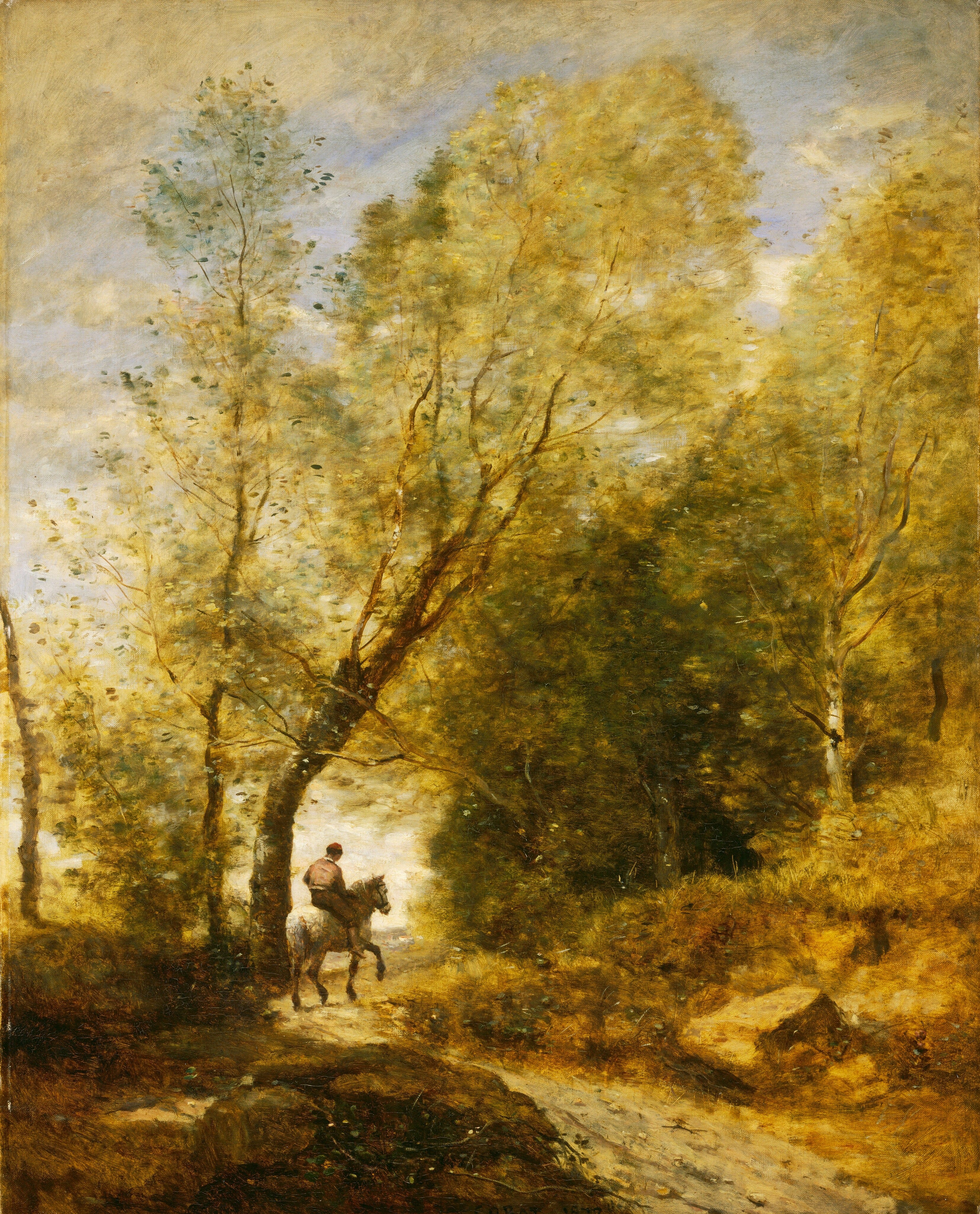
"Pallas Athena, harboring kindness for the hero, drifted a heavy mist around him, shielding him from any swaggering islander who'd cross his path, provoke him with taunts and search out who he was."
(lines 16–19)
If Book Six was a book of thresholds, Book Seven is a book of entrances. Odysseus has to choose whether he is defined by what happened to him, or by what he chooses to become.
This book begins with Athena wrapping Odysseus in an invisibility mist so the members of this kingdom, who are not used to strangers, will not challenge or question him.
I can only interpret everything through my own perspective, and I see in this divine mist Athena suspending Odysseus from his identity. Our identity is always tied to our past and to our memories, and once our memories overwhelm our present selves, we get stuck on the island of Calypso —paralysed, motionless, unable to move on.
I believe this book is all about what identity truly is. True identity is woven like the hundreds of seams of a dress; the threads are our memories, and yet, it is how they are woven together that holds everything intact.
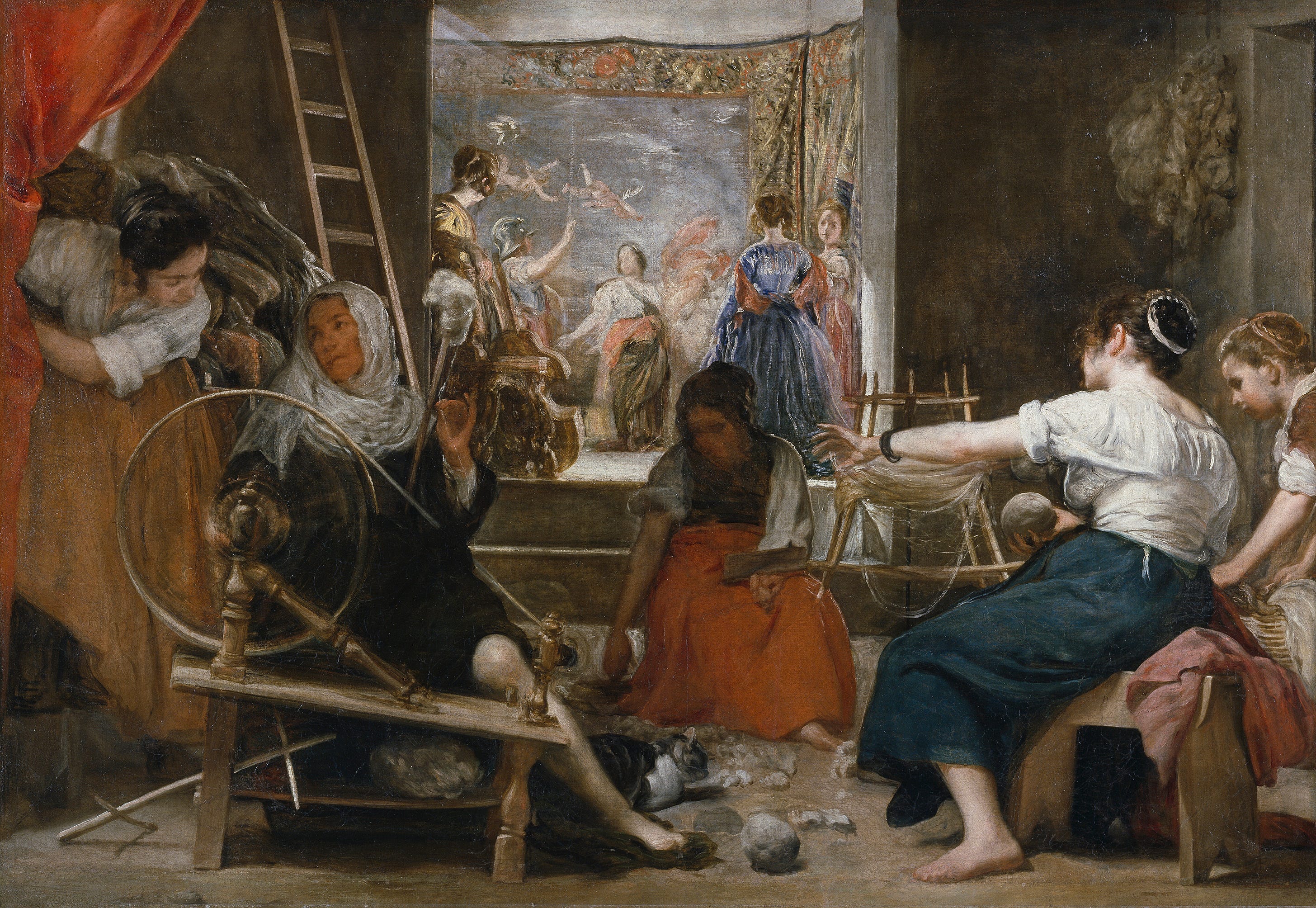
"All they really trust are their fast, flying ships that cross the mighty ocean. Gifts of Poseidon, ah what ships they are — quick as a bird, quick as a darting thought!"
(lines 38–41)
Athena warns her beloved Odysseus that he should not engage the locals, since the Phaeacian folk are a people who trust only in their speed at sea. Notice, my reader, what these ships are compared to: they are described as being “quick as darting thought.”
Comments
Nothing yet. Say the first thing.
Sign in to join the conversation.