


Hello fellow-traveller,
Welcome to the Odyssey read-along. Here’s the schedule for you to navigate through this story.
This post, and the ones that will follow, are divided into sections so you can easily follow the text and re-read passages. It does not matter what translation you use — the lines should be the same, although translated differently.
This is the eighth post in the series, if you’re curious about what happened before, please feel free to read the previous weeks’ instalments.
In this journey, I am both an Odysseus and a Telemachus. I might get lost and get stuck on Calypso’s island, yet at the same time, like Telemachus, I need to awaken to act. These are the notes of a fellow-reader, not a scholar.
I’ve just released an interview with Emily Katz Anhalt, a Professor of Classics, discussing how we should read The Odyssey. You can listen to it here:
I hope you will enjoy it.
This week’s journey (Summary) 🌊 :
WEEK 8 · Books 17–18 ·
Book 17
Telemachus enters the palace and tells Penelope only that he is home; he keeps his father’s secret — Odysseus is led into the city by Eumaeus — His ancient dog Argos recognises him after twenty years and dies — In the hall, the beggar is mocked and beaten by the suitors — Penelope asks to speak with the stranger who claims to have seen Odysseus; she is put off until eveningBook 18
The beggar Irus challenges Odysseus to a fight for the scraps of the doorway; Odysseus breaks his jaw — Penelope, inspired by Athena, descends among the suitors to display herself and extract gifts — Odysseus watches from the hall and is glad — The suitor Eurymachus mocks and throws a footstool; Telemachus calls for restraint — The suitors retire to bed, their last night of ease
Proofread by

BOOK SEVENTEEN
My dear reader,
Each story needs its own way of exploration, and each book of The Odyssey forced me to attempt a new style of writing.
There are four key characters in Book XVII: the swineherd Eumaeus, Telemachus, Odysseus, and Penelope. Each of them has their own perspective: Eumaeus sees things differently from Odysseus, while Odysseus navigates through his home for the first time in twenty years, Telemachus stands prepared to die, and Penelope, for the first time, takes action.
Eumaeus
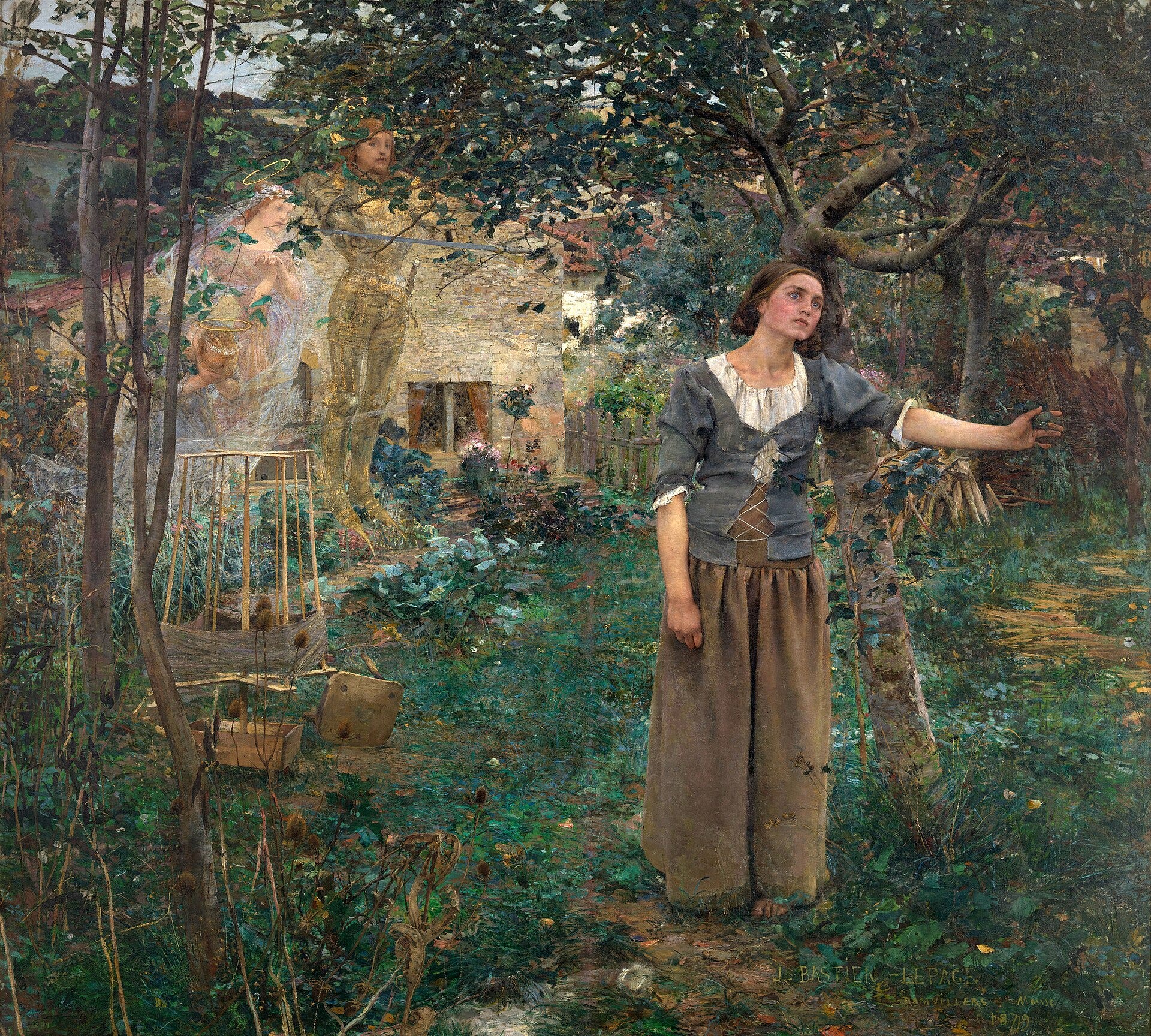
I would like to begin our exploration through the eyes of Eumaeus. For what I have been thinking ever since we first encountered him is the division between the primitive society — the society that takes care of important things such as farming and the land — and civilisation. We can see that Ithaca and the palace represent civilisation, but a civilisation that is collapsing. And when we look at Eumaeus, at this primitive, almost Arcadian state he inhabits, we begin to understand that it is precisely this that maintains Ithaca from complete collapse.
Comments
Nothing yet. Say the first thing.
Sign in to join the conversation.