
For your calendar:
Last chance to see Francisco Zurbarán exhibition at National Gallery London (closes 23rd of August). Parisians can see it in October, and my readers in Chicago can visit it in February.
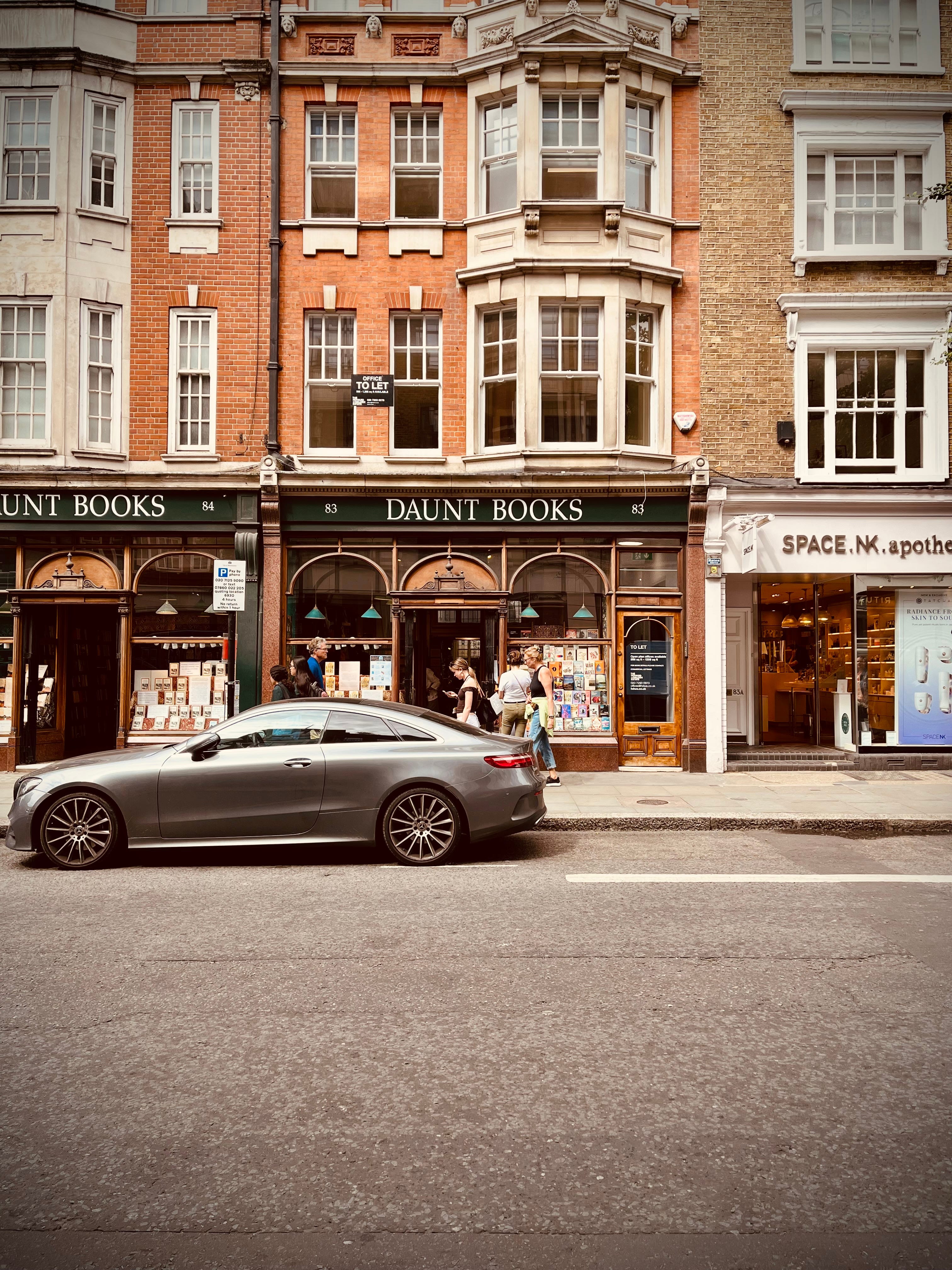
Somewhere between Marylebone and Covent Garden my Leuchtturm1917 notebook, with over 160 pages of handwritten notes on one of the greatest novels of the 20th century, vanished.
Each time I read a book closely, the way we did with The Odyssey Read-Along this May and Dante’s Divine Comedy last year, I open a fresh notebook and record my thoughts and ideas there.
Needless to say, I can't think without paper.
If you've ever lost something, you know the feeling: you go through your bag long after you've realised what you're looking for definitely isn't there, believing that if you search just a bit more, the thing might miraculously appear.
There are three places I consider to be modern day secular-temples where you can find peace in a 21st-century metropolis as a 14th-century believer would find serenity in a church and these are: galleries, bookshops and museums.
I was on my monthly book haul at the beautiful Daunt Books just before the incident and since there were no other secular temples nearby, I found a coffee shop right next to the Daunt. I began gently removing the books I'd bought that day among them Bolaño's doorstop of a novel, 2666, and Kafka's diaries.
After taking everything out, I stared into the bottom of my bag the way one stares into an abyss.
The loss reminded me that life has no backup. Our minds mimic computers too much nowadays and we are sold the idea that if you break your phone you will easily find a replacement to it without losing anything. Cheap fashion has devalued clothing the same way: rip your favourite shirt, and you'll find a replacement for pennies.
I refuse to devalue my thoughts by backing them up to a cloud.
That is one of many reasons why I keep handwritten notes. Certain things must be made irreplaceable and allowed to remain vulnerable, for the most valuable things in life demand the effort of guardianship and care.
Needless to say, I failed at the guardianship and care, and while sitting in that café and contemplating my neglect I began to think about the main subject of the notebook, namely Marguerite Yourcenar.
The notebook I lost contained my thoughts on her novel Memoirs of Hadrian, which we are going to read this September at Genius & Ink. Since margins of a book are not enough for me, I use notebooks so I could reflect in longer sentences, dwell upon words and feelings.
Sitting in this café in the heart of London, in front of one of the most beautiful bookshops in the world, I realised something else, that we don't just refuse to value things anymore, we've also lost our capacity for deliberate destruction.
Yourcenar wrote pages upon pages of notes when she initially sat down to compose her famous book, and yet after about five years of that work, she burned them, calling the destruction 'deserved.'
A great writer is part of nature, and nature destroys and renews herself constantly, shedding what's redundant, what no longer has a future anymore, and yet among this natural destruction she also chooses carefully what should stay.
From her second attempt to write Memoirs of Hadrian, Yourcenar destroyed everything as well with exception of one sentence ‘I discern the profile of my death’.
As I was sitting and contemplating this in that café I realised that what was happening at that moment in my mind was loss transforming itself into something new, into this piece that my reader is kindly reading. A loss turning into gain. That’s a story of life.
I went out of the café and went back to Daunt Books for the second time in a day. I picked a fresh notebook from the spinning display stand and walked from there to the British Museum’s café.
Removing the plastic cover from the fresh notebook I opened its first page and began writing my reflections that turned into this piece.
If you’re curious about what parts of my reflections I managed to reconstruct from my memory, reflections on wine and hunting, you will find them below.

This morning it occurred to me for the first time that my body, my faithful companion and friend, truer and better known to me than my own soul, may be after all only a sly beast who will end by devouring his master. But enough.... I like my body; it has served me well, and in every way, and I do not begrudge it the care it now needs.
p.4
Comments
Nothing yet. Say the first thing.
Sign in to join the conversation.