
One of the more common questions I get asked is: what is so special about your Tajweed book compared to others out there? What makes it stand out from publications that have been around for hundreds of years?
It might surprise you, but before I even started writing our Learner’s Handbook of Tajweed, I hesitated a lot and wondered the exact same thing: “Why do we need yet another Tajweed book?”
However, upon studying the majority of English publications in this field, I realized it wasn’t just about what needed to be added, it was about what needed to be left out.
Here are three things you will NOT find in our book, and why we intentionally excluded them:
1. It is NOT a direct translation of a traditional Arabic syllabus.
Why is that important? Because Arabs and non-Arabs learn the Arabic language (and so the tajweed of the Quran) completely differently. There are certain skills Arabs already master naturally without direct instruction. For example, madd (elongation). In most classical Arabic approaches, madd is discussed as the last topic because Arabs innately pronounce words with natural madd, which prevents them from mistakes that can lead to changing the meanings of the words.
For non-Arabs, this isn’t the case. You need explicit instruction early on to avoid fundamental mistakes. Similarly, rules of stopping and resuming are often discussed much later (if at all) in Arabic books because an average Arab understands the approximate meaning of an Ayah, so they won’t make an inappropriate pause by mistake. But that is very likely for someone who doesn’t understand Arabic at all.
That’s why we didn’t go for the traditional order (though it can be effective for Arabs). The topics in our book are ordered according to their urgency for a non-Arab learner.
We remedy the most serious problems first to get your recitation on the right track ASAP.
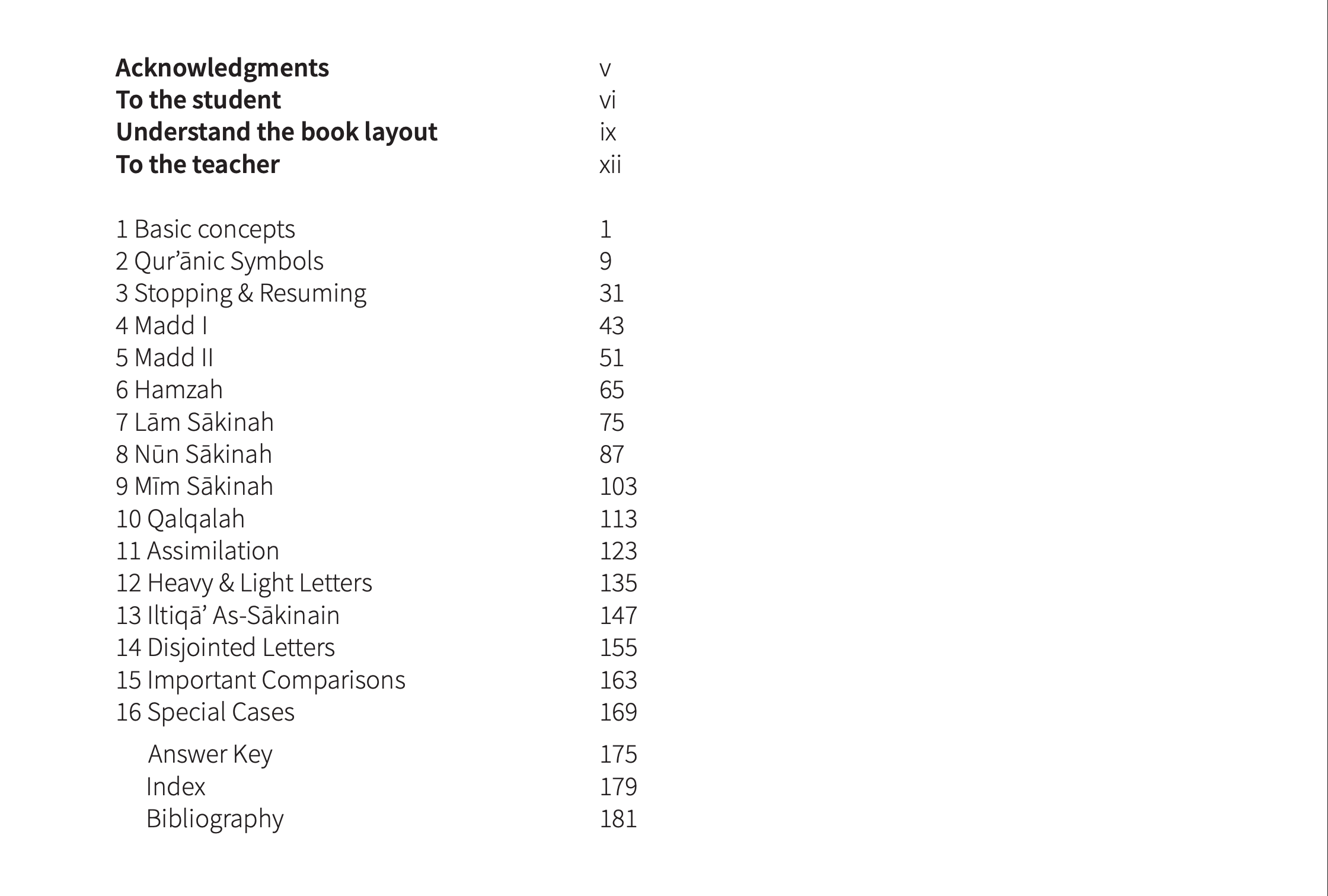
2. It is NOT an overwhelming encyclopedia of every single rule.
I noticed many books either mention every single small rule in a full detail, or they mention too few, leaving you with some accuracy and far from sufficient. The result? The learner is either demotivated by learning an overwhelming number of rules at an early stage, or they use a diluted method that leaves a lot of accuracy on the table.
We intentionally left out the highly academic, deep-dive explanations that overwhelm learners who just want to recite with 100% accuracy. Instead, we needed a streamlined method that still delivers that 100%. In the Learner’s Handbook of Tajweed, some rules are combined, learned subtly or they are indicated as titbits or exceptions. You find yourself learning everything you need to recite perfectly, without getting into the area of a specialized talib Ilm.
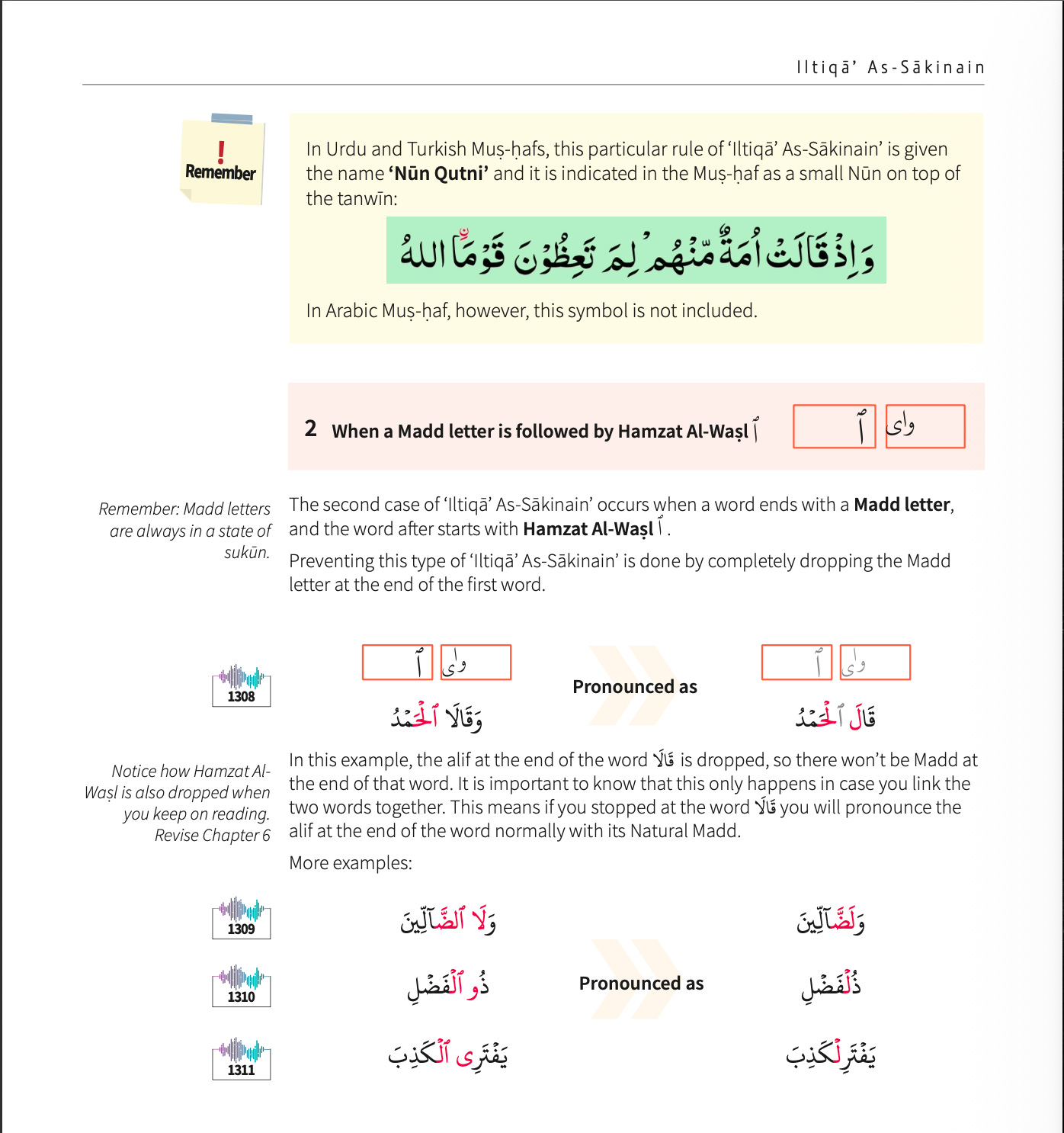
3. It is NOT a classical, text-heavy book.
While text on paper is the traditional way to learn, it isn’t always the most effective. In a world where books teaching other subjects are vibrant and engaging, Tajweed books can look too classical or academic.
We intentionally left out the intimidating “walls of text.” I wanted our book to be unique, interesting to look at, and inviting to study in it. That’s why it is the first Tajweed book to resemble modern language-learning coursebooks. It looks familiar to non-Arab learners and packages the information beautifully to help you stay motivated and learn faster, in shaa Allah.
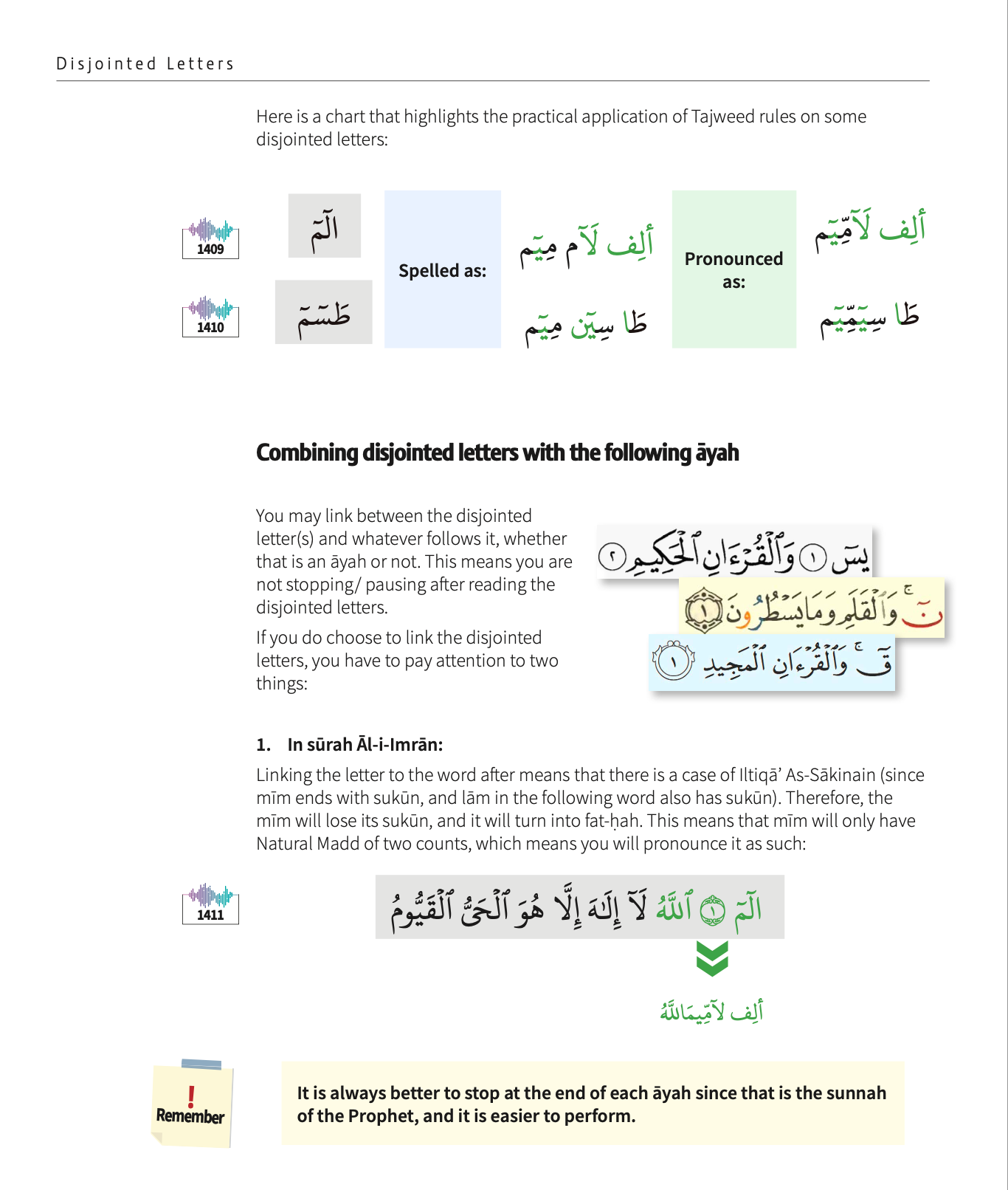
Hopefully, this helps you understand why we needed another Tajweed book, and why what we chose to leave out makes this edition so effective.
JazakumAllahu khairan
Islam Fekry
Founder of Arabic101
No posts
Comments
Nothing yet. Say the first thing.
Sign in to join the conversation.