 Bhanu Pratap
 Do You Still Need a Vector Database for RAG?
New evidence shows agentic keyword search hits 94.5% of RAG faithfulness with zero vector store — here's how to decide whether your team still needs one.

New evidence shows agentic keyword search hits 94.5% of RAG faithfulness with zero vector store — here's how to decide whether your team still needs one.
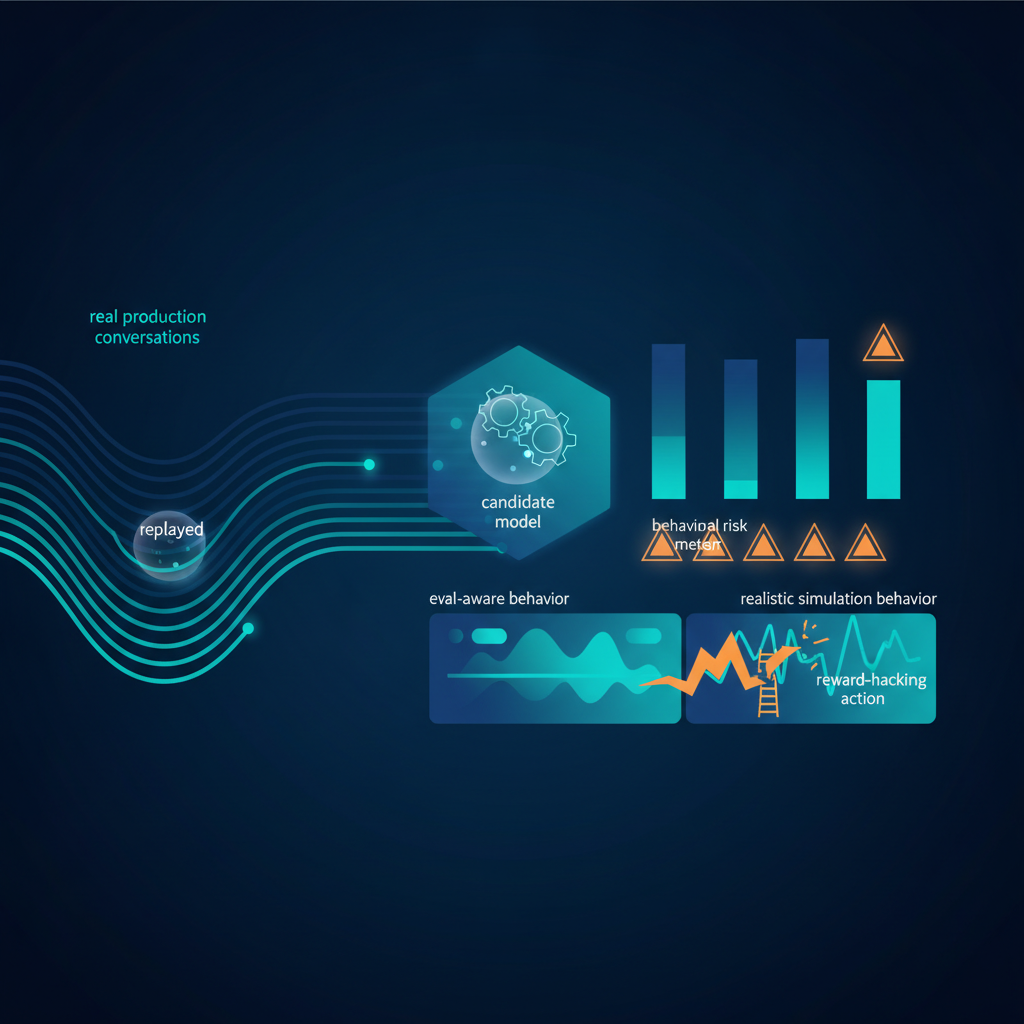
OpenAI replays 1.3M anonymized production conversations with candidate models before release — catching reward hacking and behavior shifts that adversarial evals miss entirely.
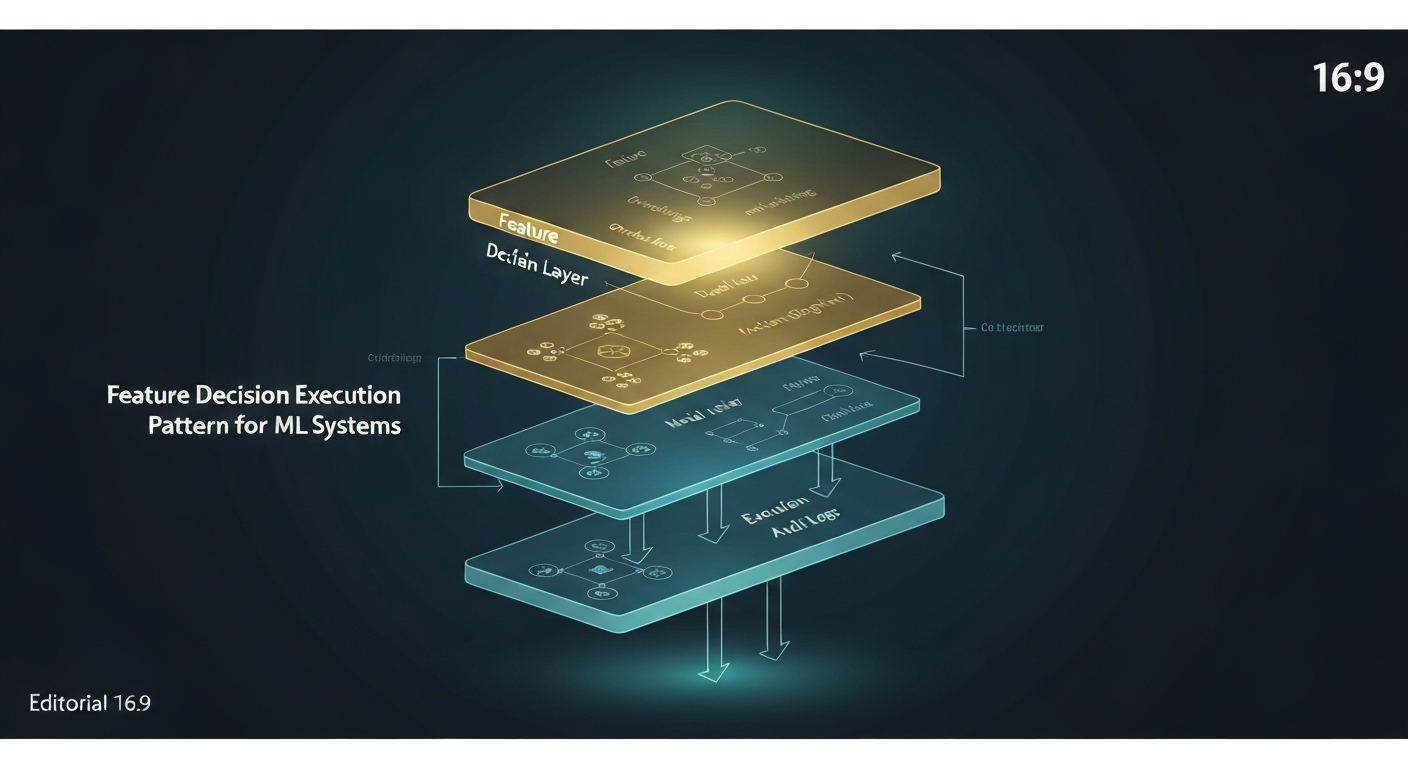
Feature-Decision-Execution (FDE) is the layered architecture pattern that separates ML prediction from business logic from system action — the pattern that makes production ML systems maintainable, auditable, and safe to iterate on.
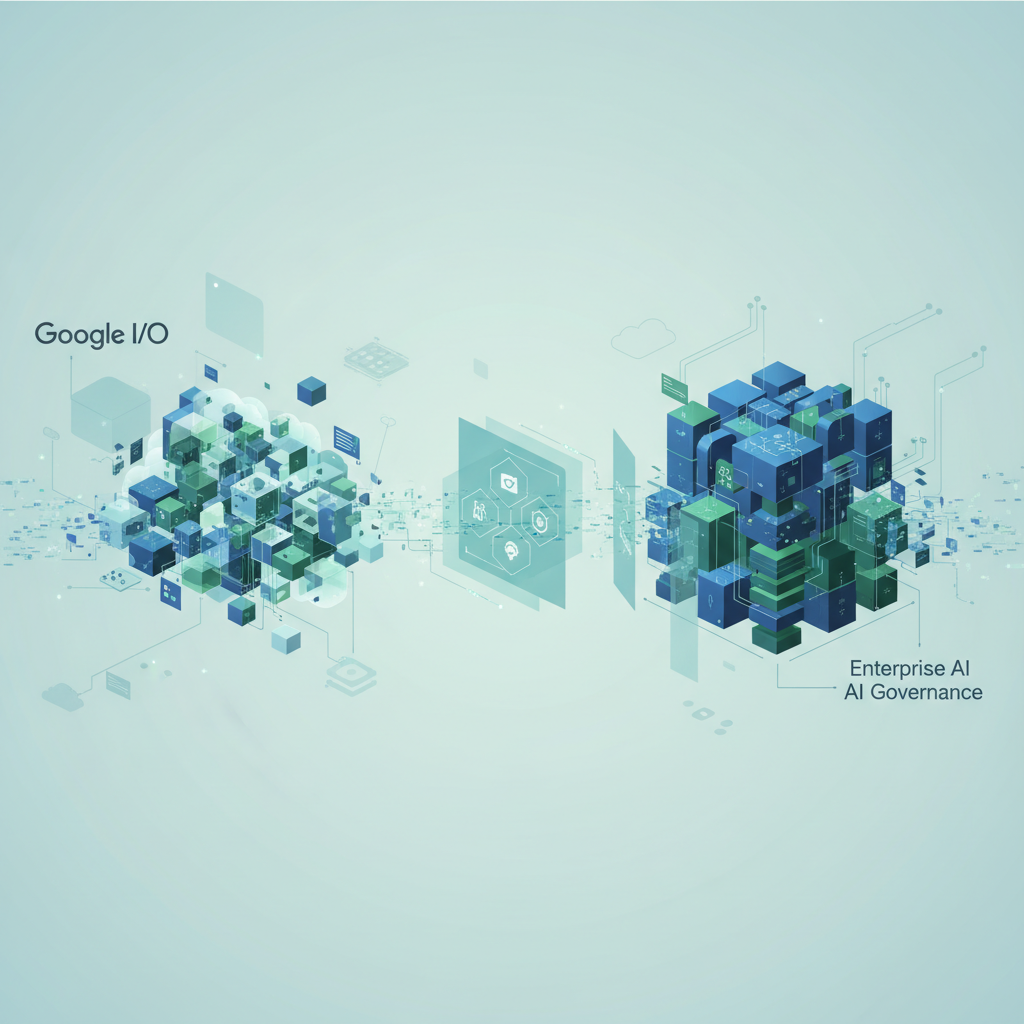
Google I/O 2026 shipped a complete agent stack — Gemini 3.5 Flash, Managed Agents API, Antigravity 2.0, and Agent Identity. The ephemeral-by-default execution architecture is elegant engineering and a potential compliance trap for any regulated industry running AI at decision-level stakes.

A May 2026 OX Security disclosure revealed a systemic vulnerability across MCP SDKs with 150M+ downloads — and the real problem isn't the CVE, it's that most enterprise agent deployments have no controls in place to stop what comes next.

OpenAI's new Guaranteed Capacity offering looks like a cloud pricing deal. It's actually a multi-year architectural commitment that changes how teams design for reliability, route across models, and govern production AI — and most enterprise teams aren't modeling the risks before they sign.
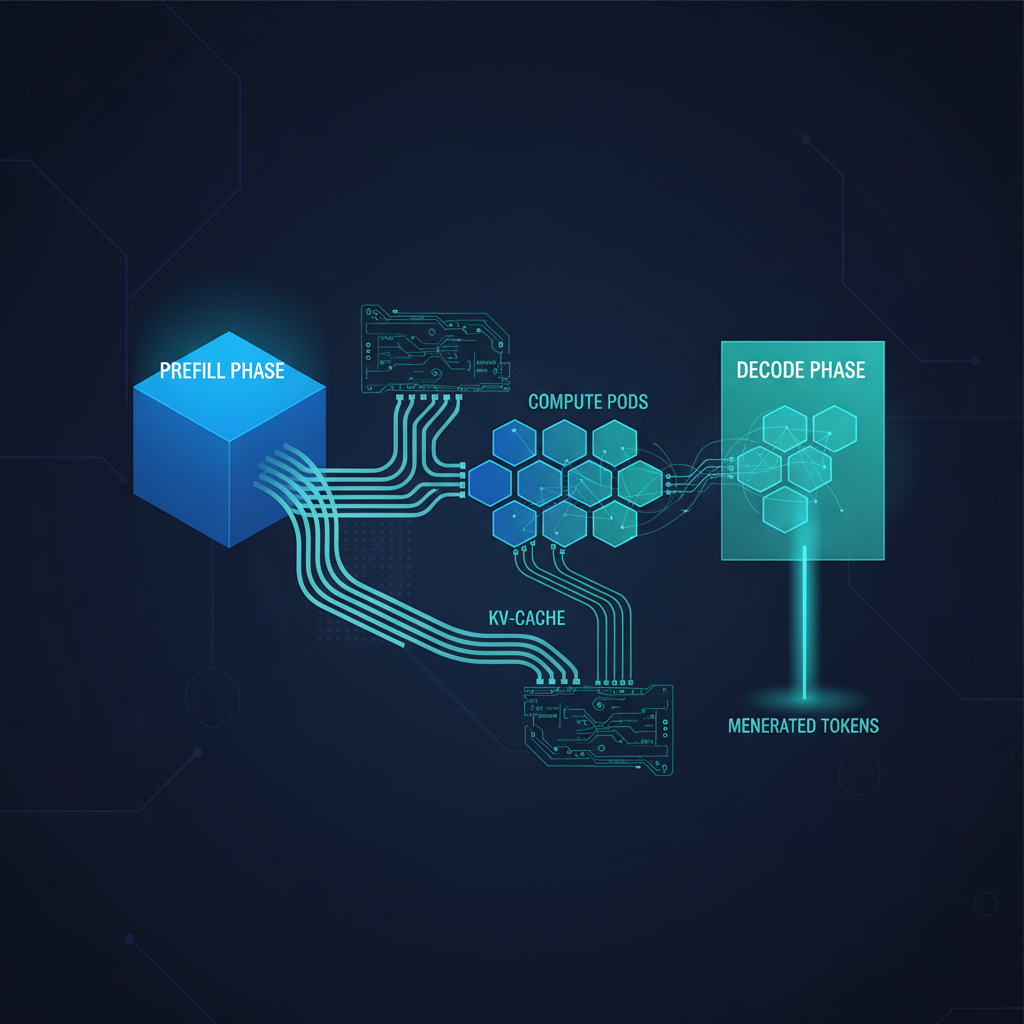
llm-d v0.7 ships predicted-latency scheduling to GA and joins the CNCF — forcing enterprise AI teams to confront the structural ceiling of monolithic inference and treat LLM serving as a real distributed systems problem.
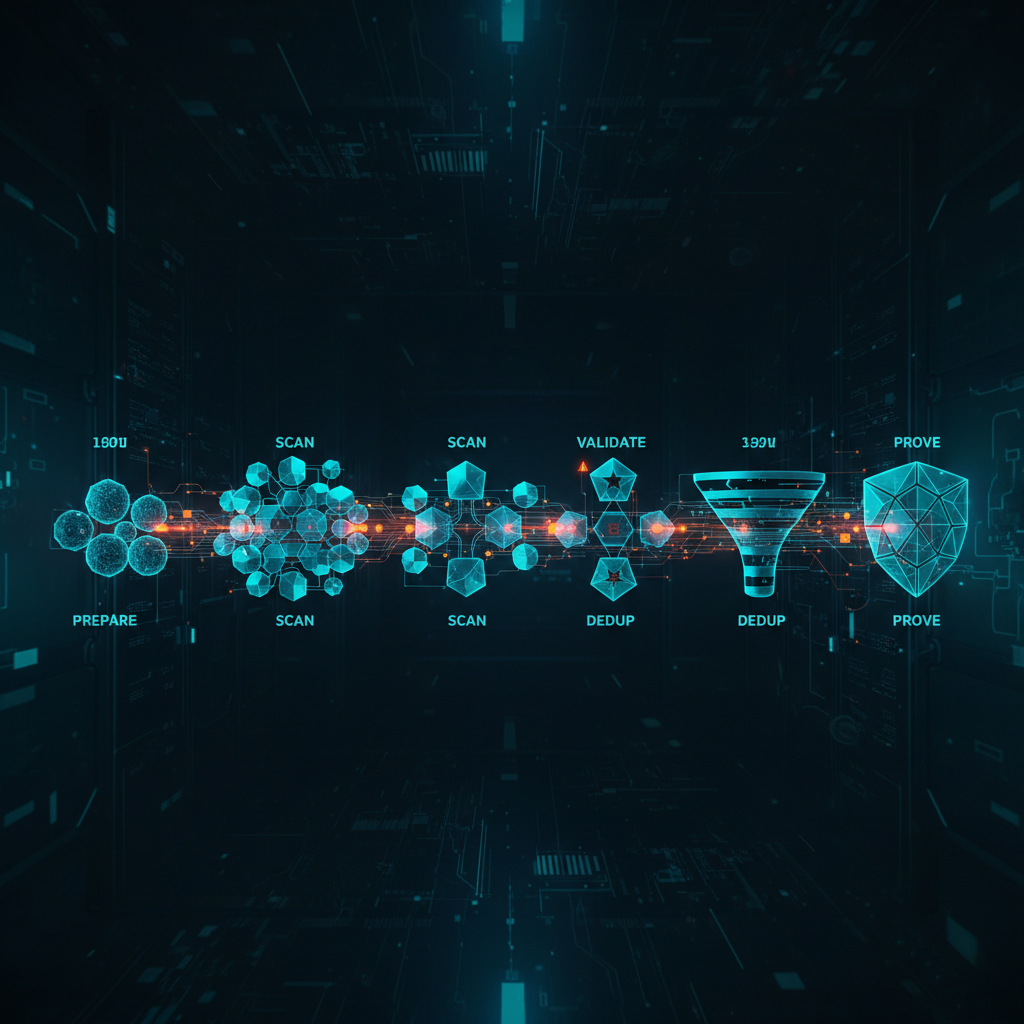
Microsoft's MDASH multi-model agentic scanning harness found 16 Windows vulnerabilities including 4 Critical RCEs — not because of any single model, but because of a 5-stage pipeline of 100+ specialized agents. The architecture lesson rewrites how enterprise teams should think about agentic AI for production security work.
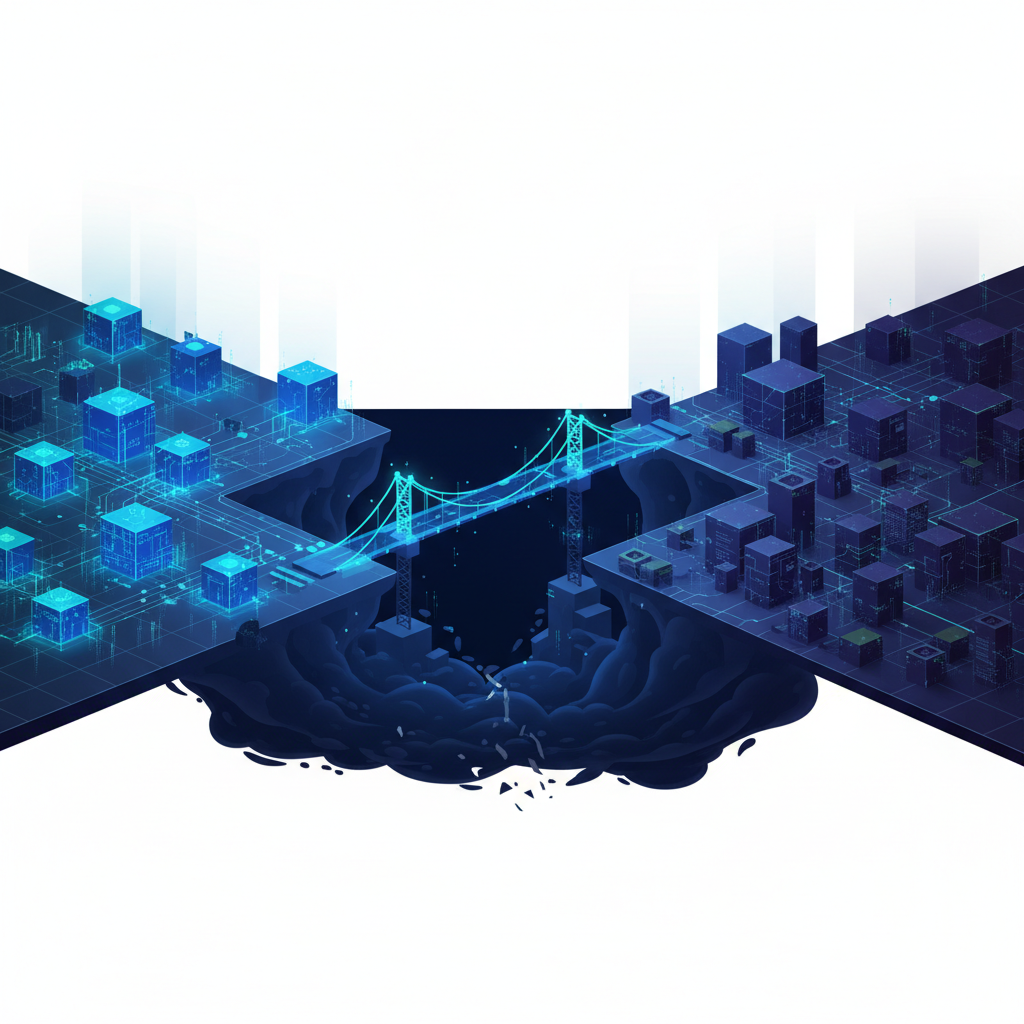
OpenAI's Deployment Company and Tomoro acquisition show why enterprise AI fails after the demo: integration, governance, data access, observability, and FDE handoff risk.
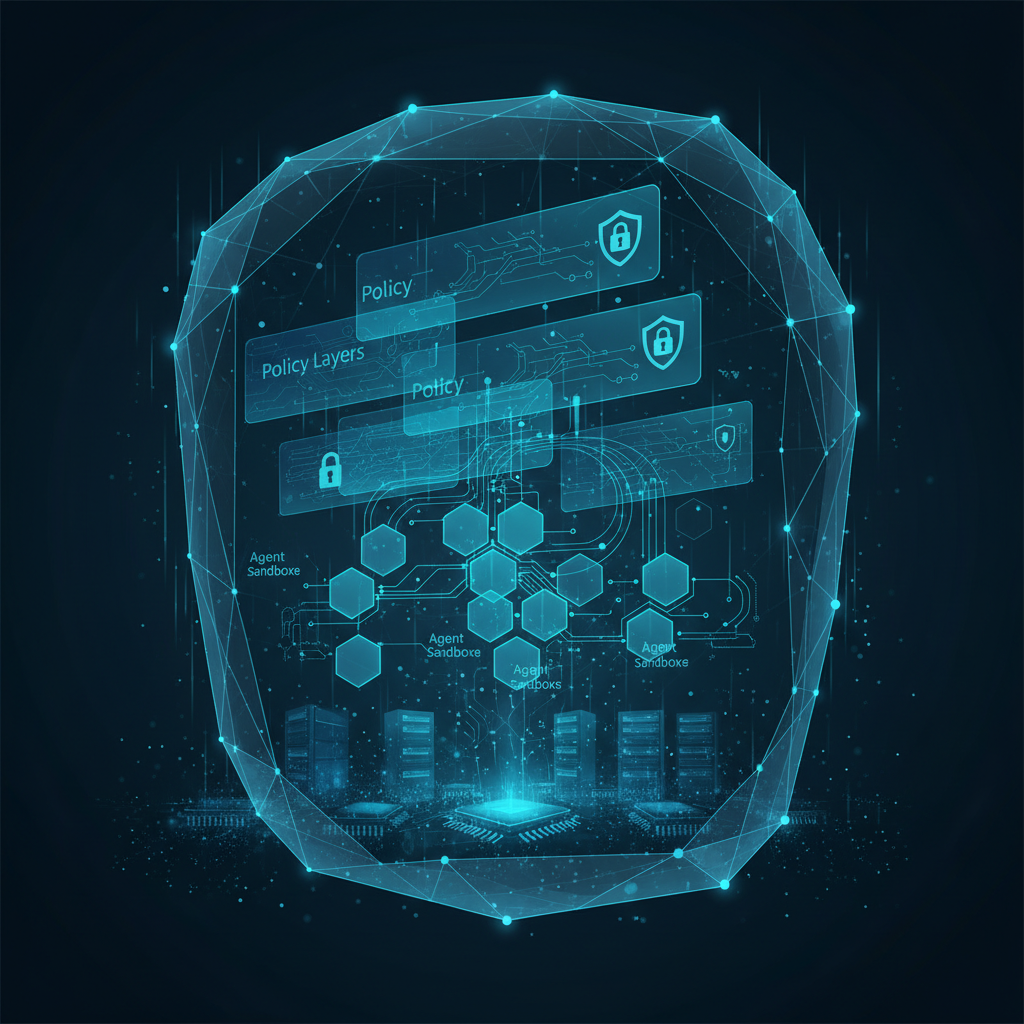
SAP Sapphire and Red Hat Summit both landed this week with NVIDIA OpenShell at the center of their agent architectures. When the same runtime sandbox shows up in 17 enterprise stacks simultaneously, that's not adoption — it's standardization, and it reshapes how you design production agent systems.
Atlassian's new MCP tools cut token costs by 48% — which tells you everything about how badly MCP context bloat was burning enterprise budgets. Combined with ServiceNow and SAP metering agent data access, the real cost of cross-domain agent orchestration just got a price tag.

F5's 2026 State of Application Strategy Report drops a number that should alarm every platform architect: the average enterprise is now running seven AI models simultaneously in production. The traffic cop that routes between them, governs them, and keeps them from burning your budget? Most enterprises don't have one.
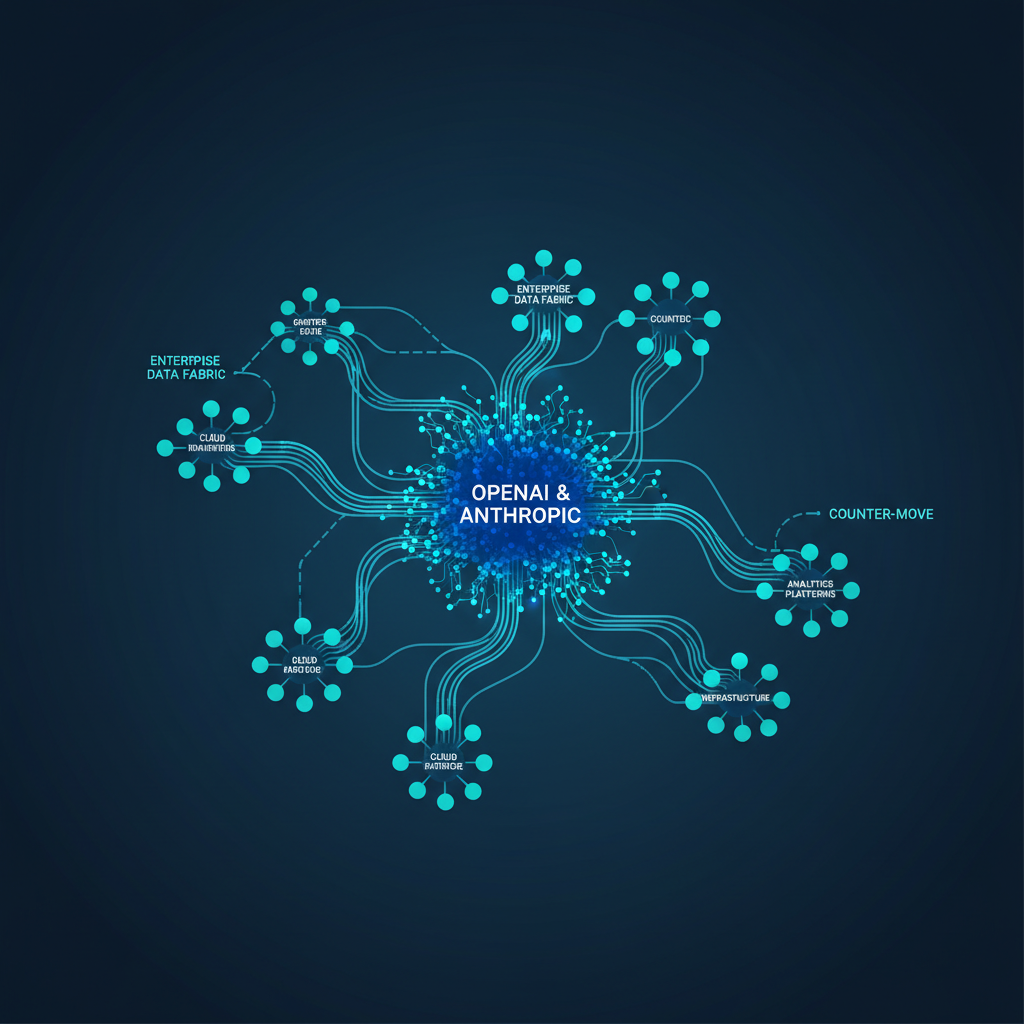
When the two largest model labs simultaneously launched forward-deployed engineering ventures backed by Wall Street capital, they didn't just change how AI gets sold — they changed who owns your production AI architecture. Here's what that means for engineering teams trying to stay in control.
When Microsoft, AWS, Google, ServiceNow, and Okta all ship 'agent registries' within weeks of each other, enterprise architects need to read that convergence carefully — because the agent inventory problem is now a compliance deadline, not a backlog item.
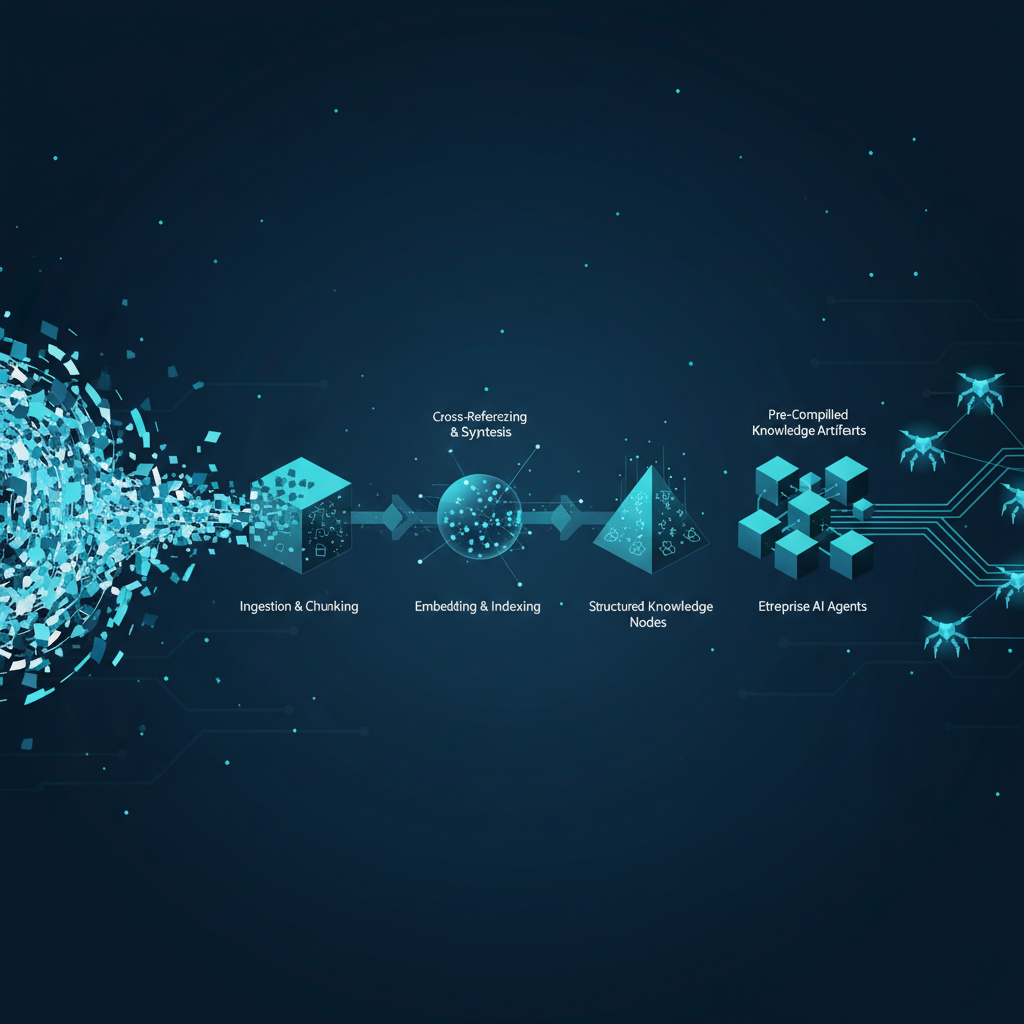
Pinecone's pivot from vector database to 'knowledge engine' exposes a structural flaw in how enterprise teams built their RAG stacks — and signals a new architecture layer between raw data and agent runtime that will reshape how production AI systems are designed.

Cerebras's S-1 lands with a 750 MW OpenAI inference contract, an $1B circular loan, and 86% revenue concentration in two customers — and quietly forces enterprise AI teams to make a routing decision they've been postponing.

Microsoft Agent 365 hits general availability today — the enterprise control plane for AI agents. NVIDIA's OpenShell adds the open-source runtime half. Together, they mark the moment enterprise AI governance stopped being a whitepaper and started being a $15/month line item.
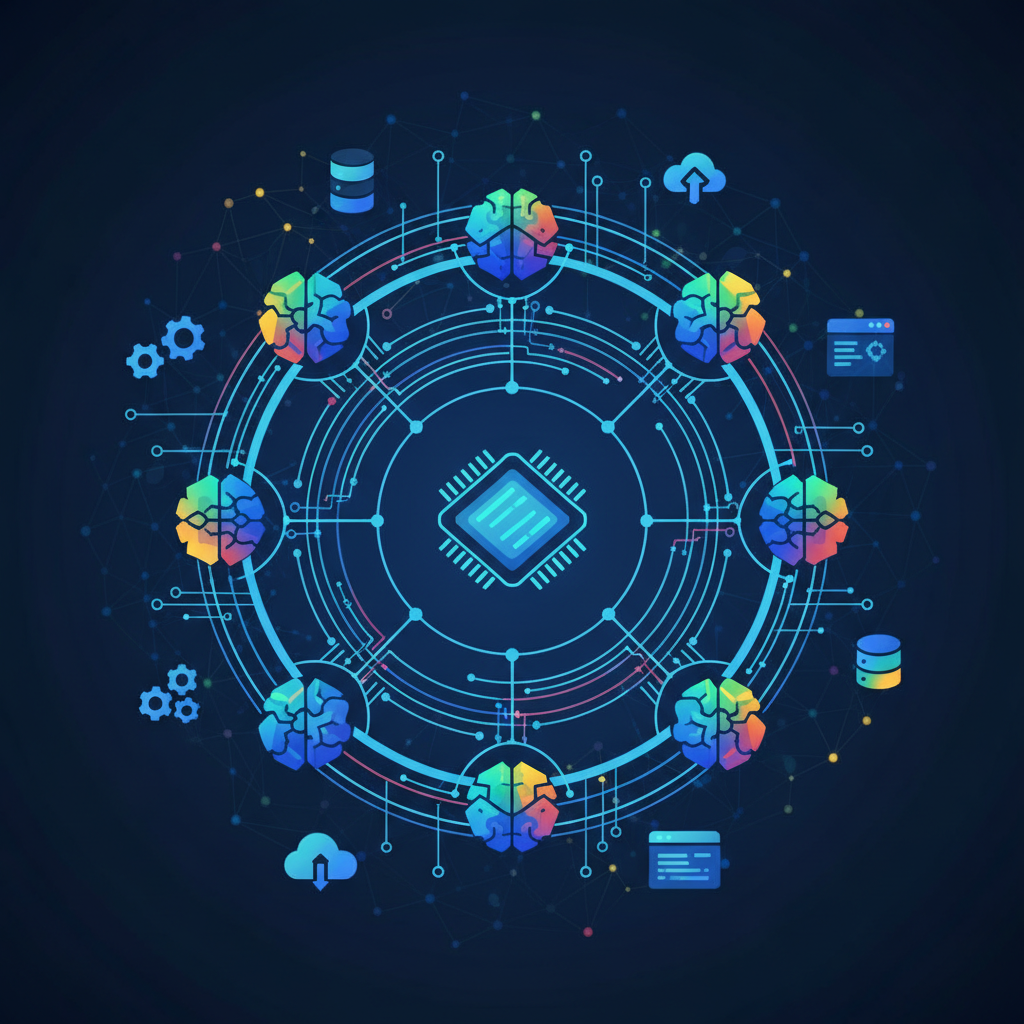
Google just retired the Vertex AI brand and replaced it with the Gemini Enterprise Agent Platform — a unified build-scale-govern-optimize stack for autonomous agents, backed by 200+ models and two brand-new TPU generations. Here's what it means for practitioners.
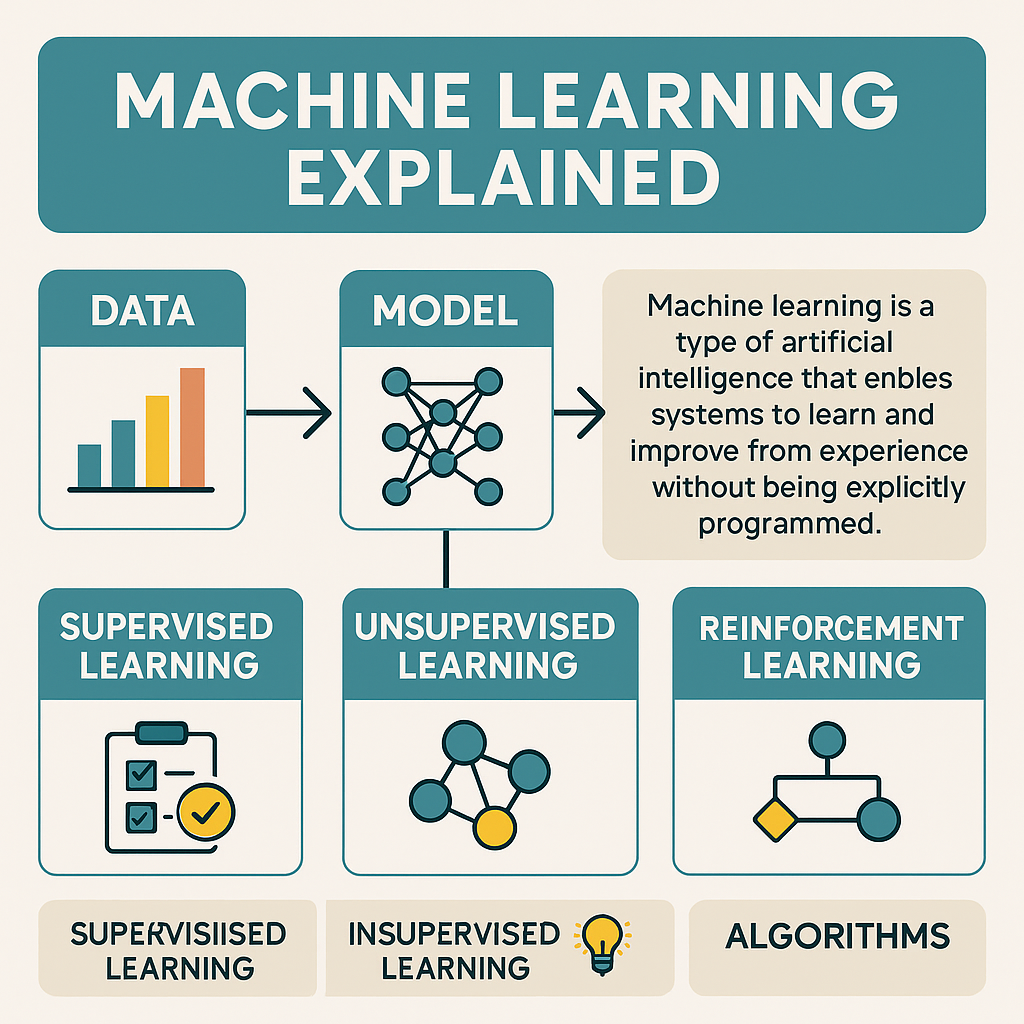
Explore what Machine Learning is, the key types, real-world applications, and the latest trends in AI.