Kipo and the Age of Wonderbeasts
Kipo and the Age of Wonderbeasts is a TV show about hope, healing, and restorative justice.
My guides, code snippets, and more are free and open to everyone thanks to the generous support of my Go Make Things members.
Thanks for your support! Because of you, my guides, code snippets, and more are free and open to everyone.
Overview
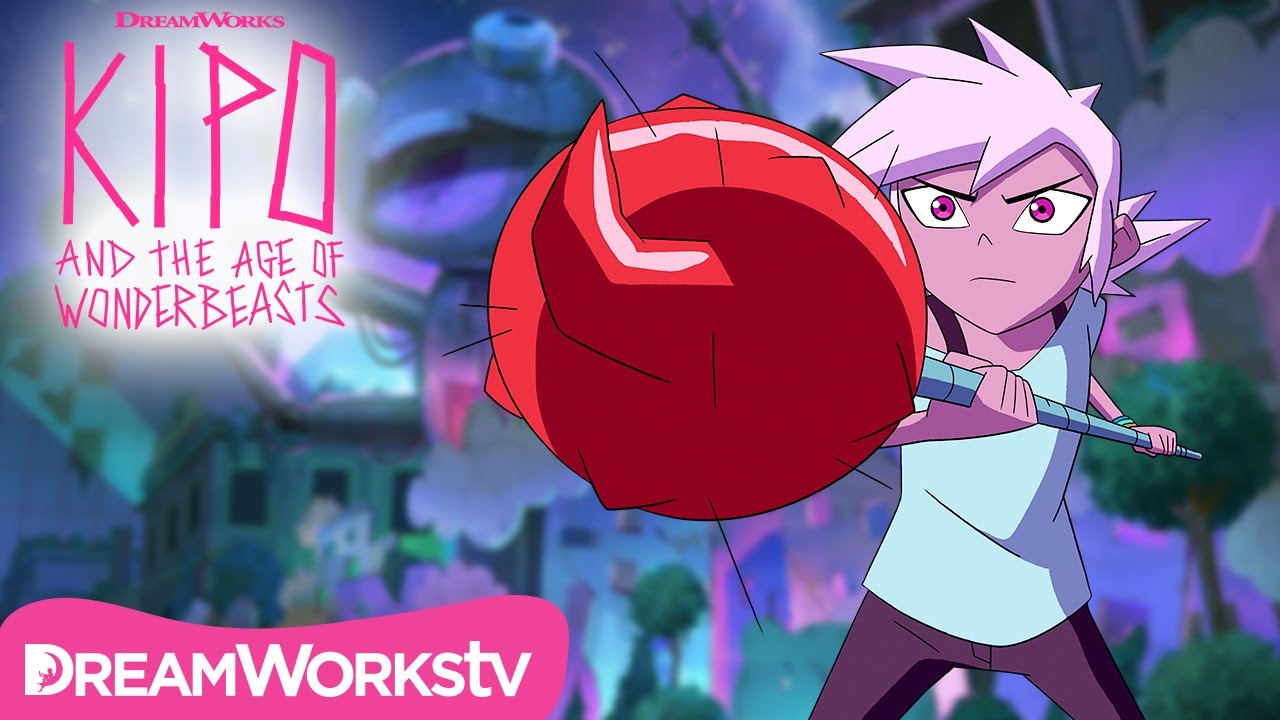
Kipo and the Age of Wonderbeasts is a hopeful post-apocalyptic story.
Kipo is a teen who lives in a burrow community… until an attack from a wonderbeast—one of the giant mutant creatures that now populate earth—thrusts her into life on the surface.
Sentient talking mutant animal factions all fight for survival, and Kipo’s endless optimism both disrupts it and changes things for the better.
The series explores themes of…
- Restorative Justice
- Hope
- Community
- Disability
- Representation
It’s one of my favorite shows of all time.
Tone
Despite being post-apocalyptic, Kipo never feels dystopian.
The colors are bright. The monsters are adorable, even if they are trying to kill you. And the main protagonist, Kipo, is relentlessly optimistic and upbeat.
But it’s not shallow or naive or dumbed-down. It tackles big issues and big ideas.
It explores the gray areas of morality. It features meaningful interpersonal conflict born from deep ideological, cultural, and historical differences.
It considers the human(oid) capacity to change and grow and overcome trauma, without just sweeping it under the rug. It dives deep into restorative justice and healing in the shadow of immense wrongs.
And despite all this, it’s a show that always leaves me feeling happy and hopeful rather than sad and burnt out.
Disability
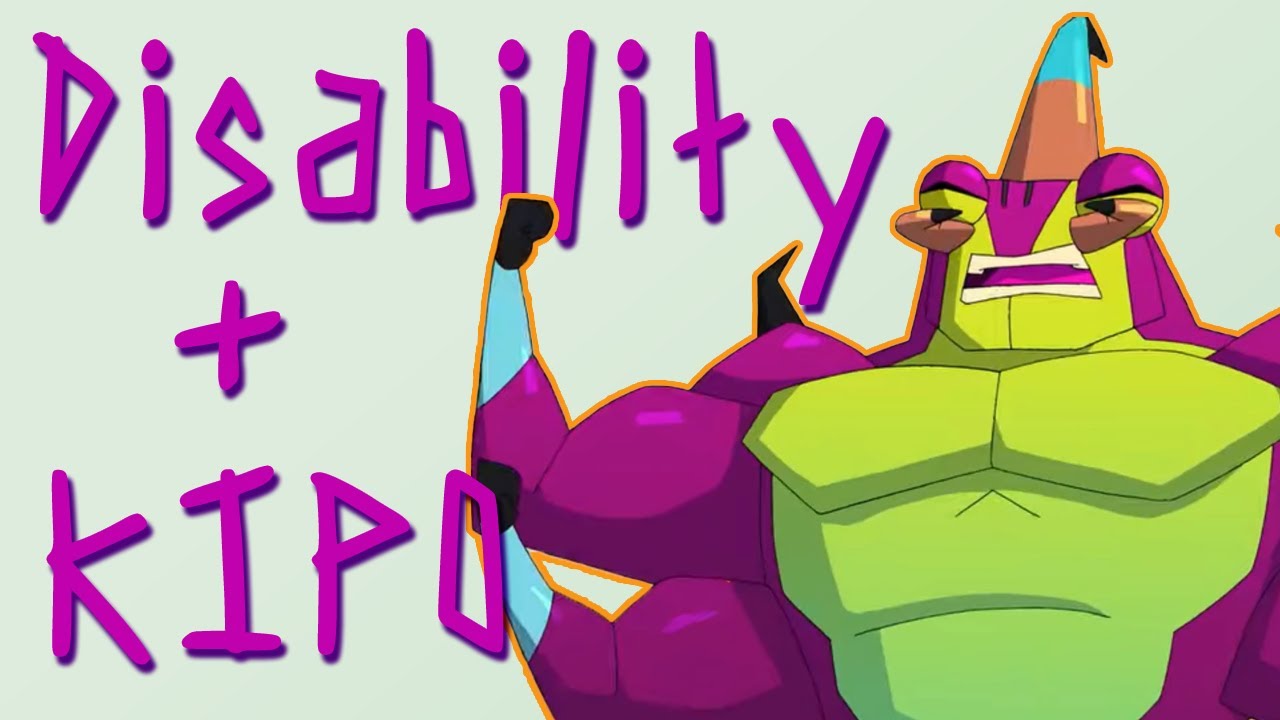
One of the best characters in Kipo and the Age of the Wonderbeasts is Dave, a mutant bug who random metamorphs from baby to teen to adult to old man, then back to larva again, in an endless cycle.
Dave’s differences are at times a boon, but often a hindrance. He cannot control when he morphs, and often finds himself frustrated by his own body and feeling like a burden on his friends.
My internet friend Willow has put together a fantastic video on how Kipo approaches Dave’s disability…
The show does such a wonderful job of exploring Dave’s emotions, his disability’s impact on the people he loves and who love him, and the various interpersonal conflicts that arise out of it.
And they do it without playing it off for cheap laughs or just making Dave the butt of the joke.
LGBTQ+
Kipo and the Age of the Wonderbeasts handles LGBTQ+ representation better than almost any show I’ve ever seen.
Benson one of the main protagonists, comes out to Kipo after she tries to kiss him.
He says it very nonchalantly, she apologizes for misreading the situation, and then… the plot just moves forward!
There’s no big dramatic bullshit around it. Benson is just gay.
But it’s not ignored like in some shows either. He eventually develops a love interest and finds happiness and fulfillment, just like all of the straight characters.
But it’s just one aspect of who he is, and not even the biggest or most featured one.
When he develops a love interest, it’s not his whole story or personality. He has other hobbies, other interests, other friends. He has a whole life and a whole personality.
It’s treated the same way most media treats cishet relationships.
People
My favorite aspect of Kipo (the character) is her ability to see the good in everyone.
Throughout the show, she goes out of her way to humanize those who try to harm her—but not in a naive way that ignores the very real harms their actions cause.
She understands that systems have a huge impact on people’s behavior, that sometimes good people do very bad things, and that villains often believe they are the heroes.
She works tirelessly to humanize both herself and them, find common ground, and bring out their inner good.
Restorative Justice
Kipo forgives, but she also demands restorative justice.
This is different from punishment. Kipo never tries to punish anyone. Instead, she helps find ways for them to right their wrongs and fix the damage they’ve done.
This creates a path for them to reenter society as full participating members again.
And despite being an animated show largely targeted at a child audience, this show does not dumb this down.
Kipo does not save everyone. And the folks that she does save continue to live with the physical and emotional scars of their actions.
The hurt is still there, but there’s healing, too.