Soňa Weissová is a reporter for Denník N. She studied journalism at Comenius University and worked in several newsrooms of Slovak Radio from 2009 to 2024. In the 2016 Journalism Award, she was nominated for the Czechoslovak Public Choice Award for a radio series about Václav Havel. Since 2019, she has focused on foreign reporting, and following the outbreak of the war in Ukraine she served as head of the radio foreign news desk. At Denník N, she covers Austria, Germany, the European Union, and other current topics.
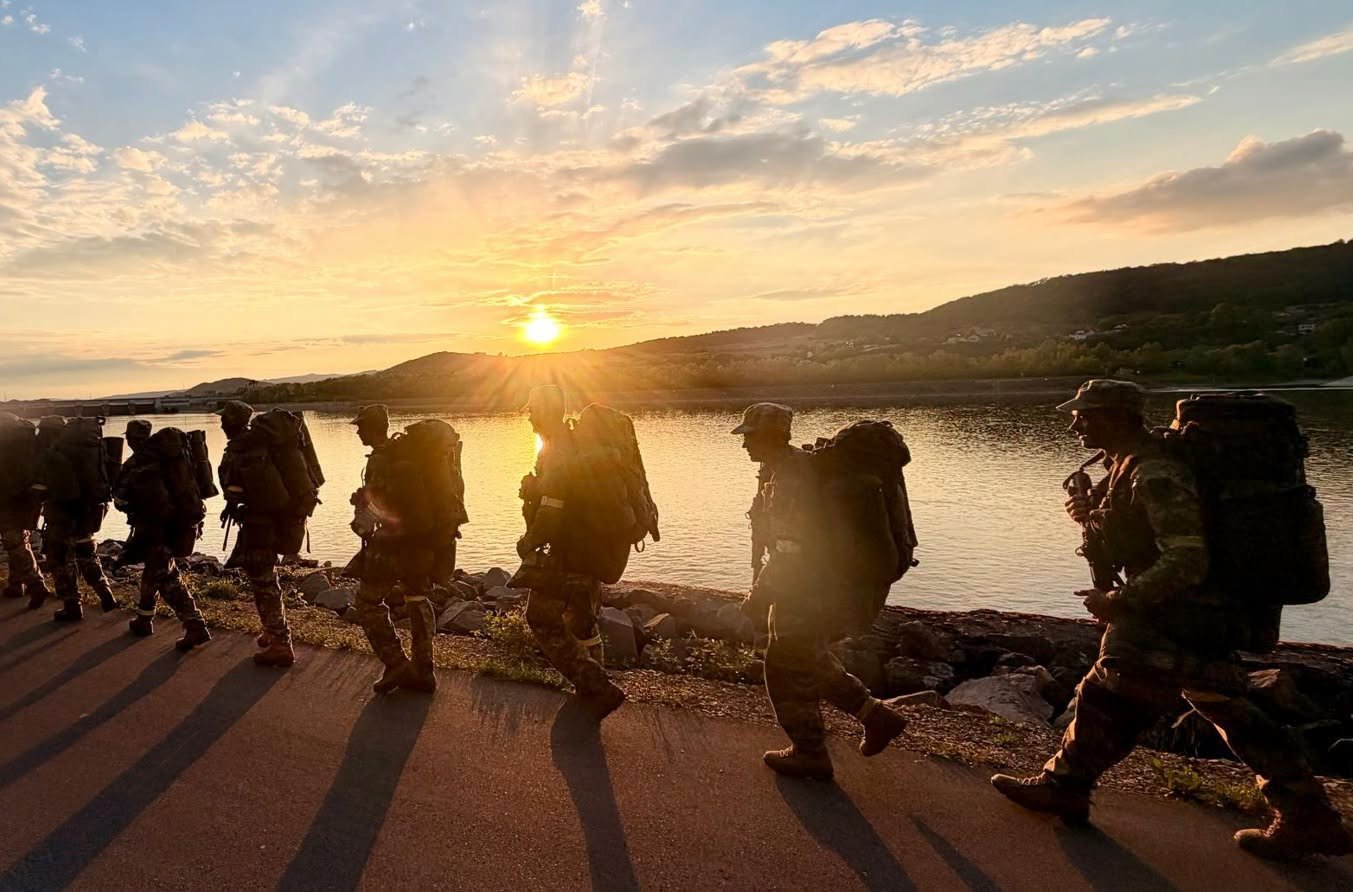
As Austria’s leaders insist Russia’s war means longer duty for young men, critics warn the plan quietly doubles as a cheap-labour fix for struggling hospitals and emergency services.
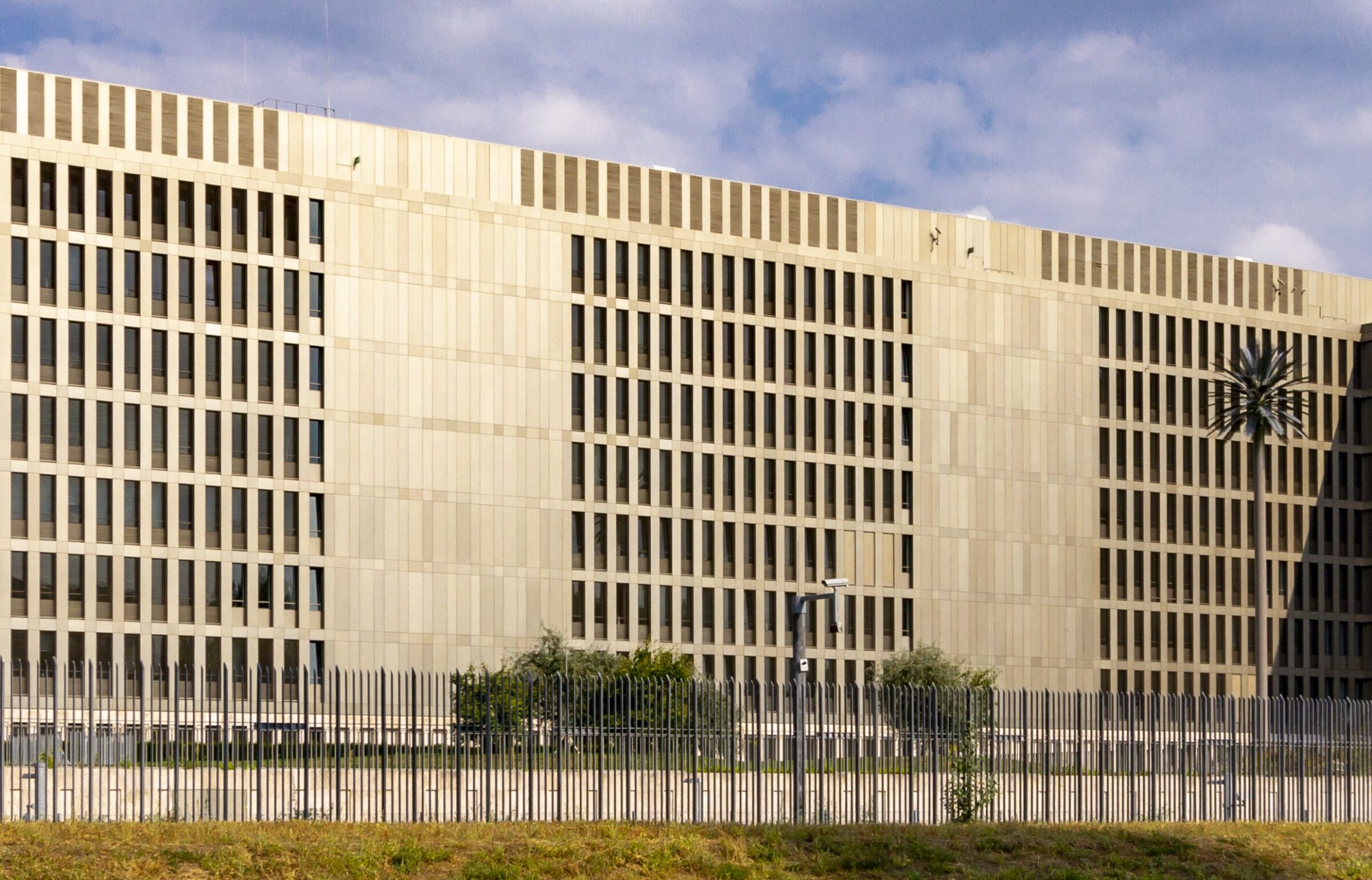
Germany’s spies, long mocked as passive note‑takers, are suddenly being groomed for a far more dangerous role – one that even some of their political backers now fear has “overshot the mark”.
With fake videos posing as BBC, ARD, or major German newspapers flooding X, TikTok, and Bluesky, millions of German voters risk making decisions in September based on AI-generated lies targeting Kremlin-critical candidates.
With the far right poised to govern parts of Germany for the first time since WWII, Boeselager warns that only bold economic fixes and fairer pension sacrifices can convince frustrated workers that democracy still delivers.
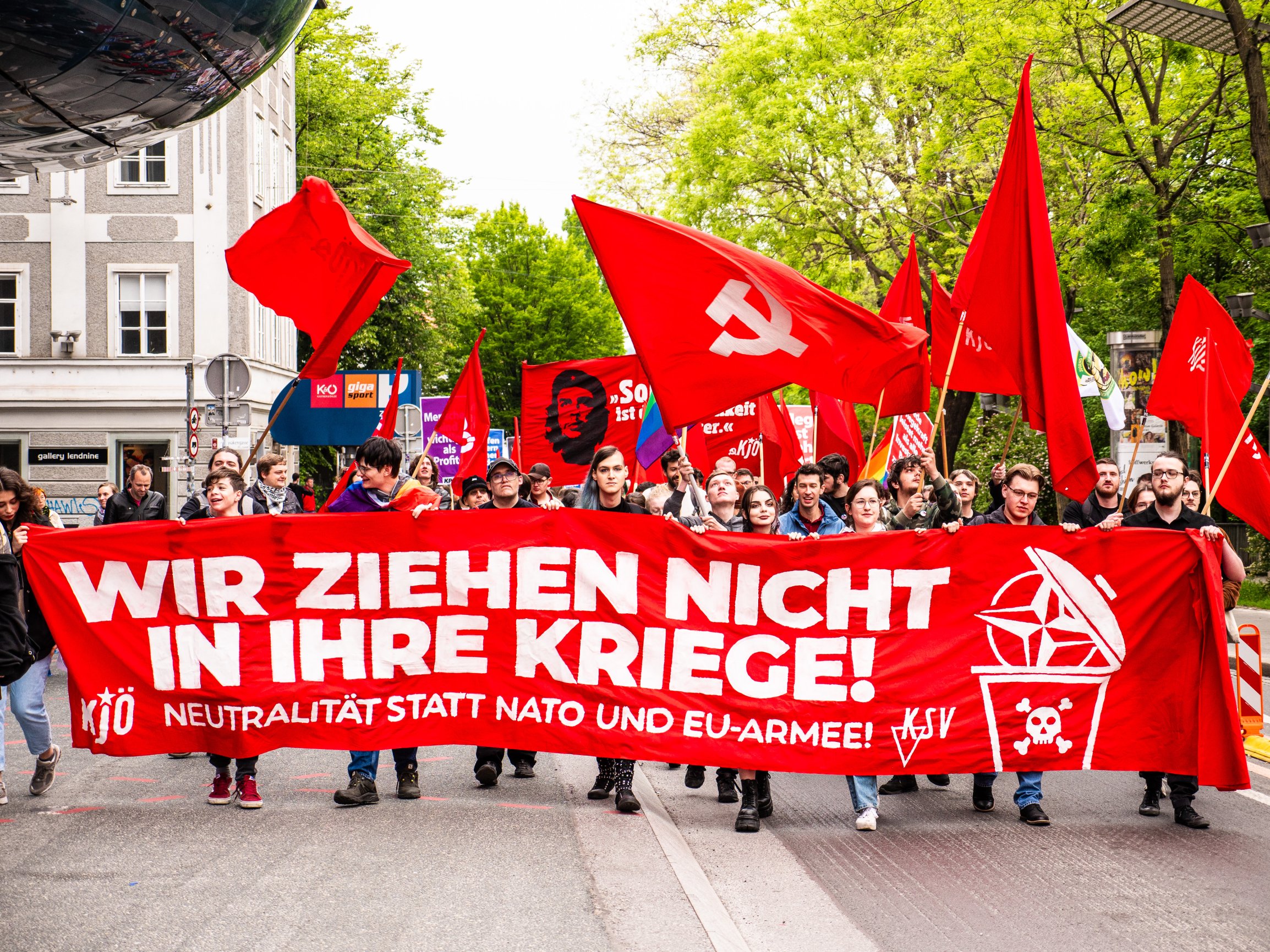
Behind the friendly “pizza comunista” and open-door consultations lies a party that still hails Marx, Engels and Lenin and wants Austria out of the EU, raising awkward questions for voters who back its housing fixes but ignore its revolutionary long game.
Austrian expert on Russian hybrid warfare Pichler warns that Austria’s cult‑like neutrality and apathetic middle class have turned the country into a playground for Kremlin spin.
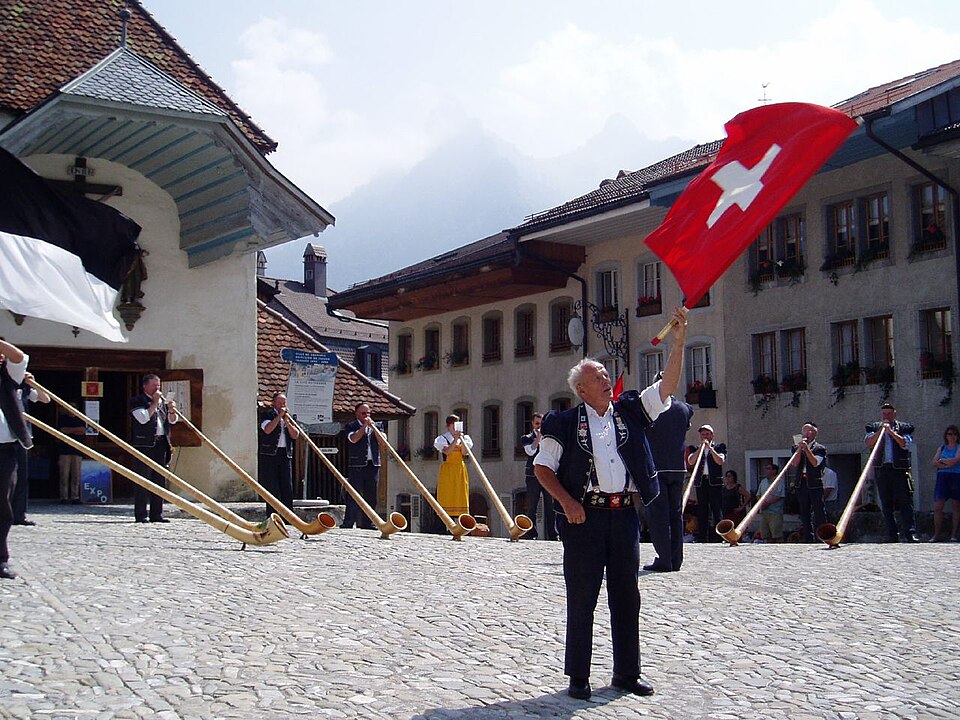
In Alpine villages with hardly any foreigners, red campaign flags and talk of “overcrowding” reveal how a distant 10‑million threshold has morphed into a national debate over house prices, cowbells and who still feels at home.
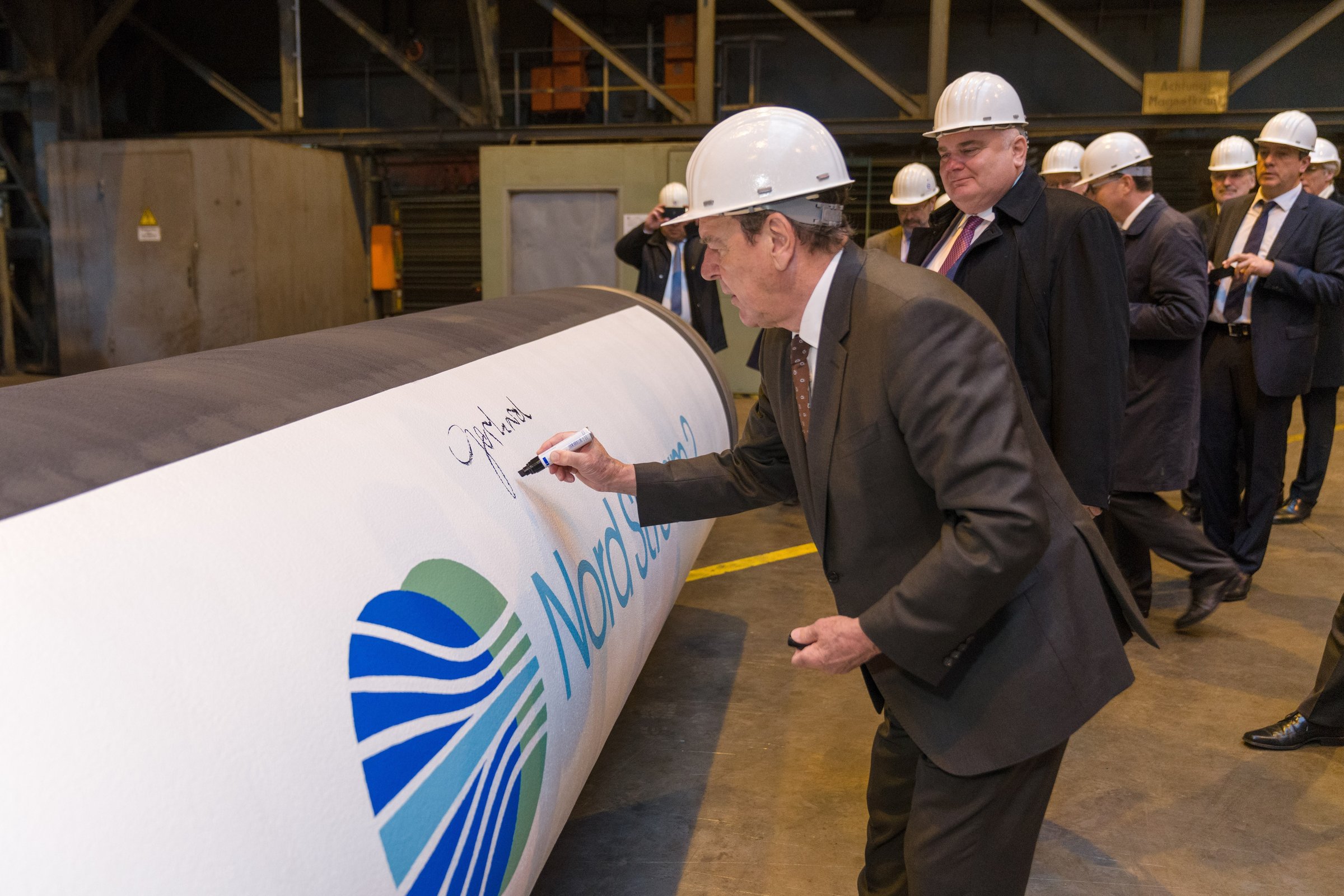
Former German Chancellor Gerhard Schröder has sparked controversy after Vladimir Putin suggested he could help negotiate an end to the war in Ukraine. Is Schröder a legitimate bridge to peace, or the ultimate Trojan horse in Russia’s hybrid war?
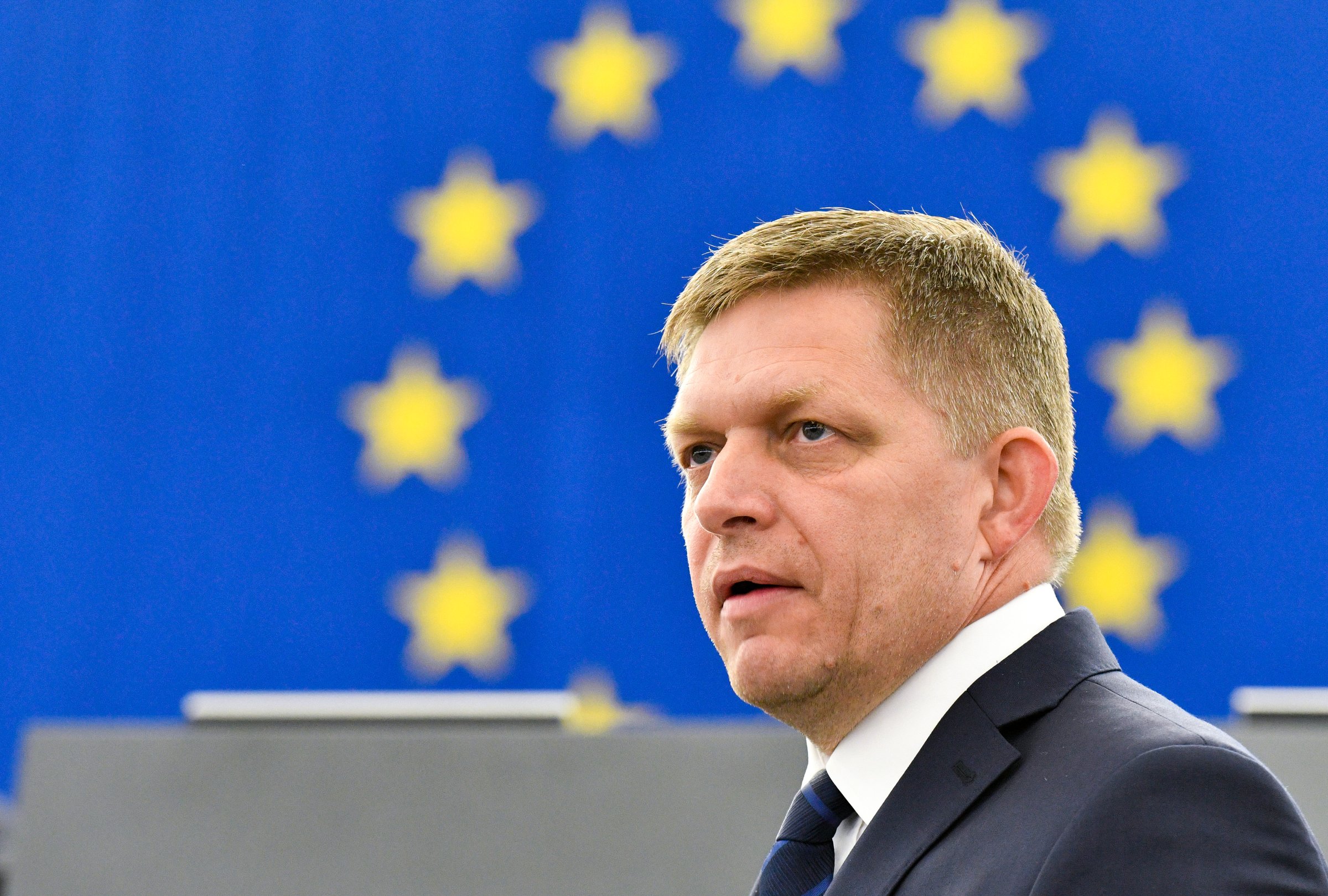
MEPs had been criticising Robert Fico’s government for abolishing the National Criminal Agency and the Special Prosecutor’s Office, and most recently attempts to the same for the Office for the Protection of Whistleblowers.
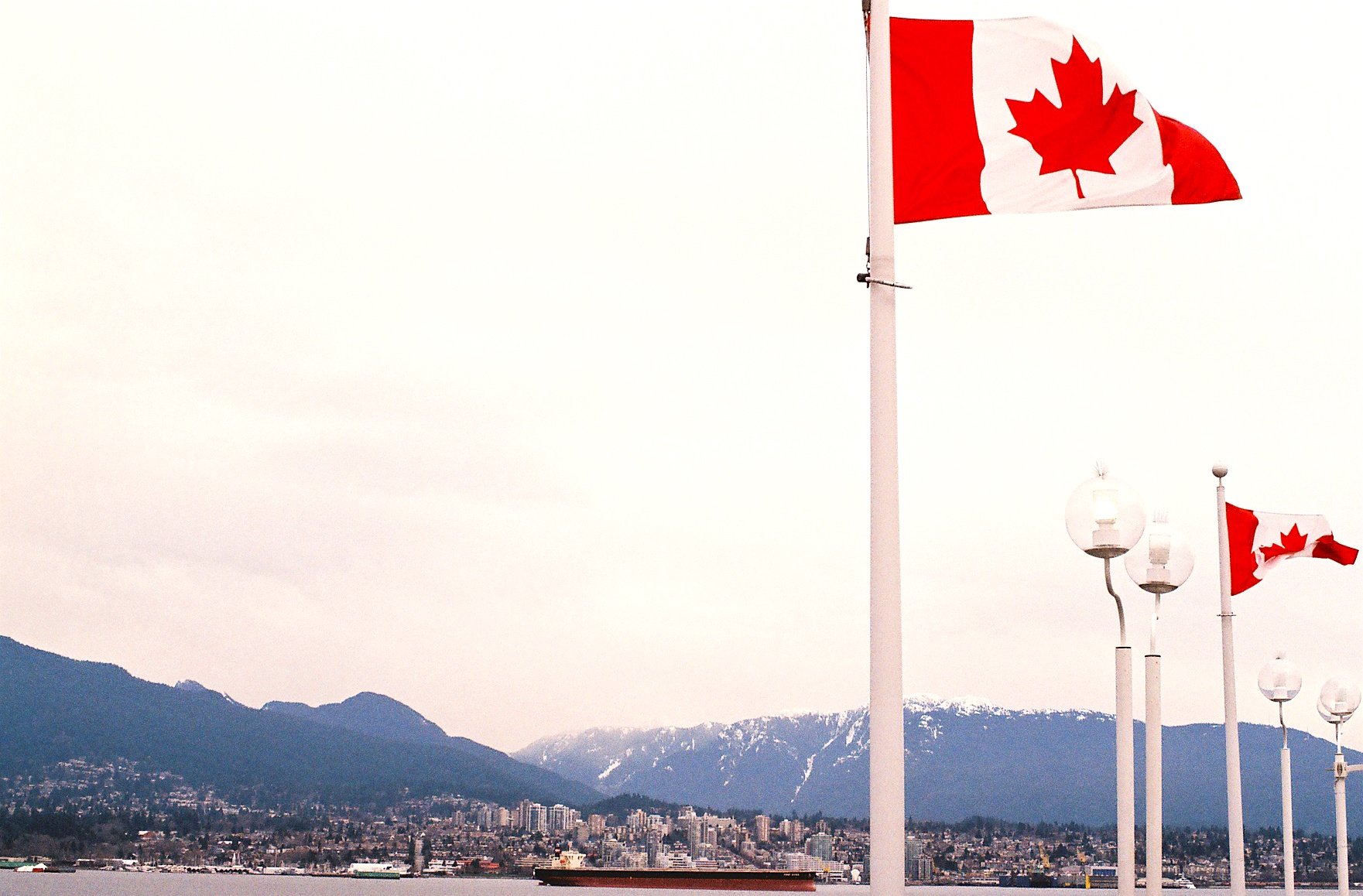
What used to be seen as a half-joking remark is becoming an increasingly serious topic of debate. The Finnish president Alexander Stubb considers Canada a country that could one day become part of the European Union. “I can imagine a much larger EU; whether Canada will be part of it is up to Canada to decide,” Stubb said in Toronto last week.
How realistic would such a move be?
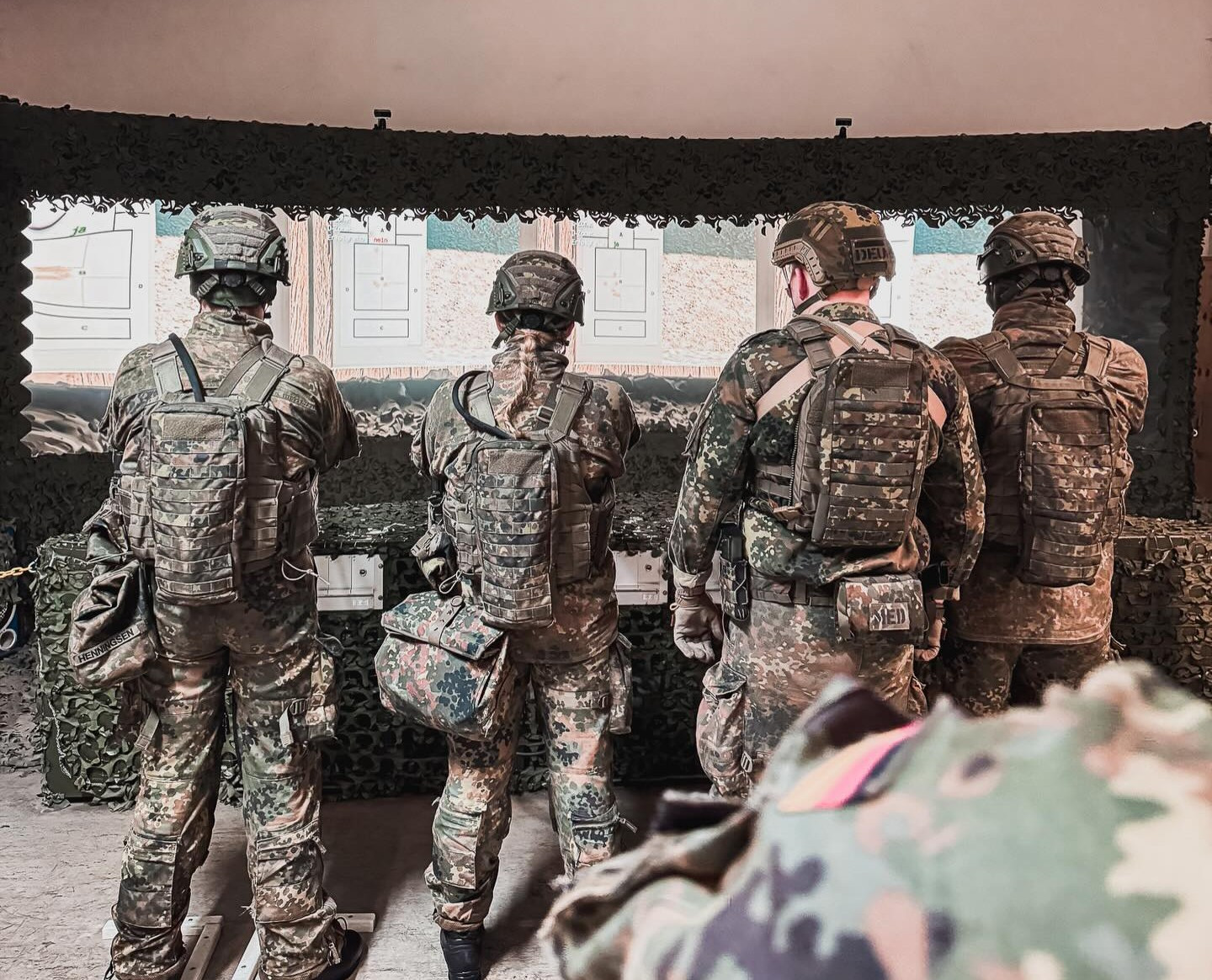
Germany reintroduced systematic military registration in January 2026. The controversial law mandates medical exams for young men and requires those aged 17–45 to seek permission for long-term stays abroad. Amidst public confusion and youth protests, the government is now working to amend the controversial travel approval process.
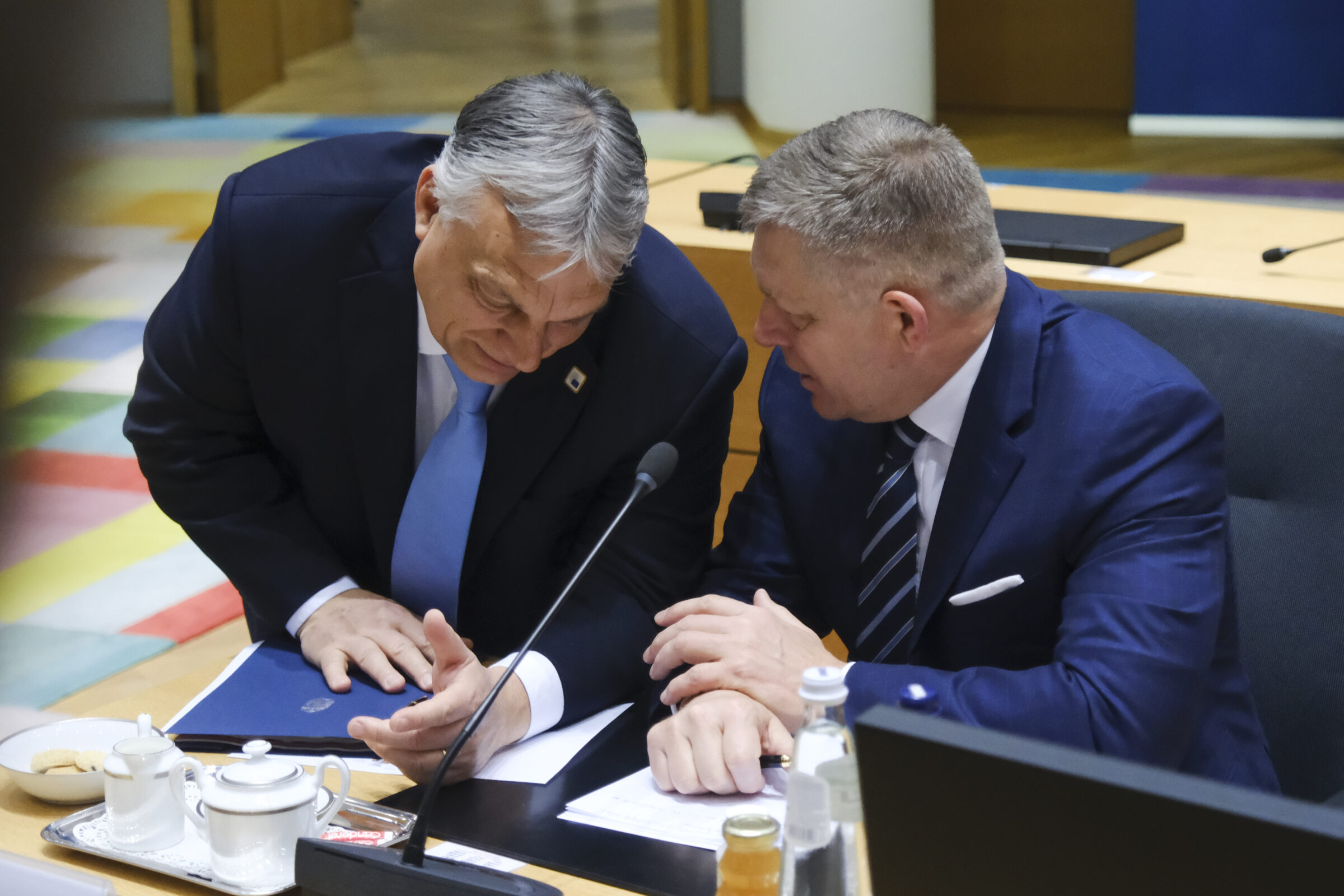
Hungarian foreign affairs minister Péter Szijjártó, in a conversation with his Russian counterpart Sergei Lavrov, said that Budapest and Bratislava would help Russians get off the EU sanctions list. Meanwhile, Turkish president Recep Tayyip Erdoğan also lobbied Robert Fico in a letter on behalf of a Russian oligarch.
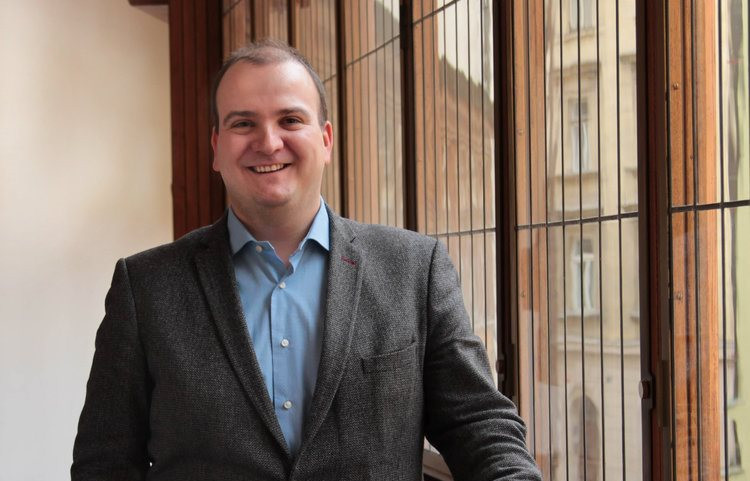
Michal Onderčo, a nuclear weapons expert from the University of Rotterdam who recently published the book Europe’s Nuclear Umbrella, warns that due to the threat from Russia and the US pivot away from Europe, the era in which European leaders did not have to worry about the issue of nuclear deterrence has ended.
The head of the EU delegation in Kyiv, Katarína Mathernová, says the Ukrainian capital is facing a winter humanitarian catastrophe, due to Russian attacks on the heating supplies.
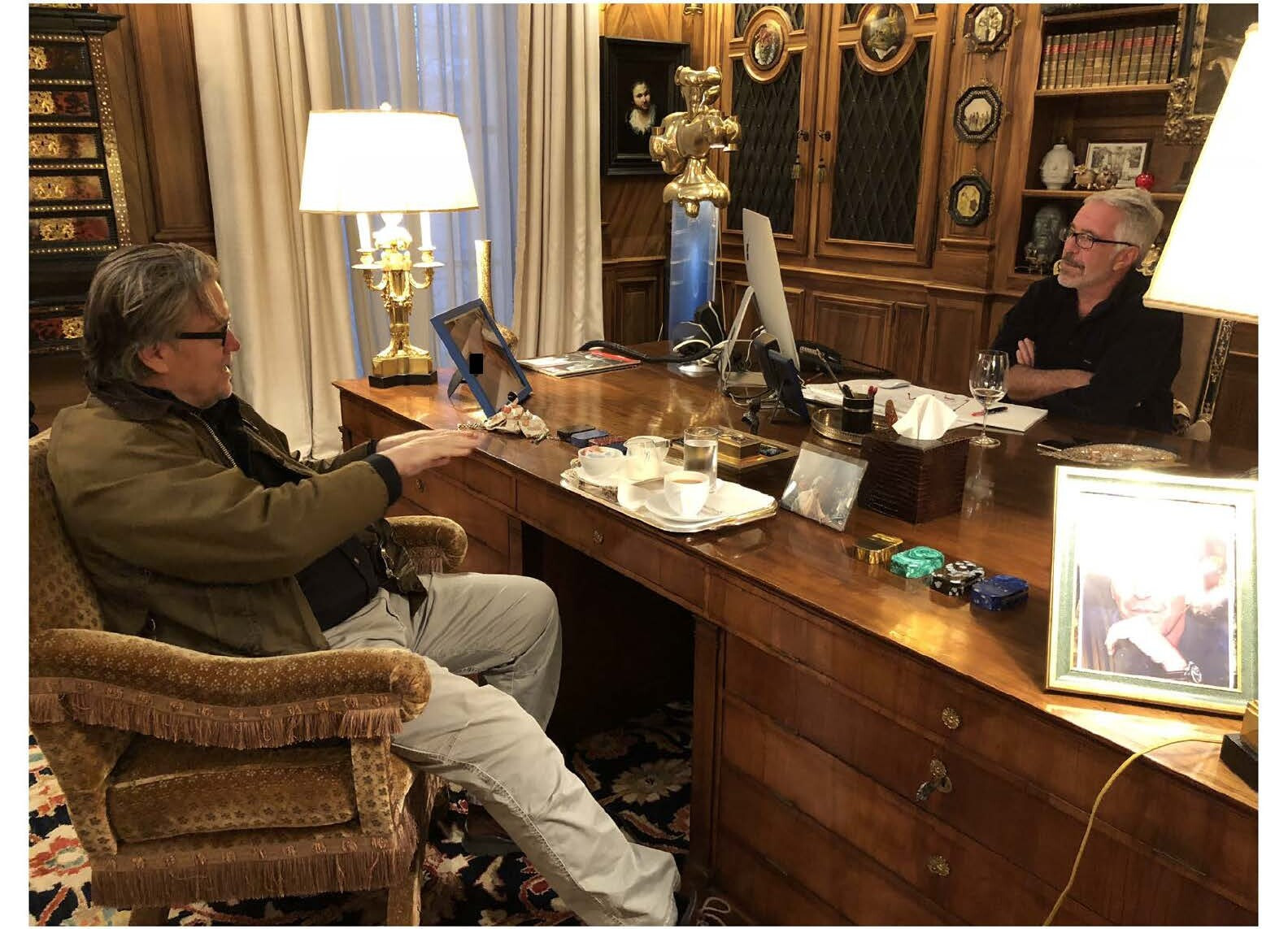
The Epstein files show not only how he abused women and girls while mixing with powerful people, but also how he tried to influence politics in Europe.
 Soňa Weissová