










< Dr. Hyun-Ho Kim >
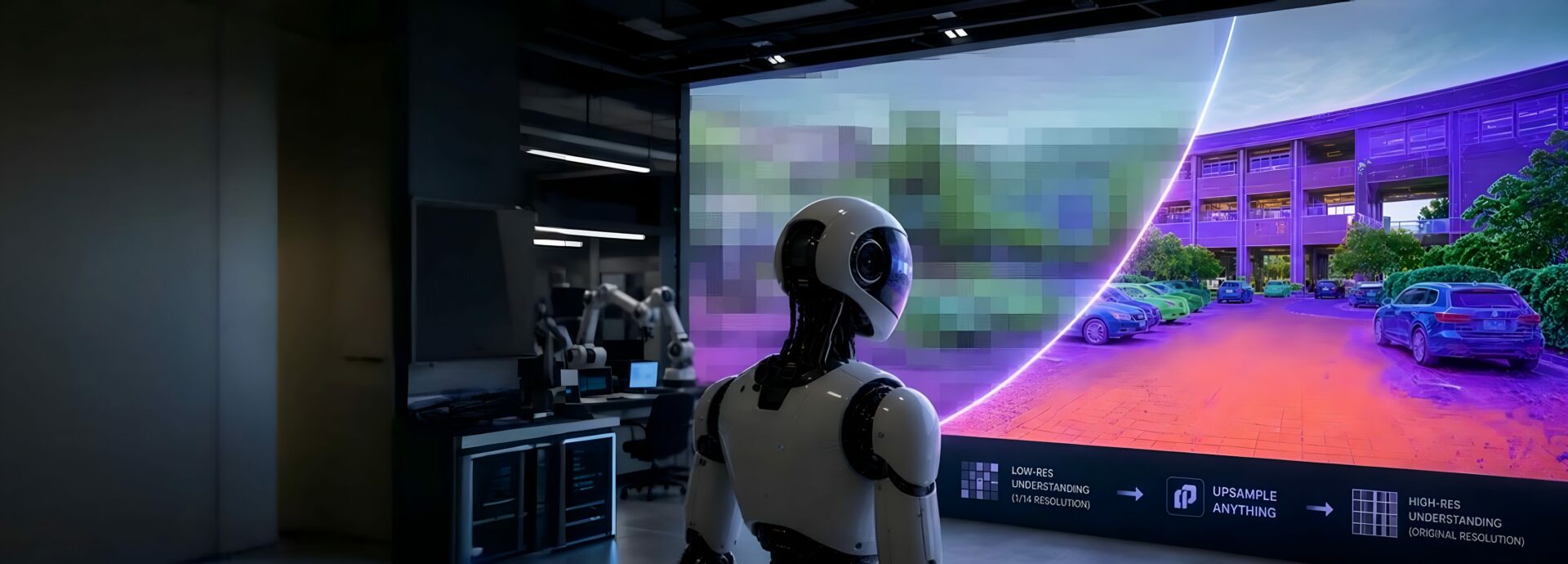
Dr. Hyun-Ho Kim, an alumnus of the Video and Image Computing (VIC) Lab in the KAIST School of Electrical Engineering (Advisor: Prof. Munchurl Kim), has been appointed as an Assistant Professor in the Department of Electronics Engineering at Chungnam National University, effective September 1, 2026.
Dr. Kim received his B.S. in Electronics and Radio Engineering from Kyung Hee University and his M.S. and Ph.D. degrees from the School of Electrical Engineering at KAIST under the supervision of Prof. Munchurl Kim.
Since December 2017, Dr. Kim has worked at the Korea Aerospace Research Institute (KARI), first as a researcher and later as a senior researcher, conducting research on image processing technologies for satellite image calibration and validation, quality enhancement, and applications. His research has focused particularly on deep learning-based PAN-sharpening, satellite image restoration and enhancement, compression artifact removal, and SAR-to-EO image translation.
He has published his research in leading international journals, including IEEE Transactions on Geoscience and Remote Sensing, IEEE Transactions on Image Processing, and IEEE Geoscience and Remote Sensing Letters. His work proposing a new learning approach for PAN-sharpening was also accepted at the European Conference on Computer Vision (ECCV 2026), demonstrating his active contributions to the fields of satellite imaging and computer vision.
At Chungnam National University, Dr. Kim will pursue research and education in deep learning, computer vision, image processing, and remote sensing. In particular, he plans to develop reliable AI-based image processing technologies that account for the characteristics of real-world satellite sensors and operational environments. Through this work, he aims to contribute to solving practical challenges in the space sector by improving the quality and utilization of satellite and remote sensing imagery.
We sincerely congratulate Dr. Kim on his faculty appointment and look forward to his future achievements.


Dr. Youngjoon Lee, an alumnus of the Advanced Radio Technology (ART) Lab in the KAIST School of Electrical Engineering (Advisor: Prof. Joonhyuk Kang), has been appointed as a tenure-track faculty member in the School of Software at Kwangwoon University, effective September 1, 2026.
Dr. Lee received his B.S. in Electrical and Electronic Engineering from UNIST and his M.S. in Electrical Engineering from KAIST. After completing his master’s degree, he worked as a researcher at government-funded research institutes. In particular, he addressed practical defense challenges as a researcher in the Military Capability Assessment Division of the Center for Military Analysis and Planning at the Korea Institute for Defense Analyses (KIDA). He then returned to KAIST to pursue his Ph.D., extending the research questions he encountered in practice through academic study. His doctoral dissertation, “Data-Free Early Stopping Framework for Practical Federated Learning,” investigates how to determine an appropriate stopping point for federated learning without relying on a separate validation dataset.
At KIDA, Dr. Lee contributed to research supporting military capability assessment and defense decision-making using analytical methodologies, including modeling and computer simulation. He also leveraged defense AI, data analytics, and wargaming simulations to support defense policy and force planning, while investigating reliable analytical methods suited to constrained defense environments.
At Kwangwoon University, Dr. Lee will pursue research and education in practical and privacy-preserving AI, with the broader goal of developing methods that can be applied effectively in real-world environments.
We sincerely congratulate Dr. Lee on his faculty appointment and look forward to his future achievements.


Dr. Gyoseung Lee, a graduate of the Intelligent Communication Systems Lab. (ICL) in the School of Electrical Engineering (Advisor: Prof. Junil Choi), has been appointed as an Assistant Professor in the Division of Semiconductor and Electronics Engineering at Hankuk University of Foreign Studies, effective September 1, 2026.
Dr. Gyoseung Lee received a Ph.D. degree from the School of Electrical Engineering at KAIST in February 2026. He then joined the C&M Standard Laboratory in the CTO division of LG Electronics Inc., where he worked on advanced 6G technologies related to integrated sensing and communication.
His main research focuses on the development of channel estimation and beamforming technologies for next-generation wireless communication systems. He has published numerous papers in top-tier journals such as IEEE Transactions on Wireless Communications and IEEE Transactions on Communications, and has received multiple best paper awards, demonstrating the excellence of his research.
Moving forward, he will continue his research on physical-layer technologies to improve the performance of next-generation wireless communication systems.


The Korean hacking team “0x4b52,” which included Professor Insu Yun of the School of Electrical Engineering as well as numerous KAIST students and alumni, finished second at DEF CON CTF 2026, held in Las Vegas, the United States, from August 7 to 9.
Comprising approximately 30 Korean hackers, 0x4b52 competed against world-class multinational teams to claim the runner-up position. This marks the best result achieved by an all-Korean team at DEF CON CTF since the Korean team “DEFK0R” won the competition in 2015.
Of the 686 teams that participated in the qualifiers, only the top 12 advanced to the finals. After qualifying in fifth place, 0x4b52 climbed the rankings to finish second overall. The achievement is particularly significant because KAIST members from different generations, including undergraduate and graduate students as well as alumni, competed together as one team against the world’s leading hackers.
“I find it deeply meaningful that our students and alumni demonstrated their outstanding capabilities on a stage where the world’s most accomplished hackers compete,” said KAIST President Choongsik Bae. “This achievement is even more significant because it was accomplished through a joint effort by multiple generations of KAIST members, from undergraduate and graduate students to alumni.”
President Bae added, “In the era of AI, a strong foundation and domain expertise are more important than ever. KAIST will actively support students in challenging themselves in areas of interest from the undergraduate level, building expertise through hands-on experience and research, and growing into global talents who can take the lead in leveraging AI and forge new paths.”
DEF CON CTF is a flagship event of DEF CON, one of the world’s largest hacker conferences. It is an international hacking competition in which elite hackers from around the globe test their capabilities in system security and hacking. This year’s finals were held as one of the main events of DEF CON 34 in Las Vegas. The multinational team “Blue Water” won the championship, while the Korean team 0x4b52 finished second.
Capture The Flag (CTF) is a type of hacking competition in which teams earn points by analyzing vulnerabilities in given systems and software and conducting offensive and defensive operations. Participants must analyze systems and software, identify vulnerabilities, and compete against opposing teams within a limited time. The competition therefore requires advanced technical expertise as well as close teamwork and strategic judgment.
This year’s qualifiers featured challenges across a wide range of information security fields, including binary exploitation, reverse engineering, cryptography, and web exploitation.
0x4b52 is a Korean team formed primarily by members of the hacking team from Korea, HypeBoy, and Professor Insu Yun’s laboratory at KAIST. Approximately one-third of the team’s roughly 30 members are currently affiliated with or previously worked in Professor Yun’s Hacking Lab.
Numerous other KAIST students and alumni also participated. Many began exploring system hacking and security research as undergraduates, including through the information security club “GoN.” They further developed their expertise through coursework, research, and other opportunities in the School of Electrical Engineering, the School of Computing, and the Graduate School of Information Security. Undergraduate and master’s and doctoral students competed on the same team alongside alumni now working in industry and research institutions, bringing together different generations of KAIST hackers.
Professor Yun’s research team, one of the central groups within 0x4b52, also reached the top of a major global cybersecurity competition in Las Vegas last year. Together with researchers from Samsung Research, POSTECH, and the Georgia Institute of Technology, Professor Yun’s team formed “Team Atlanta” and participated in the AI Cyber Challenge (AIxCC), organized by the U.S. Defense Advanced Research Projects Agency (DARPA). The team won the final round held at DEF CON 33 in August 2025.
AIxCC is a competition focused on technologies that use artificial intelligence to automatically detect and repair software vulnerabilities. Team Atlanta received a prize of USD 4 million for winning the finals. At this year’s DEF CON CTF, Professor Yun’s research team competed alongside KAIST students and alumni against some of the world’s leading teams in system security. This follows the team’s victory last year in a global competition for AI-powered autonomous cyber defense technology, marking back-to-back achievements on the international stage.
The achievement also highlights KAIST’s approach to developing information security talent—giving students hands-on hacking experience as undergraduates, supporting them as they pursue specialized security research in graduate school, and helping them build professional expertise after graduation.
At KAIST, undergraduate students gain hands-on experience analyzing real-world systems and identifying vulnerabilities through coursework and student clubs. At the graduate level, students pursue specialized system security research in areas such as software vulnerability analysis, program analysis, and automated vulnerability detection. Meanwhile, KAIST is expanding its education and research capacity in information security by training master’s- and doctoral-level specialists and participating in the government-supported Information Security Specialized University Program.
“This achievement reflects the collective effort of students who have learned from one another, gained hands-on experience, and grown together over many years,” said Professor Insu Yun. “I also became deeply involved in information security through GoN as an undergraduate at KAIST. That makes it particularly meaningful to see students and alumni from different generations come together, compete as a team against some of the world’s best hackers, and achieve this result.”


Dr. Woojun Kim, who completed his doctoral research under the supervision of Professor Youngchul Sung in our department, will join the Department of Industrial and Systems Engineering at KAIST as an Assistant Professor, effective August 2026. Dr. Kim earned both his M.S. and Ph.D. degrees from the School of Electrical Engineering at KAIST and subsequently served as a Postdoctoral Researcher at Carnegie Mellon University’s Robotics Institute, where he conducted research on multi-agent systems, reinforcement learning, and robotics.
Dr. Kim’s research focuses on developing learning methodologies that enable multiple intelligent agents and robots to collaborate and make effective decisions in real-world environments, with an emphasis on scalability, robustness, safety, and fairness. He has published his work in top-tier artificial intelligence conferences, including NeurIPS, ICML, ICLR, and AAMAS, as well as leading robotics venues such as ICRA and CoRL. His research excellence has been recognized with a NeurIPS Spotlight paper, the AAMAS Best Paper Award Finalist, the ICRA Best Conference Paper Finalist and Best Multi-Robot Systems Paper Finalist, and the Best Paper Award at the RSS 2025 GenAI-HRI Workshop.
In his new position at KAIST, Dr. Kim will continue to advance his research on intelligent agent and robotic collaboration powered by multi-agent systems and reinforcement learning. We wish him great success in his research and teaching endeavors.

Professor Hyun Myung’s research team (Urban Robotics Lab) from our department secured second place in the NaviTrace Challenge, held during the Open-World Navigation (OWN) Workshop at RSS 2026 (Robotics: Science and Systems) in Sydney, Australia, from July 13 to 17. The international competition evaluated an AI’s ability to infer navigation paths on a given image based solely on a single first-person perspective photograph and a brief natural language instruction.

Commanding a robot to “cross the street” provides no explicit information about finding a crosswalk or waiting for a signal; the robot must independently decipher these implicit social norms from the scene before it. However, assigning goal identification, hazard assessment, and path generation to a single AI model leads to task interference and degraded performance. To address this, the research team developed PRISM-Nav, which divides the process among four specialized agents. Three agents simultaneously identify target points, hazardous elements such as stairs or curbs, and socially relevant structures like crosswalks or sidewalks, while a final agent synthesizes their outputs to generate the path. Crucially, the agents communicate by drawing symbols directly onto the input photograph rather than exchanging text or coordinates, significantly reducing spatial information loss—much like marking a location on a map instead of describing it verbally. Because it requires no additional training, PRISM-Nav can be immediately deployed to new robots or environments.

The team scored 53 points, placing second behind the joint team from Nanjing University and FiveAges. A key highlight of the achievement was the economic efficiency of the underlying AI models. While the top-performing general-purpose model provided as a reference by the organizers (Gemini 3.1 Pro Preview) carries high operational costs that make continuous deployment on real robots difficult, the team achieved performance surpassing that benchmark using a far more affordable lightweight model (Gemini 3 Flash). This demonstrates that deploying multiple low-cost agents offers a clear advantage in both cost and performance over relying on a single expensive model.

Professor Myung noted, “This result proves that large AI models can be effectively utilized for real-world decision-making in robotics without requiring additional training data. It will serve as a foundational technology for service robots, such as delivery and guide robots, that share physical spaces with humans.”
Meanwhile, Professor Myung’s research group previously secured first place in international challenges at the ICRA 2026 and CVPR 2026 workshops last June. The laboratory continues to expand its expertise in spatial perception toward the field of Embodied AI.


AI semiconductors are becoming more programmable. KAIST researchers have developed a device whose response characteristics can be programmed to process data changing at different speeds. The technology reduced prediction errors for time-varying data by up to 40-fold and is expected to enhance real-time AI performance in autonomous vehicles, robots, and wearable devices.
A research team led by Chair Professor Shinhyun Choi from the School of Electrical Engineering and the Graduate School of Semiconductor Technology has developed a programmable dynamic memtransistor (PDM), a semiconductor device whose time-response characteristics can be adjusted to multiple states and retained, as well as an integrated array based on the device.
A memtransistor is a next-generation semiconductor device that combines the information-storage function of memory with the computing function of a transistor. In the developed PDM, the ability to process data while retaining previous information allows its response characteristics to be adjusted and retained for incoming data.

Today’s computers and smartphones require complex software processing to analyze data that changes over time, resulting in large computational loads and high power consumption. To address this, researchers have been studying technologies that allow semiconductor hardware itself to process data directly. However, conventional devices have had fixed response speeds that cannot be changed once the device is fabricated.
The research team overcame this limitation by introducing a dual-layer structure inside the transistor, combining a charge storage layer that accumulates and processes data with an electron trapping layer that controls the response speed in a nonvolatile manner.
In the PDM developed by the research team, incoming data is processed in the charge storage layer, while the electron trapping layer controls, across multiple levels, the recovery speed at which the semiconductor returns to its original state. In experiments, the team succeeded in tuning the current recovery time over an approximately 5-fold range and the characteristic frequency over a range of more than 10-fold.
In particular, in experiments involving the prediction of data in which fast and slow changes are intricately mixed, the PDM reduced prediction errors by as much as 40 times compared with conventional fixed-response semiconductor devices. The PDM enables accurate information processing even when handwriting or object-movement speeds vary, by using response characteristics configured to match different input timescales. Once the response characteristics are set, the device remembers them without requiring a continuous external power supply, and it does not require complex preprocessing of input data. Because it is fully compatible with materials used in widely adopted commercial semiconductor processes, it is also highly advantageous for mass production and commercialization.

The research team fabricated a PDM array and used it to predict complex data, confirming that it achieved accuracy comparable to conventional software-based systems while consuming far less energy.
“This study demonstrates an AI semiconductor whose response characteristics can be programmed to efficiently process data changing at different speeds,” said Chair Professor Choi. “We expect it to become a core technology that improves the performance of AI devices such as autonomous vehicles, robots, and wearables while reducing their power consumption.”
This research was led by KAIST Graduate School of Semiconductor Technology Ph.D. candidate Dae-won Kim as the first author, with Yoonho Cho, Seokho Seo, Yujin Kim, See-On Park, Taehwan Jang, and Chaebin Park participating as co-authors. Young Taek Oh and Fellow Jae-Duk Lee of Samsung Electronics’ Semiconductor R&D Center also participated as co-authors, and Chair Professor Shinhyun Choi served as the corresponding author. The research was published in July in the internationally renowned journal Nature Communications on July 4.
- Paper title: Programmable memtransistor array with temporal dynamics modulation for efficient time-series data processing
- DOI: https://doi.org/10.1038/s41467-026-75211-5
This research was supported by the National R&D Program through the National Research Foundation of Korea funded by the Ministry of Science and ICT, the ETRI R&D Support Program of the Institute of Information & Communications Technology Planning & Evaluation, the HRD Program for Industrial Innovation of the Korea Institute for Advancement of Technology funded by the Ministry of Trade, Industry and Energy, Samsung Electronics, and others.


Professor Chang D. Yoo’s research team at the School of Electrical Engineering, KAIST, has been selected for the AX Entrepreneurial Talent Development Center, a national AI and Digital Startup Talent Development Program supported by the Ministry of Science and ICT (MSIT) and the Institute of Information & Communications Technology Planning & Evaluation (IITP). In conjunction with the project, KAIST has officially launched the AX DeepTech Bridge Center, a new platform designed to accelerate AI-driven deep technology innovation and entrepreneurship. Led by KAIST in collaboration with POSTECH, Seoul National University Bundang Hospital, and Jeonbuk National University, the program will be conducted over a period of five and a half years, from July 2026 through December 2031.
As Artificial Intelligence expands beyond digital services into every sector of society, the era of AI Transformation (AX) demands a new generation of innovators who can combine frontier AI technologies with deep domain expertise to solve real-world challenges. While significant advances have been made in AI research, existing educational and innovation ecosystems often separate research, technology transfer, and entrepreneurship, limiting the creation of globally competitive DeepTech startups.
To address this challenge, the research team has established the AX DeepTech Bridge Center, built upon the KAIST AI Hub, to integrate cutting-edge AI algorithms, foundation models, and computing technologies with domain expertise spanning semiconductors, energy systems, healthcare, sensors, and other strategic industries. Rather than focusing solely on research excellence, the Center provides a comprehensive innovation pipeline that connects education, collaborative research, technology validation, intellectual property, technology transfer, startup incubation, and venture investment into a unified ecosystem.
The AX DeepTech Bridge Center is founded on the principle of “AI Hub × Domain Expertise × Entrepreneurship.” By bringing together world-class AI researchers and leading domain experts, the Center will cultivate entrepreneurial graduate students capable of translating scientific breakthroughs into globally competitive DeepTech ventures. Leveraging KAIST’s AI Hub, Software Education Center, Office of Technology Commercialization, and Hwasung Science Hub, the initiative establishes one of Korea’s first fully integrated ecosystems that supports the entire journey from advanced AI research to commercialization and startup creation.
Through the AX Entrepreneurial Talent Development Center and the launch of the AX DeepTech Bridge Center, KAIST aims not only to nurture the next generation of AI entrepreneurs but also to establish a new model for AI-driven innovation that bridges fundamental research, industrial transformation, and technology entrepreneurship. The initiative is expected to play a pivotal role in strengthening Korea’s global competitiveness in DeepTech innovation while accelerating AI transformation across strategic industries.