by Rani Balakrishna
Church-state separation is a crucial cornerstone of our society here in the Commonwealth of Massachusetts. When one pushes the limits of forced religion within government, or chooses to support or promote a religion with public taxpayer funding, the very foundation of church-state separation is threatened. Not only is church-state separation a core part of the American Constitution, but it is equally as critical in every state, as religious extremists who would undermine this protection know no state borders.
In order to maintain proper church-state separation, communities must remain aware of their rights and the potential for threats to inclusive religious freedom, including Christian Nationalism. States such as Massachusetts might be regarded as ‘safe bets’ for protecting church-state separation, but the reality is that we see local threats even here, and our constitutional rights around the country are at risk unless we remain vigilant everywhere.
Why religious freedom matters to me
As a resident of progressive Brookline, Mass., I have seen how religious freedom can make a community thrive. When my grandparents immigrated to Albany, New York, they were in an unfamiliar place, so they turned to their faith as a source of strength and community. They founded their local Hindu temple, which still thrives today and helps hundreds of other immigrant families feel welcome. Without church-state separation, my family and so many others would not have had the outlet and ability to follow their American dream.
Immigrant families and church-state separation are forever woven into the fabric of this country, and for good reason. Many liberties – reproductive rights, LGBTQ+ rights, religious rights – depend on church-state separation, at the federal, state, and local levels. Without church-state separation, these liberties would come tumbling down.
Un-American religious statues in Quincy
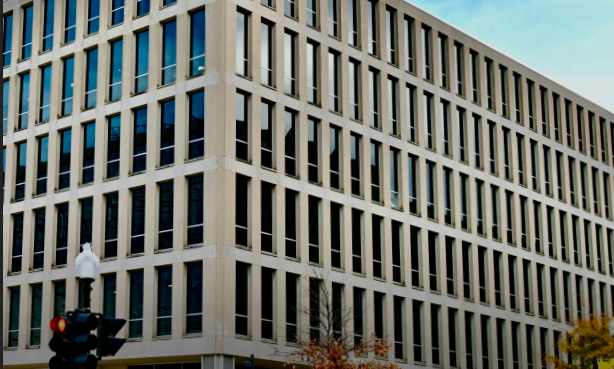
We have seen a recent local threat to church-state separation in Quincy, Mass., through the brazen attempt by Mayor Tom Koch to install religious statues with public, taxpayer funds. Koch planned to install two bronze statues of Catholic saints outside the new public safety headquarters in Quincy at a cost of $850,000, until public criticism and legal action by AU and allies prevented this action. There is immense irony in city officials in the birthplace of John Quincy Adams rebuking the very American values that he helped instill in our young nation.
Article 3 of the Massachusetts Declaration of Rights proclaims that “all religious sects and denominations . . . shall be equally under the protection of the law; and no subordination of any one sect or denomination to another shall ever be established by law.” Koch’s attempt at religious interference is a prime example of why public money should not favor one religion over another. When public money is spent to favor one religion, it sends the message that other religions are disfavored by the government. The statues in Quincy are just one example of the many attacks on church-state separation happening across the country.
Without the organizing, legal action, and strong advocacy for church-state separation over the past year, Koch’s attempt to blur the line between religious freedom for all and using public money for one specific religion would have succeeded and never ended up in the limelight. (AU and allies recently celebrated a victory in this case when the Massachusetts Supreme Judicial Court unanimously upheld a preliminary injunction blocking installation of the statues.)
Remaining vigilant against Christian Nationalism in every city
In today’s digital age, news can travel fast, but it takes local citizens and advocacy groups working together to identify issues and bring them to light. The awareness and vigilance of groups such as Americans United and the ACLU to identify, understand, and challenge attacks on religious freedom like the one we saw in Quincy are crucial to this advocacy being successful.
As civic education declines, no matter what state, municipality, or community you are in, knowing your rights and paying attention to what’s happening in your community are the first steps to strong advocacy and church-state separation. You can learn more about opportunities to get involved with AU here.
Rani Balakrishna is a member of Americans United’s Youth Organizing Fellowship program. The views expressed here are her own and do not necessarily represent the views of Americans United. You can learn more about Rani’s involvement with the YOF program in this Q&A from the May 2026 issue of AU’s Church & State magazine.
Photo: AU Youth Organizing Fellow Rani Balakrishna (center) hosting a discussion with members of the Brookline Interfaith Clergy Association in Massachusetts.