
I’ve been having some technical troubles with scheduling these posts, so sorry that it’s been a little disjointed. Hopefully I’ll fix it before next week!
I hope you’re enjoying the rainy Saturday. A perfect time to tell you about this tiny and quiet little book, Cold Enough for Snow. This one was for my local bookshop’s book club, which picks very slim and often lesser known novels to read.
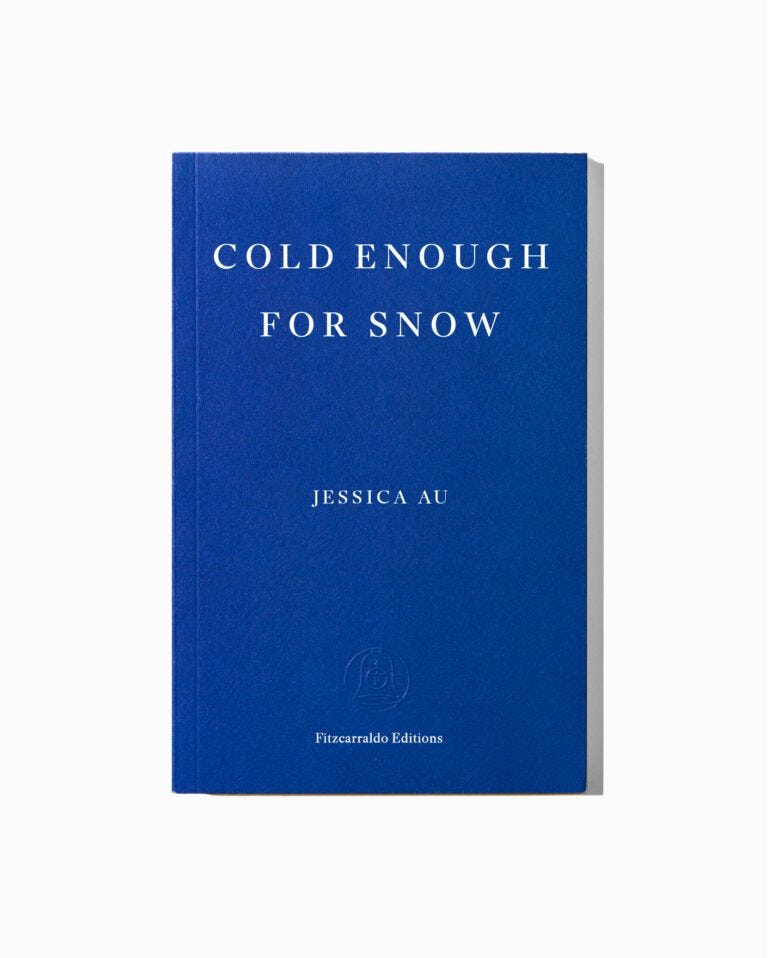
An unnamed woman narrates as she and her unnamed mother travel together through Japan. The scenes are very focused on the physical materiality of their surroundings, as they journey through the tourist plans that the narrator has organized for the trip. It seems like she has planned it all for her mother’s benefit, but her mother does not have a lot of enthusiasm for anything and seems to be humoring her daughter through the entire trip.
As they travel through Tokyo, the narrator gets lost in thoughts of her past and her family. I really liked the way that the narrative was able to shift out of the present moment and into the narrator’s description of her memories, none of which really seemed to line up to one cohesive story, but rather presented a snapshot of her life.
It’s interesting in such a small book that it’s able to explore so many different aspects of someone’s life, because all the disjointed memories do somehow all fit in together, maybe just because of the uniformity of the voice. Or because even though it doesn’t concretely all add up to something, it feels like it does. Because that’s how a life is, right?
I really loved the specific focus on the bowls that they ate out of, especially after they go to a museum exhibit that discusses the history of pottery. I enjoyed the theme as a whole, but specifically the way she interacts with her own childhood bowls differently than the same normal bowls in the house of her fancy and refined professor. The way that something’s environment or intention changes the way it is viewed.
There is one scene where there is some confusion and the hotel staff thinks the narrator is traveling alone, and there is the faintest suggestion that the mother isn’t there at all and it’s all in the narrator’s head. I really liked this nod towards the surreal, as it’s not addressed within the narration and everything is treated as completely within reality. But it adds another layer with which to interpret everything, on a more metaphorical scale or something. Idk, I liked it. And it’s one of those things that everyone can have a completely different reaction and interpretation of, which I think it’s designed to be.
This is such a small book that there’s not really much to expound on without making it seem overblown, although I will say that every scene, and every sentence felt extremely considered and well crafted. Everything seemed to connect together, though there were some far flung tangents, and I don’t really have anything negative to say. (Shocking for me??) Still, it didn’t quite grab me, I’m not sure why. I think it just wasn’t really my style. A good little book to read on a cold or rainy day, but not one I’m going to carry with me.
No posts
Comments
Nothing yet. Say the first thing.
Sign in to join the conversation.