
I spent most of 2017 and 2018 daydreaming.
I was in what my friend Kevin calls “an open source state” — that terrifyingly vulnerable space between all that was and all that could be.
Despite the pain and grief of those days, everything felt pregnant with potential. I had let go of a life and an identity that felt increasingly inauthentic, and finally, in my late 20s, I was letting myself dream, without shame, about what kind of life I really desired, and what kind of person I wanted to become.
After so many years of being told my dreams were unrealistic, I finally woke up.
During this time, with inspiration and curiosity at the helm, I became aware of the Bombay Beach Biennale — a renegade celebration of art, music, and philosophy on the desolate shores of the Salton Sea.
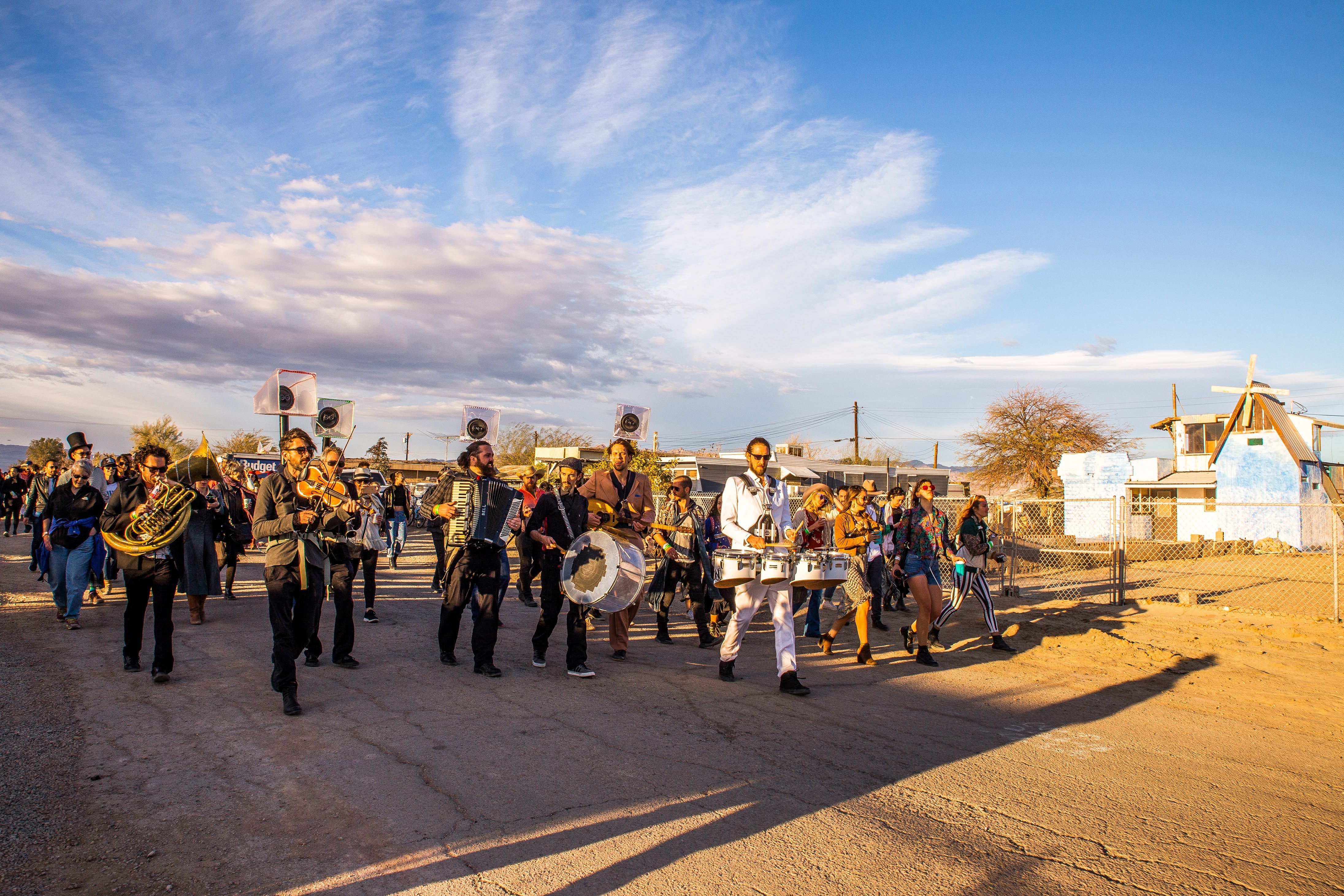
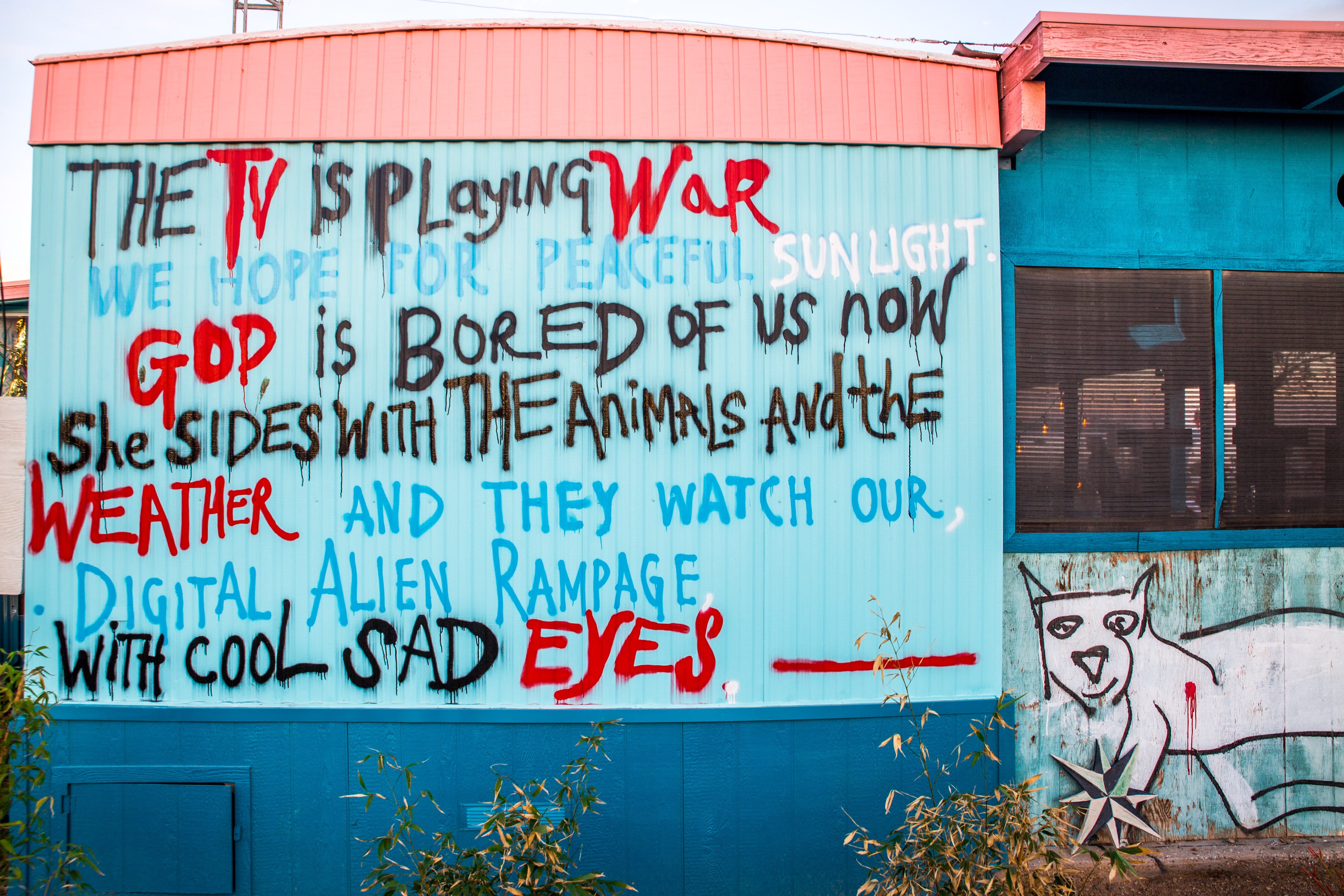
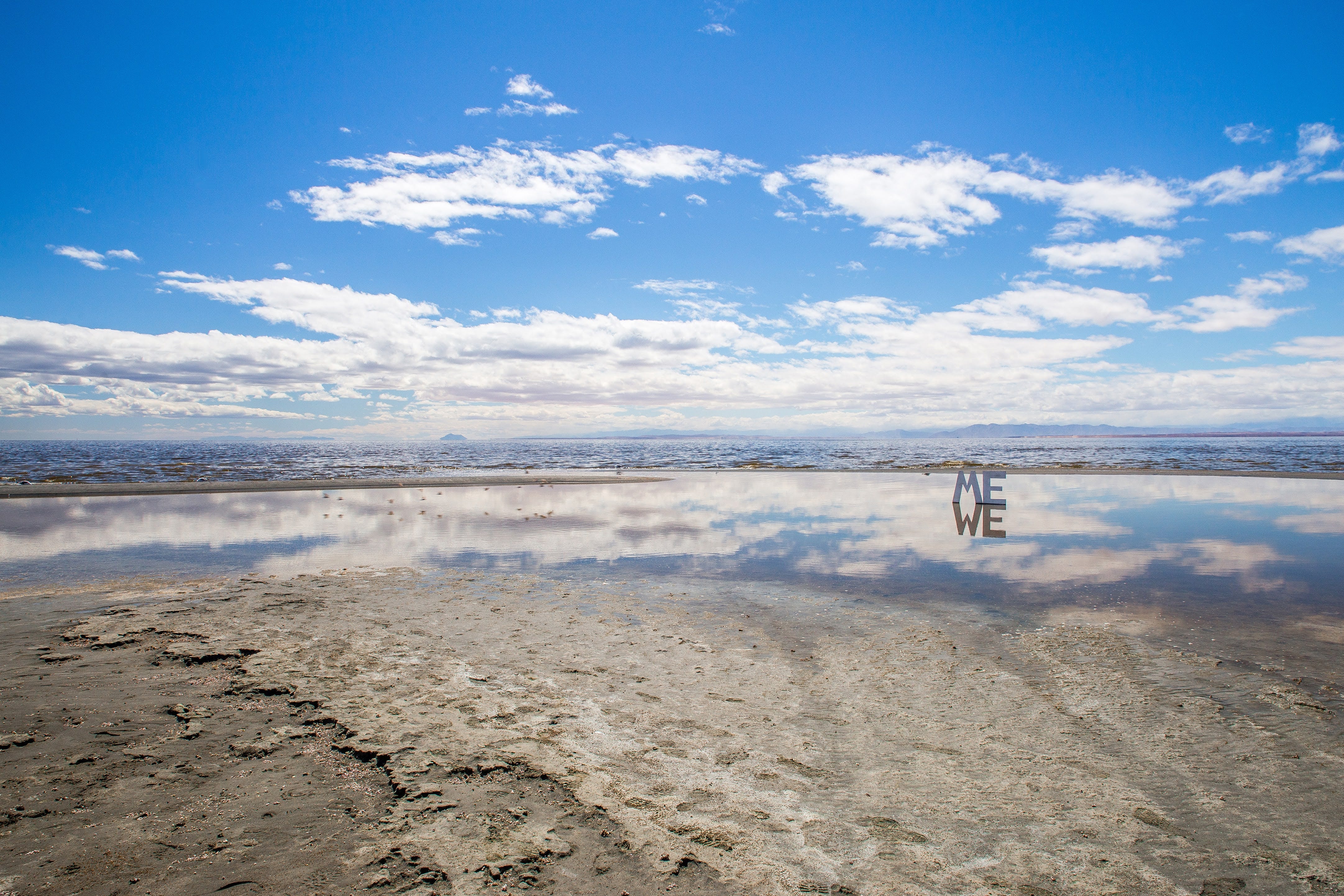
The Biennale seemed to offer an alternative, more sustainable version of Burning Man, which had always inspired me, but which felt at odds with some of my values.
At Burning Man, the art gets burned down or deconstructed. In Bombay Beach, the art stays. At Burning Man, despite being a “leave no trace” event, there isn’t really any long-term stake in protecting the land the event is held on. At Bombay Beach, many of the artists own land and property in town. At Burning Man, there is no local community to engage with, whereas Bombay Beach is home to part- and full-time residents that demand inclusion and engagement. Burning Man is more about the party that comes after the building and conspiring, whereas Bombay Beach is focused on the building and conspiring itself; the party is just a celebration of all the work that’s taken place before it. Burning Man always seemed like an experiment, whereas the Biennale took things a step further, vocalizing and embodying vulnerable questions about the nature of our reality that most people are too afraid to say out loud, such as…
“If we could recreate the world from scratch, what would it look like?”
“Why are we refusing to exit the cage of modernity and conventionality, even when the door is wide open?”
“If civilization crumbles around us, will we have a community to lean on for support?”
“Is it possible to construct communities, relationships and physical spaces that align with our philosophical beliefs?”
“If everything we think we control falls apart, will we still know who we are?”
During my first Biennale in 2018, I watched a run-down, poverty-stricken town that had been dismissed and marginalized by modern society transform into a revolutionary act of resistance, hope, creativity, and community.
Maybe it was possible.
Maybe there was hope in creating reality on our own terms.
Maybe we could make one small, tangible dent in the many delusions of our era.
The Biennale gave me permission to stop thinking small.
Two months after attending my first Biennale, I visited the San Luis Valley in southern Colorado.
At this point, I had my sights set on moving to Colorado, but for a long time, I couldn’t figure out where in the state I was meant to be. After many synchronistic twists and turns, I ended up in the unique town of Crestone, located at the end of a long road at the northern end of the San Luis Valley.
Initially, I saw Crestone as a place where I could create the life I wanted, but eventually I realized there was no need to create much of anything. The life I wanted to live was already here, and the people I wanted to create community with were already here too.
After moving to Crestone full time in late 2022, I decided to get involved in The Crestone Energy Fair, a 36-year-old event focused on sustainable and regenerative ways of building and living.
The Crestone Energy Fair is predominantly focused on building because Crestone is located in Saguache County, which is one of only a few counties in Colorado without building codes. Out of the 3,144 counties in North America, only a couple hundred of them have been able to resist conventional building codes.
Without building codes, the residents of Saguache County have had the freedom to experiment with alternative building modalities to a degree that is unprecedented in most other parts of the country. Many builders and architects move here in order to build what and how they want, and Crestone is home to one of the highest concentrations of alternatively built homes in the nation.
We have Earthships, strawbale homes, homes made with predominantly recycled materials, and homes built with cob, scoria bags, hempcrete, grain silos, adobe, train cars, and so much more.
Many of these homes not only feature alternative materials, but are also designed to be energy efficient, incorporating passive solar design, natural ventilation and closed-loop water systems.
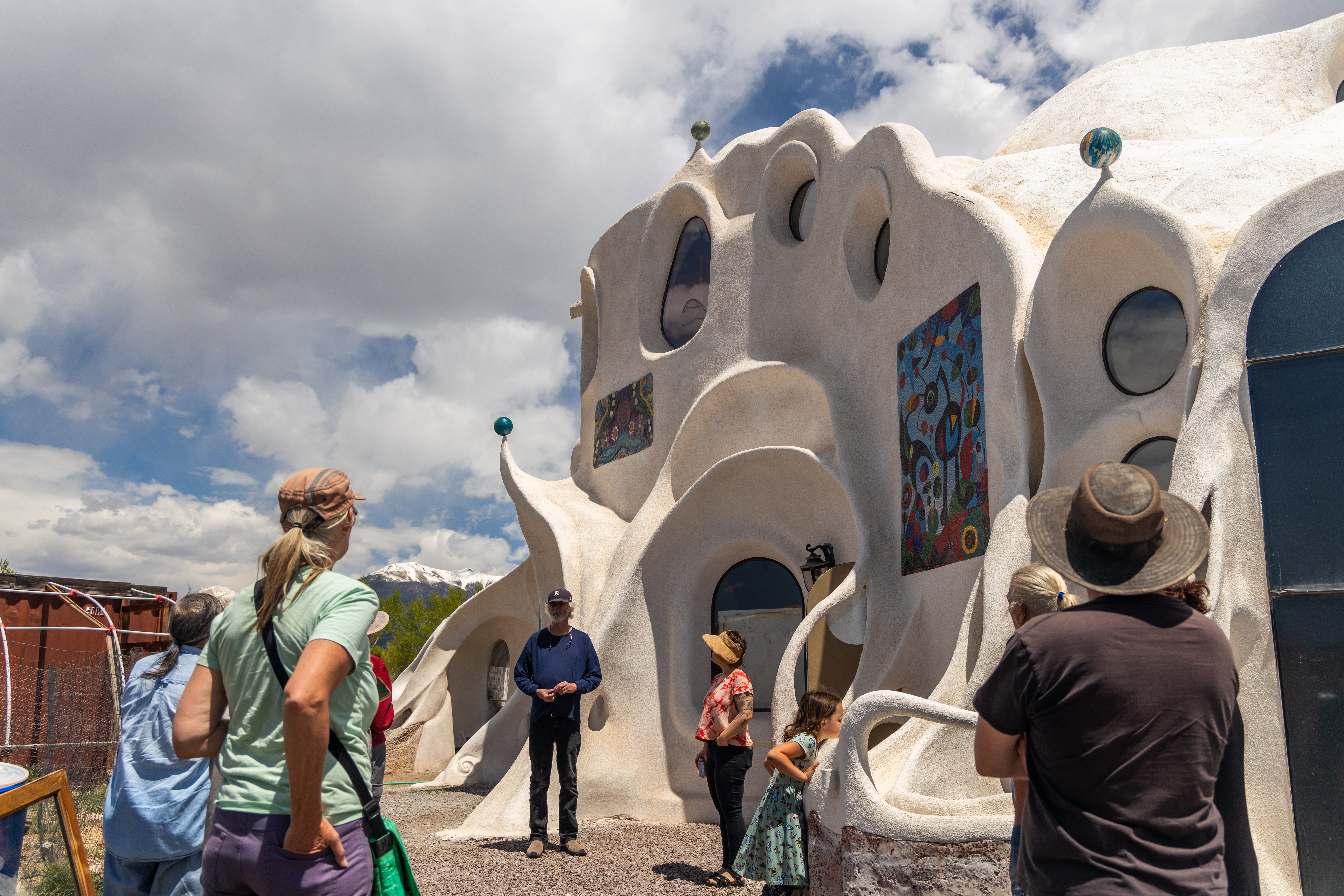
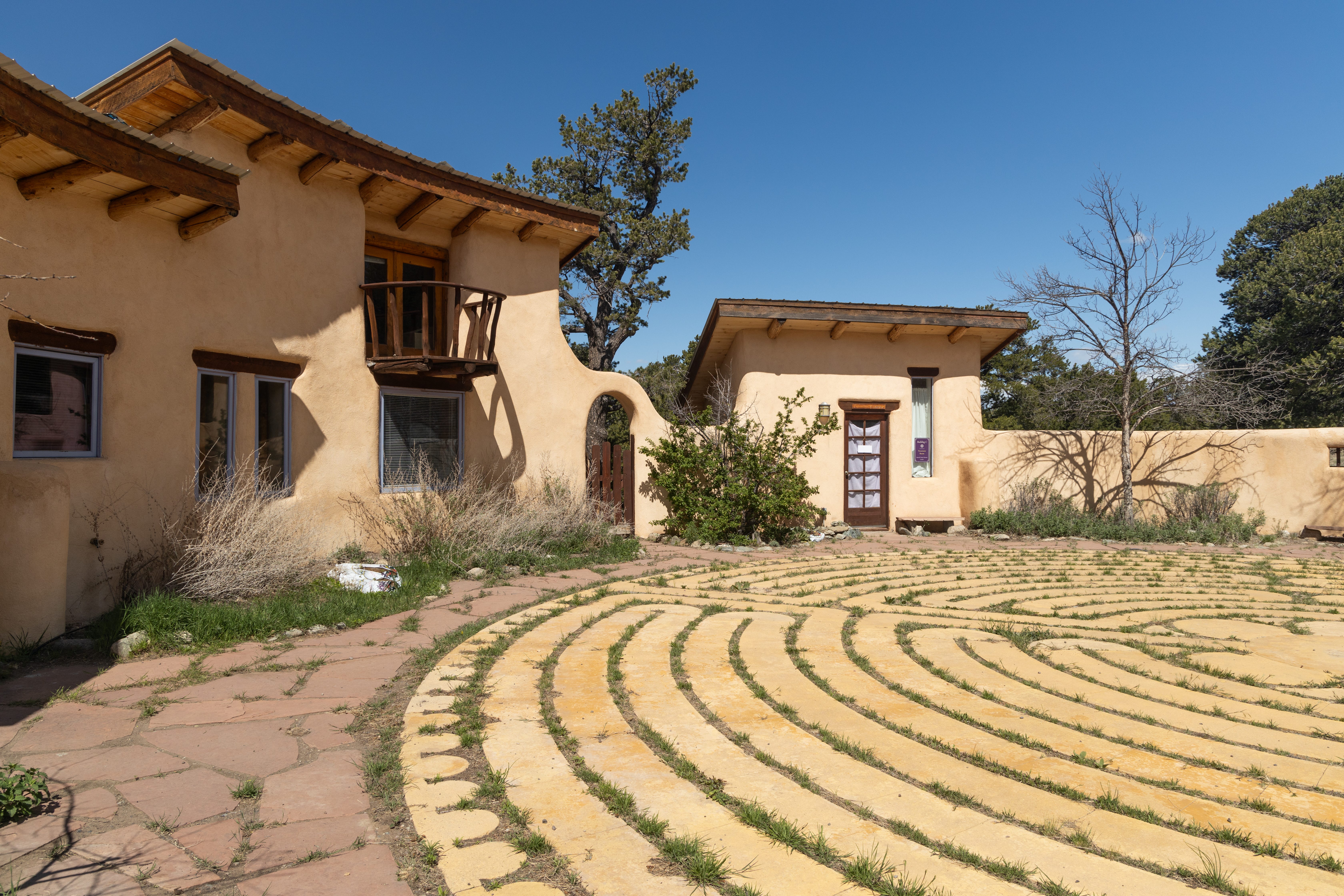
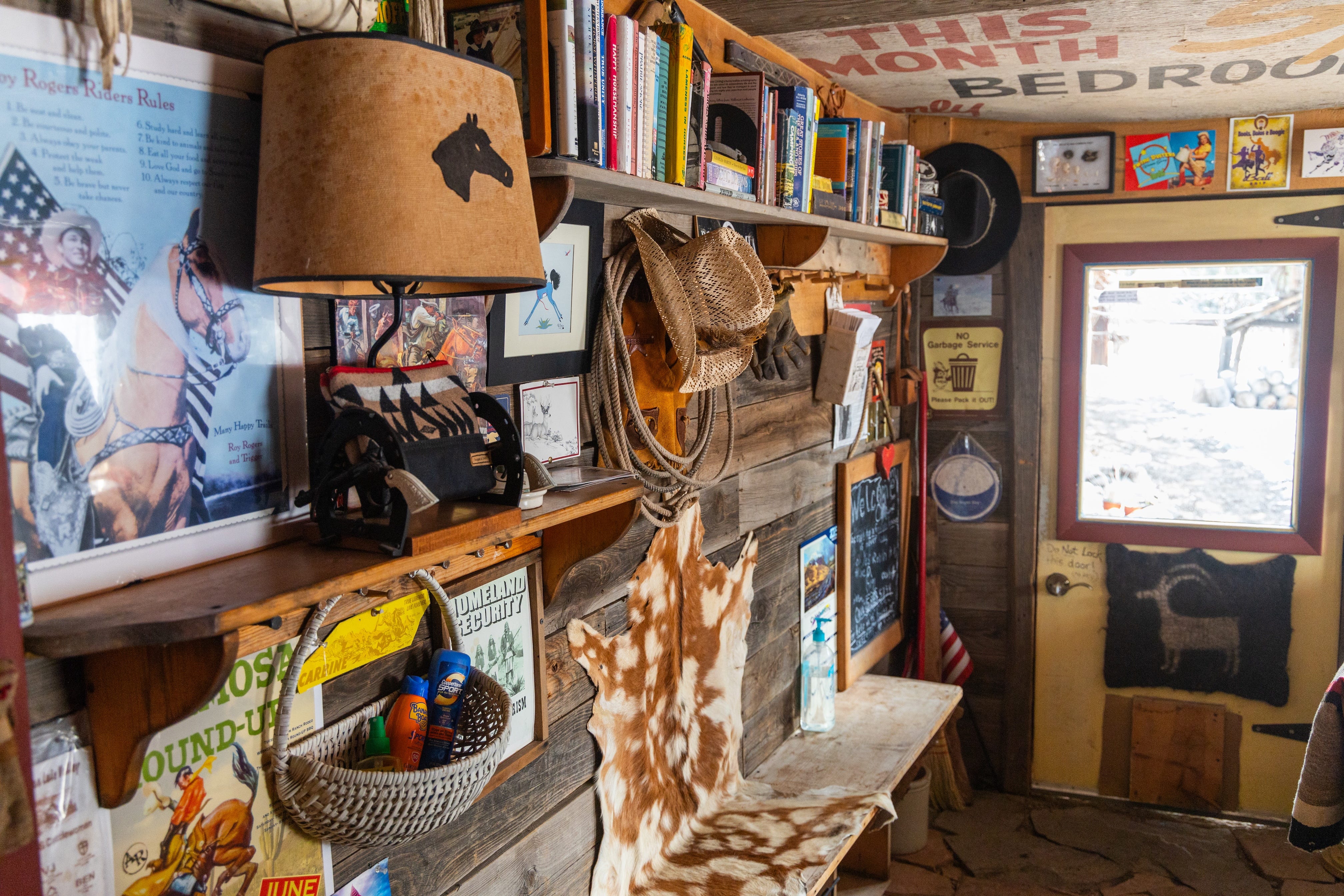
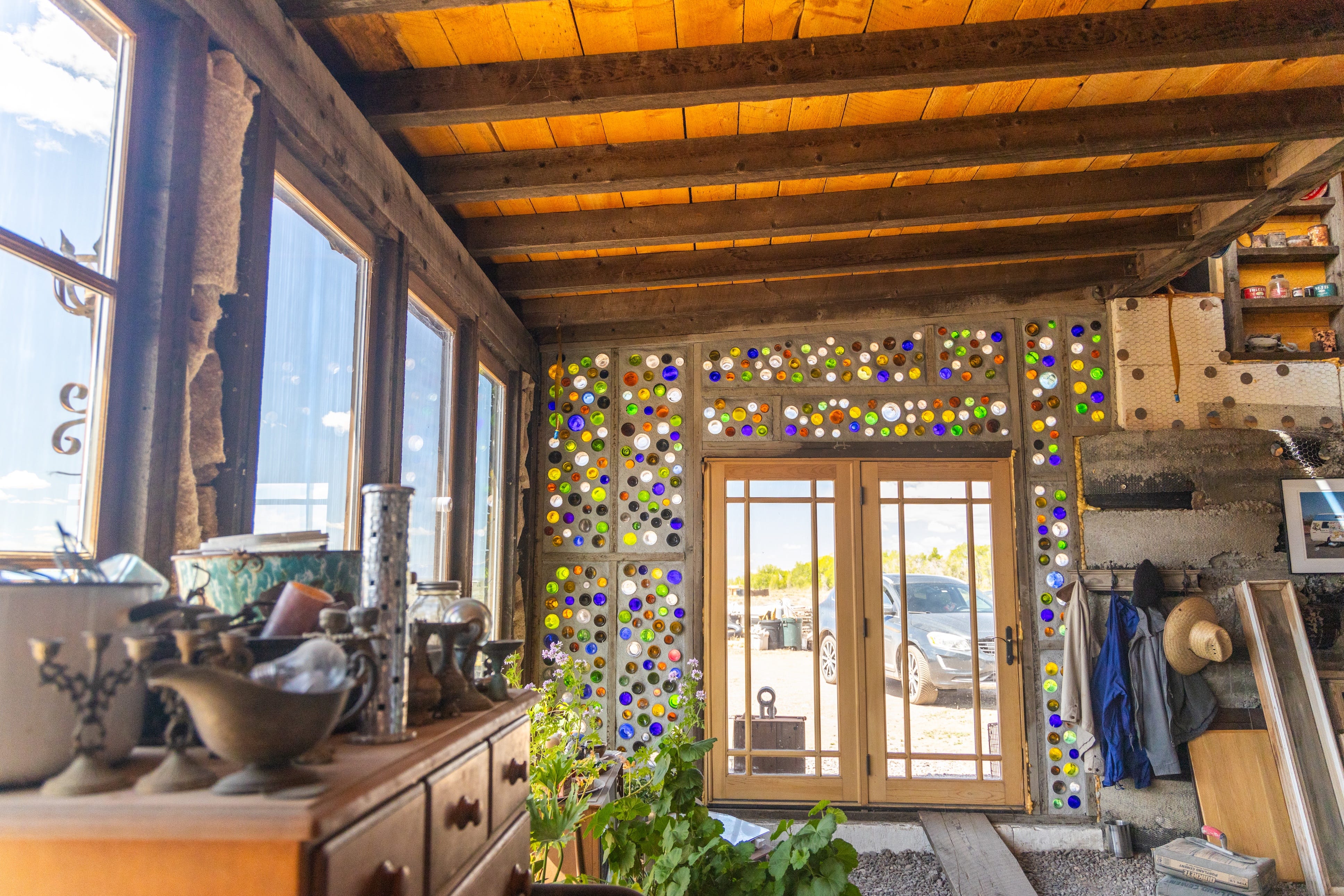
What’s important to understand about modern building codes is that while some are focused on important principles of construction like structural integrity and drainage, others have gone way too far into regulation that makes it nearly impossible to build affordably and sustainably. Many building codes are billed as “energy efficient,” but require that homes be built with brand new materials full of harmful chemicals that require a great deal of energy and limited natural resources to create.
While new, double-paned windows may create some degree of energy efficiency, so does the use of recycled materials and passive solar design. There is more than one way to build sustainably, yet modern building codes focus on just one—and it really isn’t always the most sustainable option.
If we take a step back, it becomes clear that manufacturing new materials en masse is not remotely as sustainable as using materials we’ve already manufactured that end up in landfills instead of being reused or repurposed, or using materials that don’t require any manufacturing at all like straw and clay.
“Energy-efficient” building codes are often imposed on counties because states are promised essential funding in exchange for adopting these codes. Given how strapped for cash many counties are, especially in rural and impoverished areas, these codes are often adopted even when it means pricing out the vast majority of the county’s residents.
Saguache County has been threatened by this more than once, and it’s an ongoing battle the residents and County Commissioners have had to fight to maintain their right to build alternatively and affordably.
Affordable housing is one of the biggest crises our country is facing, and the barrier to entry created by building codes is a huge part of this crisis that rarely gets the attention it deserves.
While Saguache County is one of the poorest counties in Colorado, many residents are able to afford to build or own their own home here, which is a direct result of the lack of building codes.
Beyond construction, the Crestone Energy Fair is also centered on alternative ways of living and building community. At an altitude of 8,000 feet at the end of the road in the high desert, our community operates very differently than most places in the country. National politics are less of a concern than local politics, and the local community, both in Crestone and in the San Luis Valley as a whole, are committed to issues concerning the local economy, conflict resolution, food sovereignty, water conservation, soil health, and community cohesion.
In working with the Crestone Energy Fair over the past few years, I started to notice how many similarities it had to the Bombay Beach Biennale.
Both Crestone and Bombay Beach are located in exceptionally poor counties, and are both rural, agriculturally-based regions with low population densities and high poverty rates. Both places face environmental challenges, limited access to healthcare, and food insecurity. As my friend Tao Ruspoli, one of the co-founders of the Biennale said in a documentary about Bombay Beach, “The town itself mirrors our own uprootedness.” Crestone, and the San Luis Valley as a whole, offers a similar mirror.
Both places have been largely forgotten or ignored by mainstream society, yet both places nurture creativity, innovation and optimism. Despite the odds, and despite the increasingly bleak future we seem to be facing as a species, these two towns teem with resilience and inspiration.
Both places provide an answer to the question of what happens when a place and a group of people that are forced to fend for themselves and work together to create alternate forms of security and support?
In the face of widespread exclusion by mainstream society and being abandoned by systems that are meant to support and uplift us, humans create new systems and build a new society, unbound by conventional norms and expectations.
My involvement in the Crestone Energy Fair has grown substantially over the past few years, and I feel honored to play a key role in shepherding this project into the future.
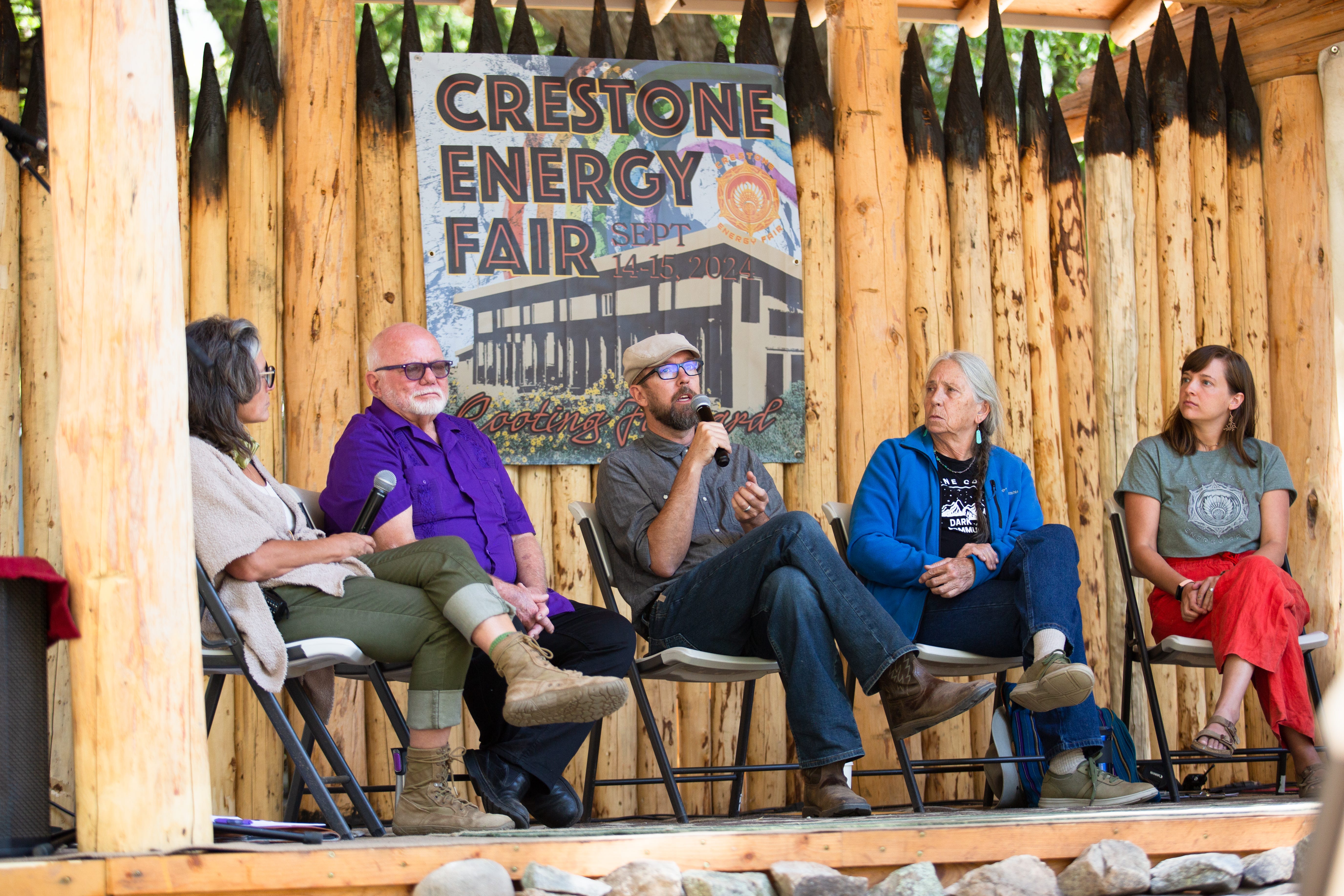
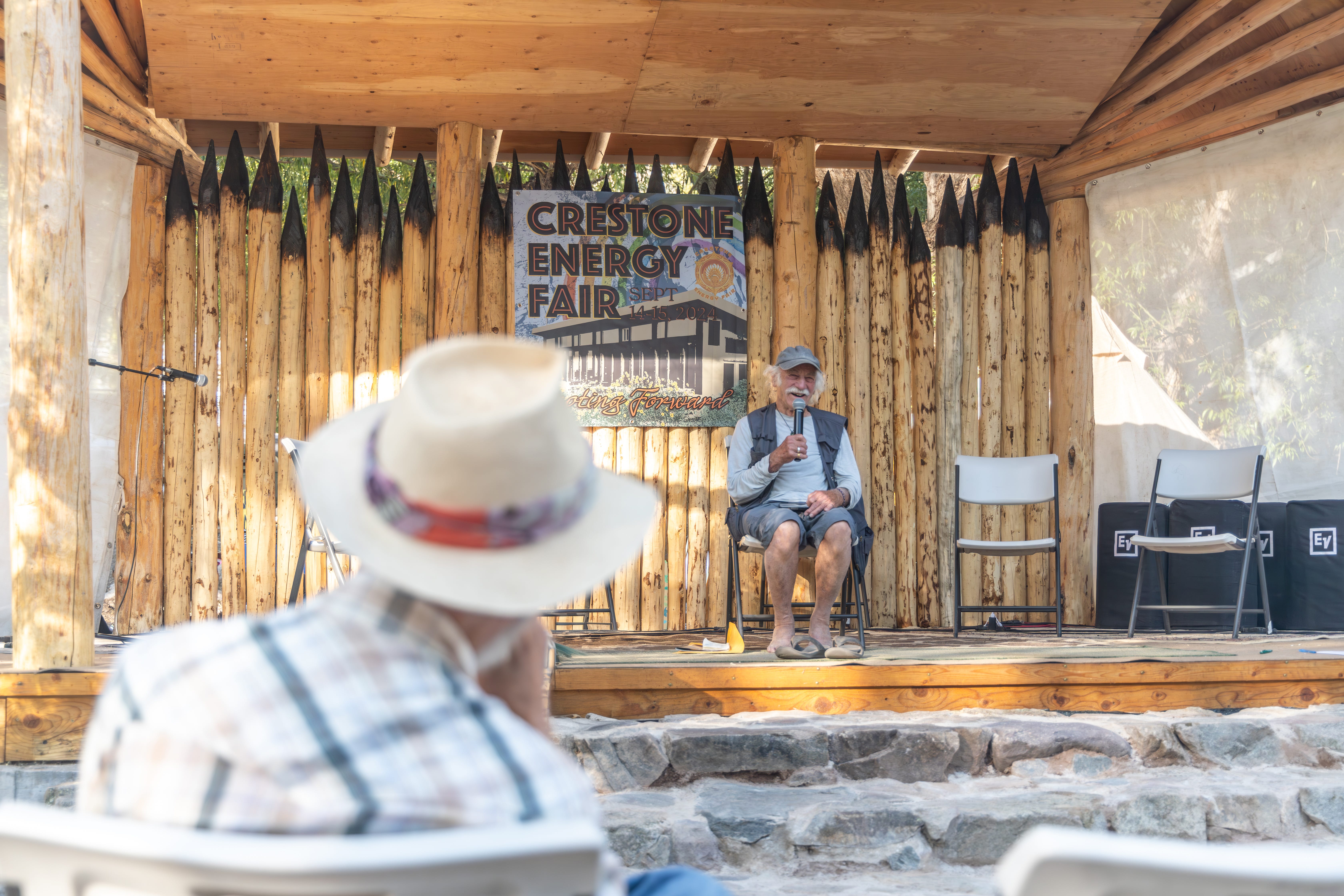
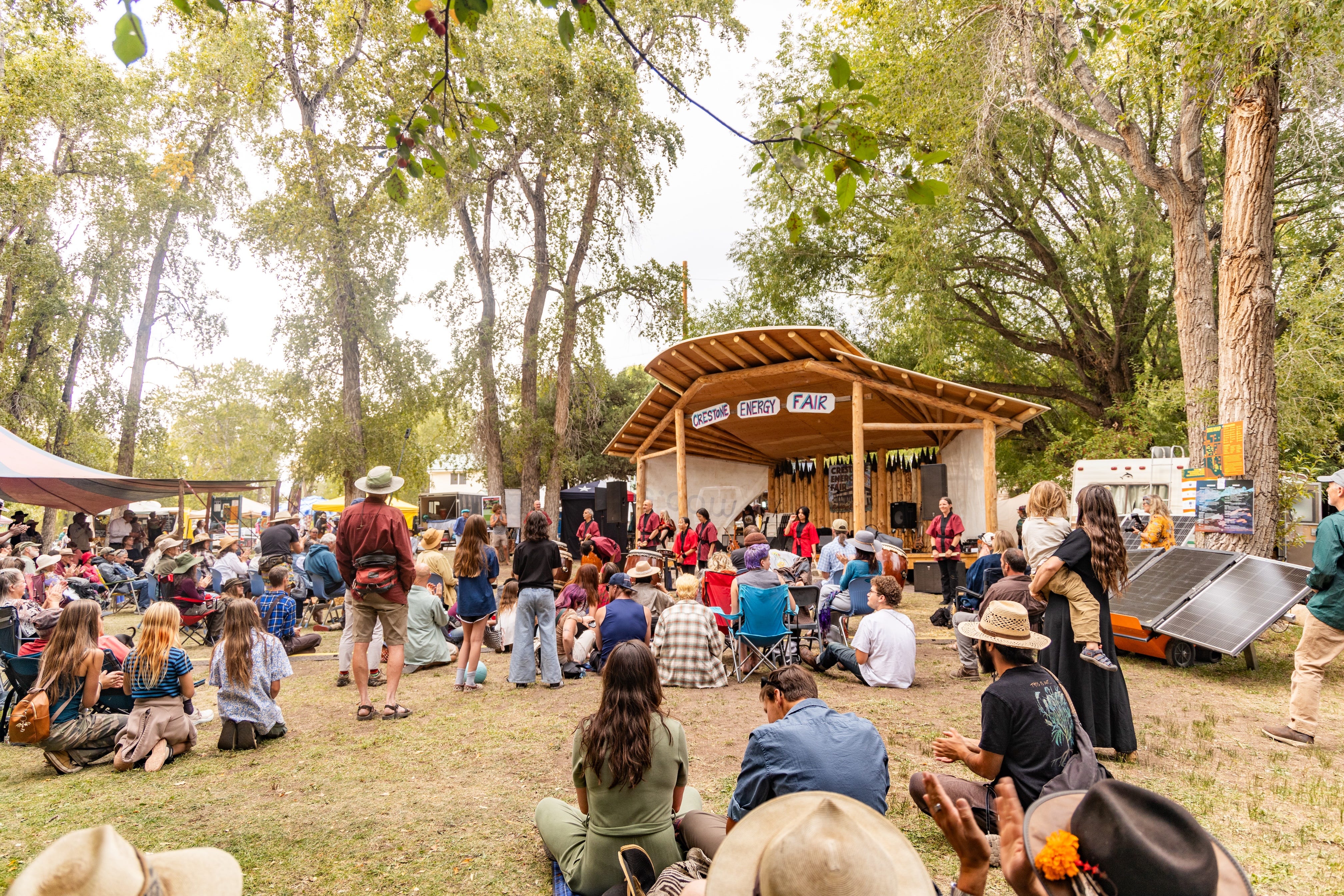
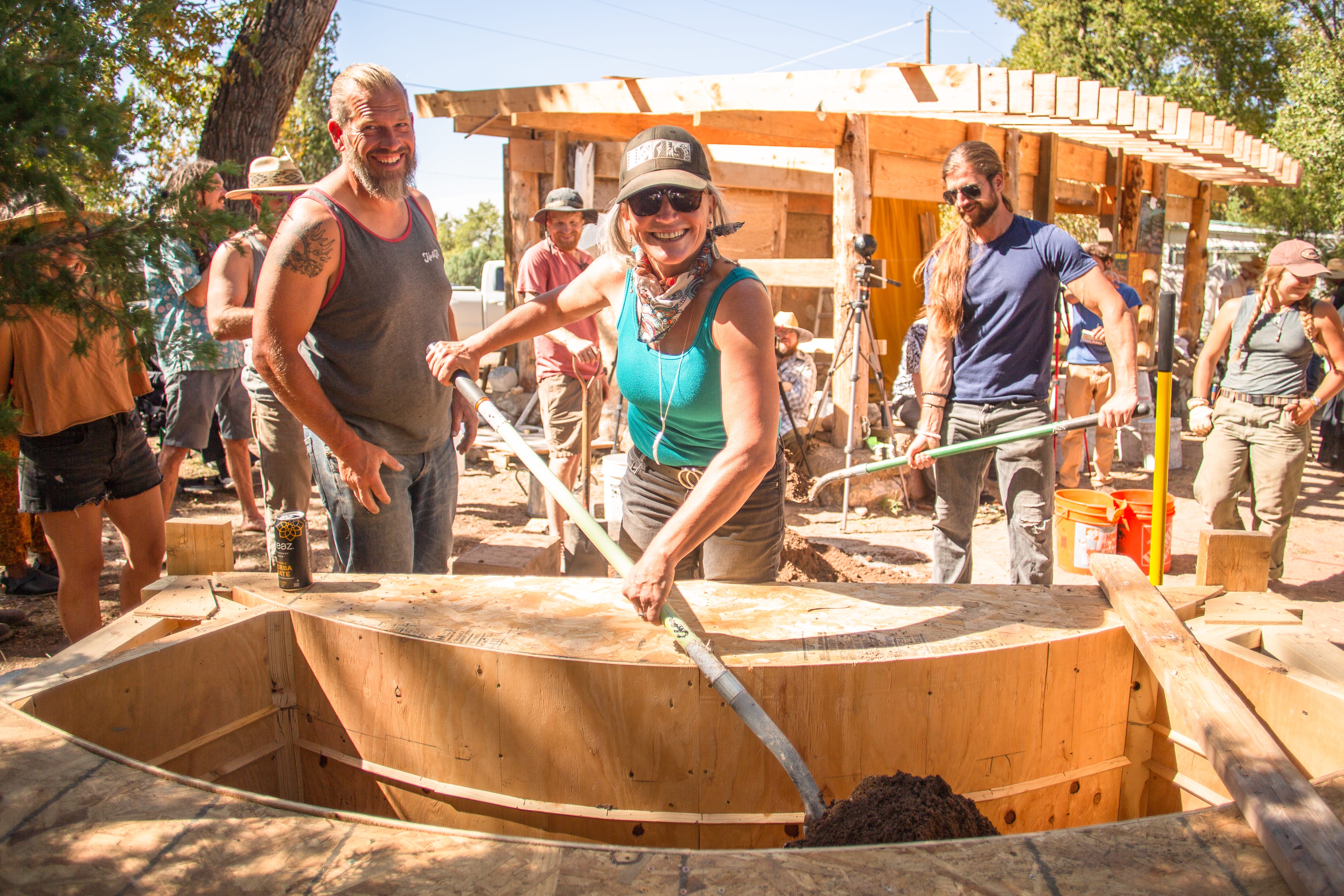
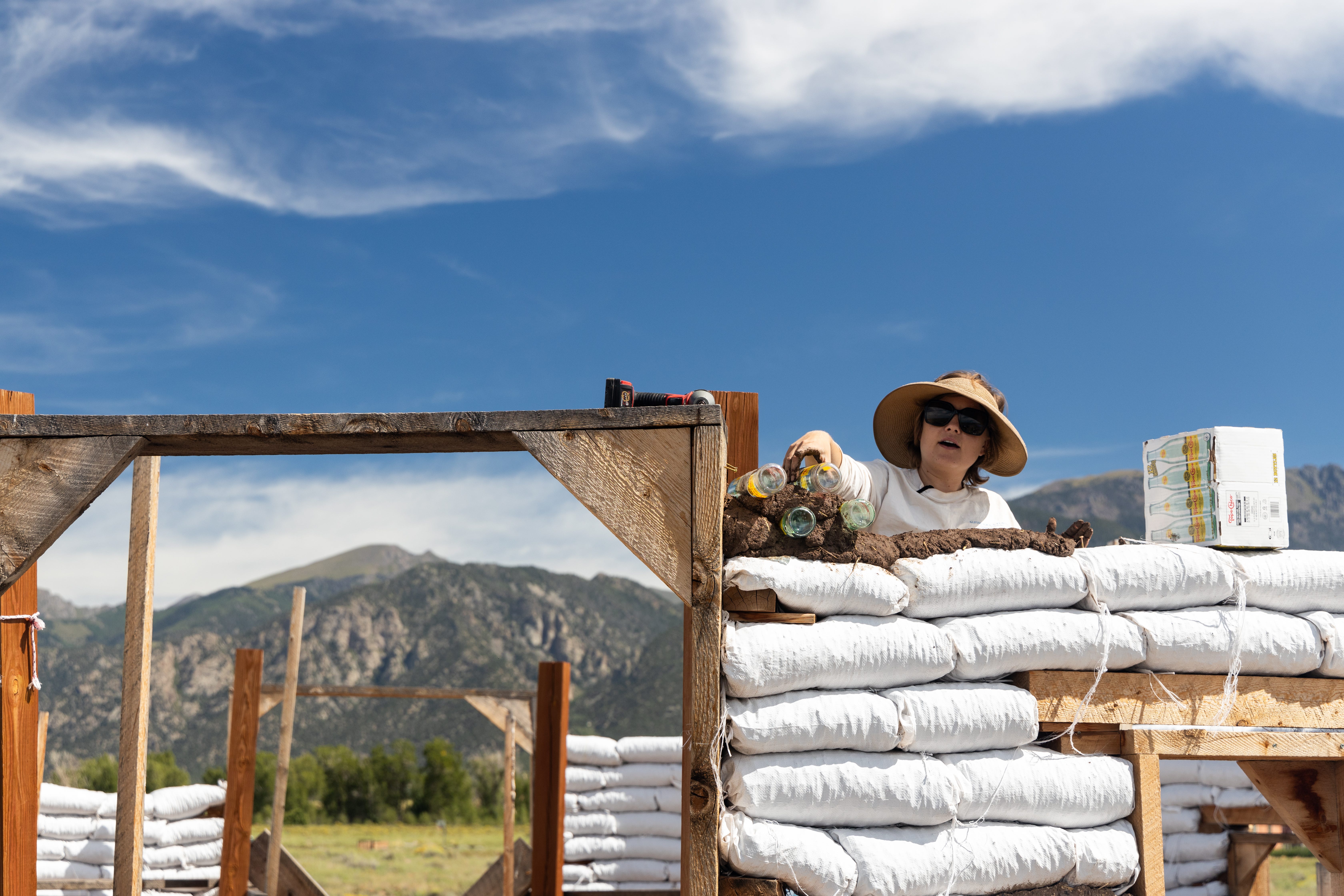
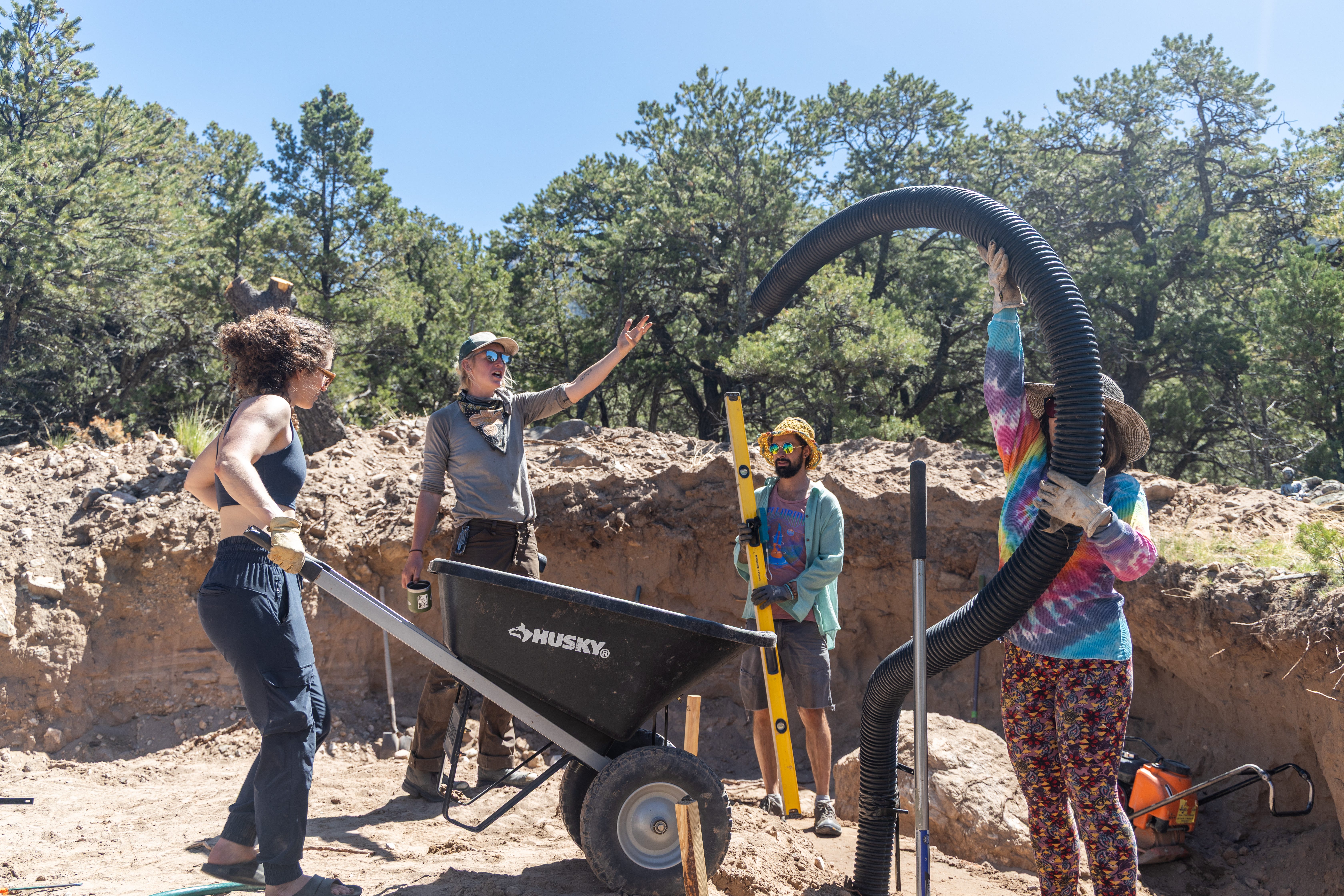
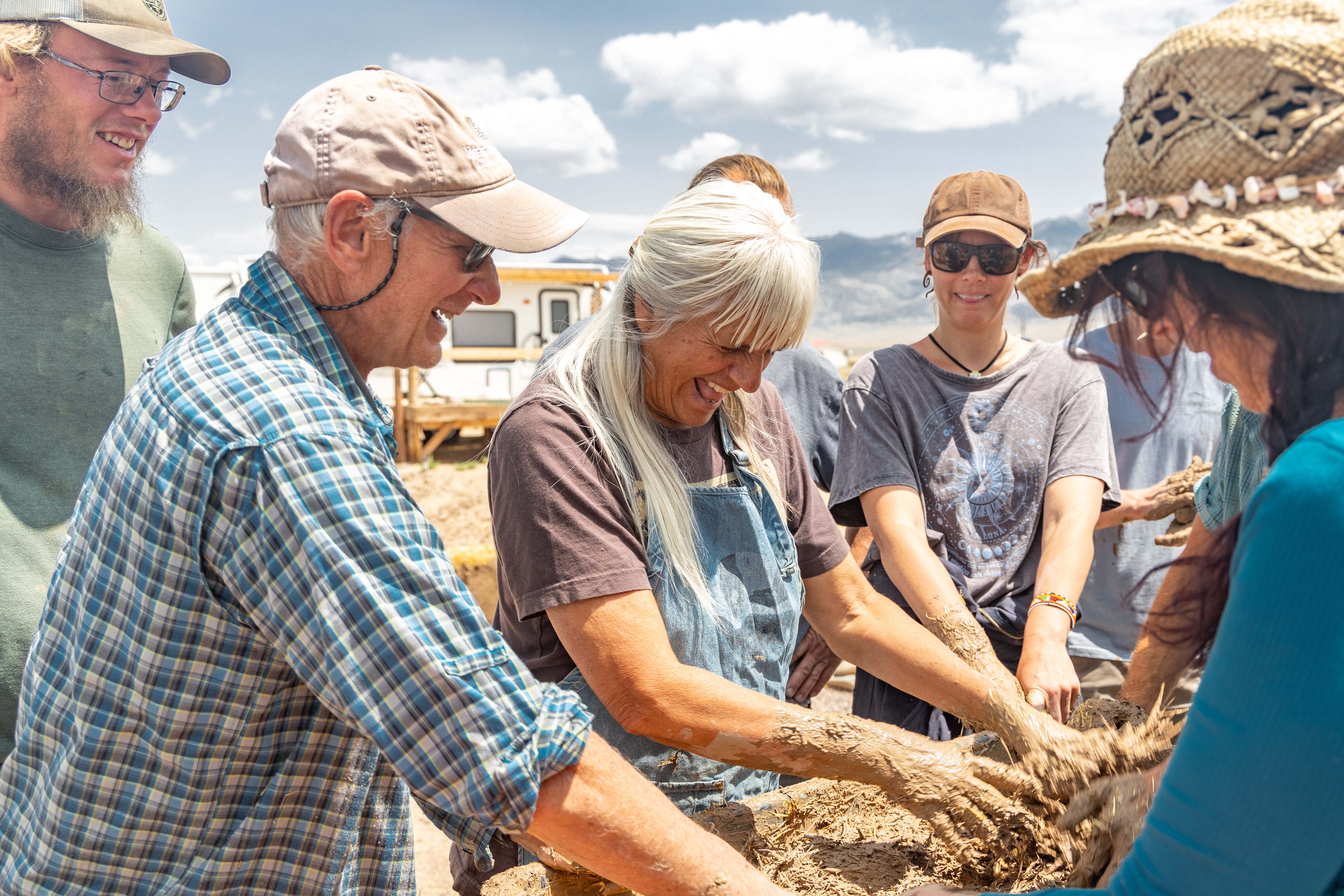
The Energy Fair is both the most rewarding and the most challenging project I’ve ever worked on. It’s challenging for several reasons. First, due to our commitment to keep our event free to all who attend, we operate with very little financial support. This forces our crew to stretch resources, time, and energy every year. We do this on top of our other jobs, responsibilities, and family obligations. Every dollar we raise — from grants, donations, sponsorships, and vendor fees — goes right back into operating costs. Our crew is only paid if there’s money left over, which rarely happens, and the most we’ve ever been able to pay ourselves comes out to around $3/hour.
But it’s equally inspiring because what we are building is truly unique: an event that highlights world-class ideas and expertise in a tiny rural town, providing free education, inspiration, and community work. We navigate past misconceptions, miscommunication, and the pressures of sustaining community trust, all while staying committed to our educational mission. Every success feels miraculous, but it comes at the cost of immense effort, creativity, and sheer determination.
What I’ve realized, from Bombay Beach to Crestone, is that the most radical thing we can do isn’t escaping the world — but reimagining and rebuilding it together. Not globally, but locally, right in our backyards.
Ripples have to start somewhere.
Neither Bombay Beach nor Crestone provide the answer or the solution. Neither promises utopia. But both remind me that even in the face of systems stacked against us, people continue to be courageous enough to ask: What if?
What if we built homes that honored the earth instead of exploiting it?
What if community wasn’t a luxury, but a way of life and an integral aspect of well-being?
What if resilience looked less like survival and more like creativity, innovation, care, and courage?
The Crestone Energy Fair — and the crew of badass people who make it possible — offer a glimpse of what that “what if” can look like. Against the backdrop of uncertainty, we are walking the talk, proving that another way of living isn’t just something to imagine, but something that’s already happening.
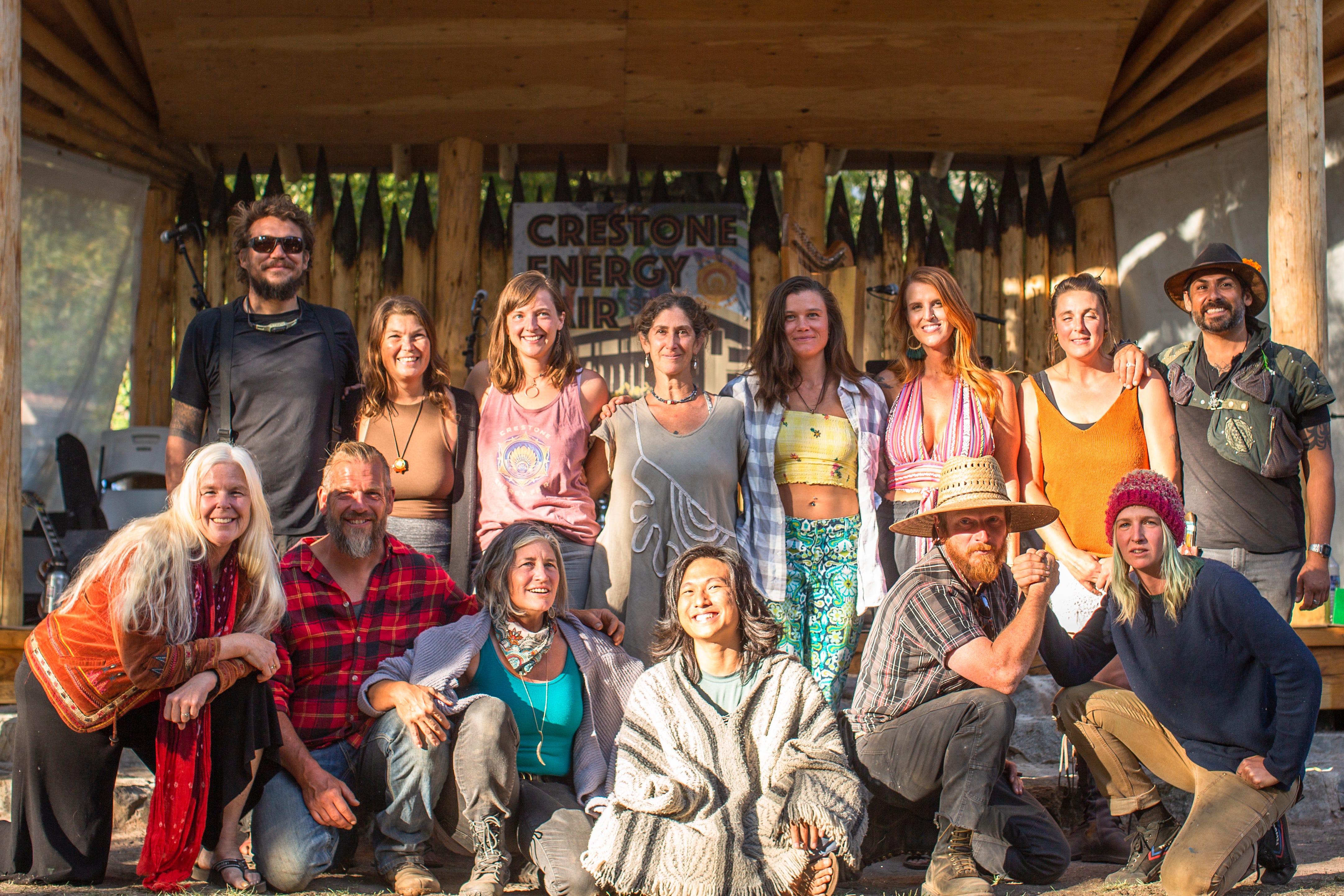
Maybe that’s the point: change and revolution don’t arrive all at once. They begin in forgotten towns, in stubborn communities, in the hands of people who refuse to stop dreaming — even when the world tells them their dreams are unrealistic.
The 36th Crestone Energy Fair returns September 11-14, 2025.
We are welcoming experts from around the world as speakers and teachers, plus highlighting some inspirational and talented locals residents.
I hope you’ll join us and take part in what I think is one of the most inspiring projects around.
You can learn more at crestoneenergyfair.org and our full schedule is now live.
If you’re planning to come to town for the event, I highly recommend signing up as a volunteer.
Can’t attend, but want to support our work? Consider making a donation through Colorado Gives.
Dirt Road Dispatch is a reader-supported publication. To support my work, consider becoming a paid subscriber.
Comments
Nothing yet. Say the first thing.
Sign in to join the conversation.