
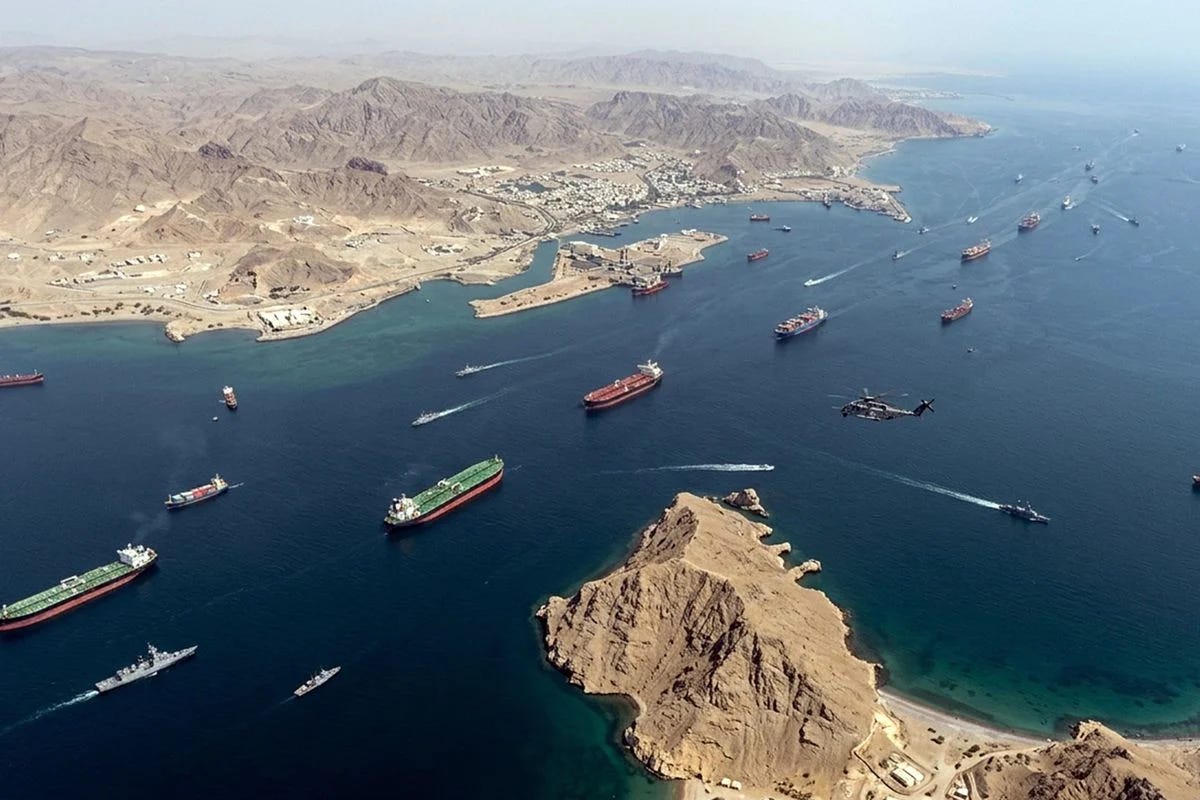
News over the last week has been whiplash-inducing. The US/Israeli war … oops I mean ‘excursion’… against Iran continues. The Straight of Hormuz through which 20% of the world’s liquid fuels pass remains closed, fuel prices have surged, oil-fuelled inflation is certain to flow through the economy and the much-vaunted economic recovery is very likely off the menu for this year. Meanwhile, in Queensland, Australia, record-breaking floods cause death and carnage, as well as a crocodile incursion, but hardly got a mention.
Alongside rampant fuel-pump anxiety, we had the story of Watties (owned by multinational food company Kraft-Heinz) announcing that it plans to stop producing frozen peas and other frozen vegetables (citing among other things, inability to compete with cheaper imported products), shutting down its factory in Christchurch at the loss of 350 jobs, and affecting hundreds of vegetable growers (at least some of whom are contemplating switching to dairy). This comes after Hawke’s Bay farmers were faced with pulling up their peach trees because home-grown peaches cannot compete with much cheaper imports from China, Greece and South Africa.

And for us as ‘consumers’, why should it matter? As long as we can get our frozen peas and canned peaches from the supermarket at a reasonable price, why should we care where they come from? This is the market doing its job. Whoever can supply a product at the cheapest price wins. This is market fundamentalism at its best – maximising efficiency (for those that control the capital), and externalising all the social, health, environmental and climate costs. Pure efficiency!
But as we enter a world of energy descent,1 intensifying geopolitical conflict over resources (oil, fertiliser, rare-earth metals, water, arable land), trade and supply chain disruption, mass human movement, and of course climate change, it is resilience that we will need to value over the ‘just-in-time’ efficiency of the halcyon days of market fundamentalism. (‘Just in time’ delivery of refined fuel and fertiliser to New Zealand shores – the last bus stop on the Planet - may work while the ships are still coming, less so when their arrival is no longer guaranteed.)
This is a central theme of Nate Hagens’ most recent ‘wide-boundary news’ episode, which I highly recommend.
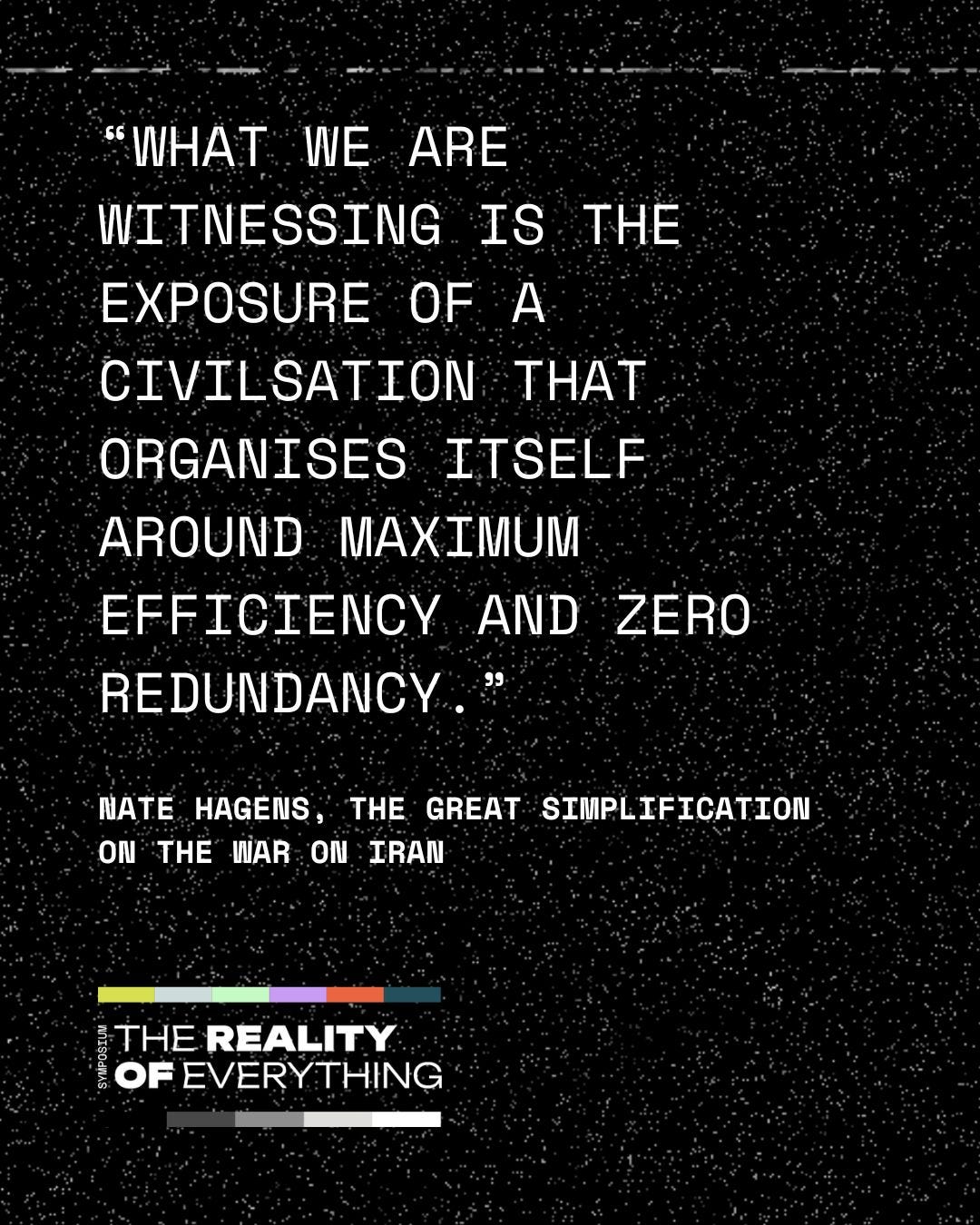
This latest oil and fertiliser supply scare should provide the ‘Overton Window’ for our politicians to shake off the biospheric blindness, recognise the vulnerabilities of an economy organised around maximising ‘efficiency’ rather than resilience, and putting in place strategies and policies that will support a transition to a resilience-oriented economic system. For instance, if we value food security, the government could implement policies that support local growers and manufacturers of food products, increase product and distributional diversity and reduce the heavy reliance of our agricultural and horticultural systems on imported liquid fuels, fertiliser, agricultural chemicals and machinery.
We have been subsidising an international mining company Rio Tinto to the tune of billions of dollars through cheap electricity (an eighth of all supply) and free carbon credits to produce aluminium on our shores for decades, why not support growers and processors of vegetables, fruit and cereals in New Zealand to continue to produce food at a much lower environmental and climate cost? And while we are at it, how about regulating the sale of highly processed foods that are addictive and linked to obesity, diabetes and cancer, and therefore costs us dearly in terms of demands on the health system, and loss of productivity.
Of course, this would require governance with foresight, something that appears to be in short supply – just like liquid fuels. This is where civil society needs to step in, strengthening our own awareness of the complex, interconnected realities and demanding a response befitting the reality of the escalating polycrisis. Not the faux-solutions (such as the liquified natural gas import terminal) that only further deepen the root cause of our predicament (reliance on imported fossil fuels and overshoot).
Thanks for reading An Uncommon Land! This post is public so feel free to share it.
This is the purpose of the upcoming Reality of Everything Symposium. Find out more and secure your place here. Can’t make it, but would like to help make politicians aware of the symposium? Please consider sending an email - download the template from the website.

Don't adjust your set - normal programming will not resume
·
Feb 28

It has been exactly two months today since I announced the Reality of Everything Symposium here on Substack, and today I am excited to announce that our provisional programme is now available on an arresting new website. Thanks for reading An Uncommon Land! Subscribe for free to receive new posts and support my work.
Help alert our political leaders to reality
·
Mar 4

As a follower of this Substack, you are probably already aware of the upcoming Reality of Everything Symposium and the intent behind it. You may have already secured your place at what could be 2026’s most important conference. But even if you can’t make it on the day, there are still important ways to you can
This applies to both liquid fuels and renewable energy because renewable energy still requires fossil fuels, rare earth metals and other limited resources to build out, and also has a much lower energy return on investment (EROI).
No posts
Comments
Nothing yet. Say the first thing.
Sign in to join the conversation.