
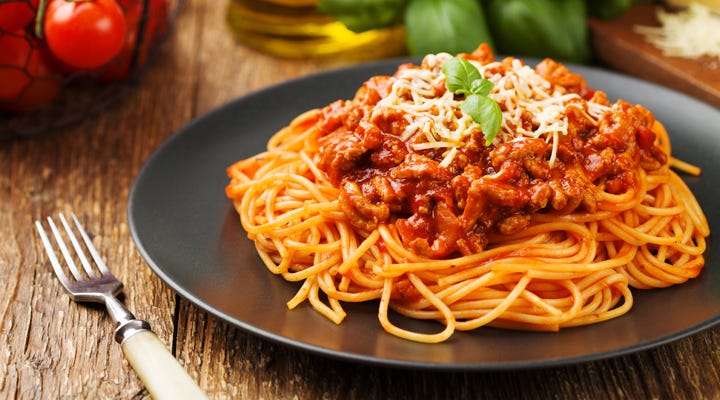
There has been some tremendous analysis of the war in Iran, the closure of the Strait of Hormuz and the implications for the global and New Zealand economy, including this piece by the Honest Sorcerer and a practical guide on how to respond to the fuel supply crisis by energy expert and Wise Response chair Nathan Surendran. In contrast, I feel like any reflections or insights I would be able to offer will pale in comparison.
Thanks for reading An Uncommon Land! This post is public so feel free to share it.
But one aspect of the New Zealand economy’s fragility that the situation has exposed is our agricultural economy, which is so deeply reliant on imported fertiliser, particularly urea, a large portion of which comes through the Strait of Hormuz. Which brings us to food security.
In a previous post, I discussed the hard-hitting National Emergency Briefing on the topic by Professor Paul Behrens. After laying out the scale and implications of food insecurity already exacerbated by climate change, he talks about how a more food-secure future could be achieved in the UK.
This includes drastically reducing food waste, which also contributes to climate emissions. But the pillar that takes centre stage is the transition to a plant-rich diet. He talks about how currently 85% of all the agricultural land in the UK is dedicated to animal agriculture,1 but by switching to a more plant-rich system, more people could be fed on less land (and with reduced demands on water, fertiliser and energy), potentially freeing land up to return to nature, with all the biodiversity, carbon sequestration and resilience benefits that would bring.
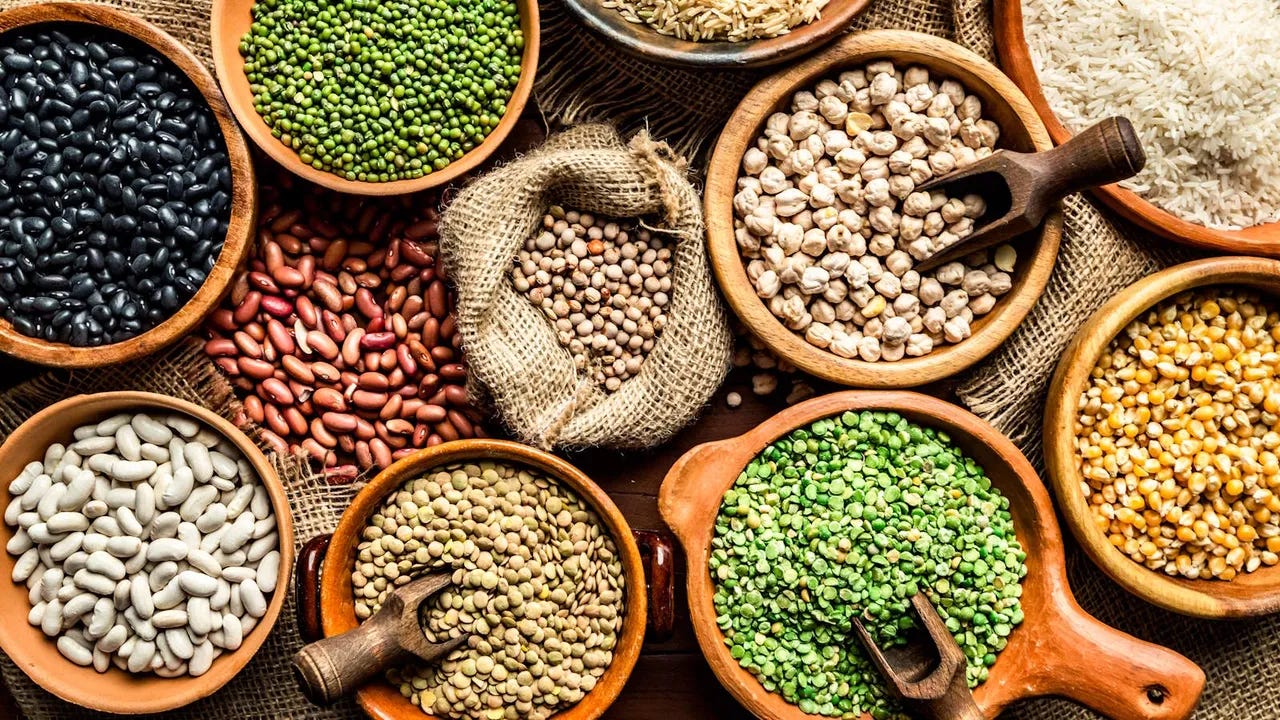
In a week when $25 a kilogram mince prices (once the ‘poor mans’ cut’) attracted headlines - amidst broader fuel supply crisis-escalated food inflation - I was struck by people saying things like “Oh well, it will just mean using more things like lentils I guess”. In this context, it can sound like an unpalatable but necessary compromise. But in this post I wanted to demonstrate that plant-based alternatives to popular dishes are often better than the original (in my obviously biased opinion anyway) – by sharing a recipe!
Now, before sharing the recipe, I would like to provide a bit of context. Our family is not vegetarian. In fact, a full 50% of our family are ardent meat-eaters (or would be, if wasn’t for my controlling ways…). My daughter’s favourite ‘food group’ is sausages. But they love this plant-based alternative to spaghetti bolognaise. Also, while we now eat virtually no red meat, we are not vegan, so this recipe includes cheese, but things like savoury yeast or vegan cheese (if you can afford it!) can be used instead.
This dish is also super-cheap, super-easy, healthy and accommodates substitutions, so you can use whatever you have handy.
Ingredients
1 tablespoon or so of vege oil
1 medium-sized onion, chopped reasonably finely
Garlic – 1-4 cloves, depending on your love of garlic, finely chopped or crushed
A pinch or two of chilli flakes/powder to taste
1 cup dried lentils (can be brown or red or a mix of both) or you can use a tin of lentils, rinsed and drained
1 1/2 cups (approx) beef stock* (hot water with a stock cube dissolved in it) + more water as required
1 can chopped tomatoes (or fresh)
1-2 tablespoons of tomato paste
A medium sized carrot diced quite small
Some green stuff: anything you have in the garden or that is cheap, eg, zucchini finely diced, spinach, silverbeet. You can also add mushrooms. Aubergine (eggplant), diced small, would also be great.
Herbs – dried mixed herbs and/or any fresh herbs you have in the garden (eg parsley)
Salt and pepper to taste
A squeeze of lemon if you have one
*Note you can get nice vegan stock products from most supermarkets too
Method
Heat the oil in the deepish pan on a medium heat. Add onion and stir for a few minutes until starting to soften. Then add the garlic and stir for a minute. Add the chilli flakes if using.
Rinse the lentils, drain and add. Stir for bit and then add the beef flavoured stock. Add a can of tomatoes, with juice and tomato paste (to taste depending on how tomatoey you like things). Then add carrot and other veges (I generally like to add leafy veges later so that they don’t get overcooked). Lower heat and cover with a lid to simmer for 10 minutes or so, adding more water if it needs it (mixture should be sloppy but not runny).
Meanwhile cook the pasta in a large salted pot of boiling water.
After 10 minutes, check that the lentils are tender, then add dried herbs and salt and pepper to taste.
When ready to serve add the lemon squeeze and fresh herbs.
Serve over the drained pasta with grated cheese, savoury yeast or more herbs, alongside a green salad and crusty bread.
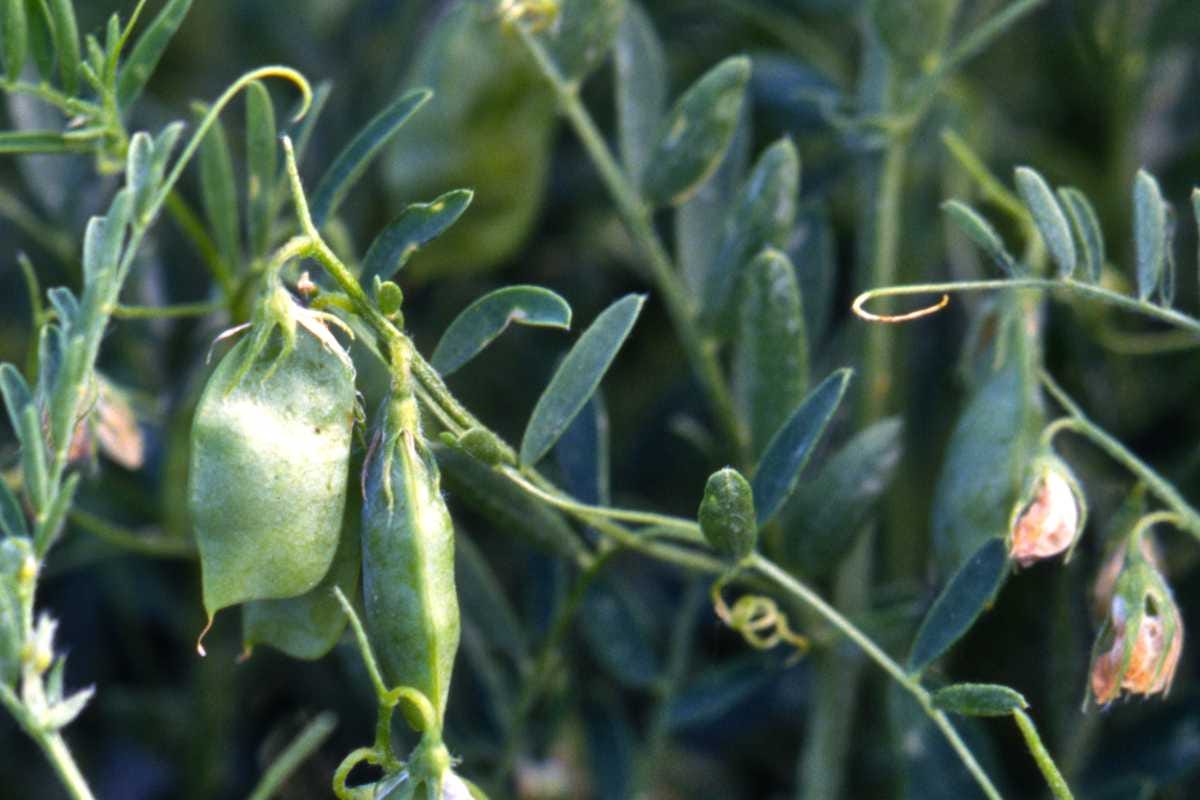
Although we don’t grow them here in New Zealand as far as I know, the ones I buy in the supermarket come from Australia, which is the next best thing, I guess.
Experiment with lentil types. I find the brown ones take a bit more cooking, while the red ones when cooked form a more mushy texture. So a combination of both works quite well for a varied texture. Also of course if you are pushed for time, you can use canned, but unlike chickpeas for instance, lentils don’t take long to cook.
Also, I found this interesting article about protein rich plants, including lentils, which can be grown in the home garden in New Zealand, if you have one. I would be very interested to hear from people who has grown these plants successfully.

Also, an amusing anecdote that suggests we might need to brush up on our food literacy in New Zealand. Yesterday I went to the local Woolworths (on my fuel supply crisis-busting human-powered bicycle) with the aim of stocking up on, among other things, some lentils. This turned out to be more difficult than you would expect. Five minutes scouring the aisles proved fruitless.
I asked a young woman who worked there, when she unwittingly wandered into my orbit:
“Excuse me, but where would I find lentils?” She looked blank.
“I don’t know what lentils are”, she said.
Undeterred, I explained patiently, “They are a kind of legume.”
Still blank. “I don’t know what a legume is.” She said.
“A kind of dried bean?” I offered, hope of a successful outcome fading.
Still blank. “Maybe ask one of the other ladies?”
I took her advice. At the check outs, I commandeered two staff members to assist me with the lentil-appropriation mission. After a series of clarifying questions (which also suggested they had had limited interaction with the lentil), one of the staff members located the lentils on the computer system, and the other staff member was despatched to retrieve them. Five more minutes ensued, and then she returned, triumphant. They were next to the dried (ultra-processed) soups, it was revealed. Unfortunate positioning, but noted.
Don't adjust your set - normal programming will not resume
·
Feb 28

It has been exactly two months today since I announced the Reality of Everything Symposium here on Substack, and today I am excited to announce that our provisional programme is now available on an arresting new website. Thanks for reading An Uncommon Land! Subscribe for free to receive new posts and support my work.
And in New Zealand, the figure is eve higher. 90% of all agricultural land is used for livestock farming (https://www.stats.govt.nz/indicators/agricultural-and-horticultural-land-use/)
No posts
Comments
Nothing yet. Say the first thing.
Sign in to join the conversation.