
Laughing Gull’s layup for cold weather hibernation is mostly complete. All systems winterized. Sails at the nearby Doyle loft. Solar panels trickle charging the lithium house batteries (I may end up simply disconnecting everything). I’ll stop by once a month to check on things. LG will endure lots of wind and rain. But the only aspect of the winter layup that troubles me is the multitude of birds who roost in the nearby sheds, and move onto the boats in fine weather and Jackson Pollock the decks with their droppings. It is an indignity that LG (and I) will have to suffer for the while as there is no point in cleaning the decks until Spring.
I am mostly ready for winter layup as well. Apart from the entirely natural habits of boatyard birdlife, life ashore is more predictable than life on a boat. You are protected from the weather, and from the elements. You are more in control of your time. I miss a bit the moment-to-moment nature, the inherent suspense, of being on the water. You can’t always know what comes next. You have to react, adapt and improvise. Some routine ashore is welcome. Still, there is a thin line between predictability and boredom. I’ll try very hard not to cross it.
Thanks for reading Sailing Into The Anthropocene! Subscribe for free to receive new posts and support my work.
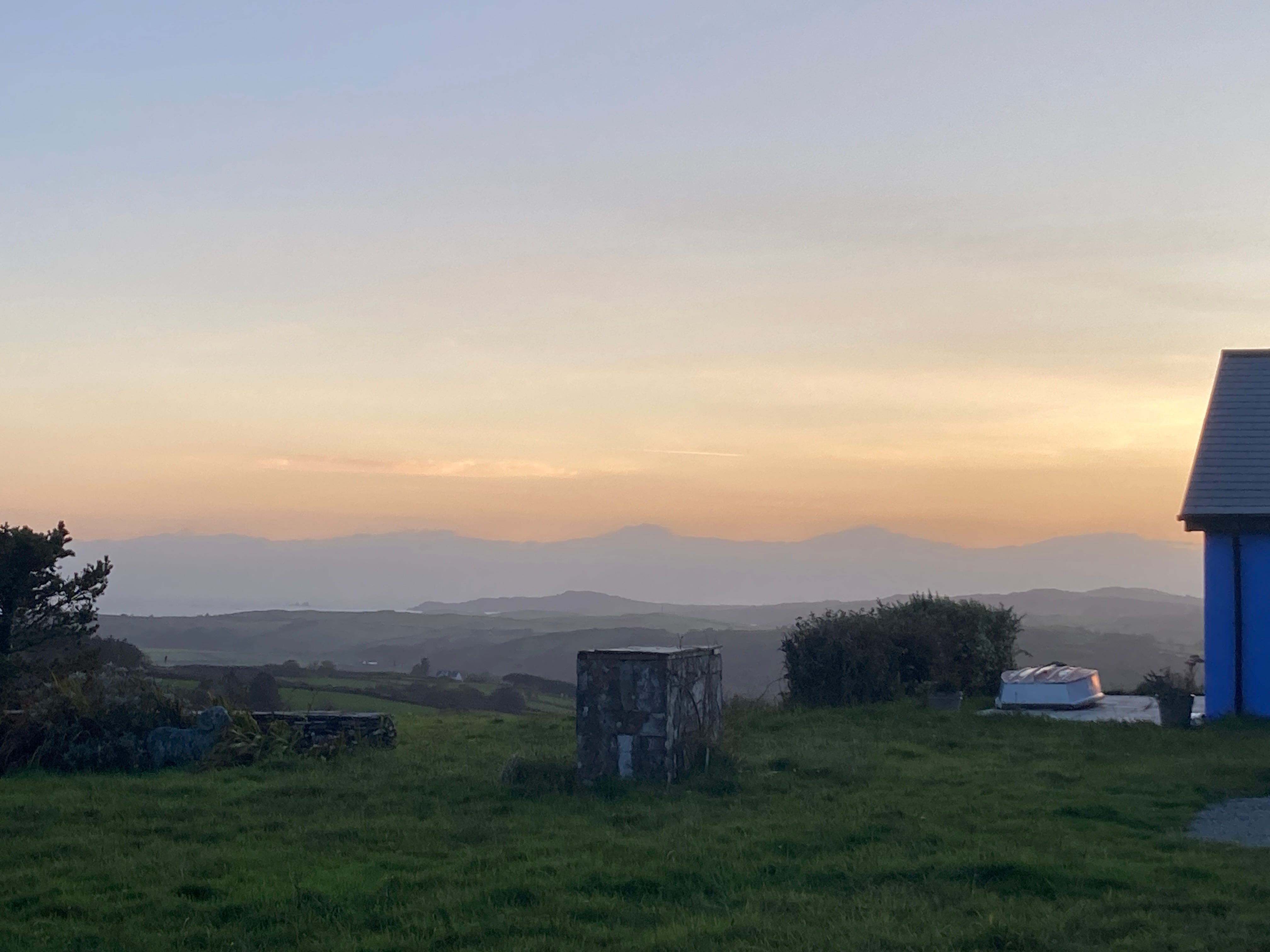
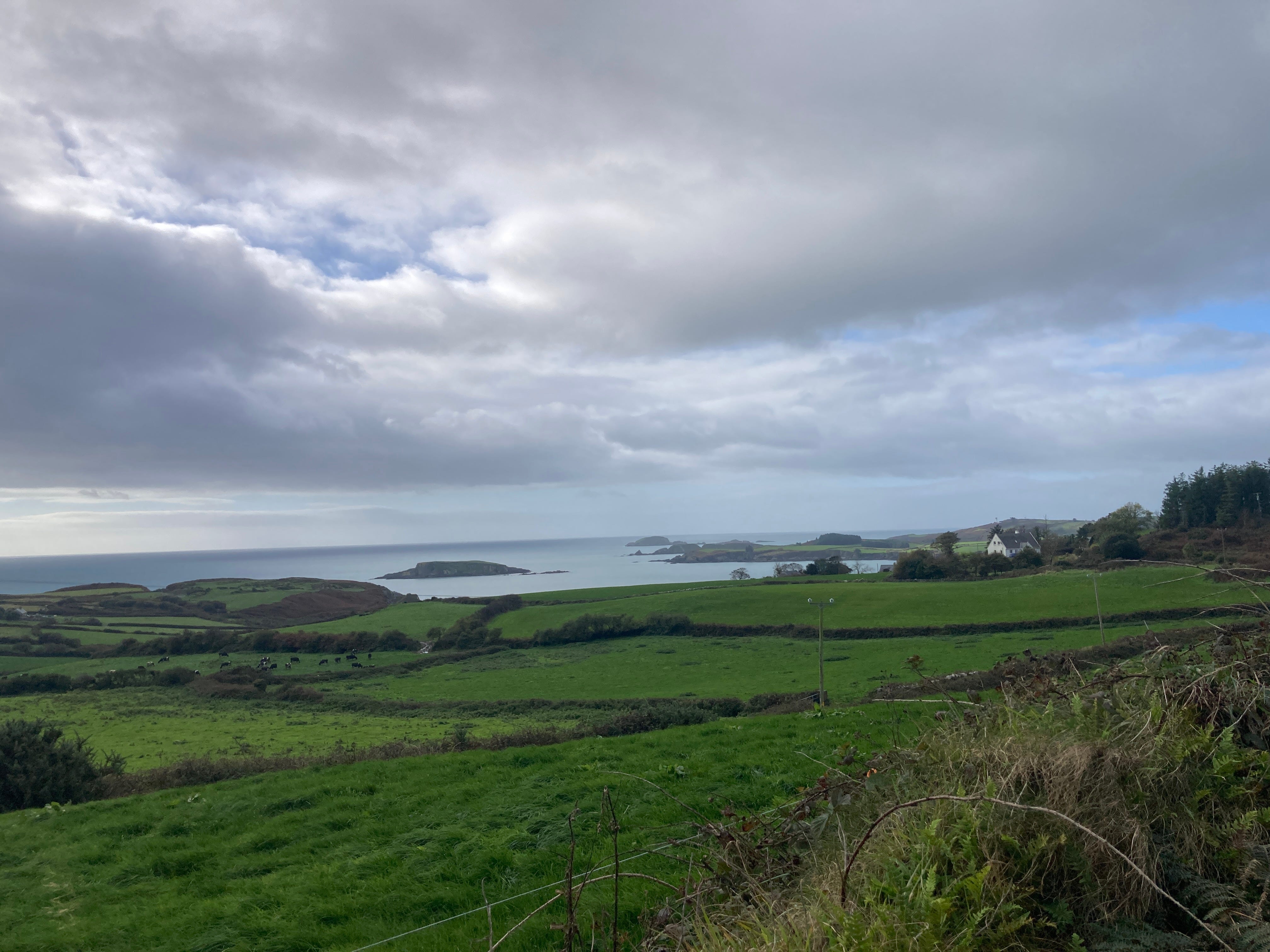
October has mostly brought fine weather, which helps make up for an unusually tempestuous and wet September. On calm days, it is remarkably peaceful up in the Blue House on the hill, especially when enveloped in soft mist. The gray gauze wraps you in a cocoon of silence that almost demands meditation and creative contemplation.
One insight from hilltop mental meandering: the West Cork soundscape is as beautiful as the West Cork landscape. I haven’t heard a leaf blower or weed whacker since I landed here in July. I almost never hear or see an airplane overhead. Mostly I hear wind, rain, birds, cows, and, in the past month, children playing during recess at the local school down the hill. Car noise is almost non-existent (though I do hear the odd tractor). It is a notably different soundscape than any I have ever experienced. It works in perfect harmony with a landscape of rolling farmland and vast tracts of sea. My senses remain tuned into the natural world, even if no waves are lapping at a hull.
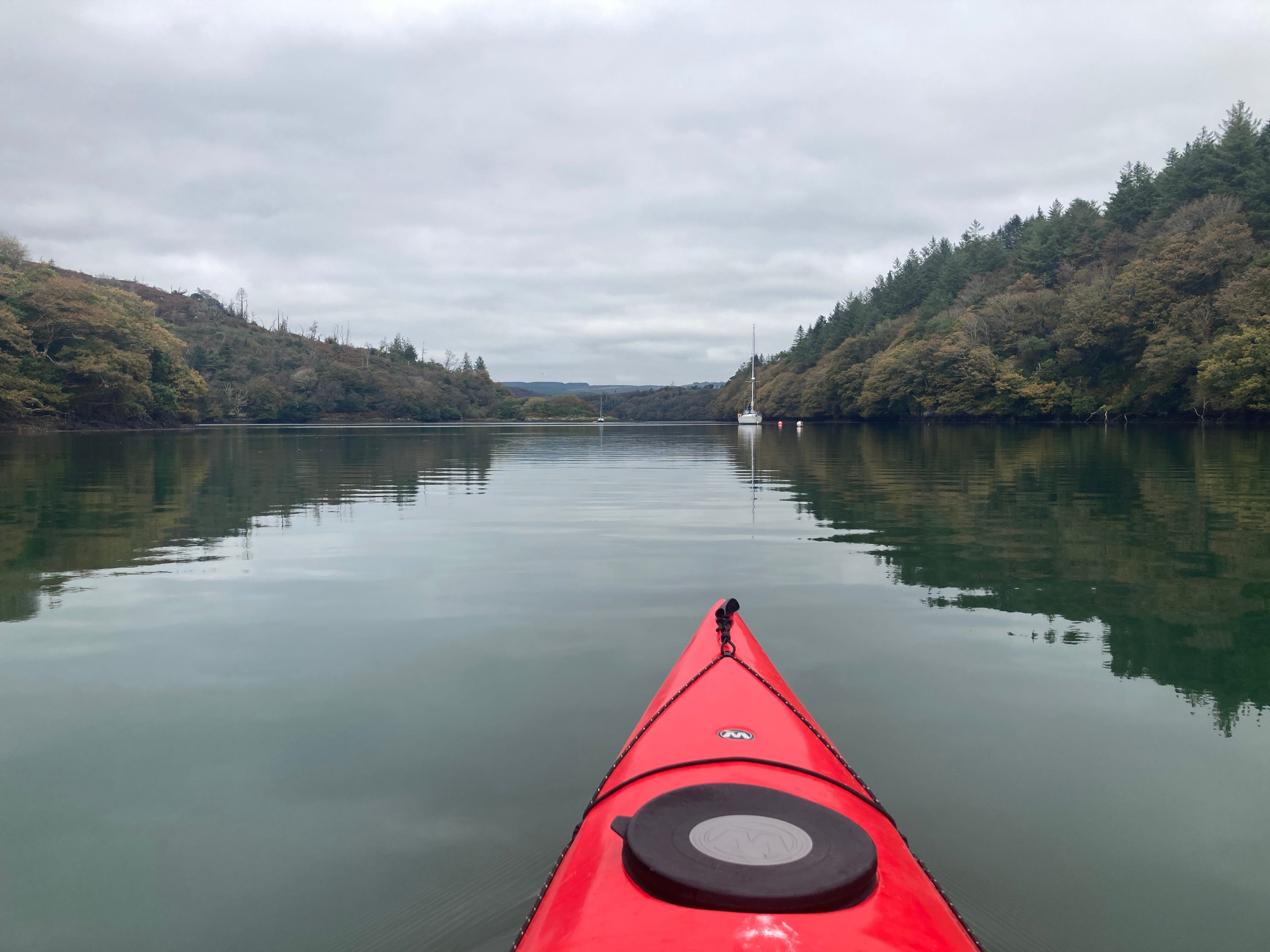
When I lived in Washington DC I often frostbited a Laser through the winter. Here, temperatures are chilly, but rarely go below freezing. That makes it easy to hop into a sea kayak on a nice day, and re-baptize myself in the ocean. I am not enough of a masochist (any more) to go for a full baptism and swim, like many brave souls in these parts. But a thin skin of kayak hull between me and the mesmerizing depths is about as close as you can get.
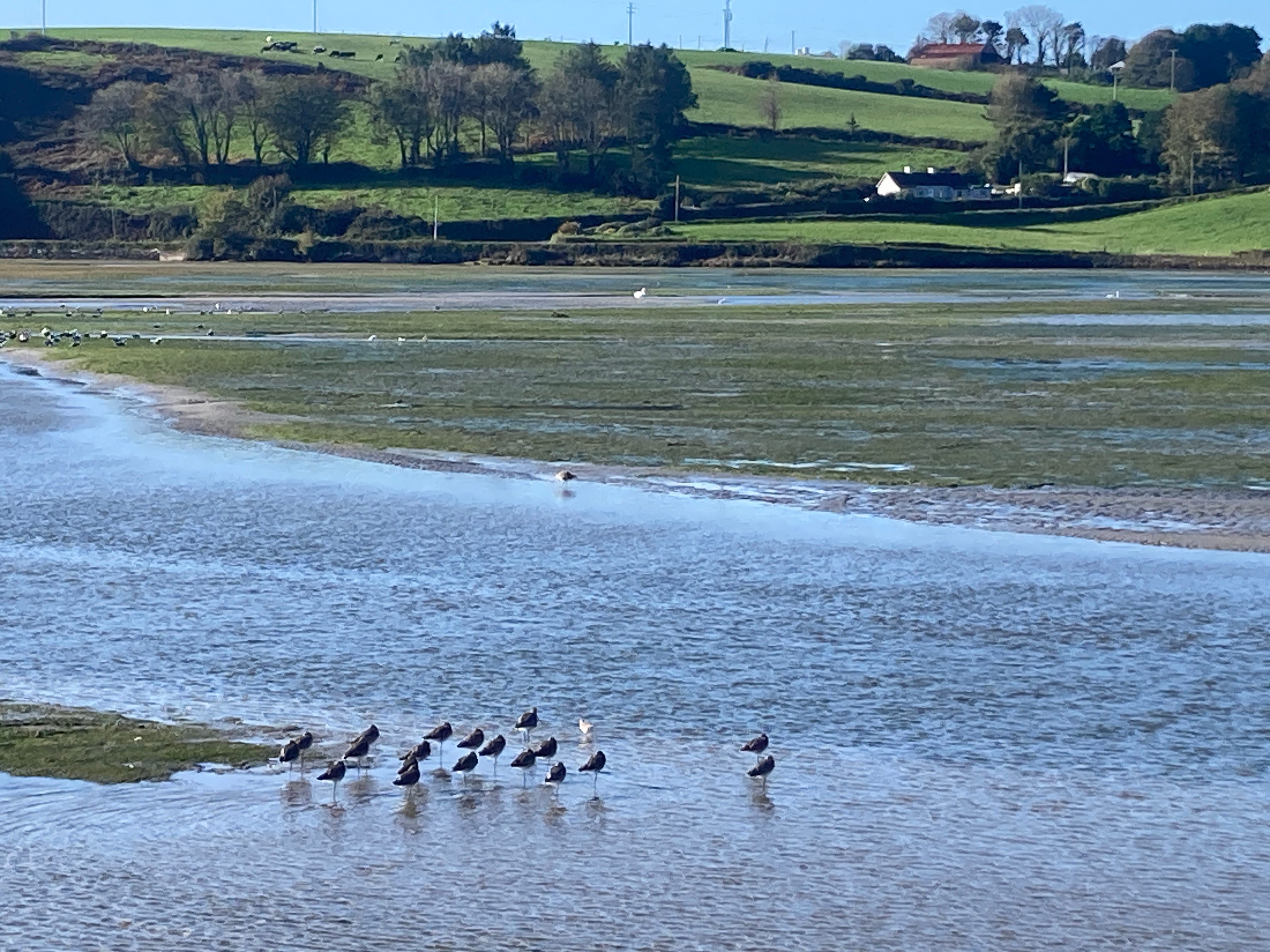
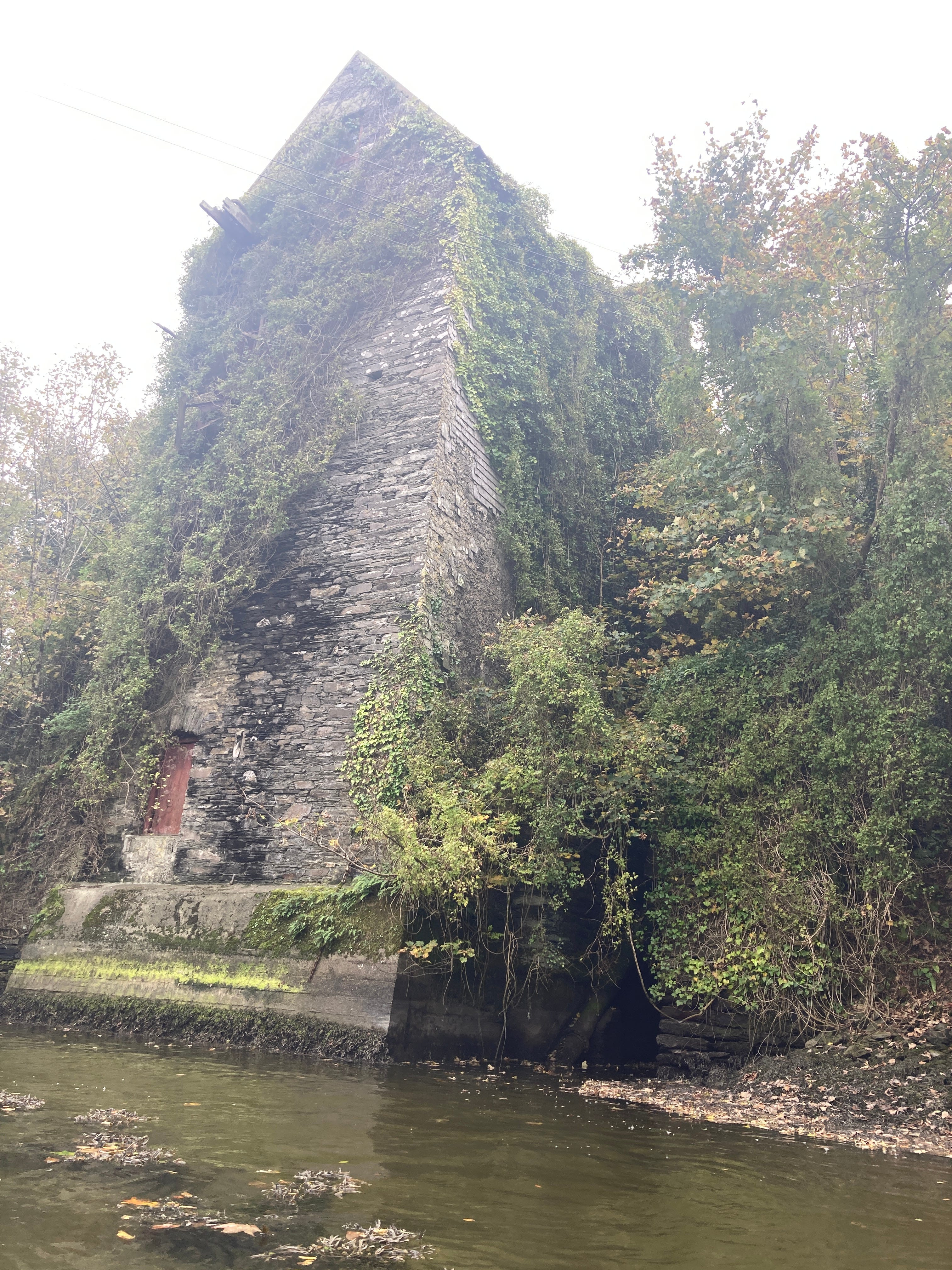
Already, there have been group paddles around Glandore Harbour and nearby Castlehaven estuary. I’ve seen dolphins and heard the seals singing on Adam Island. Cormorants are everywhere, and regard intruding humans with a skeptical eye before ducking beneath the surface and swimming haughtily away. In Castlehaven, we rode the last of the flood up the estuary to an abandoned mill. At the top of the estuary, which in just a few hours would become a vast plain of sucking mud, a flock of whimbrels alternated between browsing the margins of rocky islands for molluscs—strutting around on spindly legs and poking their long, curved beaks into the muck—and wheeling overhead in sinuous and shape-shifting patterns before alighting again.
It is in moments like these that I most feel the deep connection to everything around me. The water. The wind. The trees. The salt tang. The birds. The otters, seals and dolphins. It is a reminder of the single most powerful insight that came from living on a boat: Everything Is Connected. All life, and all the natural world, are part of a single, interdependent, and immensely complex, system. And the choices we make as individuals, as nations, and as a global community impact that system, in ways small and large, and in ways we don’t always understand or comprehend. We should take care, and be precautionary.
Here, ashore, I have started to wonder systematically what individual lives would look like if decisions and choices truly flowed from that single, most powerful, truth. What would national and global choices look like? This idea of interconnectedness is not new, especially on a conceptual or philosophical level. But the question of what it means on a very practical level is a question worth exploring during a winter in West Cork.
Anthropocene Notes:
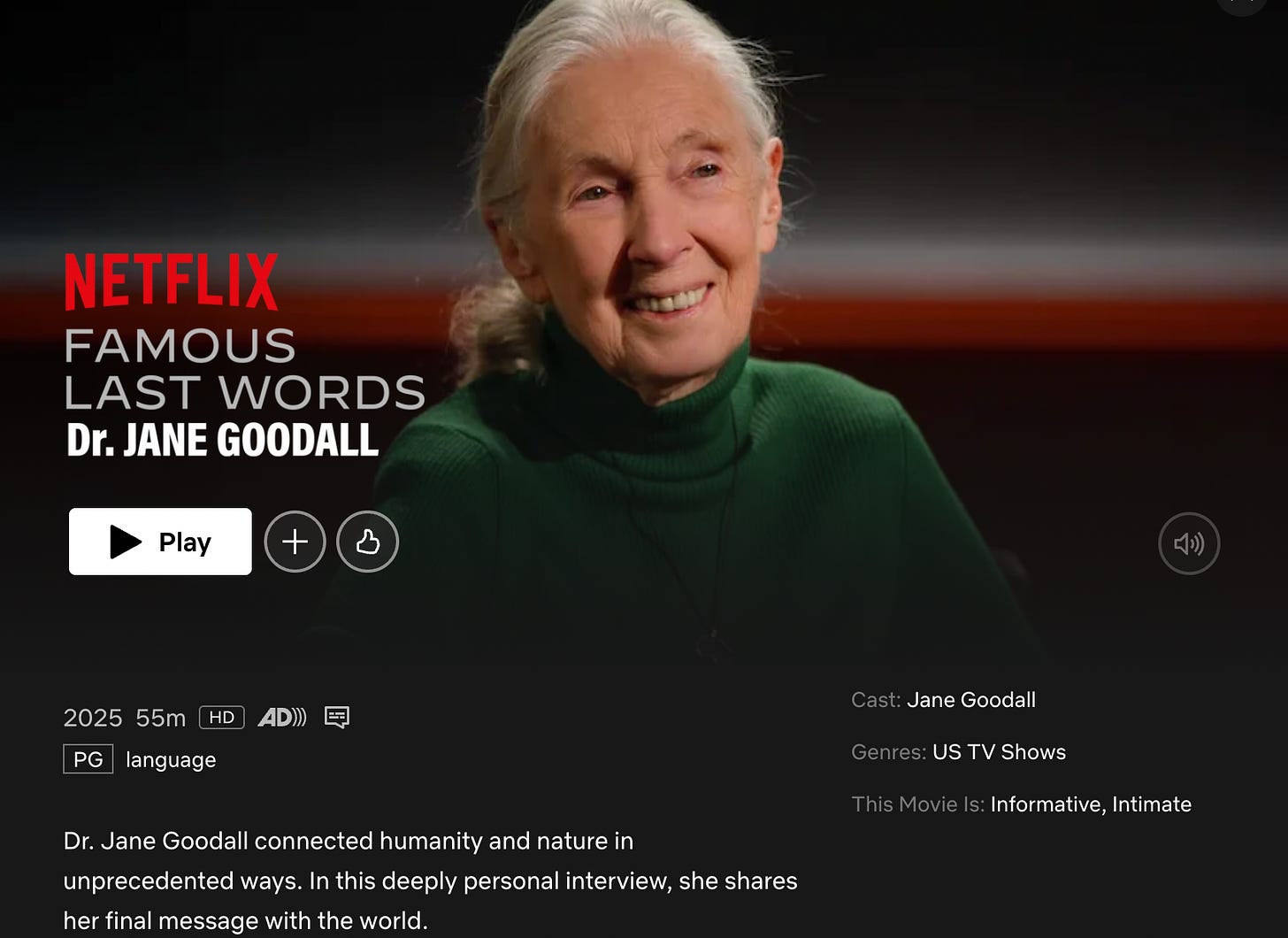
Elder Wisdom: Jane Goodall has some parting words for the human race. They are well worth listening to.
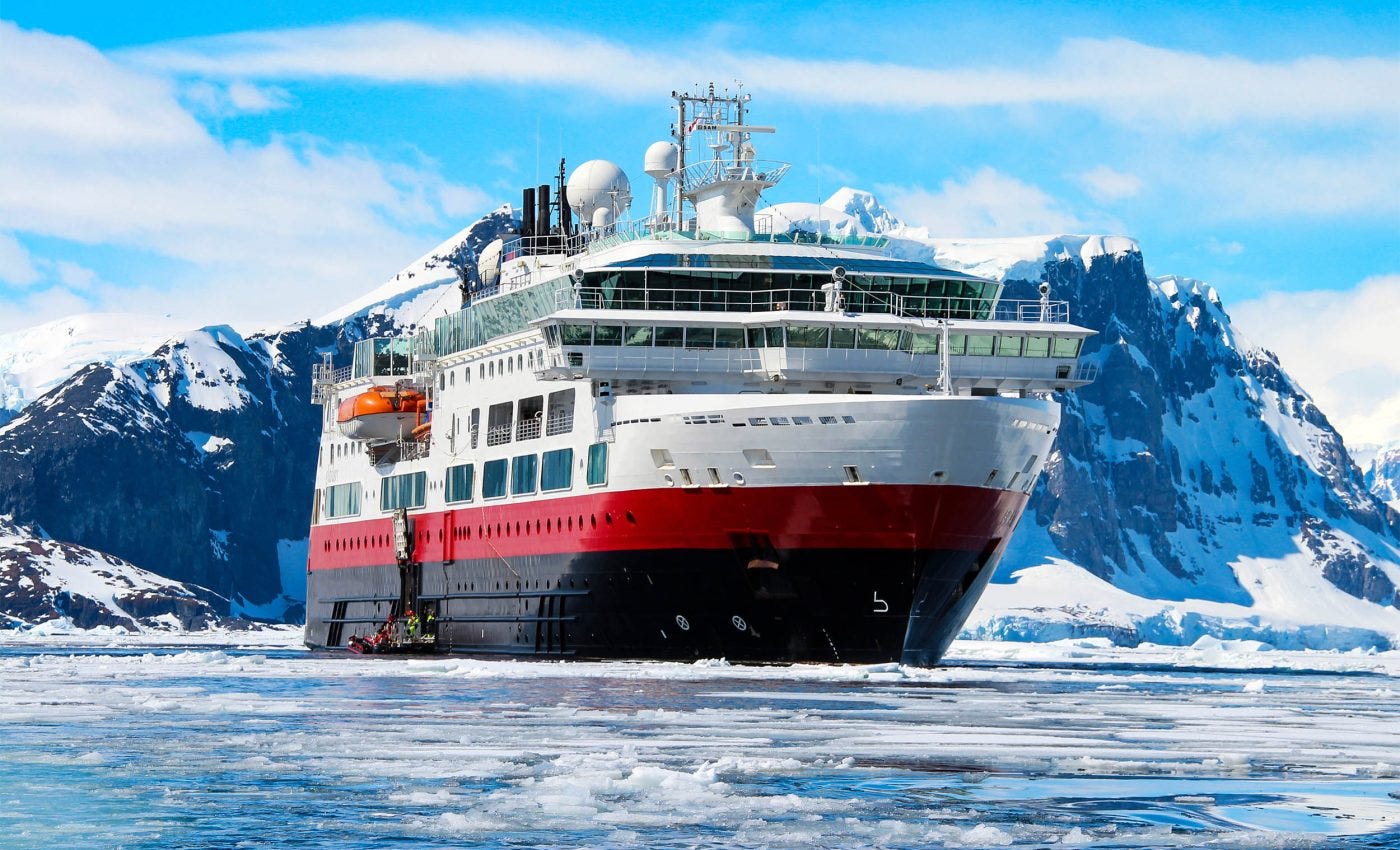
Unintended Consequences: The boom in Antarctic cruises and visits is tearing up the seabed in popular anchorages. If you have to destroy a destination to see it, maybe we don’t need to see it:
Over dozens of dives in multiple regions, including well-known locations where ships drop anchor in the icy Antarctic waters, they recorded hours of footage that showed crisp grooves matching the sweep of an anchor chain.
The lens caught bare patches where the top layer of fine sediment had been scraped away and plumes of silt hanging in the water.
In the strongest clips, crushed sponge skeletons and toppled sea fans sat within those chain-swept tracks, while nearby undisturbed patches still supported dense, living communities.
The contrast was clear and immediate: intact habitat next to scraped corridors.
Where Do We Stand? An excellent summary of how we are doing with regard to climate action. Lots of great things are happening. But:
Global efforts to reduce greenhouse gas (GHG) emissions and enhance carbon removals are failing to materialize at the pace and scale needed to keep the Paris Agreement’s temperature goal within reach, according to new findings from the State of Climate Action 2025.
This research provides the most comprehensive roadmap yet for closing the global gap in climate action. It translates the 1.5 degree C limit into actionable targets for 2030, 2035 and 2050 — showing how fast the world must move to transform the highest-emitting sectors, shift financial flows to align with the Paris Agreement and scale up technological carbon dioxide removal — and grades real-world progress against these benchmarks.
This year’s report card, the fifth in the series, is sobering: Not one of the 45 indicators assessed is on track to achieve its 2030 target.
The tech is out there. It is all about acceleration and adaptation. Which is hard with the Big Climate Baby in the White House. Still, as Jane Goodall preached, there is always hope and every positive individual action matters.
If you liked this post from Sailing Into The Anthropocene, why not subscribe here (free!), and/or hit the share button below? You can also find me on Instagram and BlueSky. (You can find me, but I have discovered life is better without social media).
Comments
Nothing yet. Say the first thing.
Sign in to join the conversation.