
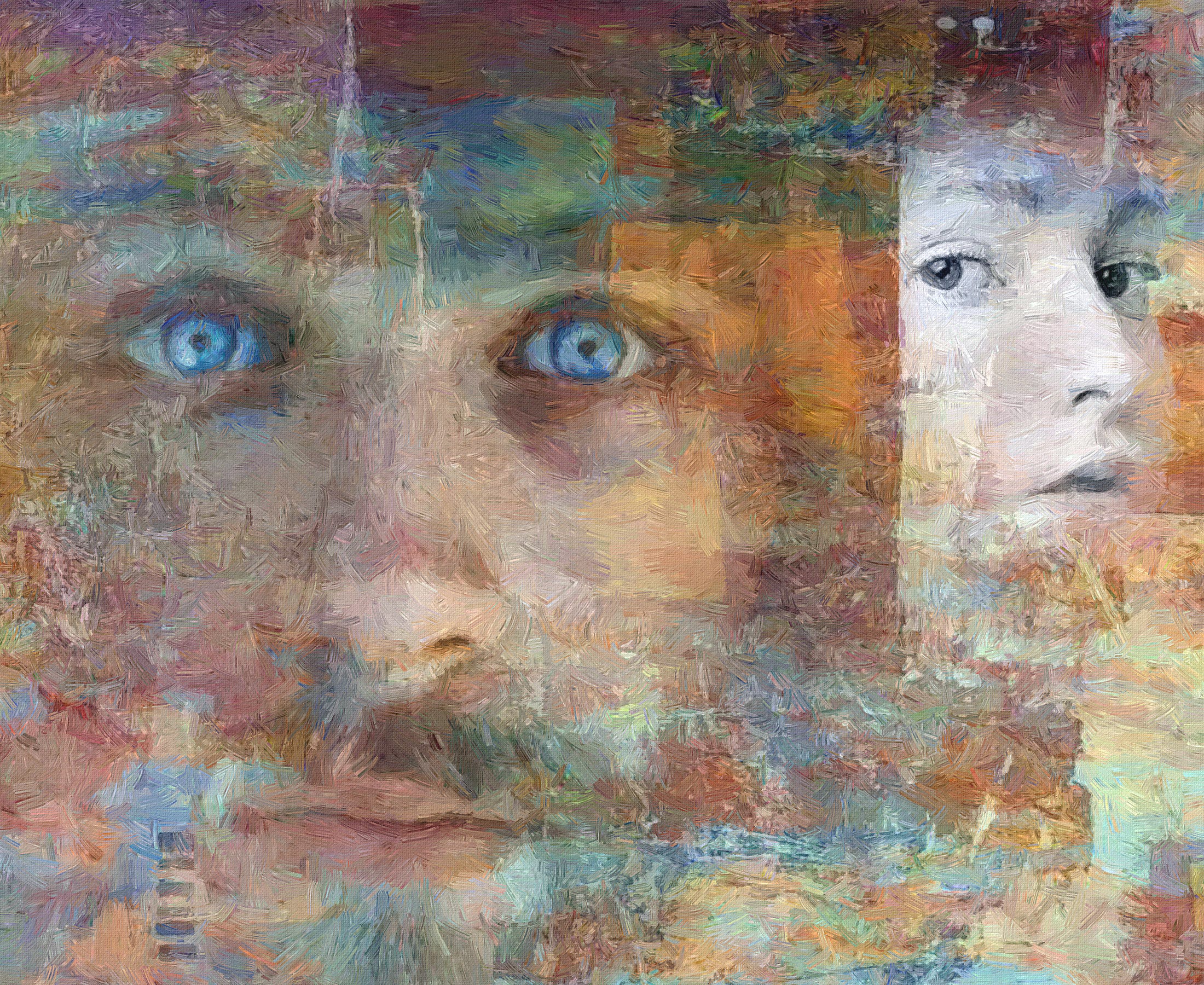
Happiness cannot be willed, cajoled or bought. It comes as a freely given gift once you clearly see the image you have created—the one you call "yourself"—is false.
The three paragraphs listed below are from an article written by Fergal Keane, an Irish foreign correspondent with BBC News: 'I spent 30 years searching for secret to happiness - the answer isn't what I thought'.
1. Professor Bruce Hood, of the University of Bristol, speaks of the human tendency "to blow things out of proportion…[focusing] on our own failings or inadequacies". He runs ten-week courses at Bristol on the science of happiness and talks about the need to find balance because, as he puts it, "our minds are biased to interpret things very negatively".
2. In my experience, the secret to happiness is that… there is no secret. It's out there in plain sight, all around us, waiting to be found. But it is not ever present. It is not the natural everyday condition of humanity; no more than depression or rage are.
3. [...] Phil Stutz spoke of three fundamental truths to be accepted by people struggling with mental health problems: that life can be full of pain, full of change, and that living with these things needs constant work.
And though, as a human being, I cannot disagree with those paragraphs, I ask, who or what is it that struggles to be happy? The body one perceives as his or her self? Or is it the image (the collection of thoughts) one has made in response to the world seen outside the self; an image that lives exclusively by, in, and through thought, thought being primarily a survival mechanism designed to interpret sensory stimulation—sight, sound, touch, smell and taste. On such sandcastles do we build our image. Is it not quite apparent why happiness is so elusive?
Happiness cannot be generated by that which generates your unhappiness, that is, the image you call "yourself", a self made from a conglomeration of ideas that are used to prove your reality as a person (ideas that are not all in agreement with another, and clearly the majority are not happy ones). And why do we strive so mightily to prove our reality, a life lived which is purposeful, meaningful—because one day we will not exist.
The idea of death is the ultimate image creator for all who are born to this world; but when you see the truth of the image you have created for yourself without judgment, happiness comes of itself, for that is the truth of you, death only a insubstantial shadow cast by the light of your immortality.
Comments
Nothing yet. Say the first thing.
Sign in to join the conversation.