
Have you ever felt the air displaced by the flap of a butterfly’s wings? Maybe if you were an ant walking beneath one as it pushed off, it would feel like a powerful downdraft. Sometimes I wonder if they are flying or floating, how softly they move through the air — the tiny gust I have never felt.
The wing moves the air, a stirring our skin may never catch, and yet it has given us a real and now famous idea: the butterfly effect. A meteorologist named Edward Lorenz found it by accident in 1963 — others had brushed against the idea before him, and the name came later, from other hands. He had rounded a number in a weather simulation, a change so small it should not have mattered, and watched the forecast spiral into something unrecognizable. Many people take it to mean that small things hold great influence. A thought beautiful, even — the world held in a grain of sand. The deeper reading runs the other way: the world is so sensitive to its own starting conditions that, past a certain horizon, the future stops being knowable at all. We measure, we model, and still the weather slips away from us in about two weeks. Scientists still argue about the exact shape of that wall. That it stands, they agree.
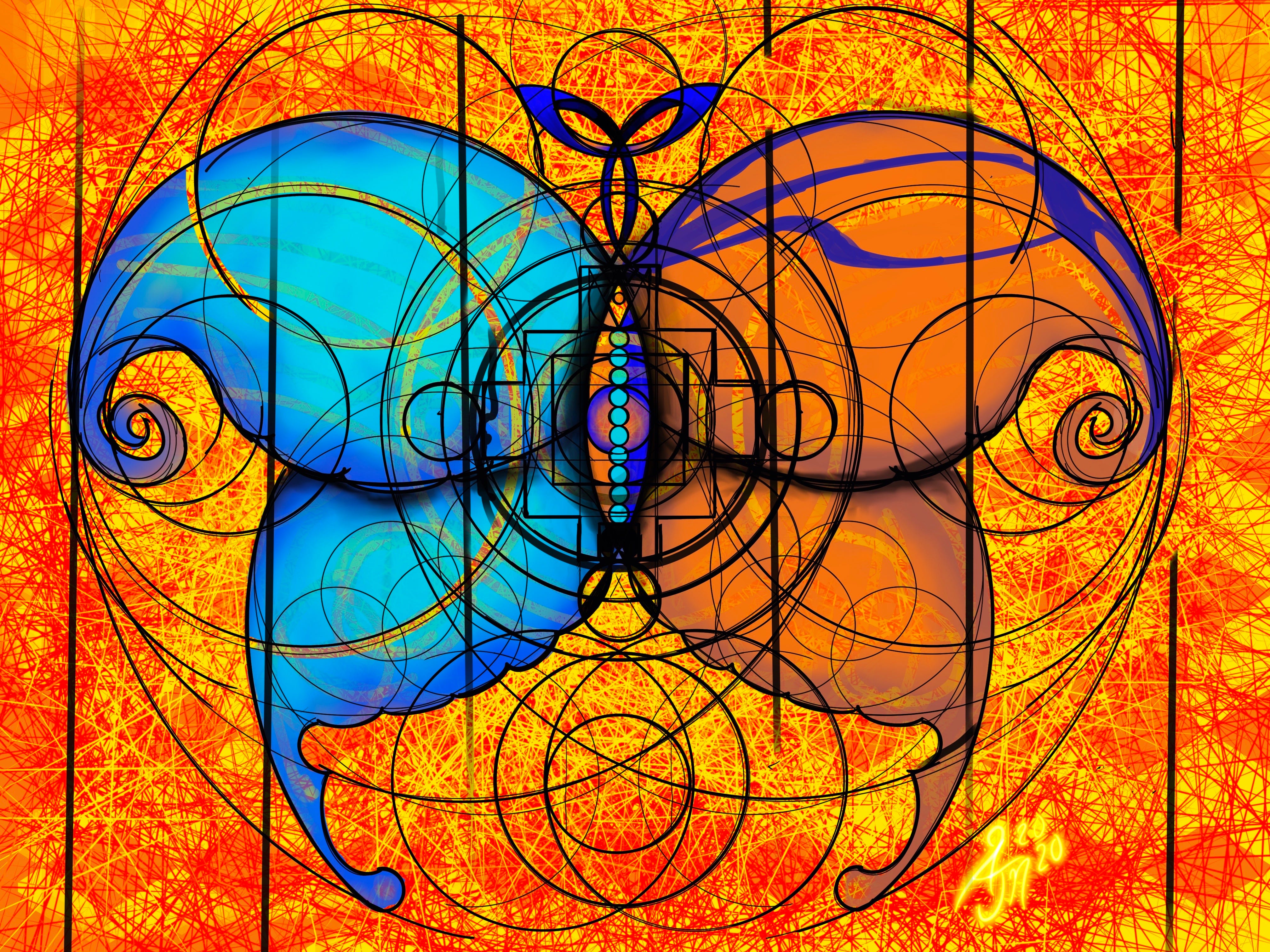
We grant the small and the unfelt all of that. We accept, without flinching, that a system can be so sensitive its future escapes us no matter how closely we look. Then we turn to a human being — more sensitive still, moved by the smallest thing — and treat them as already read: who they are, where they’ll land, settled in advance, blind to the shifting conditions they live in.
We hand the butterfly the entire future and refuse a person the same mystery, in the only life they have.
Do you feel the asymmetry in this? Picture a scale: a single butterfly on one side, a whole person on the other — the butterfly on the floor, heavy; the person up in the sky, weightless. It is why two people can argue all day over the questions that divide us most, and both be right and both be wrong. Life withholds the clean answers we keep demanding of it, and the places where we insist on the most certainty are the very ones that offer the least.
I am guilty.
I am guilty of thinking I know better. Better than the officials in office. Better than the generation that came before me. Better than the crowd online who also know better. Better, even, than God.
And I am guilty of the next thing, the operational thing: diagnosing whole populations, classes, movements, eras and systems. Prescribing the cure. Feeling frustrated and superior even when nothing changes — especially when nothing changes.
Who do I think I am? I think I am someone who has answers to the problems I see in the world. Answers I believe could improve life for millions, could save generations, could restore us, could let us live the whole of a life. That drive is real. It is the best of me and the trap of me at once.
The trap scales. We built a formula for how a life turns out. Adverse childhood experiences — abuse, neglect, a home coming apart — counted into a score that predicts the rest: heart disease, depression, addiction, an early grave. The line holds across millions, one of the firmest findings we have.
Then it breaks the moment you hold one life in your hands.
The child with every box ticked, who grows up steady and whole. The child with a clean sheet who comes apart in ways the worst histories would predict. Its makers say it plainly: it works on the crowd and goes blind on the person. It cannot tell you which child is which.
Because the thing that turned it fits in no box on the form. It surfaces only when you ask the person — Who are you? How did you come to be this way? — and they tell you about the one teacher. The one grandmother. The one stranger who saw them on the worst day and stayed. One person. One moment. One beat of a butterfly’s wing.
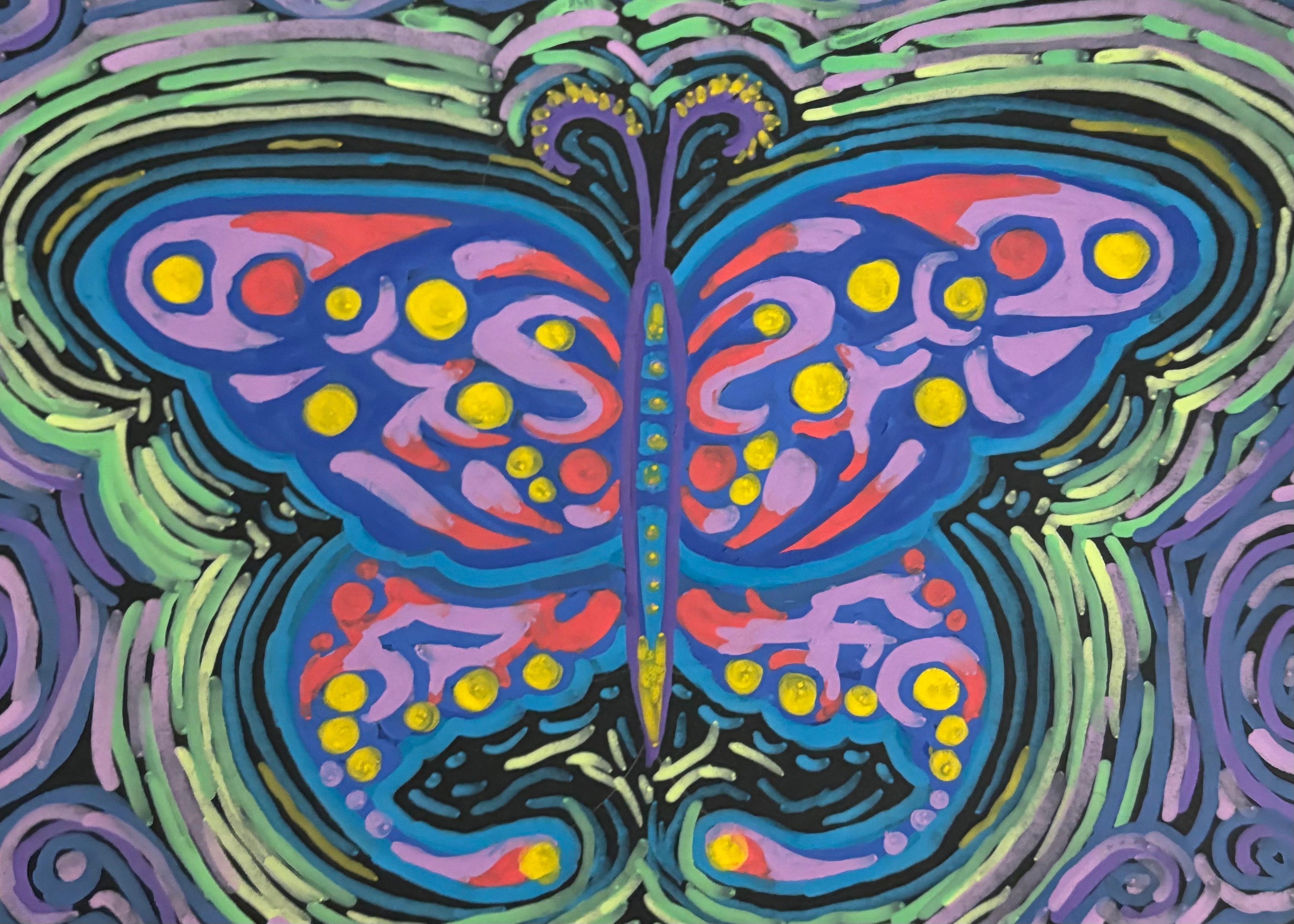
So let me rightsize, and return to where my voice lives.
I do not know what is best for anyone else, beyond the bare physical needs that sustain us. And even those vary so widely they barely hold as a floor. Maybe you don’t need more protein — maybe your kidneys are failing, and more would only deepen the harm. The thing I would prescribe as obviously good becomes, in your body, the harm.
If shared physical needs fracture that easily under individual conditions, what business do I have legislating the rest of your inner life — your God, your meaning, your way of carrying a day?
What can I actually know, then?
Less than the claim usually wants. I can misread my own sensations. I can take anxiety for danger, hunger for sadness, feel ache in a limb that is no longer there. The instrument measuring me is me, and it runs dirty.
My reading can be false. The floor underneath it holds anyway: that there is something it is like to be me, here, now — that experience is occurring at all. Even the misreading is mine, happening in me, in this moment, in this body. That much no one can take and no system can invalidate. It is the one datum that does not arrive from outside.
I say I’m tired, and the answer comes back that I shouldn’t be — a little cut, a little correction, my reading overruled by someone who isn’t in here. The one instrument that can’t be wrong about its own state reports tiredness, and I am told it is invalid. Defer. It measures me better than I measure myself, it says, and asks me to believe that.
So I am forced into a system that says my being does not exist — that my felt, present, living experience is no input to the formula by which it issues its orders. The one thing I can know for certain is the one thing it refuses to count.

The refusal is the design. The machine doing exactly what it was built to do. It begins as almost nothing — an agreement so small we may never say it aloud. Yes, the world is that sensitive. Yes, a body can spin the forecast past knowing. Grant that much, the way we already grant it to the weather, and the end is set. The futures scatter every direction and land in the same place: you cannot predict a living thing. The paths diverge; the conclusion holds. In a world like this, the one thing you can foresee is that you cannot foresee.
And control needs foresight. To guarantee an outcome you have to see it coming. When you cannot, one road is left — cause it. Stop reading the system; move it by hand. Steer. That reach is forced, the one exit from a wall with no other door. And the last sensitive thing, the final variable that escapes prediction, is the living body. That is where the hand goes.
So the machine stays blind to itself. It cannot predict me. I can predict it. A thing that must control grabs the lever every time. The system that cannot read a living body has made itself legible to the bone, to anyone who reads its actions over its words. It told on itself. The future stays dark in every direction but one. Theirs.
So what am I handed, really? A script. A world built by people I have never met and never will, who lived so differently we might as well be another species. Expectations. Culture. Debts. Wants. Words. Letters. The very language I use to say who I am at all — handed to me, every piece of it, before I could consent to any of it.
Every day I can feel like a mastermind. An important person. Tracking the global and the immediate, scrolling past thousands of people all over the world as if I could know any one of them from a one-liner, a character-limited hook, a face held still for a second. It is the same delusion as the first confession, wearing a newer coat — I know better — except now I can see who built it: the feed, the limit, the script, the people I’ll never meet who wrote the words I think my thoughts in.
Here is the question the whole thing leaves me holding. If everything handed to me came from somewhere else — the language, the debts, the wants, the very sentence I use to claim a self — then what, underneath all of it, is actually mine?
Only this. That I am here. Reading it.
The script was given to me. The fact of reading it is not. That is the one un-handed thing.
A system that cannot predict the butterfly has only one move left: to keep the caterpillar from ever growing its wings — the body kept feeding, seeking, unfinished, the completion stopped before it can start. And the move works. The wings get clipped in the cocoon, taken before the body knows it had them. So many never open. We have watched it work, and work early.
What it cannot reach is smaller, and underneath: the bare fact of being here, the reading itself — the one datum that arrives from nowhere outside, that no one hands you and no one takes. They can stop the wings. They have not stopped that — the ground a voice grows from, even in a body kept from flight.
That is where my voice lives.
That is where wings grow.
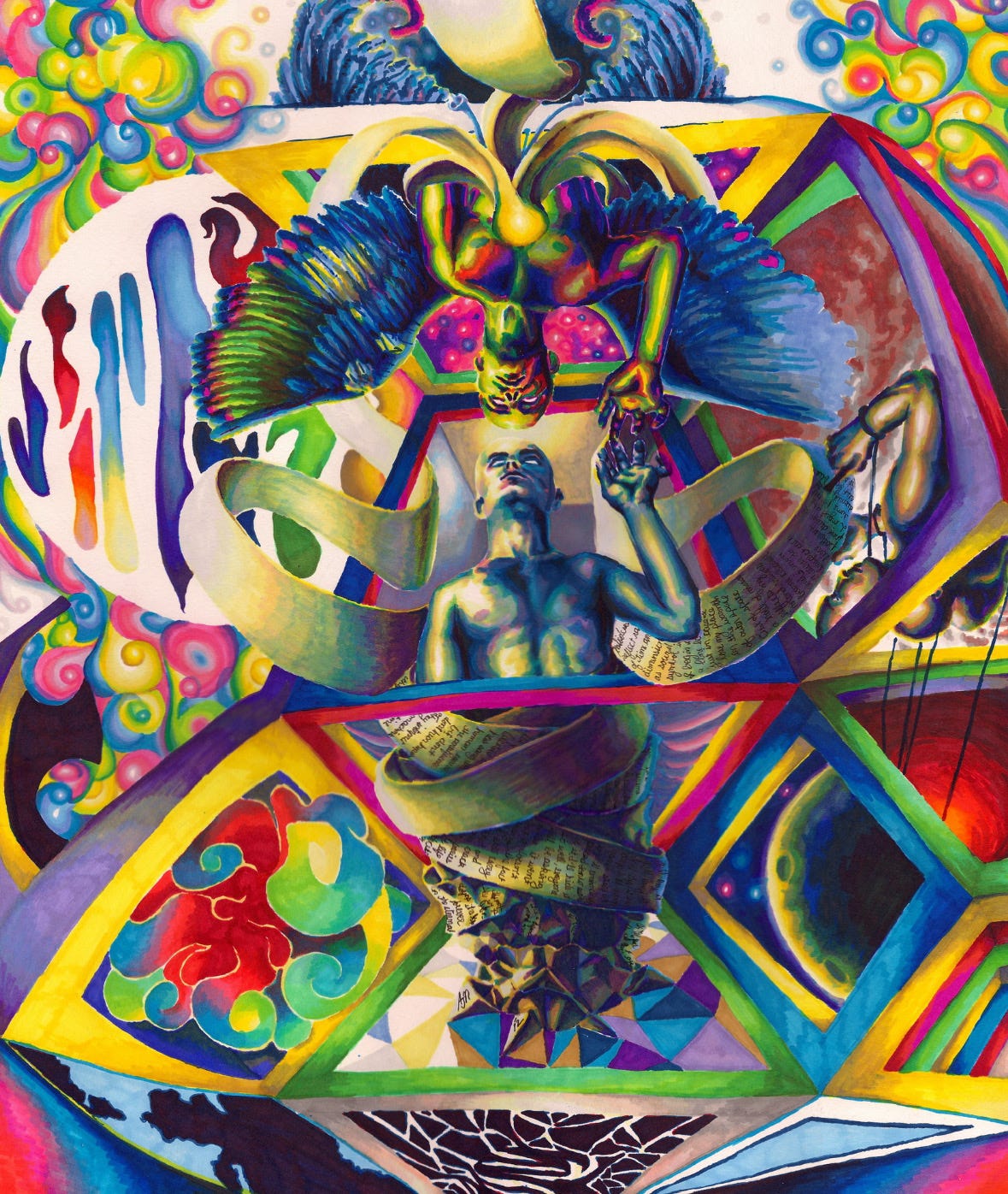
Inspirited In Sight reads the body for what it knows before the words arrive. If a line here stirred in you ahead of language, you already hold the instrument — that recognition is the method. Subscribe and stay close.
Firetongue writing with Common Sense Rebel, puts language under the loupe — my own life on the bench first — and reads what it does to the body that carries it. Each piece is a specimen on the table. Subscribe to read along.
Comments
Nothing yet. Say the first thing.
Sign in to join the conversation.