
I write all day at work. Between customers and the curated performance I deliver on cue, I write fast — thoughts, stories, notes, reminders, lines like these. A way to remember myself. Proof a body, a being named Anthony was here.
I rarely reread. I preserve myself in shapes on a page where I can say what I feel and think with no penalty.
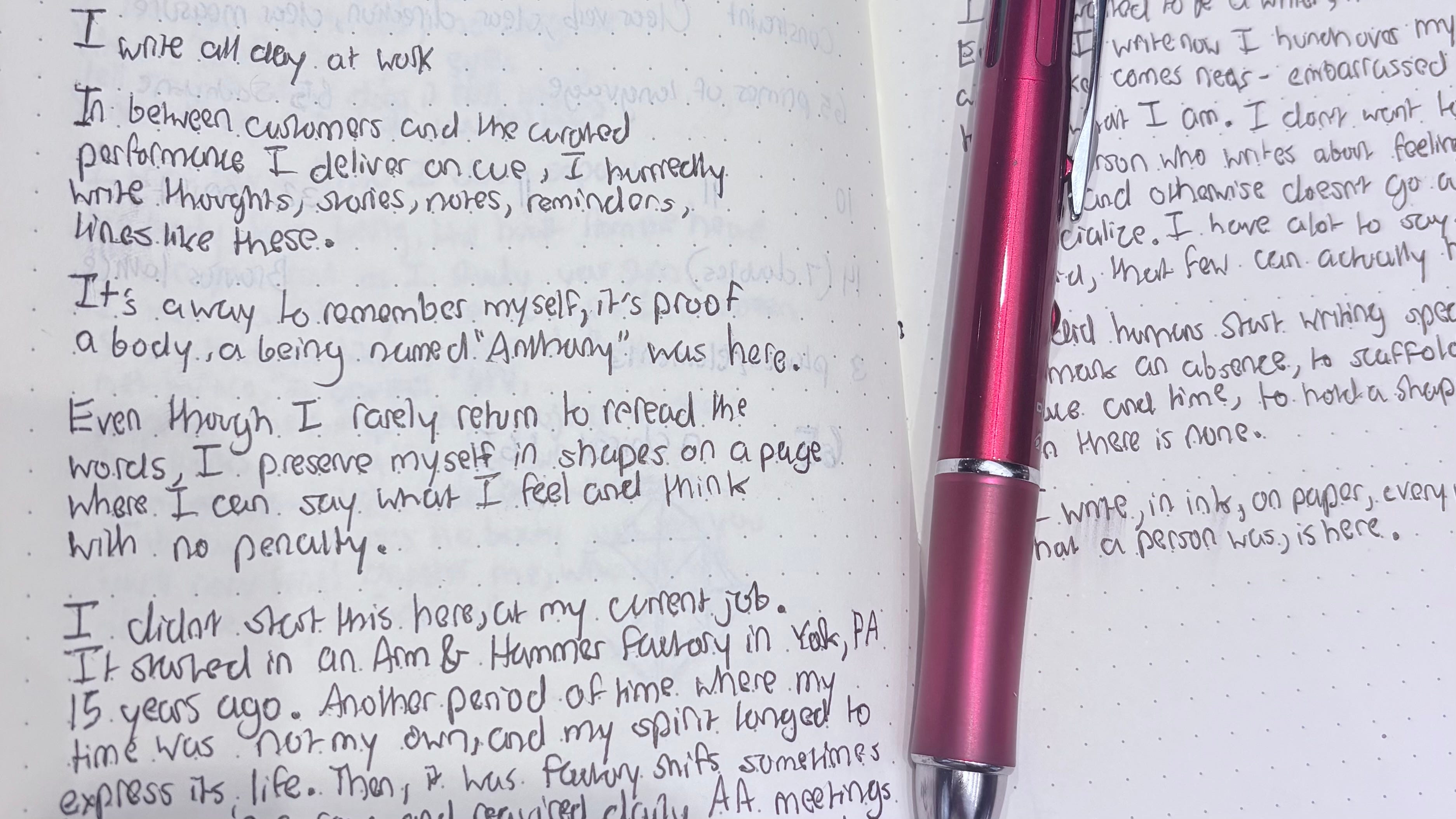
It started fifteen years ago in an Arm & Hammer factory in York, Pennsylvania. Sometimes fourteen days straight. Required daily AA meetings. Curfew. A sober living house. A room shared with two other recovering addicts. No one there could hear what I was, even myself. We were all still too busy trying to remember who we were without booze or drugs. The page became a place where I could see what I couldn’t yet be.
I used to rip pieces off defective cat litter boxes on the assembly line and write on them as I kept the machine stocked.
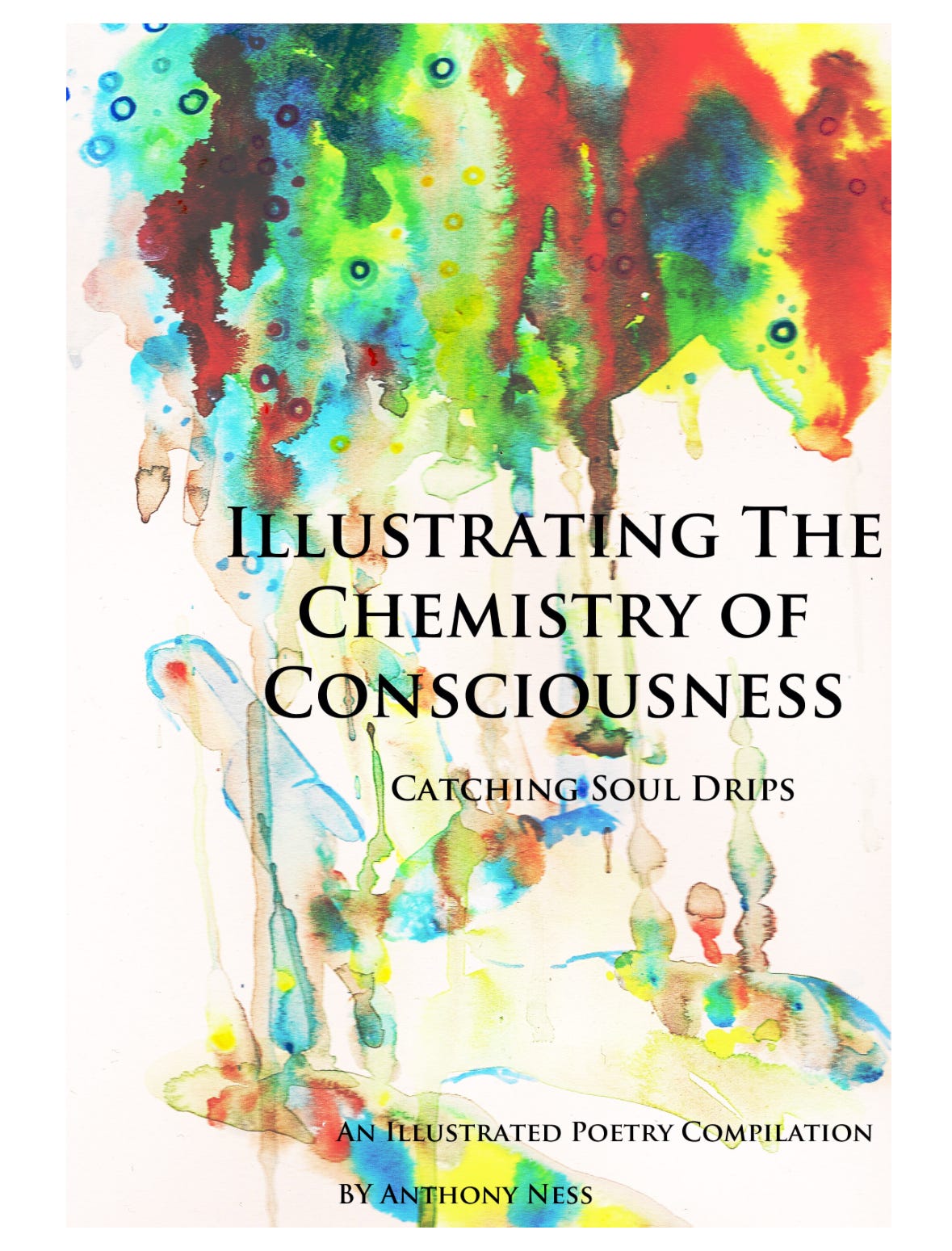
Those fragments became poems. The poems became a self-published book, with art I made in the few free hours I had — many of the pieces drawn in rehab with a ball point pen.
I never wanted to be a writer.
Even now I hunch over my notebook when a coworker comes near. Embarrassed. Performing embarrassment, really, because I know it’s expected. Like I have to hide what I am. I have a lot to say that can’t be said, that few can actually hear.
To mark an absence. To scaffold across space and time. To hold a shape like trust when there is none.
I found my voice before I could write it. The seal broke. The bottle of booze shattered the hardened shell of my chest and freed the words I’d kept inside. That voice had never spoken out loud. When it was heard, it was punished. The fear dissolved. The voice came out, slurred and messy at first.
I saved it from drowning in that abyss.
Clay tokens — one for each sheep, each measure of grain — sealed inside, fired hard. On the outside, marks naming what the inside held. A bulla.
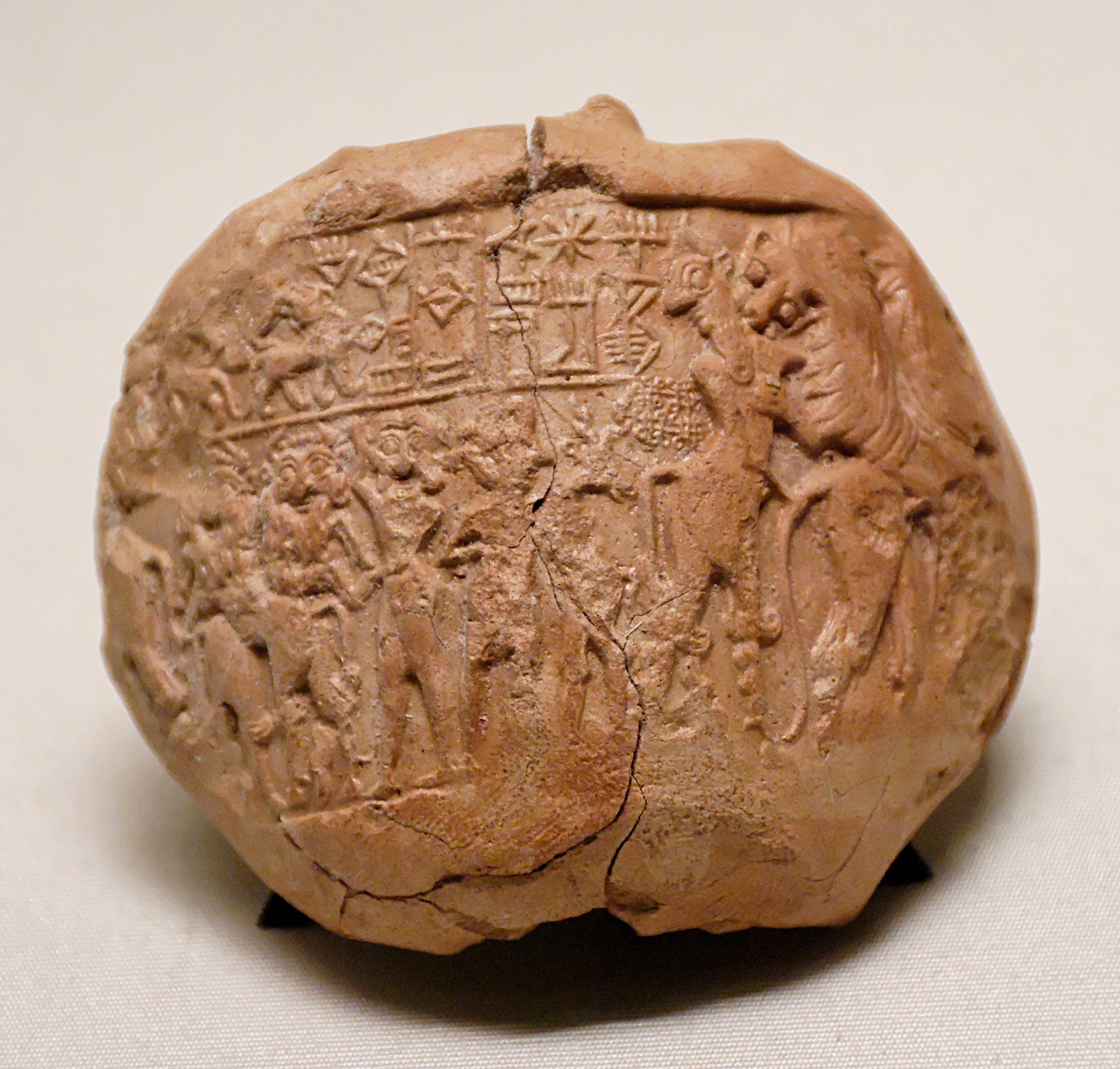
Sheep. Oil. Grain. A debt between a herder and a temple. A promise that had to survive the months between sowing and harvest.
The marks existed because the bodies could no longer verify each other. The lender and the borrower lived in different villages. One of them might die before the debt came due.
A spoken promise between two bodies in the same room, in the same community, known and trusted, needs no receipt. The bodies in relationship are the record. The breath holds the shape, gets exhaled, received, witnessed. Both remember because both were there.
You only need the clay ball when the bodies separate.
The herder wrote because the temple could not be trusted across time. I wrote because the room could not be trusted across the night.
Sometimes the body itself becomes the clay ball. Sealed around what it cannot release.
Linear B’s earliest tablets are inventories — sheep, oil, weapons, slaves. Egyptian hieratic served administration before it served anything literary. The Phoenician alphabet traveled the trade routes. The earliest extensive Greek inscriptions are property markers and grave dedications: this is mine, this body was here.
The load: record what bodies cannot carry between them.
Lack is the ground. Everything else is what we built on top.
I write, in ink, on paper. Every mark evidence that a person was, is here.
What happens when no body remains in the words?
Who was here?
Where is the life living that made meaning with its own hands?
Inspirited Insight is where I write from the body. Personal testimony, gemological essay, fiction, the work of remembering myself in shapes on a page. Subscribing — free or paid — keeps these marks visible and tells me a body received them.
I also write at Firetongue, the structural counterpart: language as instrument, extraction as architecture, the mechanism beneath what you just read.
Paid subscribers at either publication support the broader project — the book Completion, the research, the time it takes to do this work without compromise.
Comments
Nothing yet. Say the first thing.
Sign in to join the conversation.