
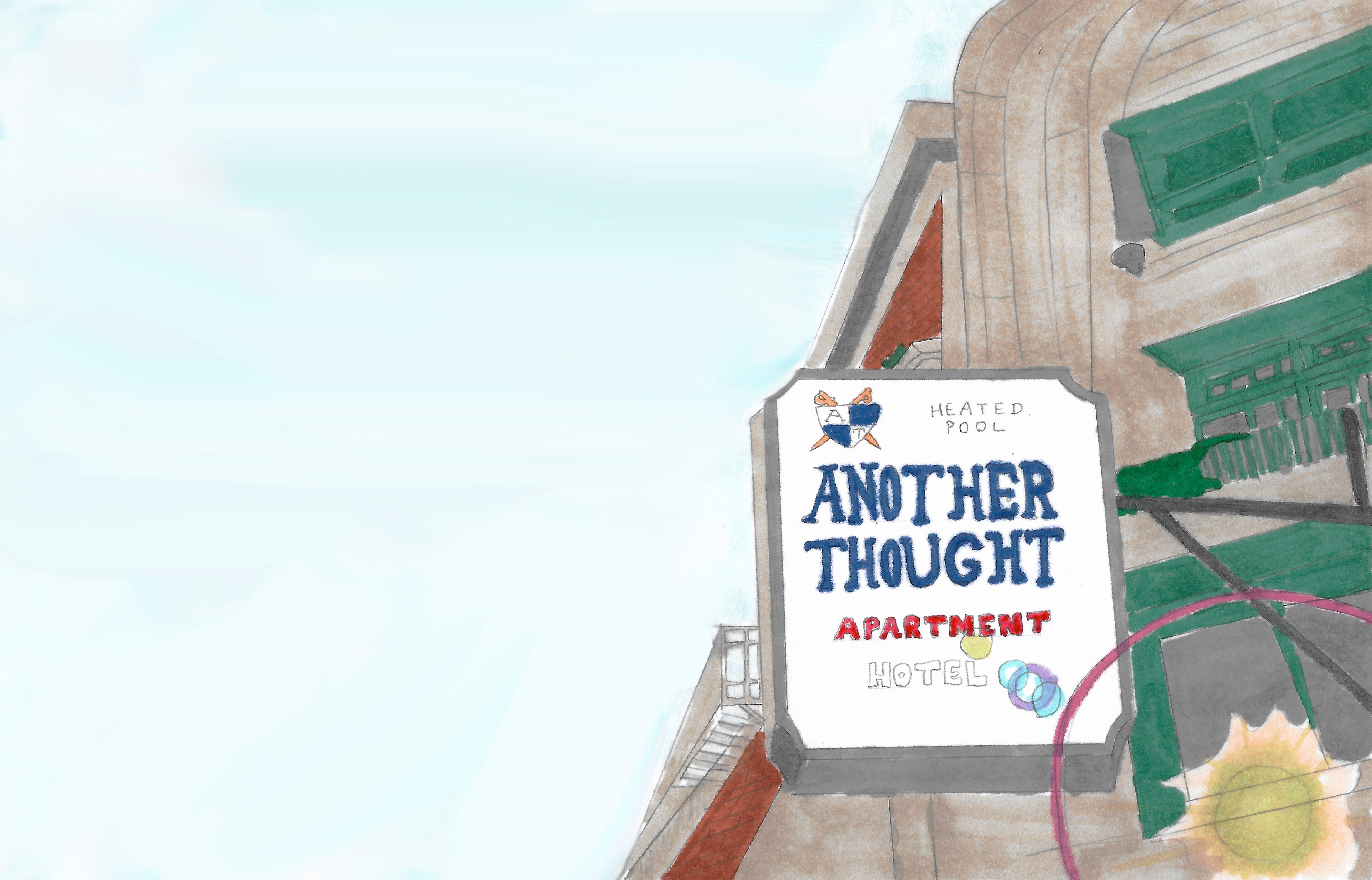
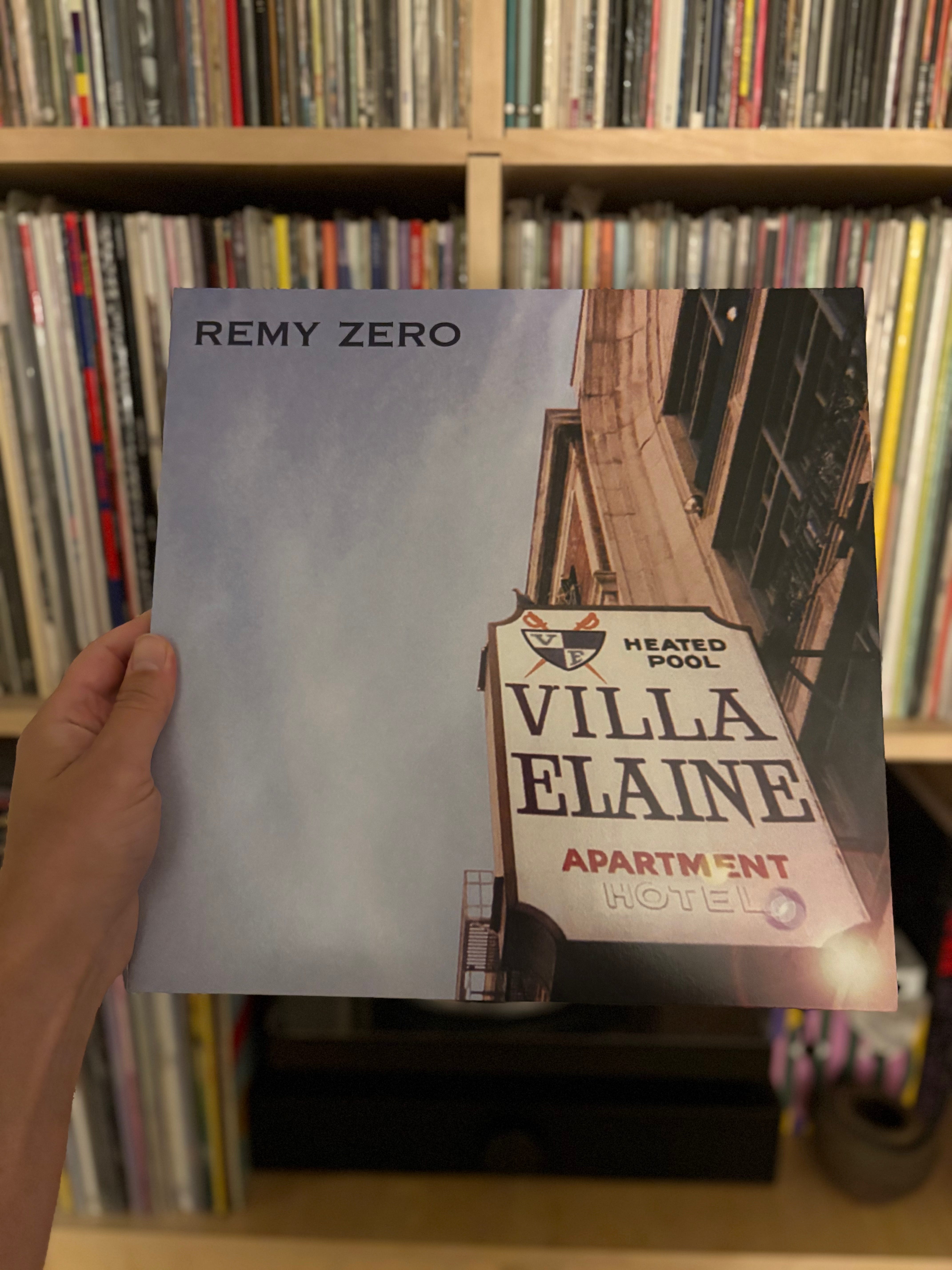
I couldn’t believe I was actually holding it. I’d dreamed of it. Fantasized, even. But I figured it would never happen. Remy Zero’s second album, Villa Elaine, on vinyl and in my hands. Since I started collecting records over 20 years ago, I’d dreamed of this moment.
It’s okay if you don’t know this record. Frankly, I’m surprised when I run into people who know it, even more when I find someone who loves it. But I know from decades of message board sleuthing that I’m not the only one. And that was only proven by the recent, first-time vinyl pressing of arguably Remy Zero’s magnum opus.
Sometimes it feels like being in a cult in which I know none of the congregation. It seems like those of us who do know about the band are very hopelessly (and helplessly) devoted.
I bought my first copy of Villa Elaine at Warehouse Music—it was the same day I picked up the Dragon Ball manga where Goku first turned Super Saiyan against Frieza, so it was a pretty big day in forming my personality. I’d already owned a copy of The Golden Hum (and various songs I could get off of Kazaa) and already counted myself as a fan. But finally experiencing Villa Elaine in its entirety was something else. Almost right away, it’s like I felt a shift. The way I heard and experienced music was fundamentally changing.
There was an entire summer where I listened only to Villa Elaine and The Golden Hum. Stuck at home, not old enough for a driver’s license, I scoured the internet and spun these discs over and over again. I spun my first copy so much and took it with me so many places that eventually it cracked in half. Maybe it was over the top, but there’s nothing like being a teenager and having nothing but time to obsess over something new.
Others might hear a “very solid ’90s rock band.” When I listen back to Remy Zero, and Villa Elaine in particular, I see a roadmap of my life. It’s one of those records I can clearly pinpoint to setting me down a lifelong obsession with music. I can hear bits of all the different types of music I love now embedded at different points in this record.
Villa Elaine was my gateway from just accepting whatever radio and music videos pushed onto me, and my first step into becoming a lifelong crate digger. And it gave me an even deeper mission that I took (maybe) a little too seriously: to not let good artists be forgotten.
Often I’ll sit and wonder if I fell in love with this band because they are truly great and I unwittingly discovered a misunderstood gem, or if it was just that I latched onto this random band and if it wasn’t them it’d have been someone else. I’m starting to accept that both ideas are true.
I always feel like I need to start on the defensive when I tell people Remy Zero are my favorite band. I have quips and facts ready to go.
“They did the theme song for Smallville! They were on the Garden State soundtrack! Radiohead were big fans! Yeah, nobody knows them. Anyway, I also like…”
It’s like I need to give a point of reference or downplay it instead of doing what I really want to do, which is gush about them. My obsession with the band has made it harder to talk about them. Like, I can’t just be normal about it the same way I am when I recommend literally any other music to people. It feels too close, too personal, and I feel a little bummed when others don’t connect with it. That last part is obviously out of my control. But when you love certain music so much, sometimes you can’t help but wish everyone could see it the way you do.
All these feelings came rushing back as I put the disc on my turntable the other night. For the entire Side A, I just stood there—transfixed in front of my speakers, mouthing every word. I felt so much pure joy. Like running into an old friend on the street and catching up. It hadn’t even been that long since I last heard the songs—I picked up a CD copy (my third copy in this lifetime).
Now, decades into this obsession, I’m regretting not talking about them enough and letting my love for them shine. For me, it quickly became more than just the music. It was their story that captivated me. A band that feels like they had the promise, were poised to break out, but never quite got there. There’s some tragedy to it. But also beauty in that it even happened. To love Remy Zero is to know how they got there. So, please, indulge me.
So much of Remy Zero’s story is shrouded in mystery and intentional myth-making. The band pushed a story that they’d found the lost tapes of an Alabama railroad worker named Remy Zero, with hours upon hours of ambient railroad sounds and conversations, naming the band after him in hopes of finding him. That…wasn’t true. But it’s a great story—and the kind of detail that only made me more obsessed with them.
Tapes did play a substantial role in the band. As I understand the story, things began with the Tate brothers—Cinjun and Shelby. The two grew up in a family of artists, with free-spirited parents who painted and recorded spoken word poetry in rural Birmingham, Alabama.
Cinjun told me in an interview back in 2019 that Shelby gets credit for “inventing” the band. Shelby would record himself to tape, layering all the instruments and bringing in his brother Cinjun to sing. The two were just teenagers at the time. Shelby began sending copies of the tapes to record labels and shockingly got attention from major labels. They quickly had to turn Remy Zero from a home-recording tape project into a real band, so they recruited their friends—bassist Cedric Lemoyne, guitarist Jeffrey Cain, and drummer Louis Schefano.
That always grabbed me, the idea that a kid’s makeshift home recordings could suddenly bloom into a real band being courted by the top of the industry. Around 1992, they signed to Capitol Records and began work on what was intended to be their debut album, Chloroform Days (sometimes referred to as St. Genet). Ultimately, the album was never released, and the band were dropped from the label. Though that hasn’t stopped the album from finding people. The record made its way to Los Angeles radio station KCRW, who spun it and became fierce champions of the band for years to come.
Chloroform Days also found its way into the hands of their brief labelmates and rising stars, Radiohead. Radiohead loved the record and years later invited the band to support them on tour. Once I learned that detail, it felt like validation to me for years—like proof I wasn’t crazy for loving them this much. The band members themselves still cite Radiohead as an influence, particularly on OK Computer.
Label changes and politics would continue to mar the band, but for now they pressed on. The band ended up at Geffen Records—another major label scooping up artists in the “alternative rock boom” of the ’90s alongside Nirvana, Sonic Youth, The Flaming Lips, Weezer, and more.
With Chloroform Days stuck at Capitol, the band started over. They moved to Los Angeles and released their self-titled debut in 1996. The album built off the experimental and expansive songwriting of their first attempt, just a little more crystallized and focused. Like the tornado spinning on its cover, the album is dark, brooding, and wild—raucous and punky at moments like the opener “Tenemos (Here Comes the Shakes),” tender and hopeful, like possibly their best song “Twister,” and fiercely pushing their own boundaries like the barn-burner “Chloroform Days.”
I love this album dearly, but it doesn’t seem like many others did at the time. Its sales were low, and what middling reviews it got were far from glowing. Critics derided it for being too “aimless” and “atmospheric.” Of course, to each their own, but these are some of the qualities I hold most dear about the band. It made me want to lean in more and try to understand what they were trying to convey.
In the years after their debut, something shifted. Where they started in LA, homeless and without bearings, they began to settle into their new life—embracing the city, its glamour and spoils, its sunshine and ambition.
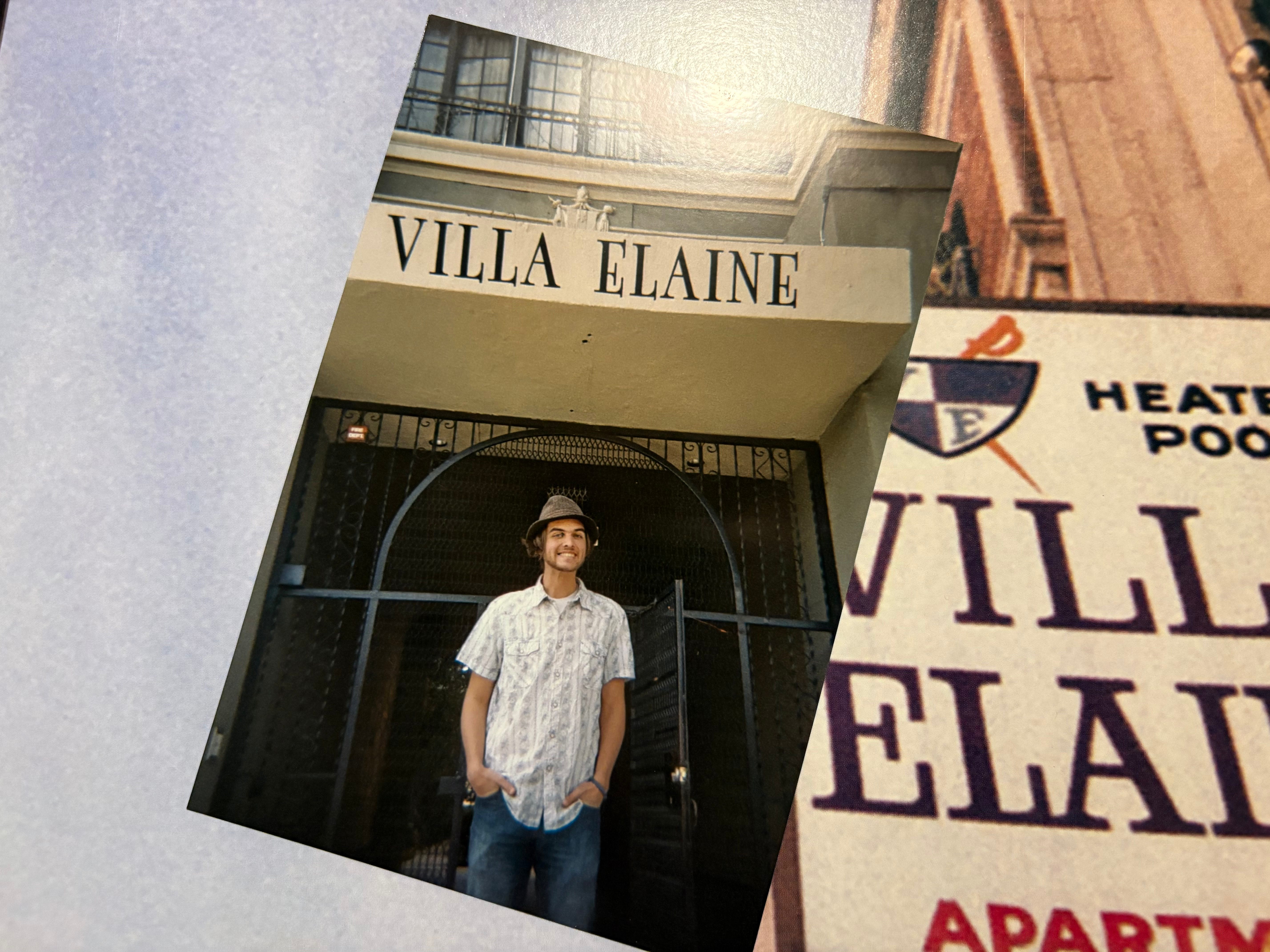
The band moved into an apartment building called the Villa Elaine in the heart of Hollywood. The Villa Elaine feels like a monument to Hollywood’s not-so-long history—home at different points to Frank Sinatra, Orson Welles, and Man Ray. They couldn’t have picked a more poignant place to be at this point in their life. The building would be further immortalized when it became the namesake for Villa Elaine.
It was during this time that the band also found their final missing piece: drummer Gregory Slay. While I always loved Louis Schefano’s drumming on the first two Remy Zero albums, there’s no denying Slay’s presence uplifted the band. Slay was a monster behind the kit—his energy triumphant and eager. It felt like the version of the band they’d been building toward finally clicking into place.
Villa Elaine didn’t eschew all the great production craft they’d built up on their previous recordings. But you can feel the band becoming more confident and assured. You can feel it from the opening track, “Hermes Bird.”
After a distant-sounding, muffled clatter of drums, Cedric Lemoyne’s bass comes rumbling in and showcases her keen ability for writing gorgeous, melodic bass lines. Jeffrey Cain’s guitar shows up next alongside Slay. The riff shimmers and glows in a way that none of the previous music ever did. It feels like waking up—a day as clear and blue as the album’s cover. And then, finally, Cinjun Tate’s vocals arrive, at first steady and calm before later soaring to those impossible heights that were his trademark. It all crescendos at the chorus:
“So hold to your permanent bliss
In the time that it takes to exist
From the hours to the fall of it
It’s all right
You’re all wrong”
I couldn’t quantify how many times I’ve played this song back. So many times I’ve hit the back button just to make sure I’m really taking in those opening seconds where the band pieces itself together. Truly, I don’t know if there’s a song that gives me the same jolt of serotonin that this one does. The lyrics aren’t even necessarily joyful. The opening line is literally “your sad songs rain in heaven,” before later talking about “life, limbs, and shattered blows / crawling out, you’re famous.”
Remy Zero’s lyrics have often eluded me. I think that mystery is part of what keeps me coming back. But I’ve always read this song as being about perseverance. Your sad songs rain in heaven, but you have to hold to your permanent bliss. Life will kick you while you’re down, but you have to keep going. Cliché? Maybe, probably. This is just my interpretation. It could all be about something else entirely. But the feeling I get from the music and the lyrics—my own experience with it—that’s what listening to music is really about.
And just when this hopefulness ends, the band returns with their biggest swing for “a hit” thus far in their career with “Prophecy.” A chunky, perfectly distorted guitar riff plays the foundation for menacing vibes. It’s ominous (they do ominous well), as if they’re really delivering a prophecy toward an unknown someone. The track had some modest success on the Modern Rock Tracks and Mainstream Rock Tracks charts and soundtrack syncs for She’s All That and the show Charmed (Cinjun would later briefly marry star Alyssa Milano).
The band’s most ambitious turn comes with “Hollow,” which I can best describe as a “psychedelic ‘Bohemian Rhapsody.’” Multi-movement, disparate sections fold effortlessly into the next. “Hollow” feels like a gnarly drug trip that someone gets to the other side of unharmed.
It’s hard for me not to just go track by track through these. How could I not talk about the Renaissance folk atmosphere of “Life in Rain” or their play at industrial music with “Gramarye”? Or how they crafted a perfect ballad with “Fair” and how that soundtracked a key moment in the indie breakout Garden State? I feel like I could write thousands of words about every song—maybe every verse on this album. But I’m already indulging myself a lot here.
When I listened back to the vinyl for the first time, there were a couple of moments that surprised me in how they stood out. One had just as much to do with the artwork. I read through the insert sheet, which I’m sure I’ve done a thousand times with the CD, but I wanted to see if anything was different. There were some minor credits added for this remaster, but it was something that was already there before that struck me. In bold text at the bottom, there was a line from their song “Whither Vulcan.” It reads: THERE’S NOTHING TO KEEP US TIED HERE NOW.
I’d hardly thought about it before. And to be perfectly honest, “Whither Vulcan” was the song that took me the longest to fall in love with. There’s a darkness and strangeness to it that I don’t think I was ready for as a kid. The song is low and shaky, like being day-drunk in the sun, too lazy and weak to fetch your water. I’m pretty sure I played it for a friend once who quickly derided the band as “stoner music.” Nowadays, I love this strange, strung-out, heatwave atmosphere and how Cinjun’s voice slurs against the acoustic guitar and swelling electric guitars.
That line from the insert comes at the end of the chorus like a proclamation, with the music slowing down and fading away—as if to say, “pay attention to this.” I’m ever hesitant to give definitive interpretations of these songs. But plucked out on its own, as it is in the artwork, that line feels important.
I think about the band at this moment in their lives, living together in a historic Hollywood apartment, drinking in everything the city has to offer them, maybe feeling like this dream of theirs is possible. Yet there’s a sense of finality in that line. Maybe it’s an awareness that this moment can’t last forever. At some point, you have to leave your own “Villa Elaine,” where everything feels beautiful and the future is bright. There’s nothing to keep you tied there. It’s time to go.
The other moment that struck me was the ending. On the original track list, the album ends with “Goodbye Little World”—a jaunty song that almost feels goofy and incongruent with the rest of the album. I’ve come to embrace the strange silliness of it as the band describes a crazy party with people hiding in closets, lost dogs, and drinking all the gin. You can almost imagine the song being written and recorded during all these shenanigans.
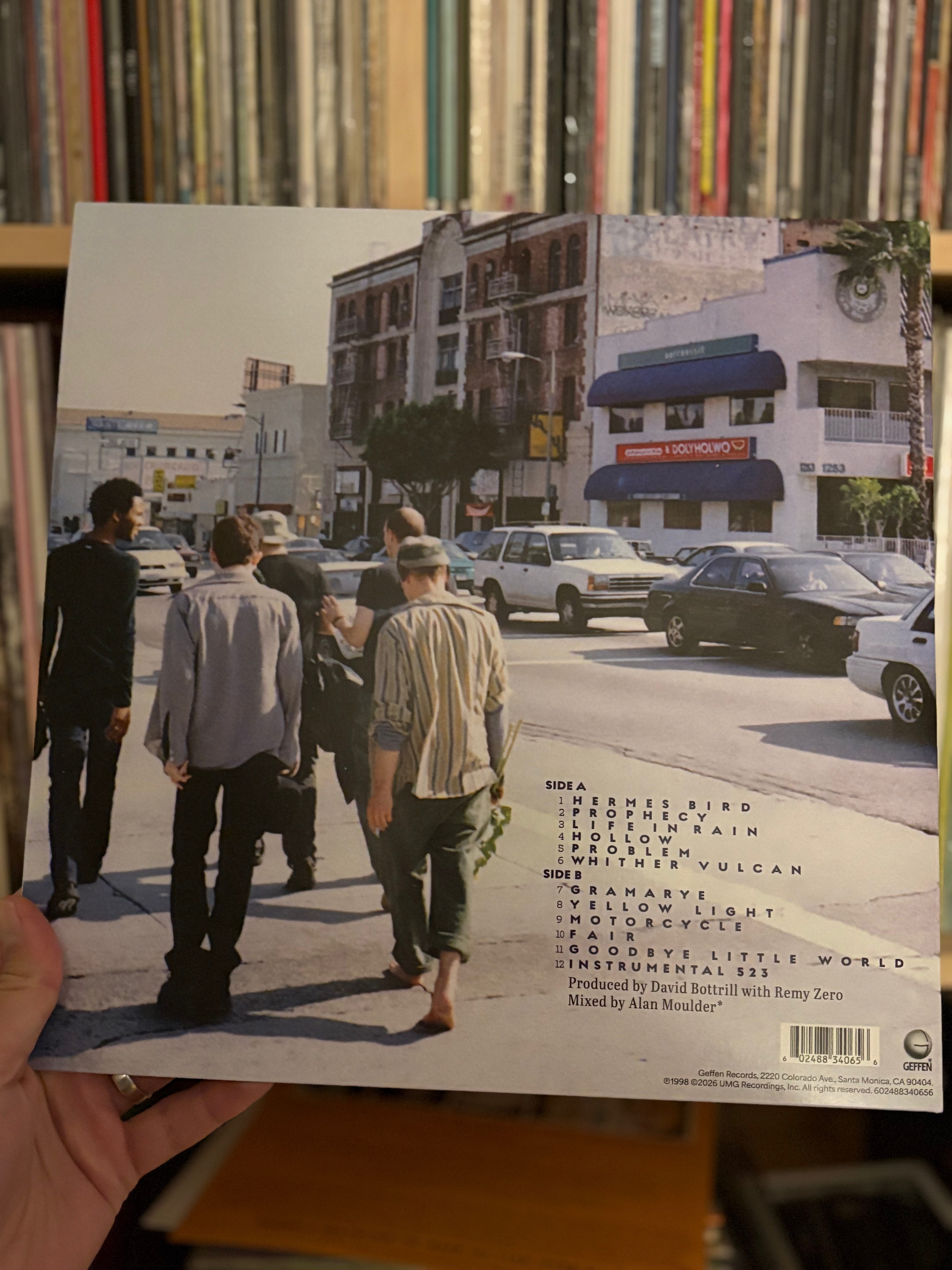
On the vinyl track list, however, the last song listed is “Instrumental 523.” Remy Zero always loved to play with hidden tracks and secret interludes on their CDs. “Instrumental 523” was always tagged onto the end of “Goodbye Little World” after some prolonged silence. If I’m being honest, it’s probably the Remy Zero song I’ve listened to the least. It’s a strange instrumental passage, even by their standards.
Given that it’s a hidden track, I wouldn’t return to it often. But to see it canonized as the final track on the vinyl, I wanted to listen a bit closer. I could now take it not as an extra, but as a piece that completes the whole. In a way, this changed the album for me. They’d been criticized in the past for being aimless and atmospheric.
“Instrumental 523” almost acknowledges that. It’s a gorgeous piece of ambient music. It takes a long time to fade in, slowly revealing the eerie backward sounds and the slow finger-picked guitars. It’s cryptic and haunting, even by their standards. That slow fade-in feels to me like a peek behind the curtain—that behind all these beautiful, triumphant-sounding songs, they’re still the same artistic kids from Birmingham, tinkering with new sounds and ideas.
Ultimately, Remy Zero’s story wouldn’t last much longer. They’d release their final album, The Golden Hum, in 2001—another big swing with some blockbuster moments. “Save Me” would live on in pop culture eternity when it became the theme song to Smallville. There’s certainly lots more I have to say about this album, but we’ll leave that for another time.
The group broke up in 2003. Seven years later, Slay passed away due to complications from cystic fibrosis. He was just 40 years old.
My love for Remy Zero and Villa Elaine has never waned. Yet there’s something fortuitous about the album coming back into my life again in this way. I don’t listen to it all day, every day like I did when I was a kid. I put it on maybe every few months. So much more music has entered my life since then. So much life has happened since then.
Lately I’ve been feeling like life is entering some new phase. What it is, I’m not sure yet. I knew a phase was happening when my kid was born, when the pandemic happened, when I lost some dear loved ones. This change I’m anticipating feels different, like maybe it builds off all that. So much has changed with the direction I thought my career would take, how I want to approach writing, and trying to rethink and grapple with the person I want to be.
Listening to Villa Elaine now—in the midst of all this sea change—it grounds me. It’s not just that it feels familiar and all the memories attached, but of course that’s a factor. It makes me feel like I can do the impossible. It makes me want to give it everything I have, whatever that might be. I see this band that grounded themselves so artfully and didn’t throw that part of themselves away, but grew on top of it. It’s an album that embraces change, welcomes it, and is blissfully aware of its impermanence.
The words ring true: “There’s nothing to keep us tied here now.”
I appreciate you reading Another Thought, whether this is your first post or you’re a long-time reader. Another Thought is a labor of love fueled by very long deadline nights, lots of art supplies, and espresso at ungodly hours.
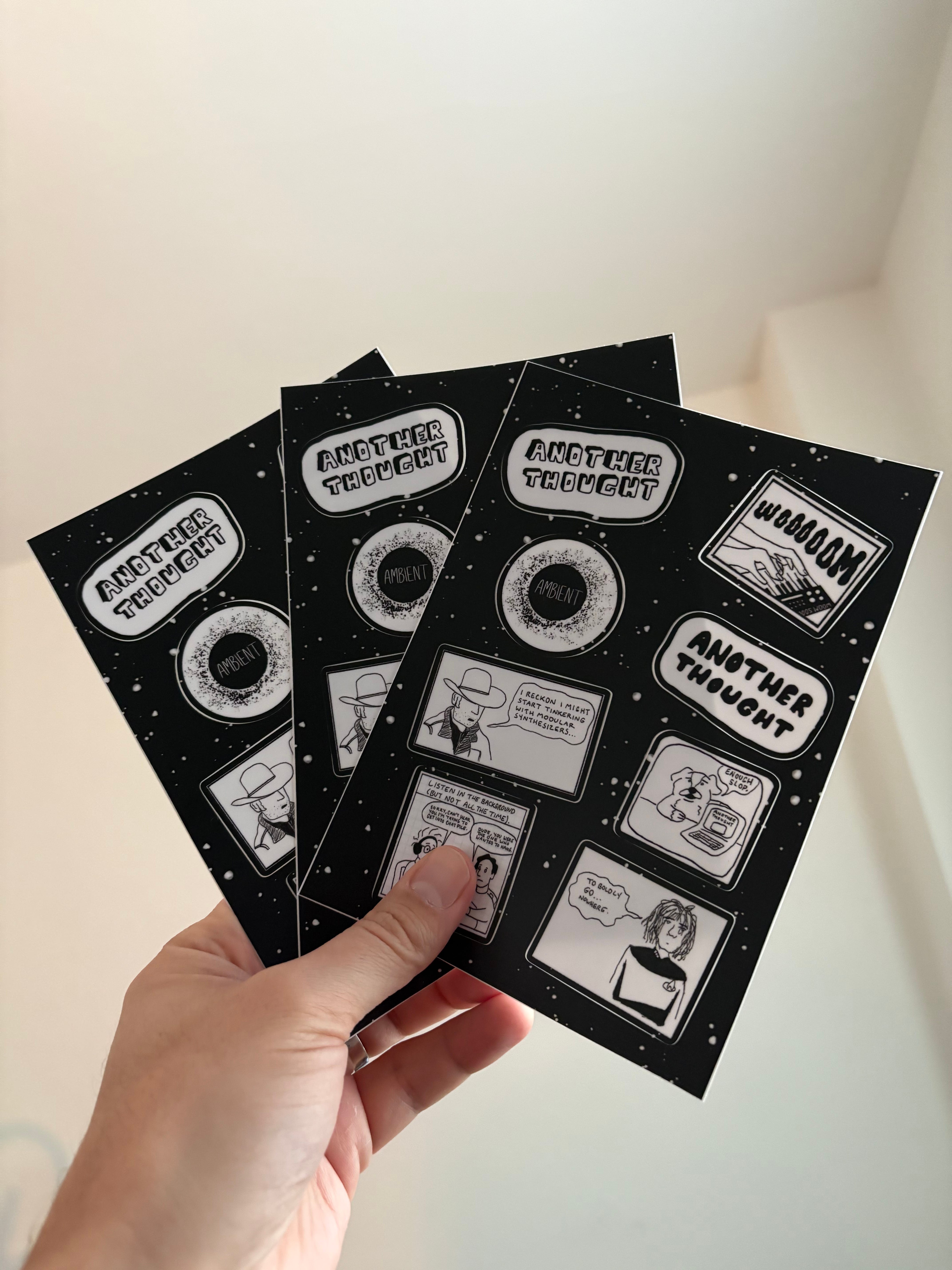
If you want to support the newsletter, please consider becoming a paid subscriber at $5/mo. You’ll get exclusive newsletters, early access to upcoming physical media, and a sheet of stickers featuring drawings from the newsletter and my book mailed to you!
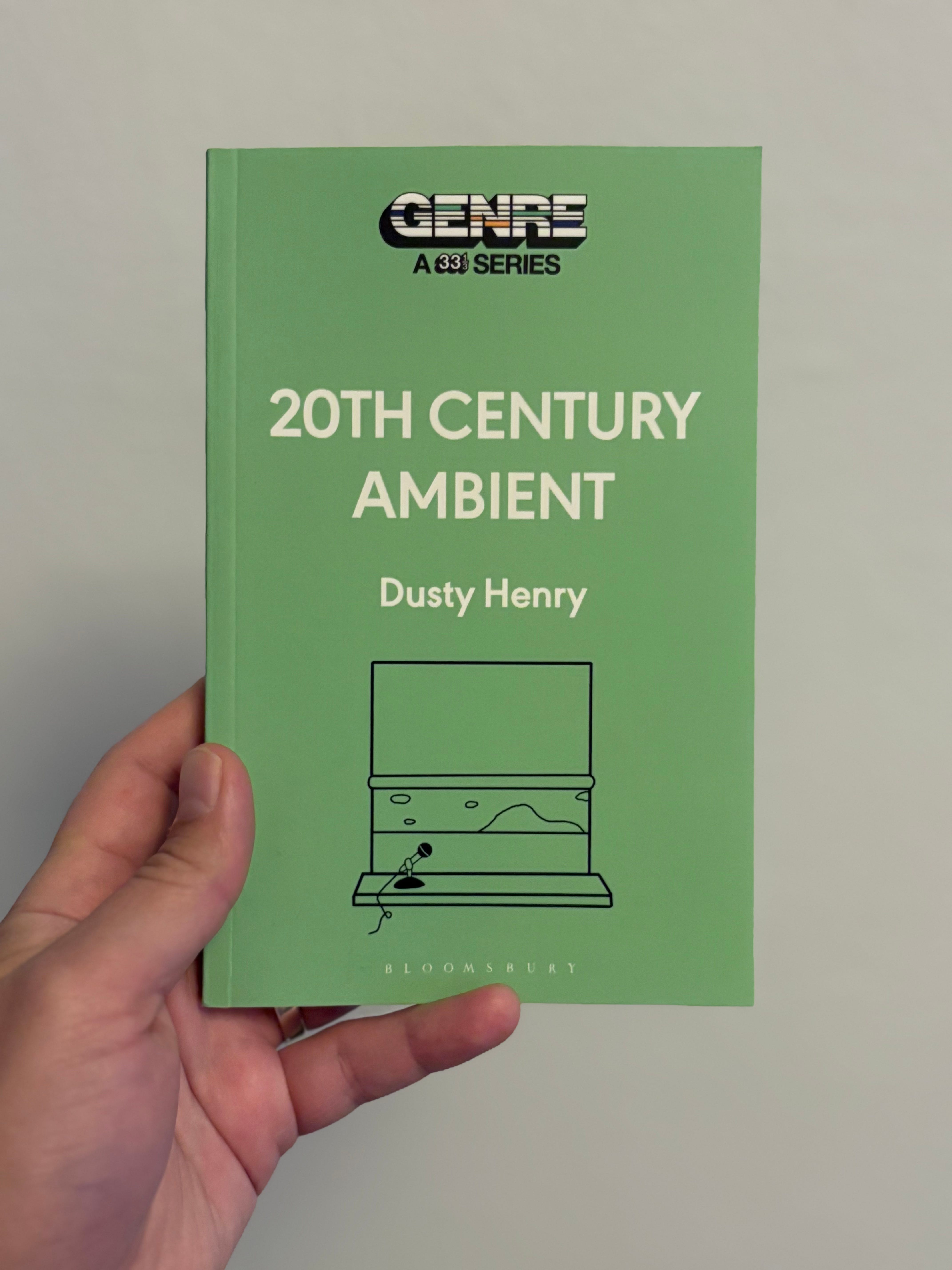
Through text and comics, 20th Century Ambient traces the recent history of ambient music to uncover how the genre has evolved and the role it plays in our daily lives. If you dig the combination of art and essays on Another Thought, I think you’ll love this book.
“Enriched by vivid profiles of the genre’s practitioners and capped by a list of essential tracks, it’s a quirky love letter to an enigmatic sound.” - Publishers Weekly
“Dad! Your book isn’t boring! It has pictures in it! It’s hilarious. Kids can read it too!” - my child
20th Century Ambient is out now from Bloomsbury Books.
No posts
Comments
Nothing yet. Say the first thing.
Sign in to join the conversation.