
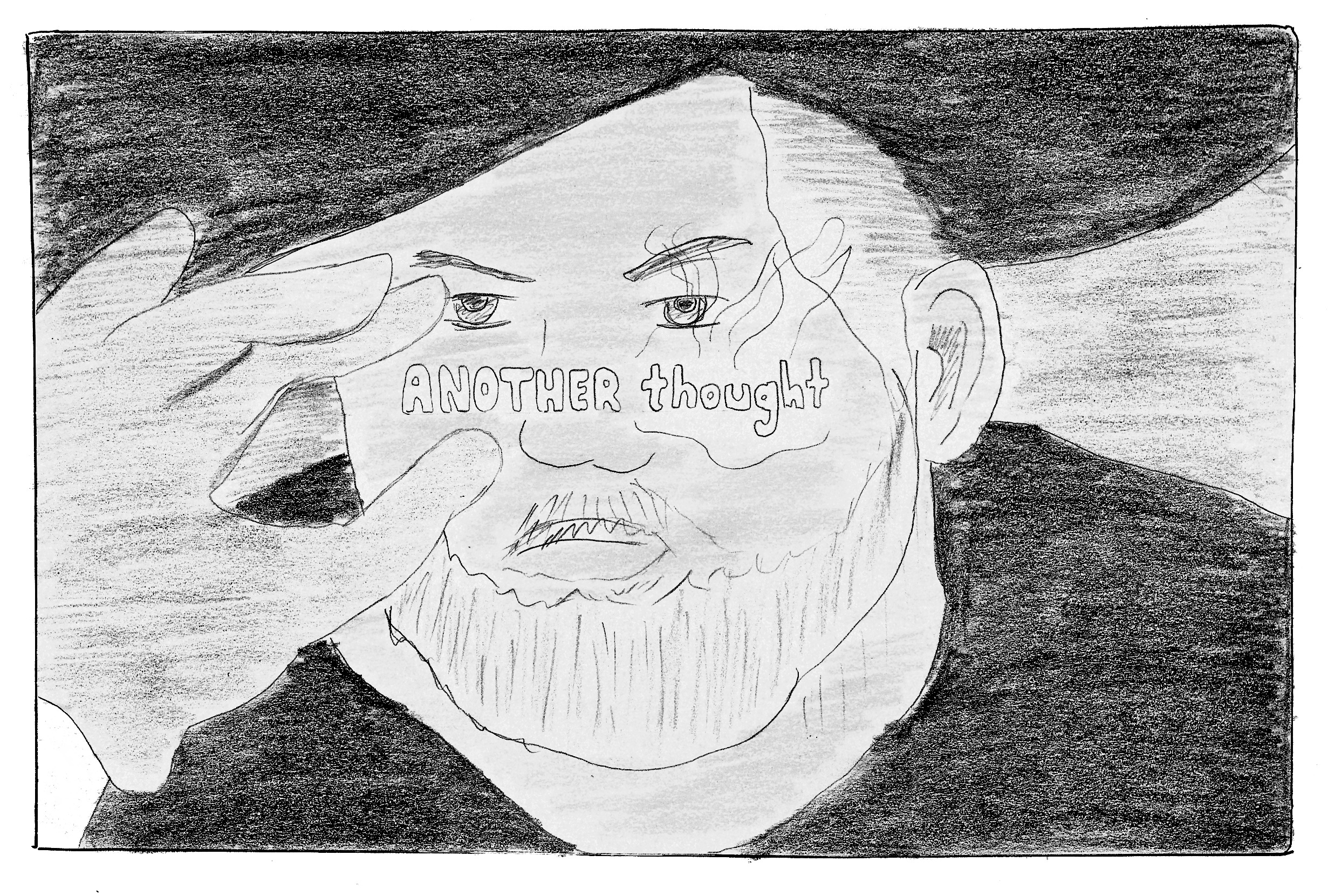
Last month, Paul McCartney got banned from Reddit. The irony being that he was banned after posting photos from one of his exclusive shows to a subreddit named after and dedicated to him. Of course, this ignited jokes and pithy comments galore. But the added extra layer of weirdness to me wasn’t that McCartney got banned from his own subreddit, but the idea that it was probably never McCartney doing the post at all. In all likelihood, it was someone from McCartney’s team posing as McCartney, with an account bearing his name, posting to a subreddit bearing his name—to which Macca probably only has passing knowledge of its existence. And the ban itself appears to have been automatically done by a Reddit bot.
(More like“Banned on the Form,” right folks?)
I know this is just a small story meant to spark minor, unserious outrage or a good laugh, but the cascading Matryoshka doll of unreality made my head spin. You could copy and paste some of this sentiment toward the “Geese is a Psyop” discourse (don’t worry, I won’t pile on the takes there). But all of this adds up to a bigger idea. The internet has not just become a part of our lives—it’s an extension of our lives. It’s both where many of us get the bulk of our information and a space where a very public version of ourselves exists. In some cases, it’s probably the most public version of ourselves. And as the internet has become less reliable, so has our sense of reality.
Somewhere along the way, our reality got fractured. It was probably further back than we assume, though it’s only gotten more apparent in recent years.
It’s a bewildering experience to exist in a time where we’re not existing on the same page. I feel like I probably don’t need to belabor you with the details of fake news, AI slop, and wanton misinformation. We’re already living it. Things feel beyond just equipping ourselves with the tools to decipher what’s true and what’s not (if we can even agree on how to do that).
I’ve been fixated on how we move about a world where we exist in different realities. It no longer feels enough to just point out an error in someone’s research or logic. Or rather, it feels impossible. There’s little incentive to admit you’re wrong when you can opt in for a reality where you’re right. And it’s gone beyond just ideology now. Our physical world is up for debate.
Another Thought is a reader-supported publication. To receive new posts and support my work, consider becoming a free or paid subscriber.
I’m already burned out talking about AI, even if we continually hear that “it’s just the beginning.” My response has been to lean into authenticity. In the era of “content capture,” we should all lean into what feels tangible and true. A nice sentiment—but one that’s lacking in definition.
I was thinking about this a few weeks ago as I lay on the couch in a flu-induced haze, drifting in and out of sleep, between the waking world and reality. Being sick makes everything feel surreal. When I opened the door to pick up a package of tissues, I was shocked—almost disgusted—to find that it was a beautiful spring day. Sun shining, birds chirping, flowers blooming, all of that. It felt like a betrayal of the sick cocoon I’d been fostering these past few days. A disruption in my reality.
But as everyone likes to remind me, getting sick is sometimes your body’s way of telling you to slow down. I decided that I needed to actually rest. Draped with a blanket, propped up against pillows, eyes drooping, I lay there and queued up a double feature. Of course, instead of doing the sensible thing and picking some nice comfort movies, I accidentally curated a perfect existential crisis by putting on Orson Welles’ F for Fake.
F for Fake is mostly a documentary, but it plays with the form in a way that’s intentionally deceptive and thrilling. Welles directs and stars in the film, which opens with a magic trick, moves into a narrative about an art forger, and then drifts into weightier existential ideas.
Throughout the movie, we watch as famed forger Elmyr de Hory masterfully recreates iconic works by artists like Matisse and Picasso right before our eyes. He explains how he could sell pieces like these for tens or even hundreds of thousands of dollars (you could adjust that for inflation, given that the film came out in 1973). Then he smiles as he dips the painting into his hearth, watching it set ablaze and disintegrate.
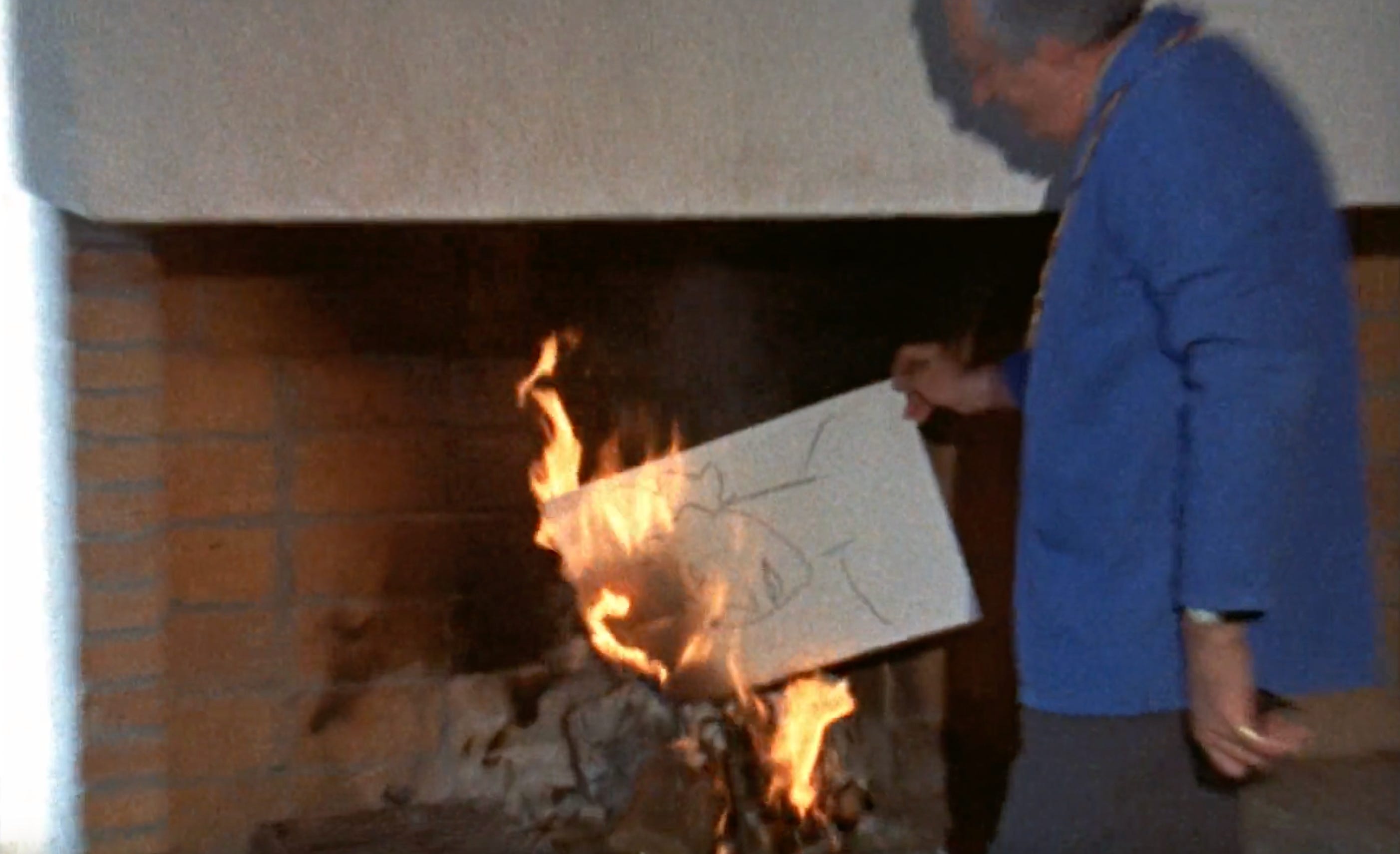
The movie prompts a question about authenticity. If de Hory’s fakes are good enough to fool the supposed experts, does that really make them fake? If his pieces hang in museums for years or decades before anyone notices, does that give them more credence? Is his work as a forger not as artistic as the artists he’s imitating?
The answer may seem obvious at the outset. If the original artist didn’t make it, surely it’s a fake. But how we actually perceive authenticity is the bigger question. De Hory goes to great lengths to insist that he’d never forged an artist’s signature on a reproduction—though, in a great moment, he forges Welles’ own signature on a portrait (albeit misspelling his last name as “Wells”).
The layers only get deeper as we meet Clifford Irving, a writer penning a book about de Hory called Fake!—before revealing that Irving himself faced scrutiny for a fake autobiography he sold, claiming it was an account from the elusive Howard Hughes.
F for Fake is worth revisiting for many reasons. On a purely artistic level, the editing of the film is truly insane and clearly influential. The movie is full of deception and rug-pulling moments that are genuinely surprising on a first watch. But it’s the more tender, introspective scenes where Welles reflects on authenticity and attribution that get me.
Draped in a black cloak and hat, Welles delivers a monologue about the Chartres Cathedral. He stands in front of the building, marveling not just at its beauty but its endurance. It’s stood there for hundreds of years, an expression of devotion to the most holy by its creators, but also a testament to humankind’s ability to create something that can last. But maybe not forever. His famous voice bellows as he delivers these final lines:
“Our works in stone, in paint, in print, are spared, some of them for a few decades or a millennium or two, but everything must finally fall in war or wear away into the ultimate and universal ash.
The triumphs and the frauds, the treasures and the fakes. A fact of life. We’re going to die.
‘Be of good heart,’ cry the dead artists out of the living past. Our songs will all be silenced—but what of it? Go on singing. Maybe a man’s name doesn’t matter all that much.”
I keep thinking about this moment. Just these last two weeks, I was able to go abroad with my family to Spain and Portugal. Walking down cobblestone streets and narrow alleyways, feeling like you’re being transported into another time—just before you suddenly run into a Five Guys. In an old building that’s lasted centuries of love and loss and war and peace, I ate a Crunchwrap Supreme. It’s enough to make you question the reality of it all. And yet, it’s all real.
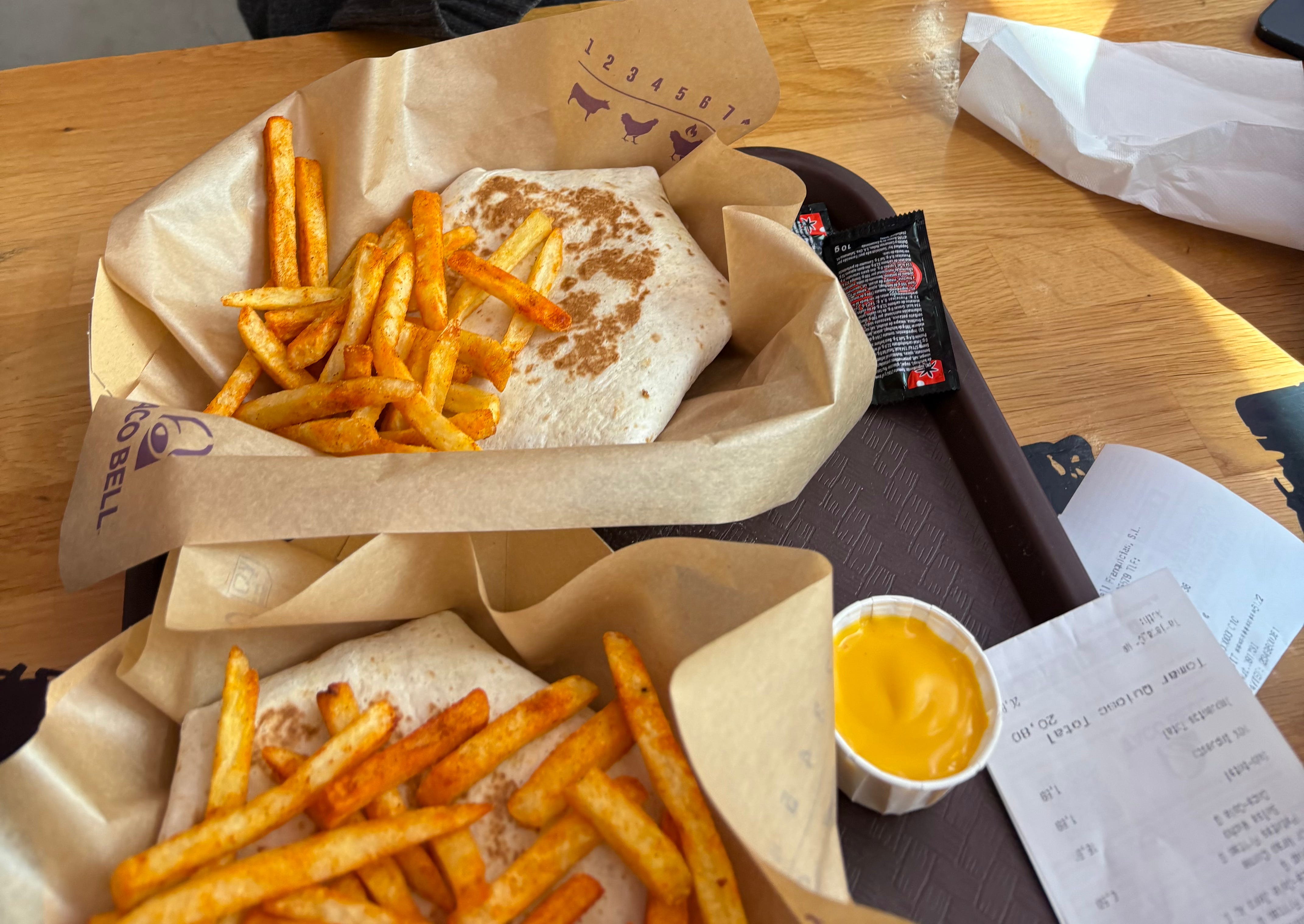
The past and present coexist in places like this. You can experience a testament to humankind’s glory, like Welles says, or our worst impulses – or all of it at once. And if you think about it long enough, if you read enough history, you start to see that the same people who made these grand structures were just as lost and wondering as we are.
I am genuinely concerned about this current fracturing of reality. The dangers we’re inviting upon ourselves by denying what tangible truths we do have. The insidious spread of misinformation that leads to disease, authoritarianism, and unchecked greed is truly terrifying. So many splintered realities coexisting is enough to make you question your own. I don’t know how to fix this, or if it can be fixed. It feels like the least we can do is try to preach what truths we think we know—which often feels like fighting the ocean.
These last couple of years, I keep coming back to the wise words of another great prophet, Greg Sage of the Portland punk band Wipers. Sage bravely and loudly asked, “Is this real?” I’m still fixated on that idea and the way he presents it. The genuine longing for an answer, as his voice shrieks over a pummeling guitar riff, moves me. I feel his frustration and desire so fiercely. It’s a question that has lasted millennia before him and likely will last millennia beyond.
I think what gets me most with Sage’s existential questioning is how human it feels. I desperately wish I had an answer to splintering realities and unreliable narrators. So often life feels like there’s an Orson Welles out there, directing the scene to intentionally deceive you with a magic trick and clever editing. Why aren’t more of us screaming, “Is this real?”
We’ve been losing an agreed-upon truth for a while—if we ever even had one. And yet, we’re still here. Millennia of questioning, righting wrongs, course-correcting, gaining new information that’s sometimes right and sometimes wrong. Our humanness is our greatest fault in terms of sensibility, yet our greatest strength when it comes to art. Even if our reality gets distorted, we’re still here. And simply being here is the most authentic thing I can think of.
Want to Support Another Thought? Okay, I’m Down!
I appreciate you reading Another Thought, whether this is your first post or you’re a long-time reader. Another Thought is a labor of love fueled by very long deadline nights, lots of art supplies, and espresso at ungodly hours.
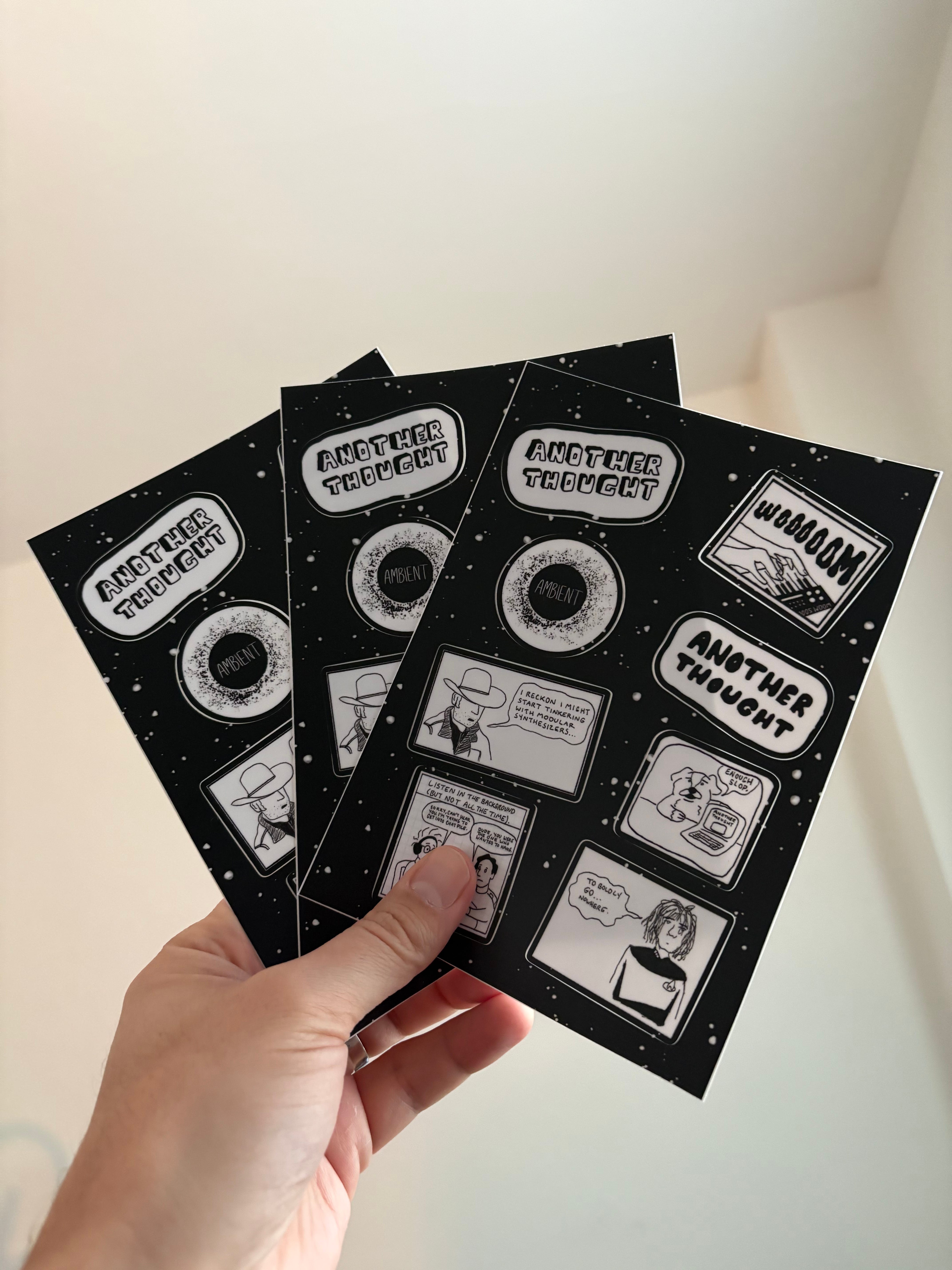
If you want to support the newsletter, please consider becoming a paid subscriber at $5/mo. You’ll get exclusive newsletters, early access to upcoming physical media, and a sheet of stickers featuring drawings from the newsletter and my book mailed to you!
My Book 20th Century Ambient is Out Now!
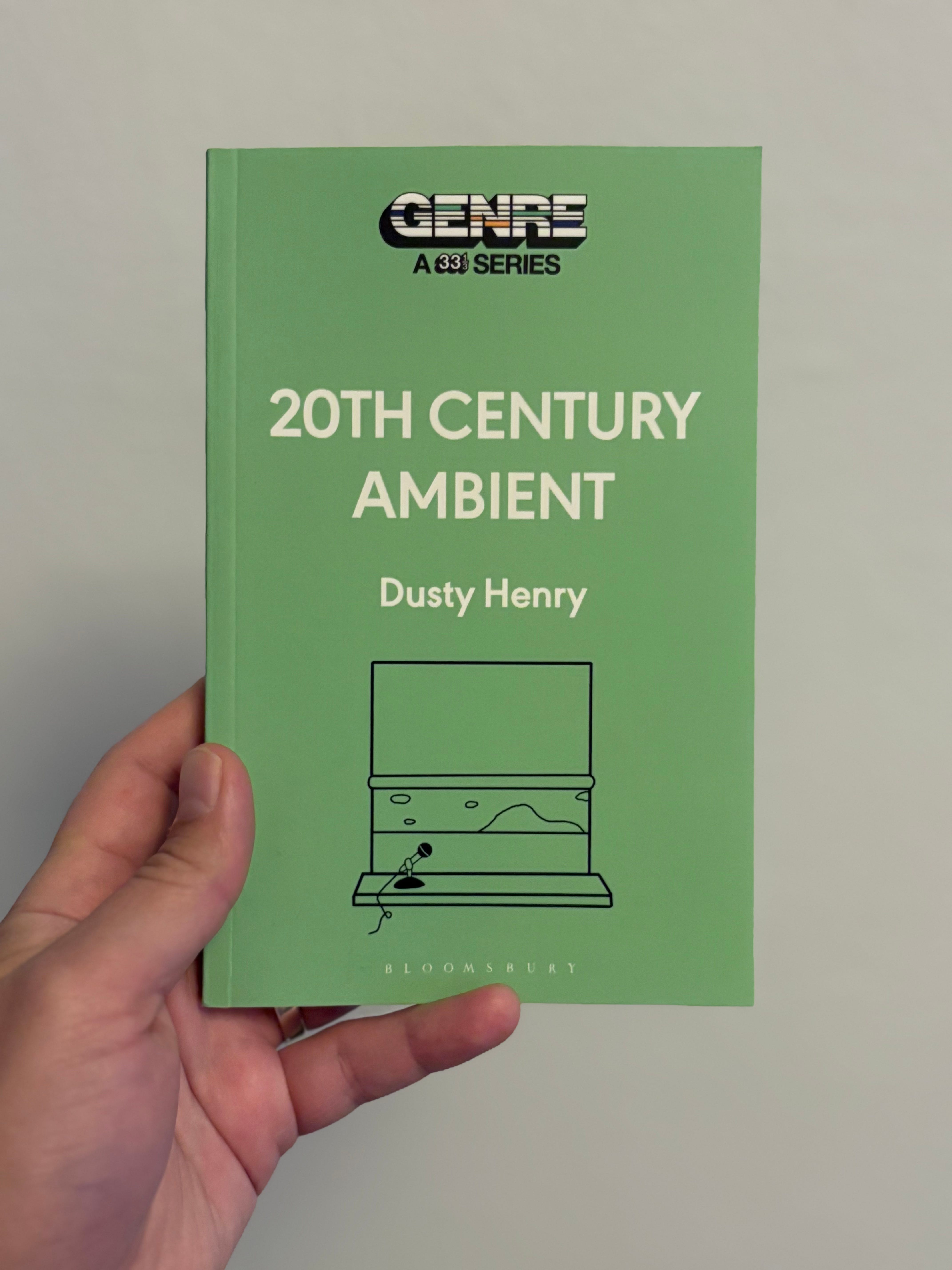
Through text and comics, 20th Century Ambient traces the recent history of ambient music to uncover how the genre has evolved and the role it plays in our daily lives. If you dig the combination of art and essays on Another Thought, I think you’ll love this book.
“Enriched by vivid profiles of the genre’s practitioners and capped by a list of essential tracks, it’s a quirky love letter to an enigmatic sound.” - Publishers Weekly
“Dad! Your book isn’t boring! It has pictures in it! It’s hilarious. Kids can read it too!” - my child
20th Century Ambient is out now from Bloomsbury Books.
Comments
Nothing yet. Say the first thing.
Sign in to join the conversation.