
Since 2019 I have been posting information about medicinal trees and shrubs, and it is about time for an A to Z index listing of those covered so far. Each post includes selected information about cultivation, harvest and uses along with some references. Some of these posts originate from the Medicinal Forest Garden Trust website which I maintain.
Common alder (Alnus glutinosa)
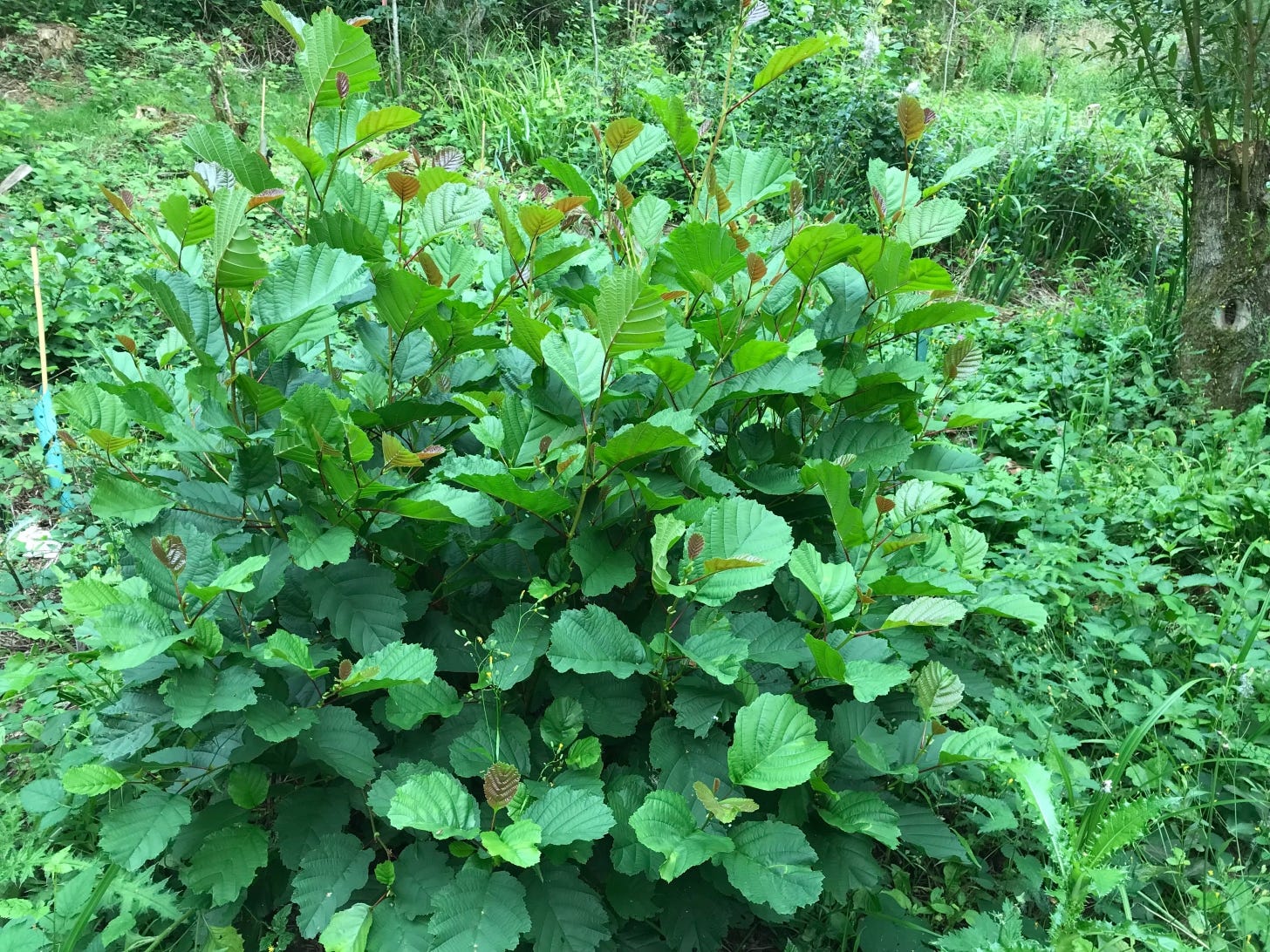
Alder is perhaps a less well-known plant species in modern Western herbal medicine. Yet it has much potential as a bitter tonic with astringent, anti-inflammatory, antimicrobial and alterative actions. Many traditional uses have been reported in infections and skin complaints. Other alder species around the world have also found uses in traditional medicine from Asia to Africa, Europe to North America: such as A. hirsuta, A. incana, A. japonica, A. nitida, A. orientalis, A. pendula, A. rubra, A. serrulata, A. viridis. Read full story…
Blackcurrant (Rubus fructus) and raspberry (Rubus idaeus)
Blackcurrant and raspberry leaves
·
April 24, 2025
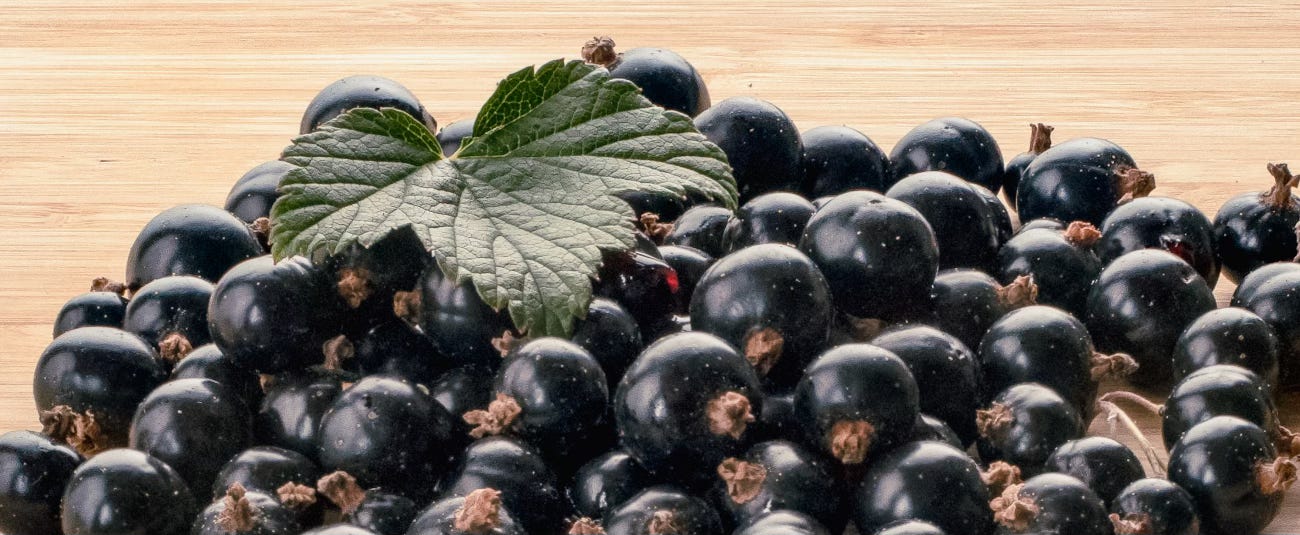
As the growing season gets under way here in the UK, I am reminded that some of our best fruiting shrubs can yield more benefits from their leaves in addition to their tasty berries. In a permaculture project, such as a forest garden, it is usual to have layers of plants including shrubs between trees. Ideal plants ar…
Butterfly bush (Buddleja davidii)
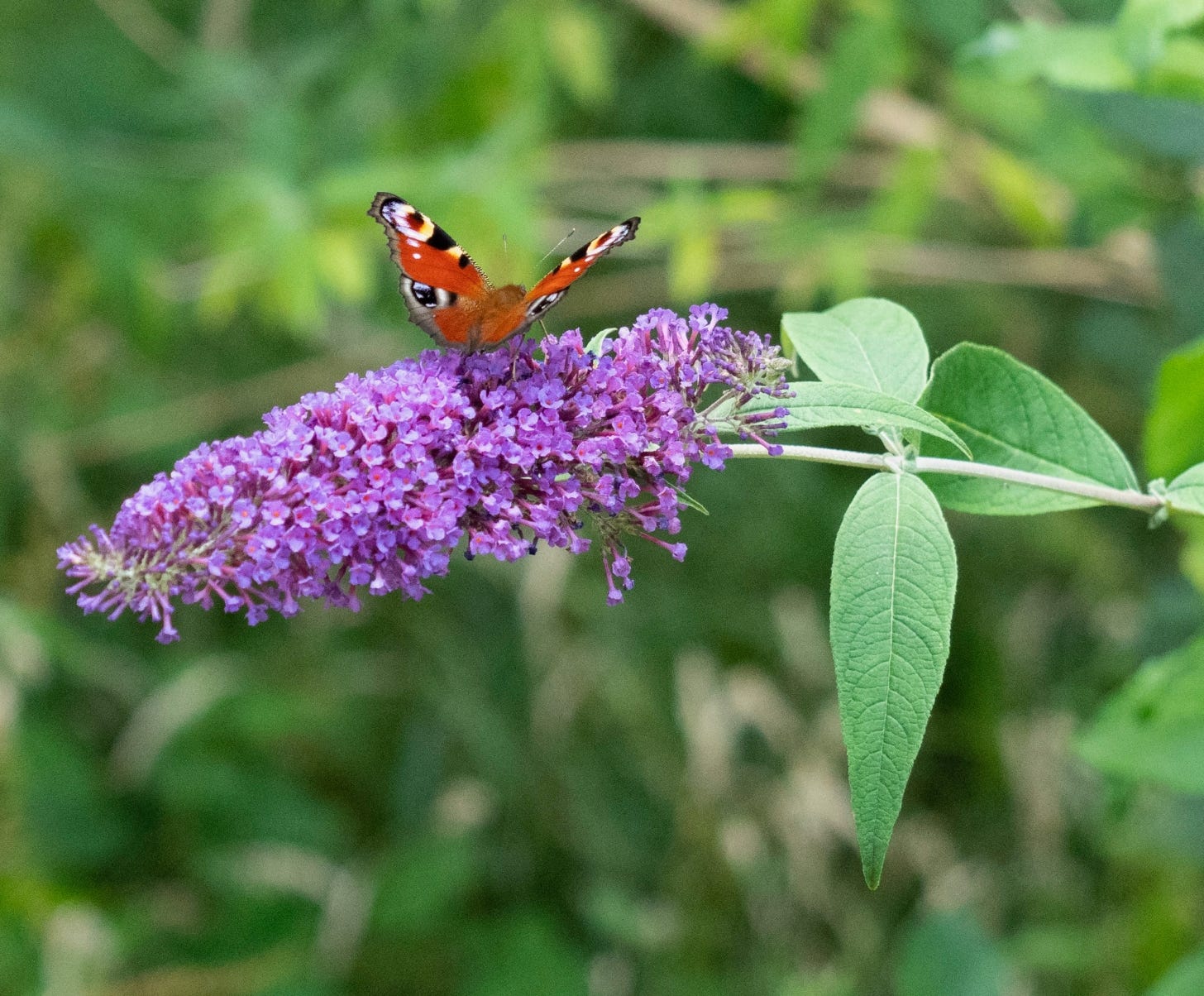
The butterfly bush is a familiar sight for many of us in hedgerows, scrub, alongside railway lines and more vacant spaces. It derives its name from the mauve flower spikes and their attractiveness to bees and butterflies – though sadly fewer are seen nowadays. But what medicinal possibilities does the butterfly bush offer? This plant is in the figwort family or Scrophulariaceae, so it is a relative of the foxglove known for its stimulating heart action (note foxglove is not safe to use as therapeutic and toxic dosage are close). The medicinal butterfly bush may be useful as a diuretic and pain reliever with powerful antimicrobial activity. Read full story
Chaste tree (Vitex agnus-castus)
Chaste tree (Vitex agnus-castus), notes on a woman's herb in a warming climate
·
September 10, 2025
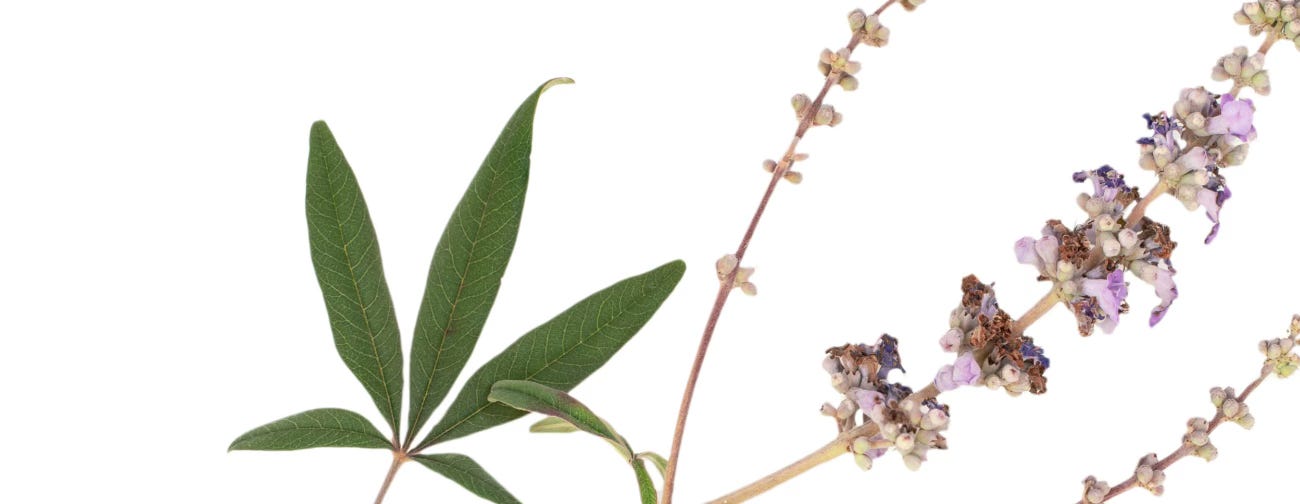
Chaste tree (Vitex agnus-castus) is an aromatic Mediterranean shrub noted for its traditional use in women's complaints from painful periods to menopause. Here I describe various uses and how this plant might be grown further north in a warming climate. I include a recipe for the leaves used to make a herbal vinegar.
Cornelian cherry (Cornus mas)
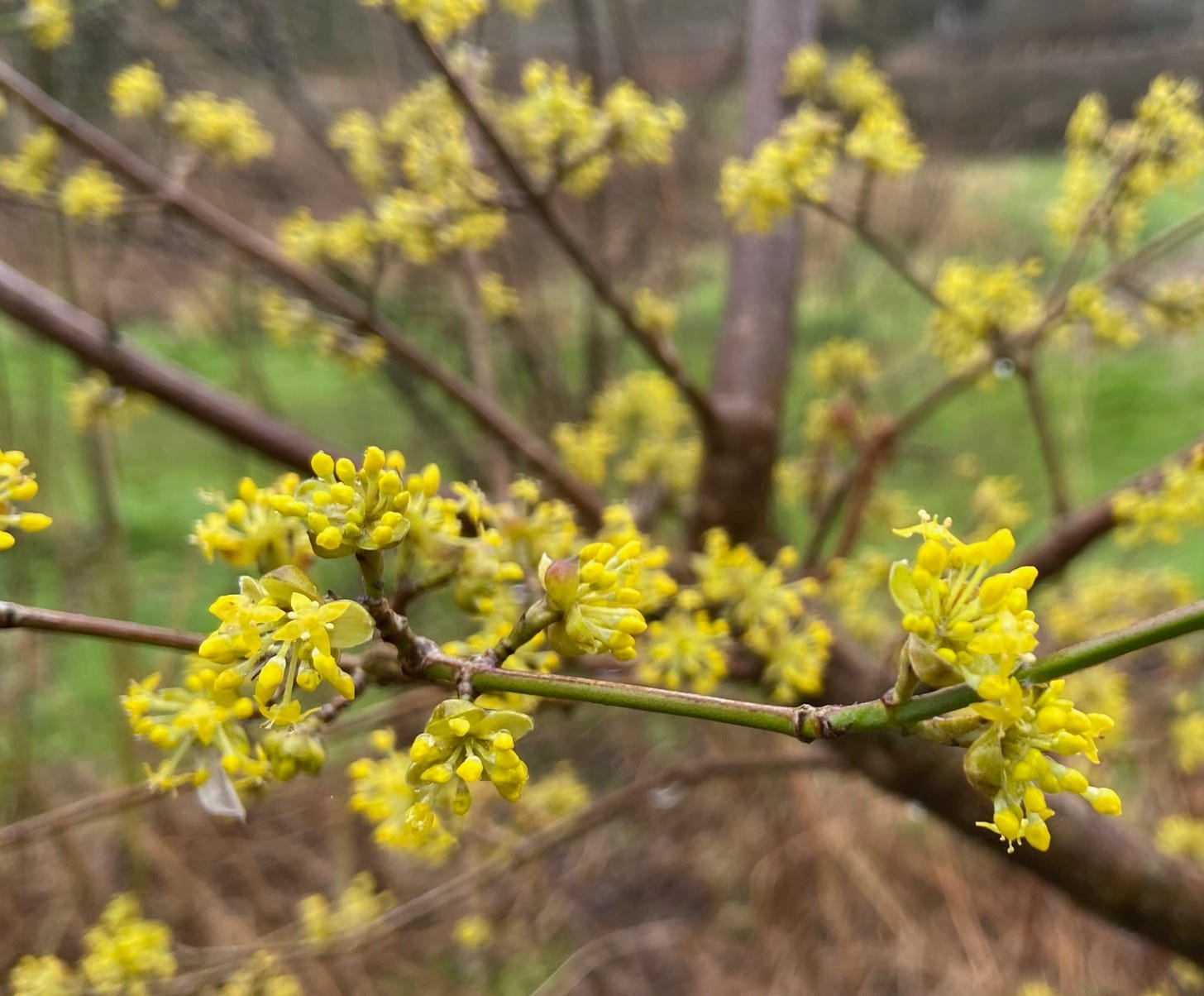
Early in the new year comes the chance to spot the tiny yellow flowers of the cornelian cherry (Cornus mas) which is a small tree with extensive medicinal possibilities. Widely used in Europe and Asia, the fruit has been used in diabetes, diarrhoea, gastrointestinal disorders, fever, rheumatic pain, infections of skin and urinary tract, kidney and liver disease. It is a species in the dogwood family which has members worldwide, often used medicinally. Read full story
Douglas fir (Pseudotsuga menziesii)
Douglas fir (Pseudotsuga menziesii) research notes
·
February 25, 2025
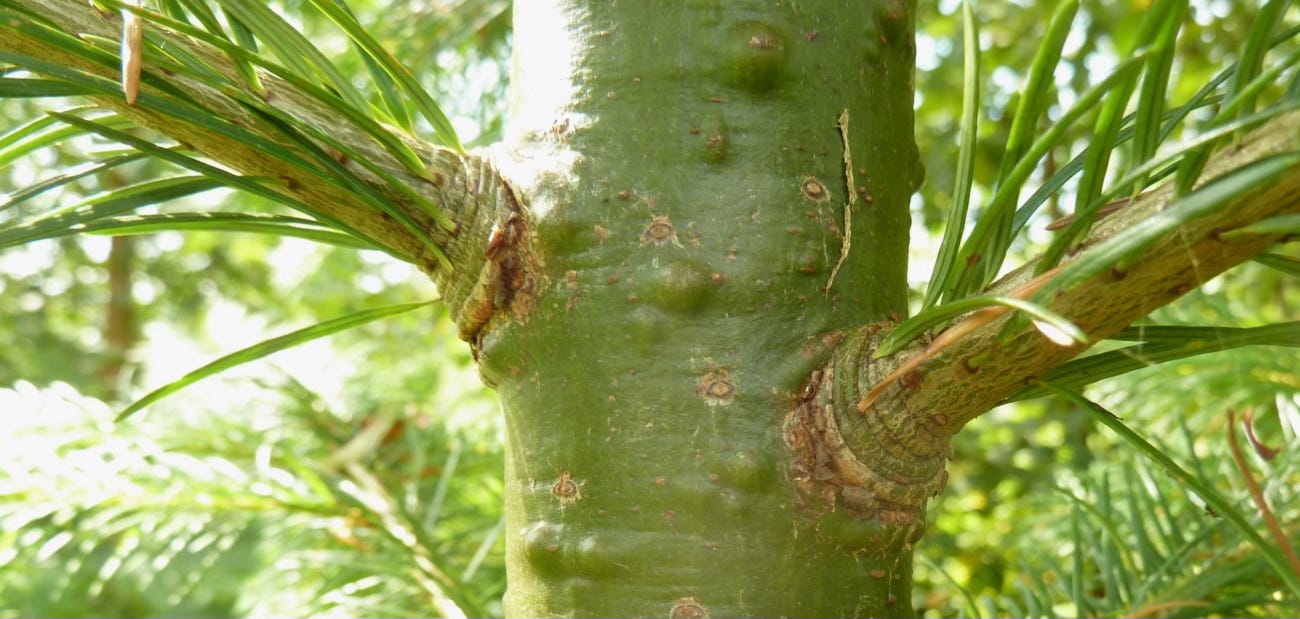
Back a few decades, I fell in love with a tree – it was a Douglas fir (Pseudotsuga menziesii) growing near to our woodland in Devon, UK. The branches had such a spicy sweet resinous scent, somewhere between grapefruit and Christmas pudding. I could not resist it, the abundant soft green needles were such …
Forsythia (Forsythia suspensa)
Forsythia Medicinal Flowers and Leaves: Research Notes
·
Mar 11
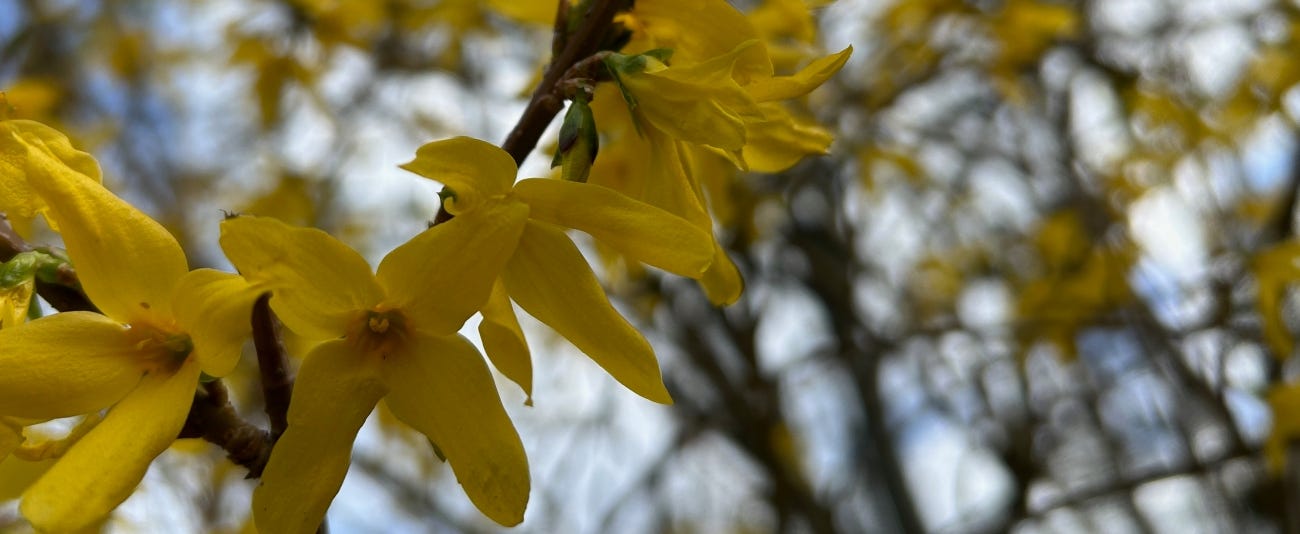
Forsythia in the UK is best known for its glorious yellow flowers early in the year. However, it is not just a garden ornamental as it has potential for medicinal use, especially as an anti-inflammatory for a wide range of ailments. Here I outline traditional uses and active constituents making the flowers and leaves significant for healing purposes. I …
Goji (Lycium barbarum)
Goji (Lycium barbarum) research notes
·
October 11, 2025
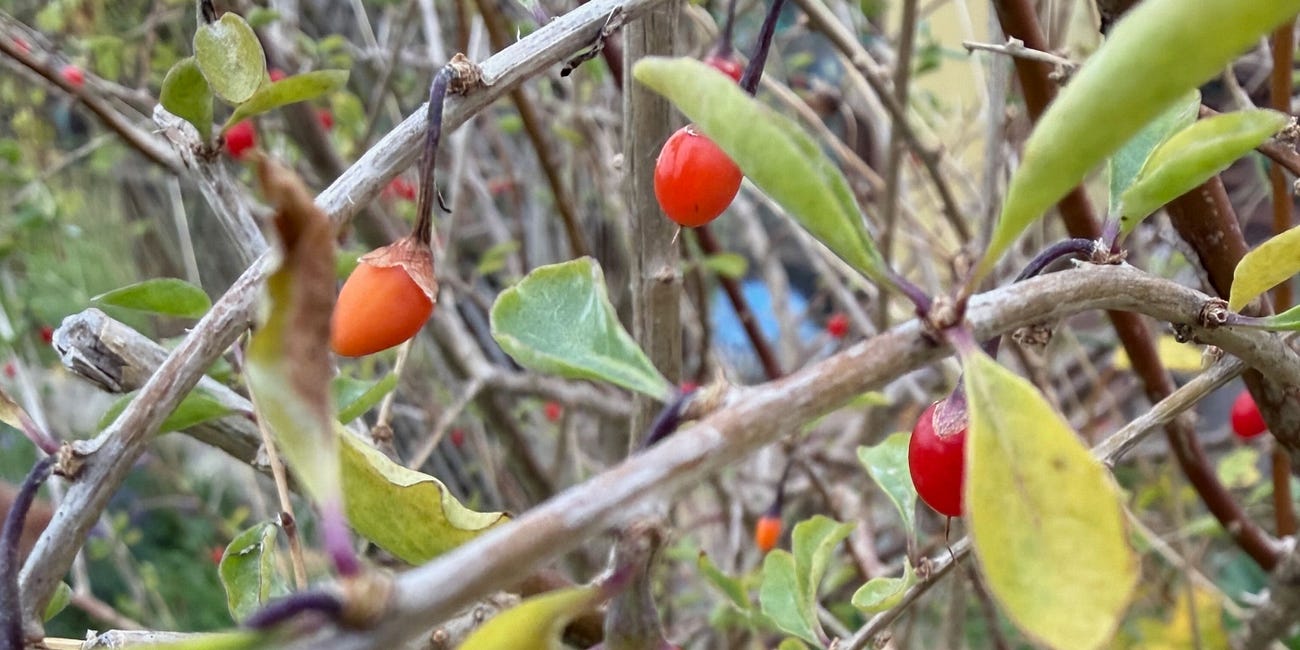
In this post I look at the very useful goji (Lycium barbarum) shrub, otherwise known as wolfberry. This is an easy-to-grow and hardy shrub which offers food and medicinal benefits to human health. The berries and leaves are anti-inflammatory and antioxidant and are claimed to combat aging and degenerative diseases in…
Hawthorn (Crataegus monogyna)
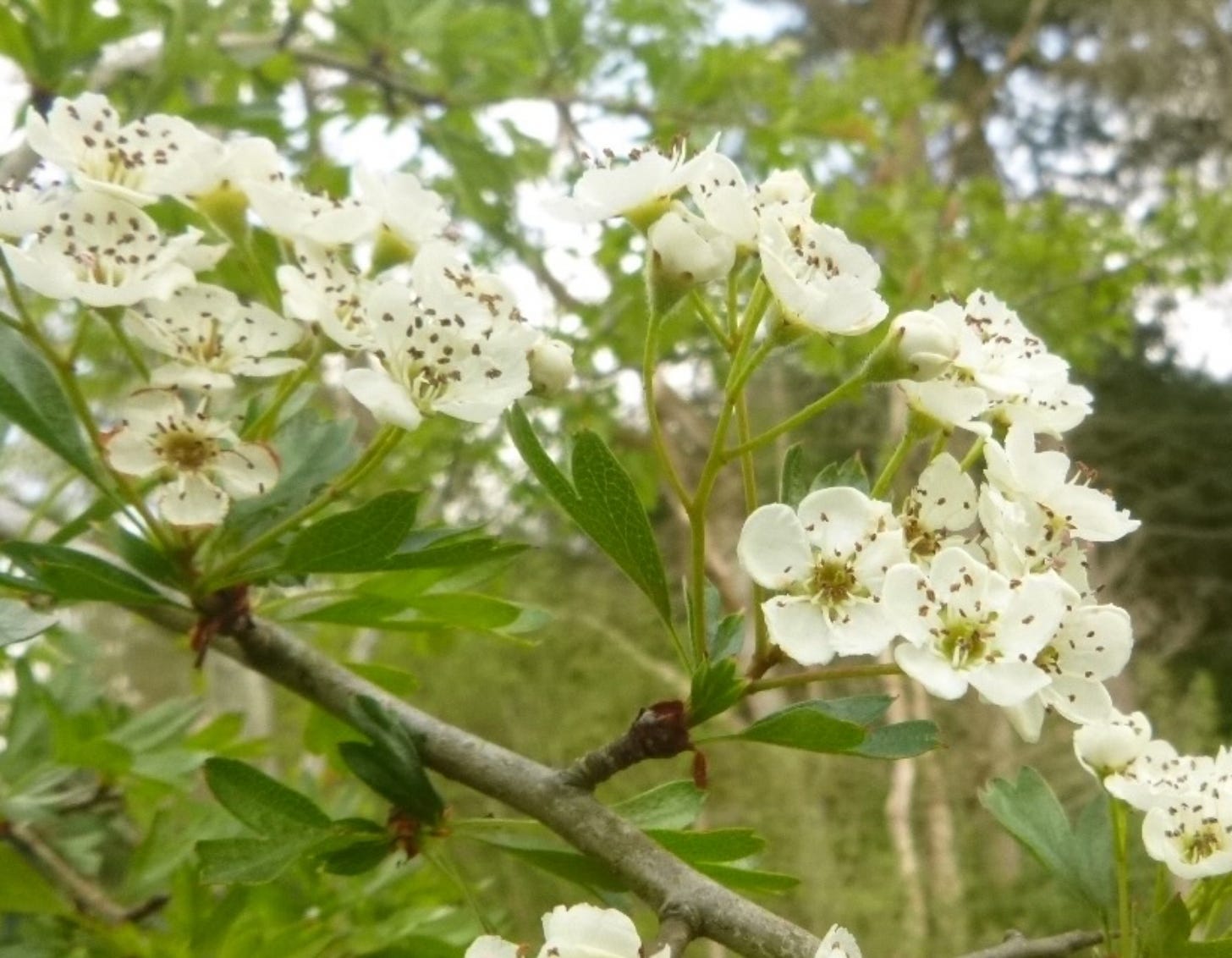
The common hawthorn is a small European tree, with fragrant flowers, leaves and red berries all providing benefits to the circulation. The hawthorn is in the rose (Rosaceae) family. Medicinal actions are antioxidant, cardiotonic, vasodilatory, diuretic, astringent, anti-inflammatory, hypotensive and antibacterial. Hawthorn has a history of use, confirmed safety, and clinical evidence to support its cardiovascular benefits, and has been shown to lower blood pressure in a number of studies. Read full story
Juneberry (Amelanchier alnifolia)
Juneberry (Amelanchier alnifolia) notes:
·
March 13, 2024
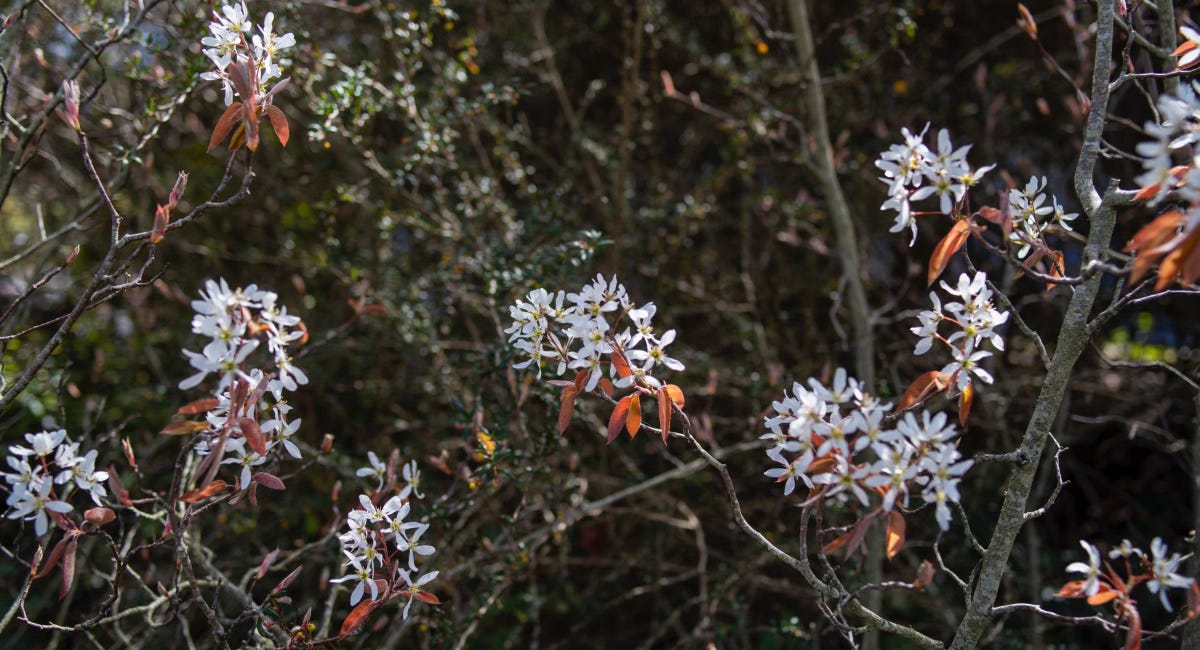
Most of the Amelanchier species are to be found wild in Canada and USA. They are remarkably hardy members of the rose family, much cultivated elsewhere for their flowers and colour but really should be grown more for their health benefits. Both the leaves and the fruits can be used. Here I give an overview of this exce…
Lime (Tilia cordata)
Lime (Tilia cordata) research notes
·
May 28, 2025
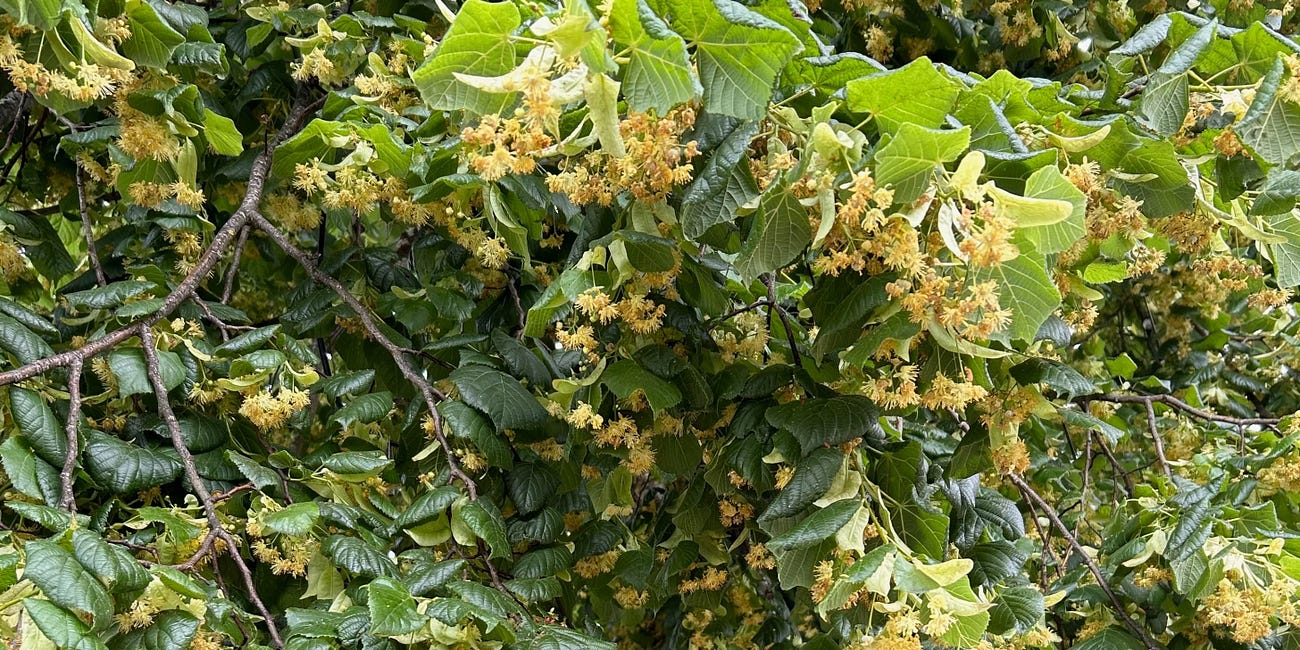
In this post I look at the glorious lime or linden tree, not only giving us scented flowers but also offering leaves and seeds. I consider how best the tree can be pollarded, and I identify research to support its medicinal uses, along with some recipe suggestions.
Mulberry (Morus nigra)
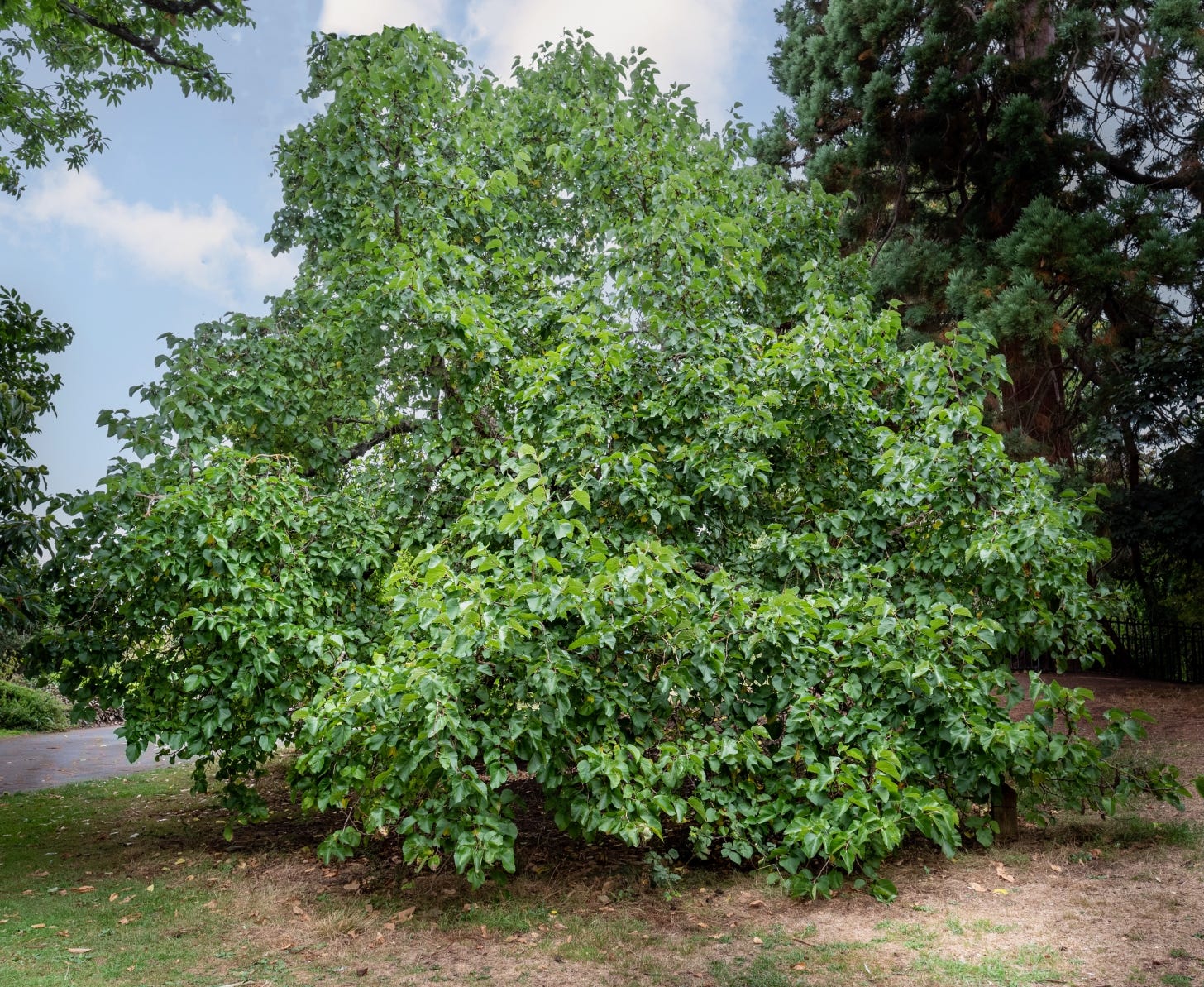
Mulberry is a fantastic tree, not only for the fruit but also for the medicinal leaves! Black mulberry leaves are antimicrobial, anti-inflammatory, antioxidant, astringent, diaphoretic, hypoglycaemic. The black mulberry is rich in phenolic compounds including flavonoids and anthocyanins. The antioxidant effects are relevant to preventing diseases related to aging. The leaves contain sugar-mimicking alkaloids with hypoglycaemic properties and can affect the metabolism and transport of sugars in the body. Read full story
Myrtle (Myrtus communis)
Myrtle (Myrtus communis) notes
·
July 24, 2024
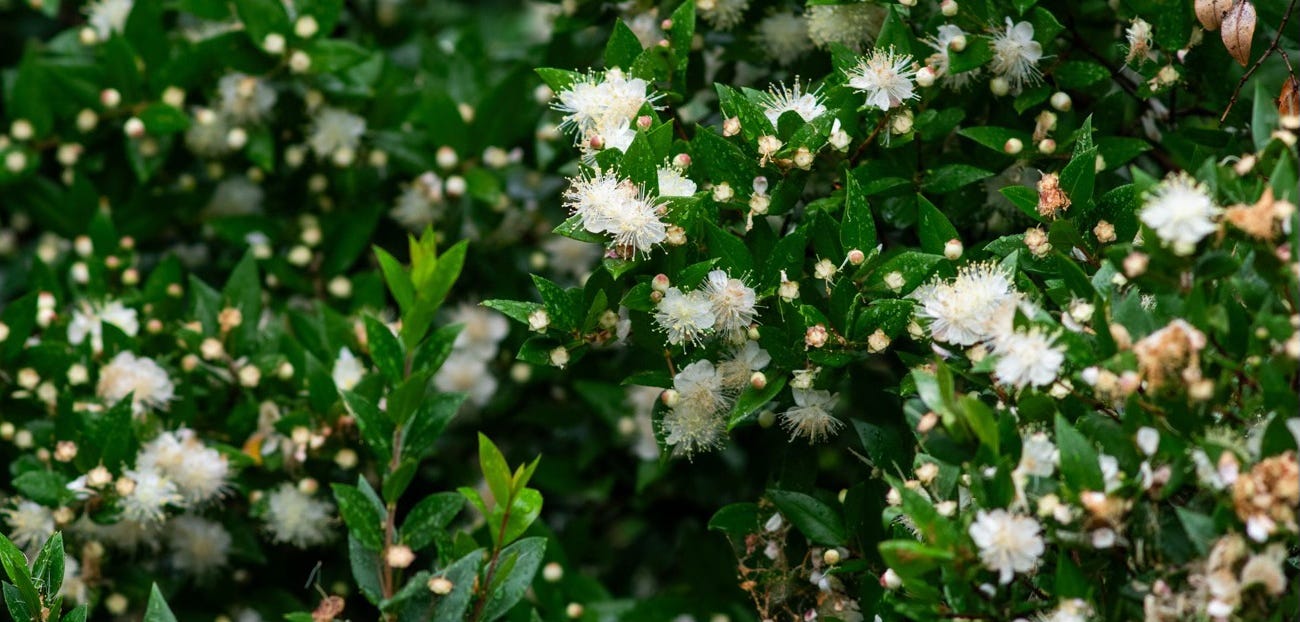
Myrtle is a stunning Mediterranean shrub that is easily managed and full of medicinal constituents. Here I outline details of the plant and its many benefits, explain aspects of harvesting and use, along with a recipe for a digestive Myrtle and Mint Tea. This is a great plant for a small garden, as it can be cut back or pruned t…
Quince (Cydonia oblonga)
Bring on the fragrant quince, both culinary and medicinal delight
·
September 22, 2024
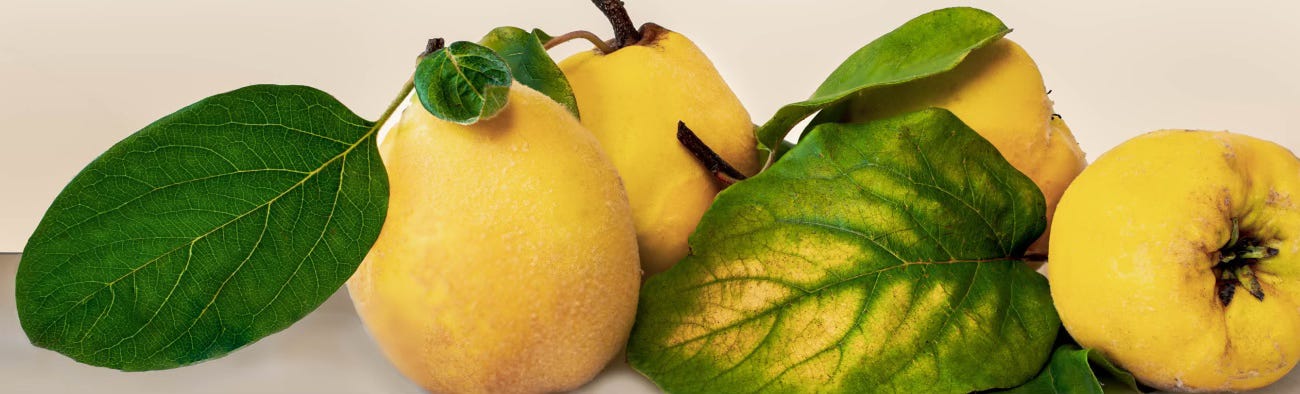
Quince (Cydonia oblonga) is a member of the rose family (Rosaceae). The quince is most widely known for its fruit which has anti-oxidant, astringent, carminative, diuretic and tonic actions. A syrup of the fruit can be used for morning sickness in pregnancy. Other parts can be useful. The seed is demulcent and laxative, and can be soaked to swell up for…
Orgon grape (Berberis aquifolium)
Oregon Grape (Berberis aquifolium) Notes
·
December 17, 2023
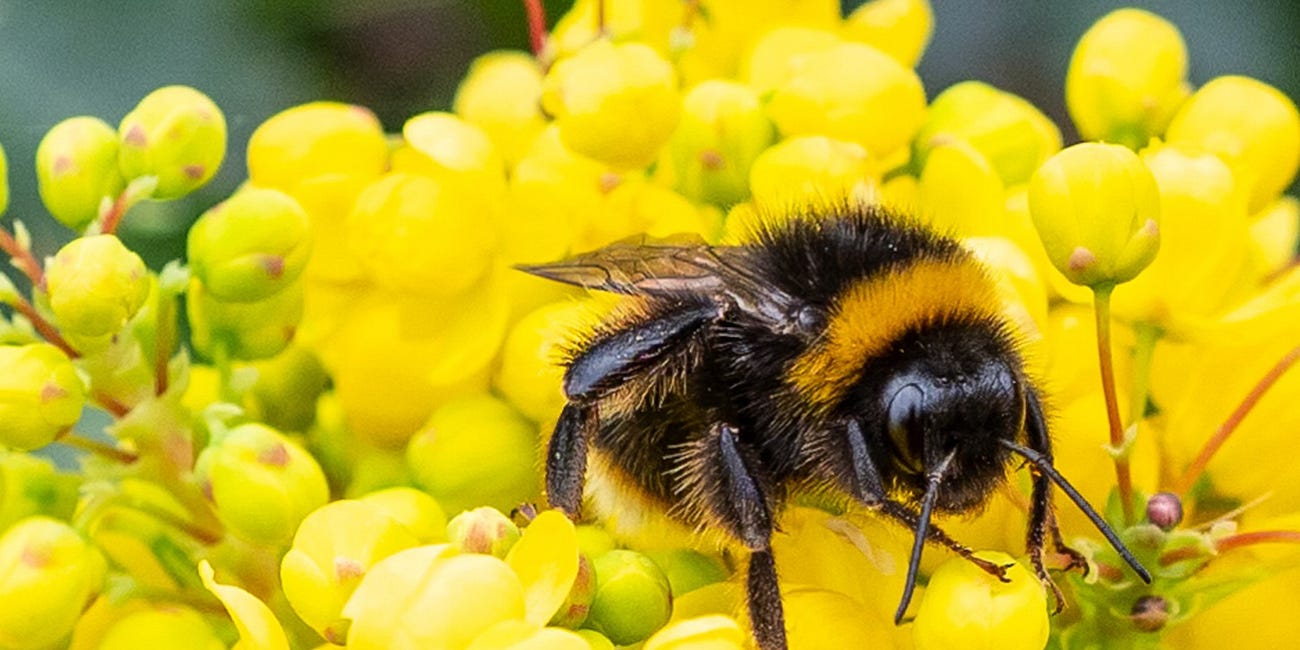
Of course, I love fresh pine or spruce or fir trees especially at this time of year. But are there alternative festive shrubs? The Oregon grape is worth a look - it is evergreen with holly-like leaves. The flowers are fairly long-lasting so Oregon grape offers a potential source of food for pollinators, especially those woken too soon from their winter …
Rosemary (Salvia rosmarinus)
Rosemary (Salvia rosmarinus) research notes
·
December 16, 2025
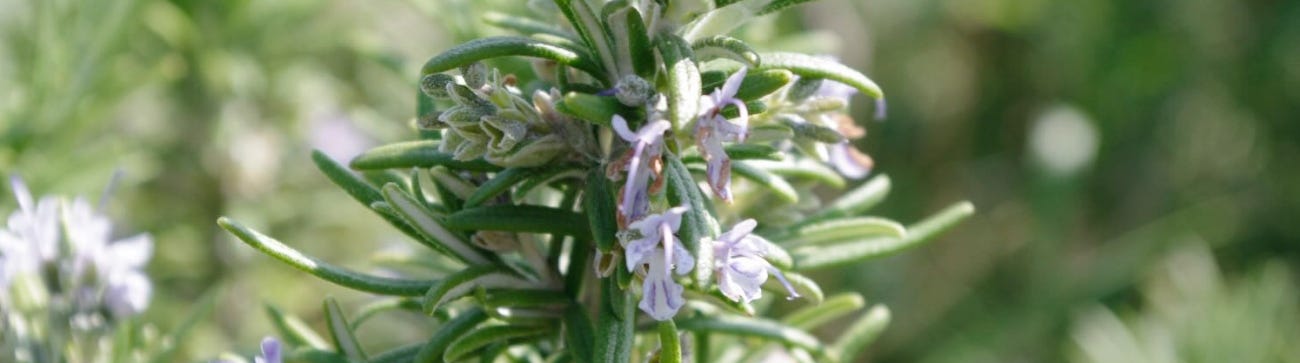
Rosemary is a generous plant, offering so much fragrance with many beneficial effects, and it grows abundantly in well-drained soil in a sunny location, whether in a pot or a border. Traditionally used as a digestive and tonic for memory, rosemary leaves offer a considerable range of herbal actions: including anti-inflammatory, antioxidant, antibacteria…
Siberian ginseng (Eleutherococcus senticosus)
Siberian ginseng research notes:
·
November 29, 2024
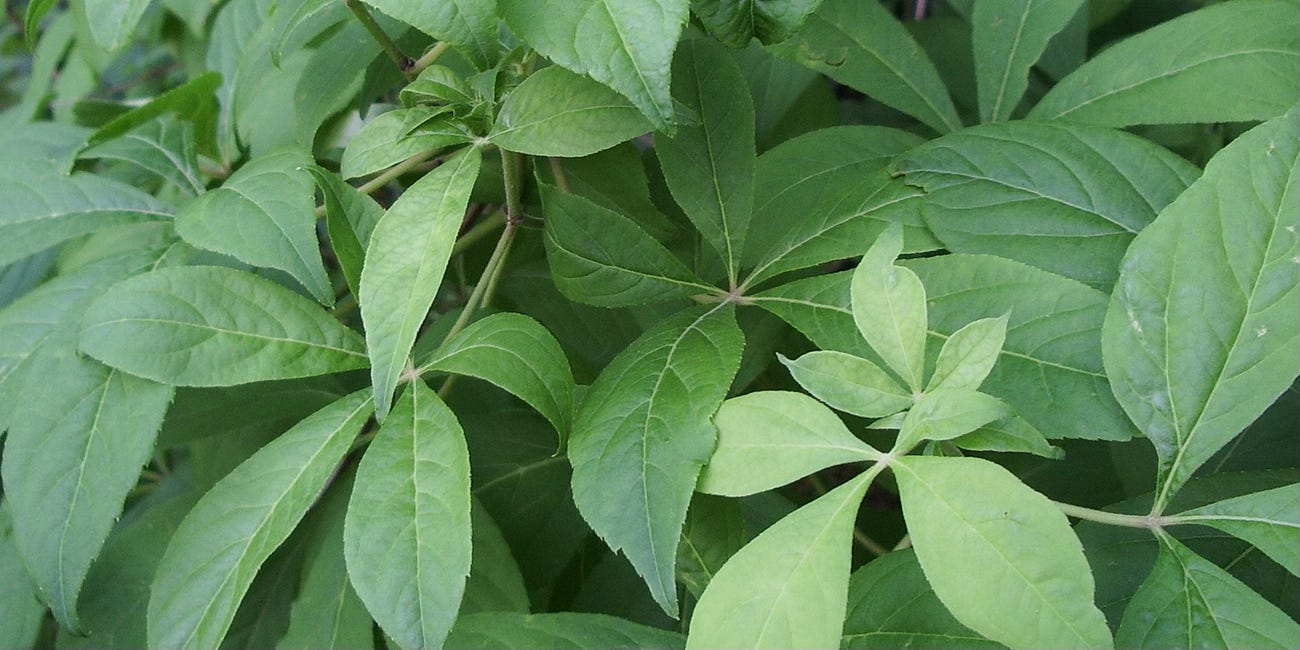
Siberian ginseng (Eleutherococcus senticosus) is a very useful forest garden plant, doing well in light shade and fairly adaptable to cooler European or North American climates. This is a significant deciduous shrub from northern Asia with many traditional uses and has been shown to enable increased en…
Spicebush (Lindera benzoin)
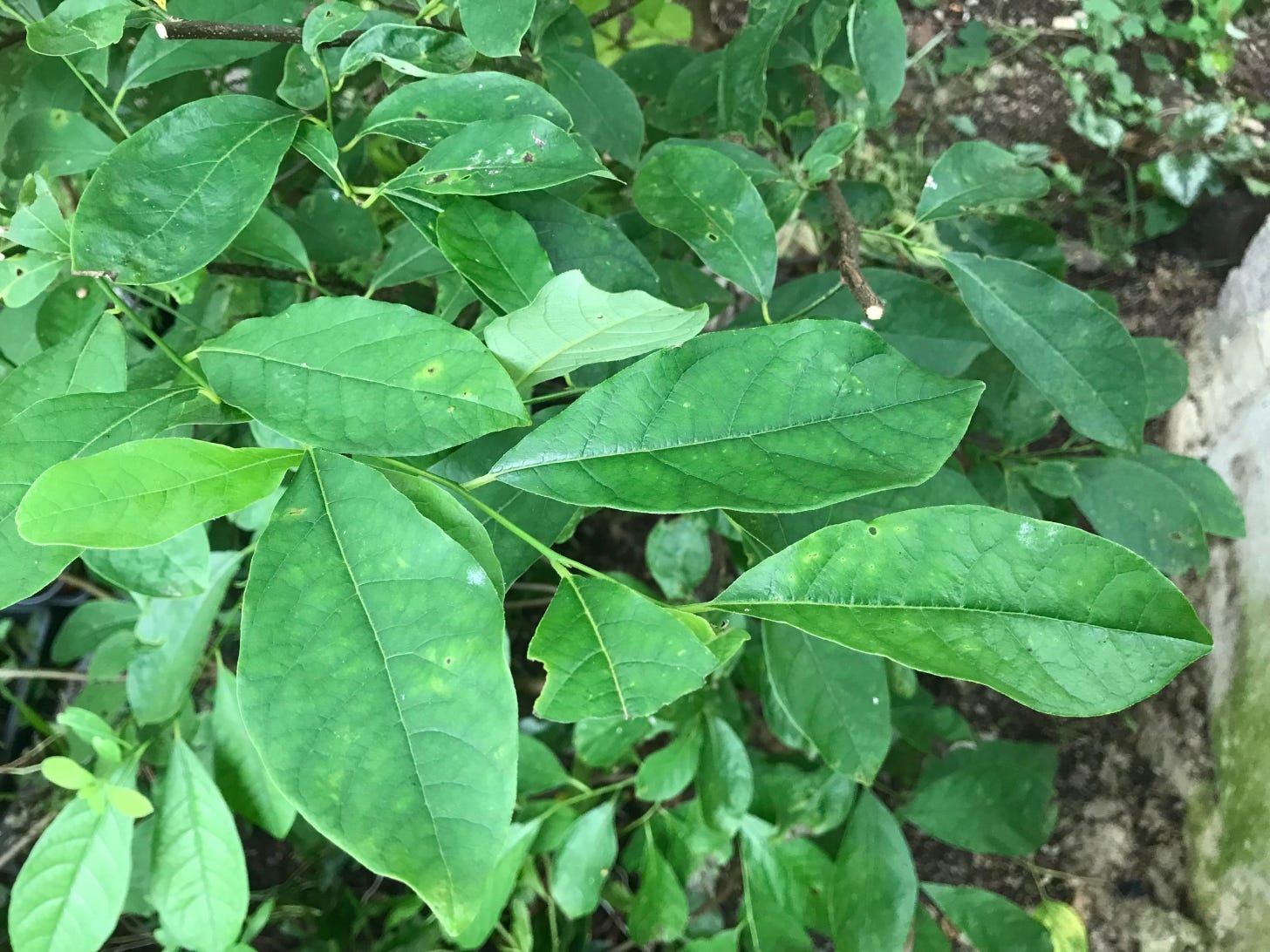
Spicebush is a North American woodland shrub with aromatic leaves and spicy berries that is worthy of greater recognition. The spicebush is in the Lauraceae family. This shrub provides aromatic, astringent, tonic and diaphoretic (promotes sweating) actions. The leaves make a tea beneficial for digestion and the fruits can be used to settle digestion. Spicebush contains sesquiterpene lactones and camphor. Read full story
Sweet bay (Laurus nobilis)
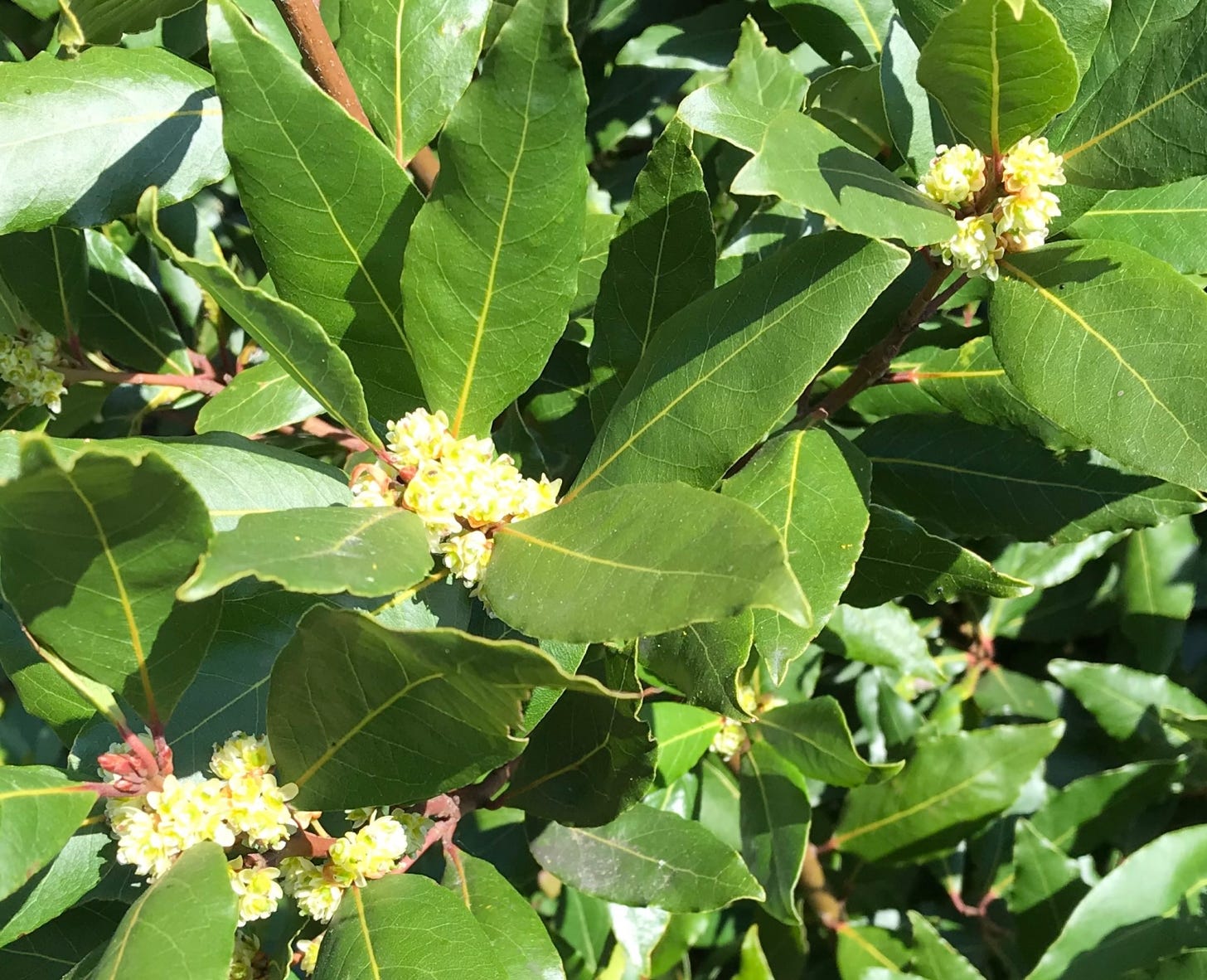
Sweet bay is an attractive evergreen tree, with glossy green aromatic leaves and spicy berries, used for culinary and medicinal purposes since classical times. Sweet bay leaves are anti-inflammatory. They have been used since classical times as an infusion for digestive, respiratory and urinary complaints and the berries used to promote appetite. The leaves and berries have also traditionally been used for ague, arthritis and rheumatism, skin rashes and boils. Read full story
Sweet chestnut (Castanea sativa)
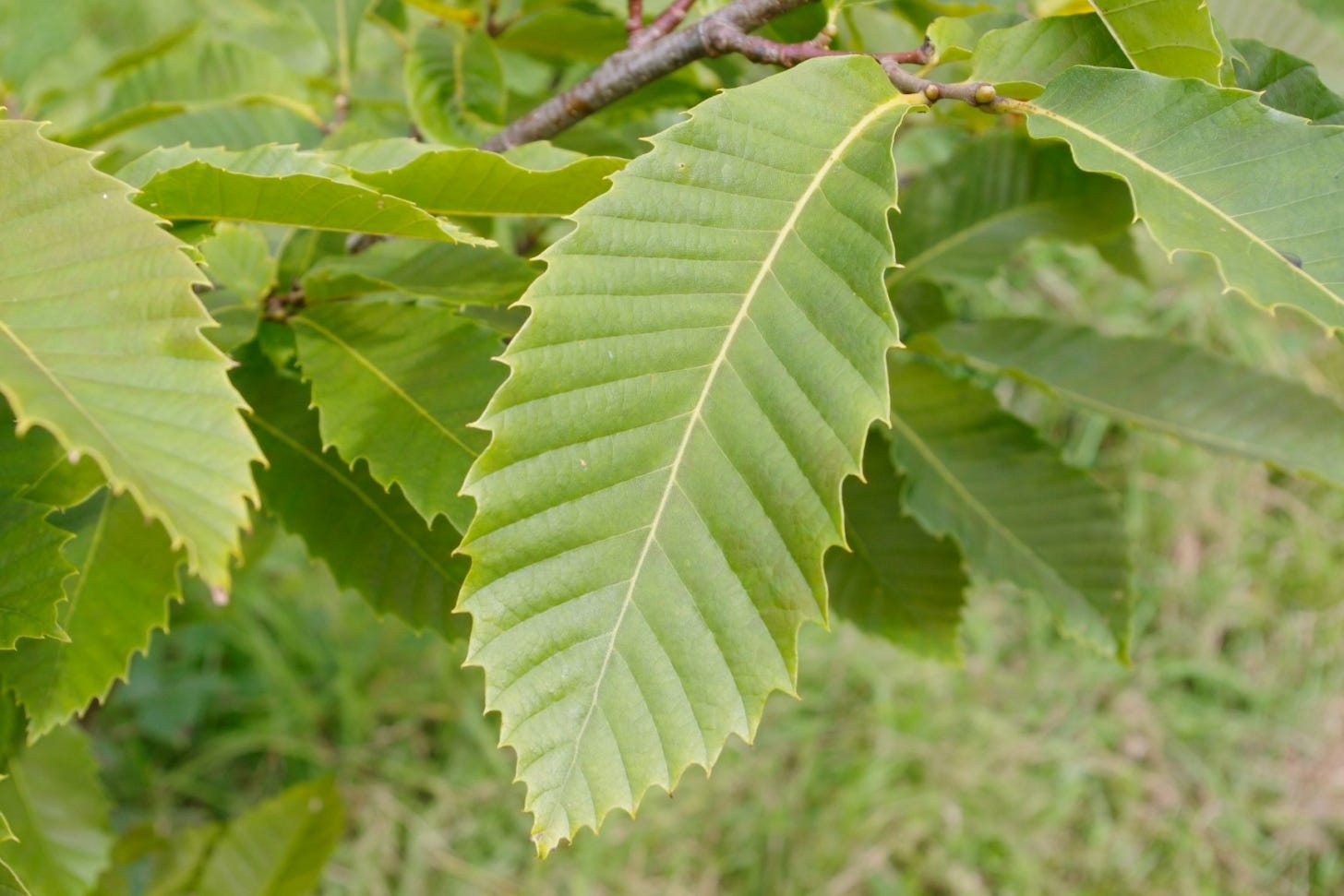
The sweet chestnut (Castanea sativa) is a medium to large-sized medicinal tree of the beech family, with large sawtooth-edged leaves and edible nuts, traditionally used in respiratory complaints. The sweet chestnut is widely known for its nutritious fruits, but it has much more to offer as a medicinal tree. Read full story
More medicinal trees and shrubs
For a comprehensive listing of details for 80 tree and shrub species with recipes see my book Trees and Shrubs That Heal (2023) available from all good booksellers. For more background reference details you can obtain a free download of 500 research references for 80 medicinal trees and shrubs at the Medicinal Forest Garden Trust website.
Comments
Nothing yet. Say the first thing.
Sign in to join the conversation.