
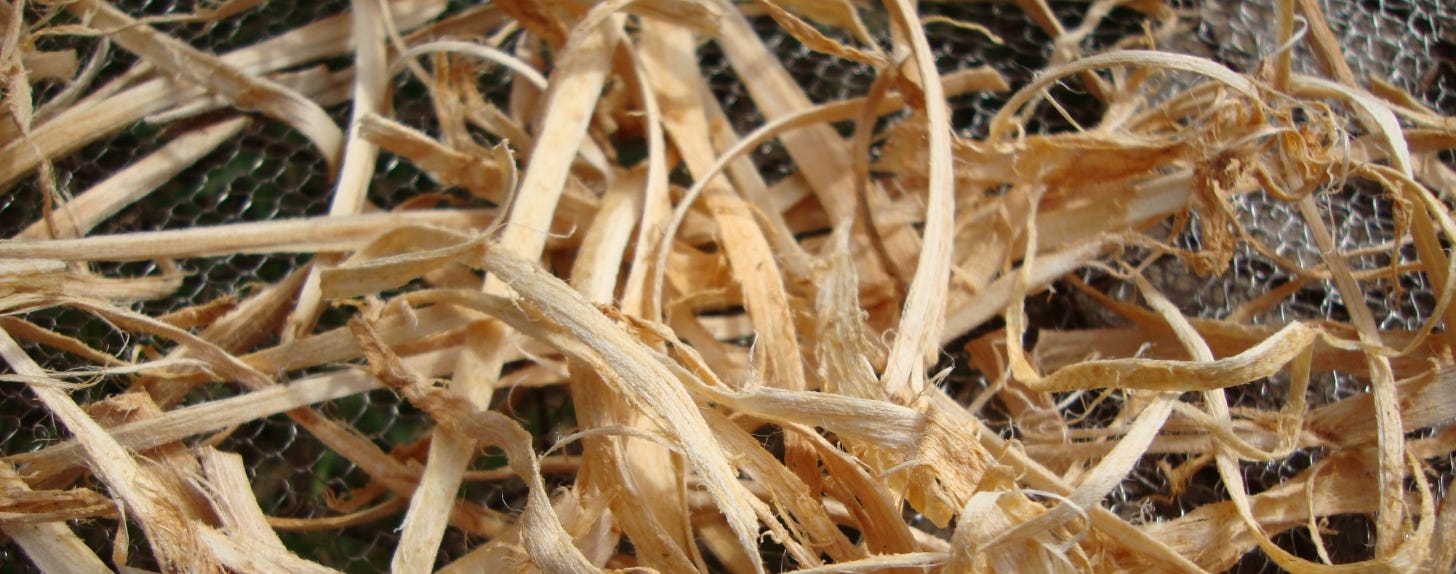
Drying intrigues me, it is essential for preserving medicinal plants, and is particularly useful for making a good harvest available right through the year. But how does it really work, why exactly does well-dried plant material matter? And how best to dry, making the process of drying efficient without being very expensive. In this post I detail why drying is beneficial and how the process actually works. I explore the plant constituents that benefit from different types of drying, discussing oven, sun/shade, microwave and freeze drying. And I suggest ways to help drying on a small scale. For growers and herbalists this understanding can help us to develop more effective ways of drying our own harvests!
This post is part of the paid MAKING RECIPES # series. All my other posts are available free to subscribers. The MAKING RECIPES # series for paid subscribers aims to give you useful advice and information if you want to be making and selling herbal remedies and body care products. This is my inside story as a herbal practitioner based on my experience of growing, harvesting and making plant preparations from the medicinal forest garden. If you sign up as a paid subscriber you can also comment and access the chat and entire past archive. You will be helping to support the Medicinal Forest Garden Trust too which is much appreciated!
What benefits does drying provide?


You may be in a fortunate position to have more plants available to harvest than you need to use straight away! You can use the drying process to manage this bonanza. Drying effectively reduces moisture content and helps preserve the quality of herbs through inhibiting the growth of microorganisms and chemical changes during storage. There are other benefits too, from reducing the size of storage containers needed to improving subsequent extraction processes such as infusions and tinctures. Drying can be carried out in different ways and, depending on these, the quality of plant material will be reflected in the content of bioactive compounds as well as colour and aroma.
Why is water needed in plants?
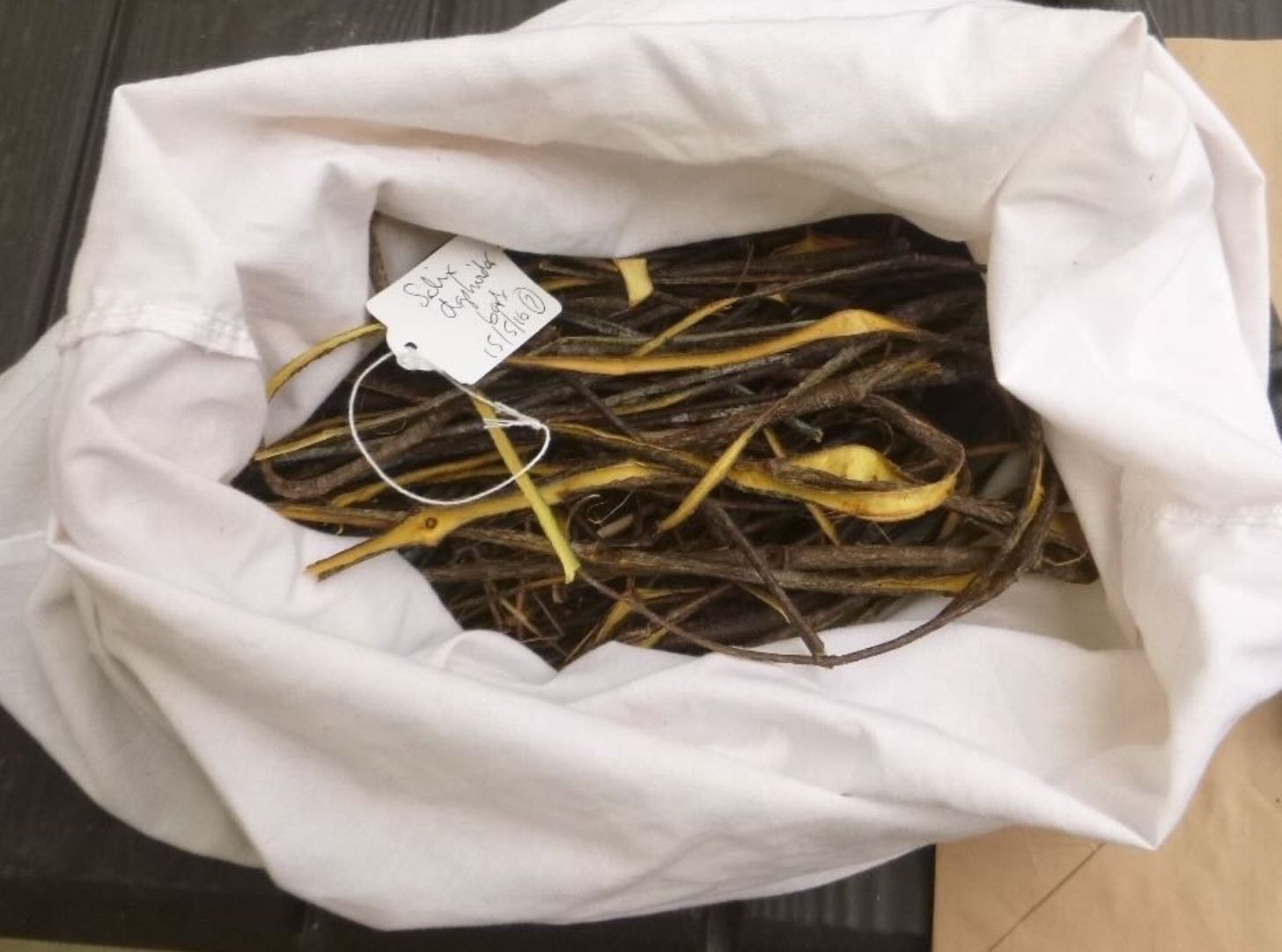
Most plants contain as much as 75-80% moisture, possibly even more, though bark is somewhat less watery! A starting point for understanding how drying works is to appreciate how water is essential for the life of plants. Plants can move around vast quantities of water both within and without cells. Water is largely absorbed through roots while carbon dioxide is taken in through pores in the leaves. Plants absorb water to use it in the process of photosynthesis, to acquire nutrients and move them around, and to enable cooling and structural support. When plants are harvested they begin to uncontrollably lose water and cannot replace it. The effect of this moisture loss is to undermine metabolic processes and to collapse cells and other structures essential for life (Rockwell and Sage, 2022). For example, the plant cells in leaves begin to deteriorate soon after they are harvested. The rupture of cell walls releases chemicals and more plant contents are exposed. As the plant tissues break up then they become vulnerable to moulds and bacterial invasion. This may be a desirable feature of certain preparations such as ferments and vinegars. Otherwise, without drying, the plant material may soon no longer be usable and end up on the compost heap.
Comments
Nothing yet. Say the first thing.
Sign in to join the conversation.