
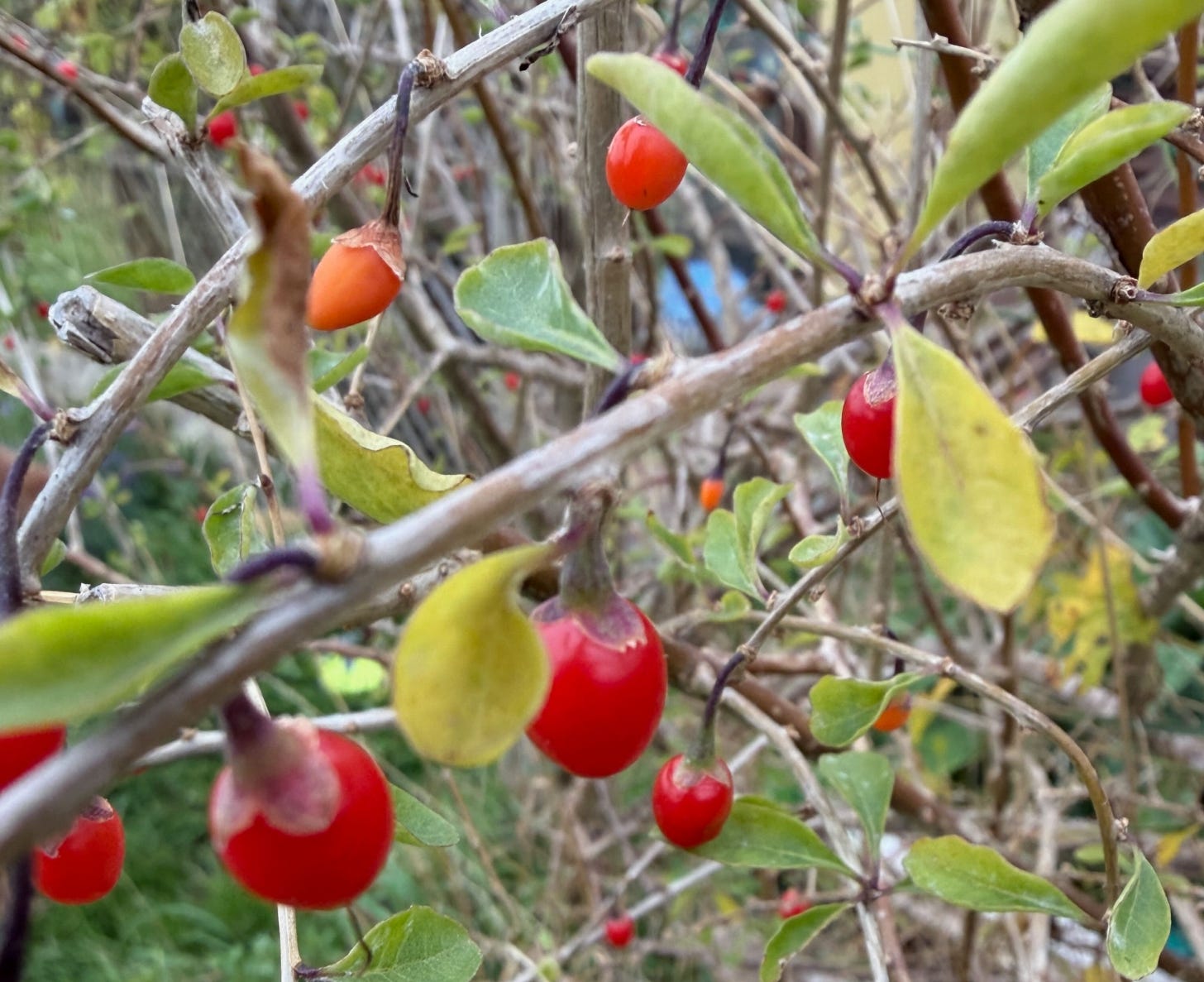
In this post I look at the very useful goji (Lycium barbarum) shrub, otherwise known as wolfberry. This is an easy-to-grow and hardy shrub which offers food and medicinal benefits to human health. The berries and leaves are anti-inflammatory and antioxidant and are claimed to combat aging and degenerative diseases including problems with the eyes. Here, I take a look at these benefits and describe how to grow and manage goji with suggestions for harvesting and use.
Traditional and modern uses of goji
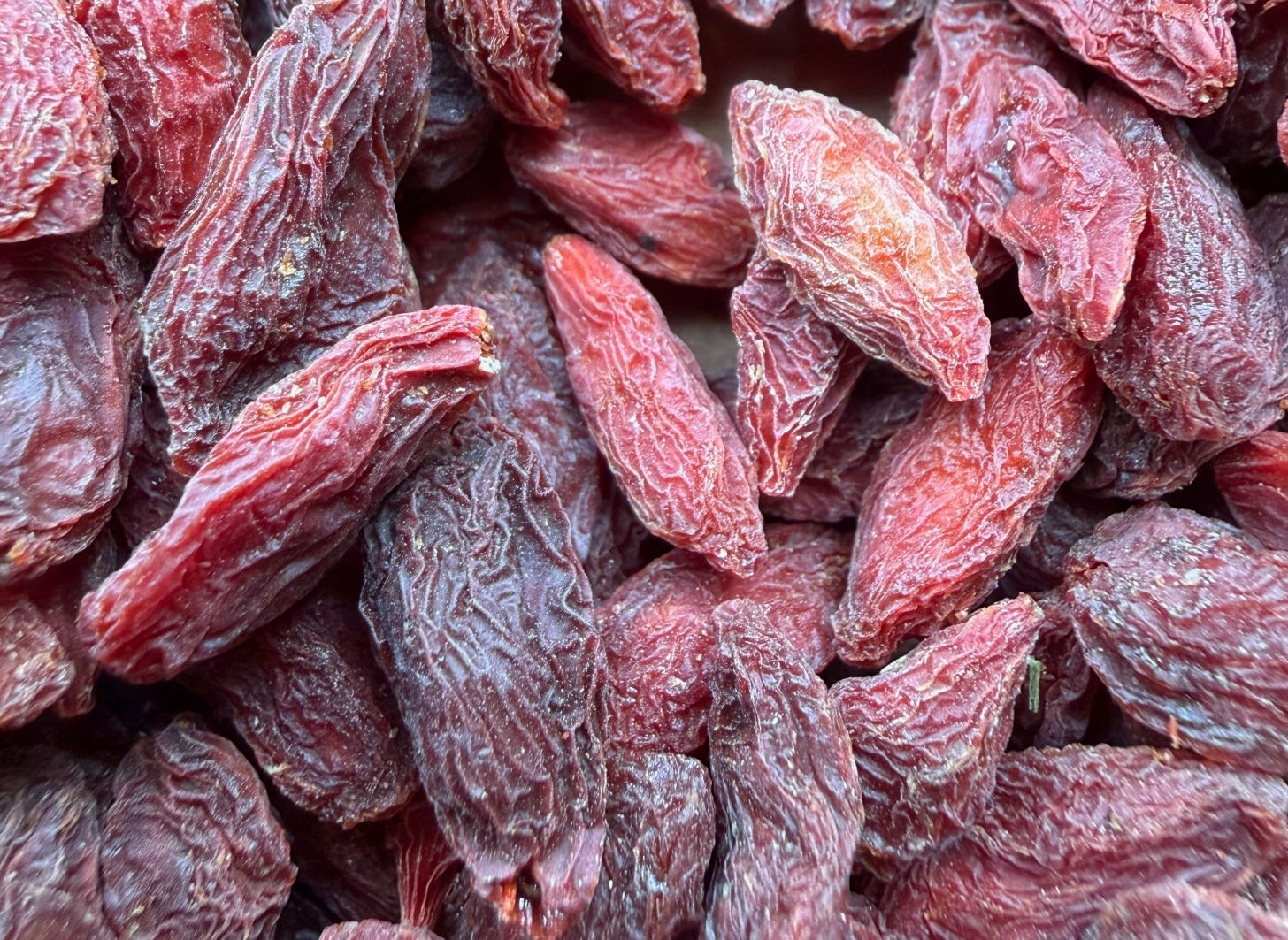
The goji is an important plant in traditional Chinese, Japanese and Korean medicine. It has longstanding use as a tonic and for ailments of skin and eyes: three parts are used, the fruits, the leaves and the root bark. More recent studies show that the highest antioxidant activity is in the root bark (Xiao et al., 2019). The health benefits are likely due to many constituents including flavonoids, polysaccharides, alkaloids, polyphenols, amino acids and trace elements which contribute to the anti-aging, improving eyesight, anti-fatigue, and other beneficial effects. Apart from nutritional benefits the berries and leaves may also help in lowering blood sugar levels, regulating immune function, and improving intestinal function. It has been suggested that the berries are adaptogenic in helping the body to withstand stress.
Thanks for reading Medicinal Tree Woman! This post is public so feel free to share it.
Cultivation worldwide from China to Europe
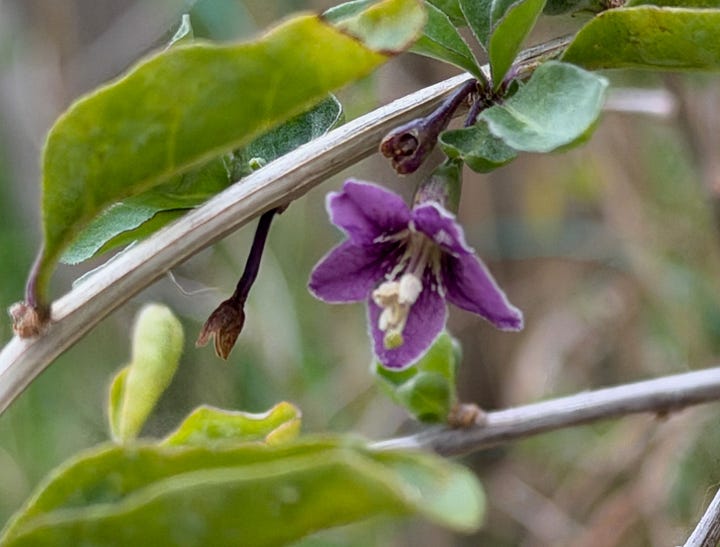
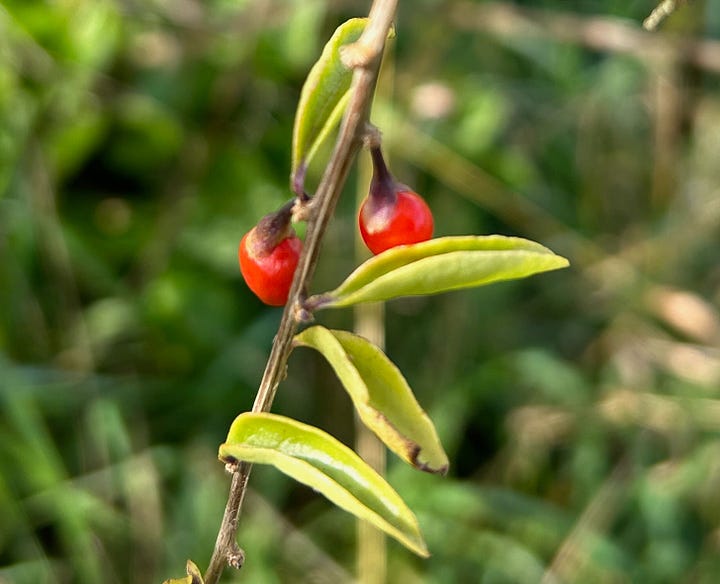
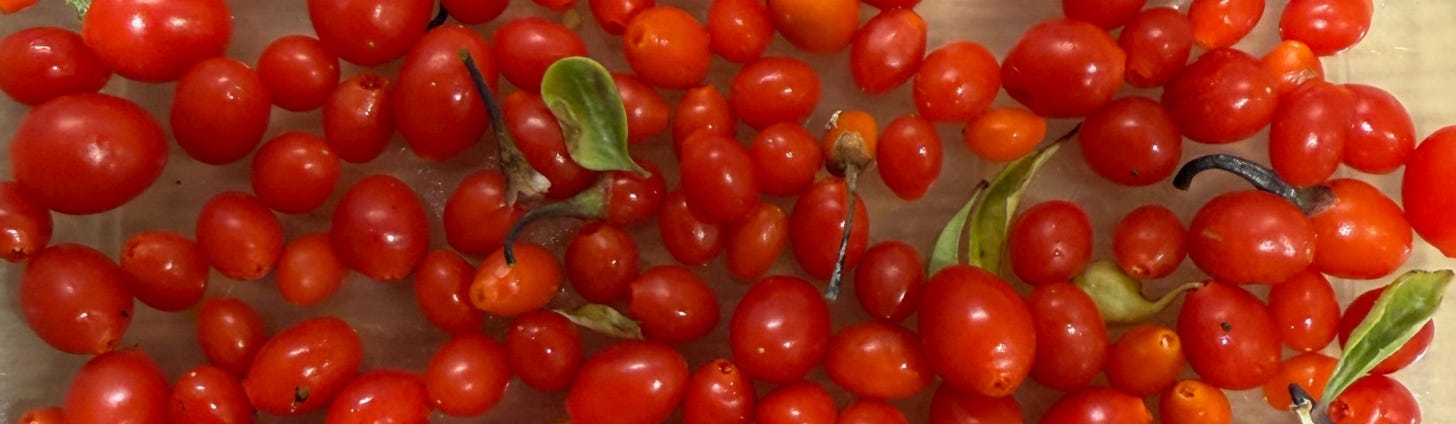
The goji is a member of the potato family or Solanaceae, and it originates from Asia. It will readily grow in a dry environment, including hedges, on walls and waste ground. The goji is a deciduous shrub which grows up to 2.5 m and arching stems can spread up to 4 m. It produces leaves from May onwards, with fruits in September onwards. Flowers can be self-pollinated, and the small berries up to 2 cm long ripen red in autumn. The related species is L. chinense is also widely used (Yao et al., 2021). The goji plant is cultivated extensively in China for a worldwide trade in the fruits. It is also widely grown and naturalised in Europe.
Growing your own goji
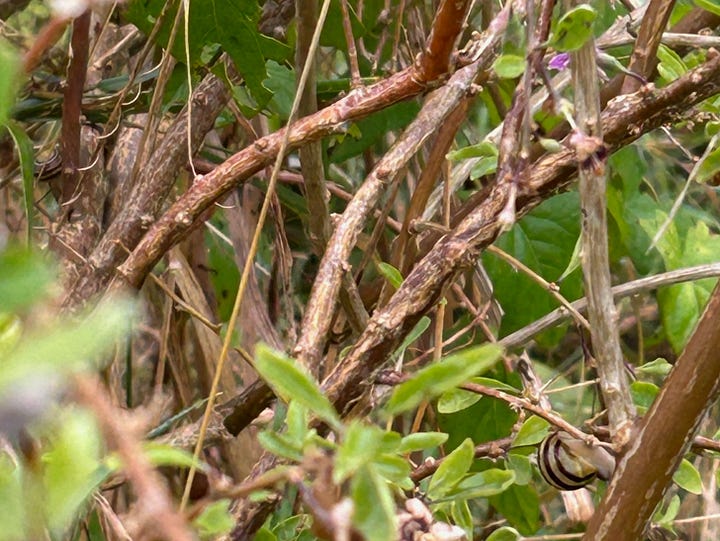
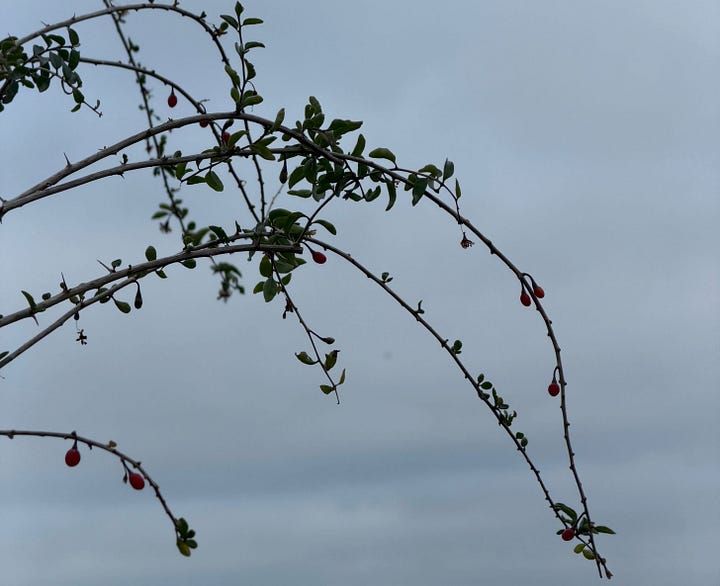
The goji is ideal for temperate growing in drier places and is hardy through USDA zones 6-9. It will grow in well-drained soil and can grow in poor soil. The plant would be a good choice for a sunny corner space. It tolerates alkaline soil and drought. Goji does best when grown in sun but can cope with light shade. It is usually pruned in spring. Left alone the goji will form a thicket with long and arching stems. Suckers are formed, and these may need to be cut back. You may want to support the stems to horizontal wires or a lattice fence. You can keep each goji plant bushy by thinning to five or six stems and by cutting back long stems and lateral branches including crossing branches, this will promote more side shoots. Since fruits are borne on the previous year growth you will find that extra fruiting may not appear until the following year. Wear gloves as there are prickly spines on the stems. Any cuttings can be trimmed to 20 cm and placed in soil to grow on giving additional plants. Apart from cultivation for fruit and leaves the goji may be useful for its fibrous roots which can help to stabilise sandy soil banks. However, caution is advised with introducing this plant in wild places as it is regarded as invasive in parts of Australia and USA.
Harvesting goji fruits and leaves
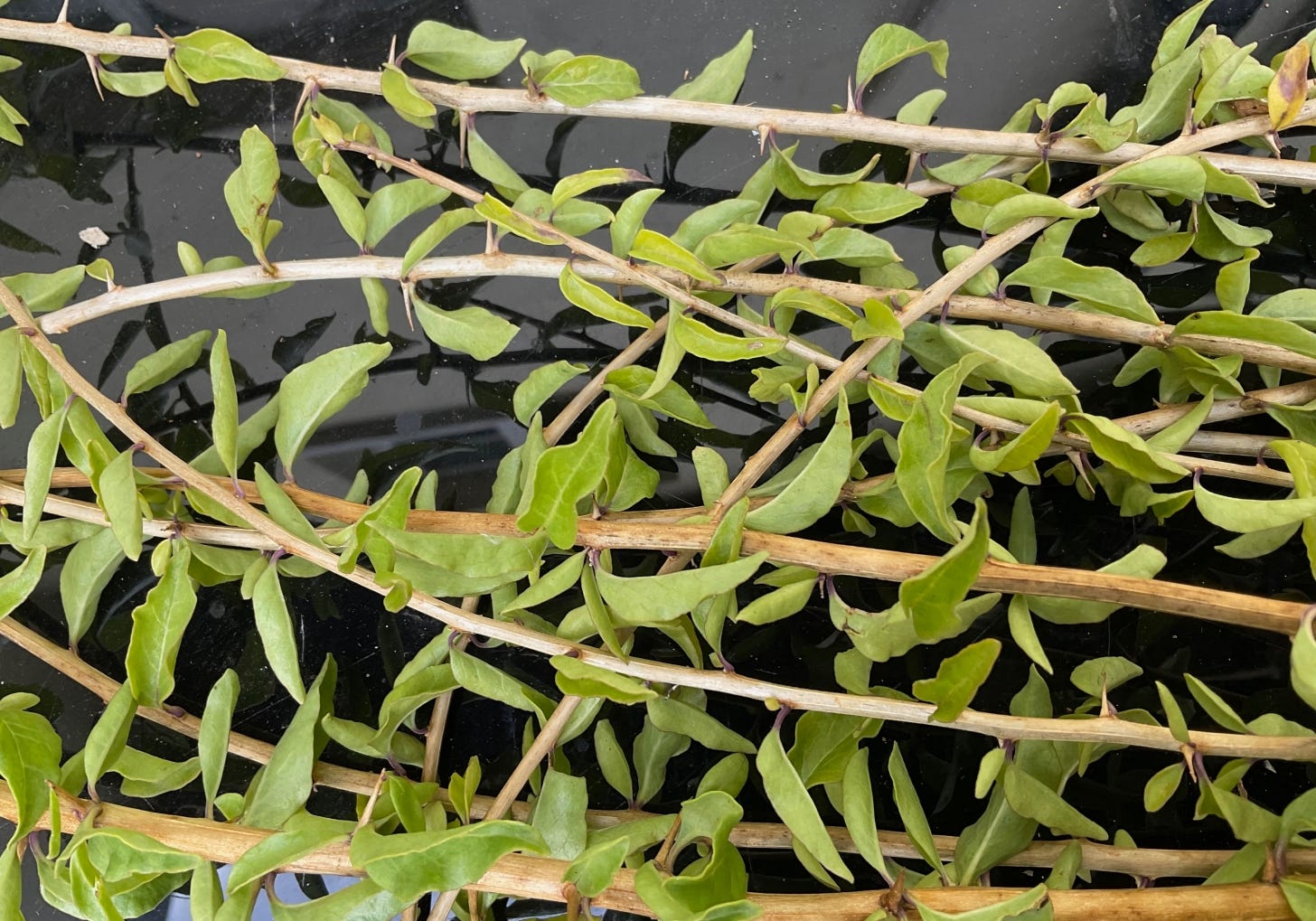
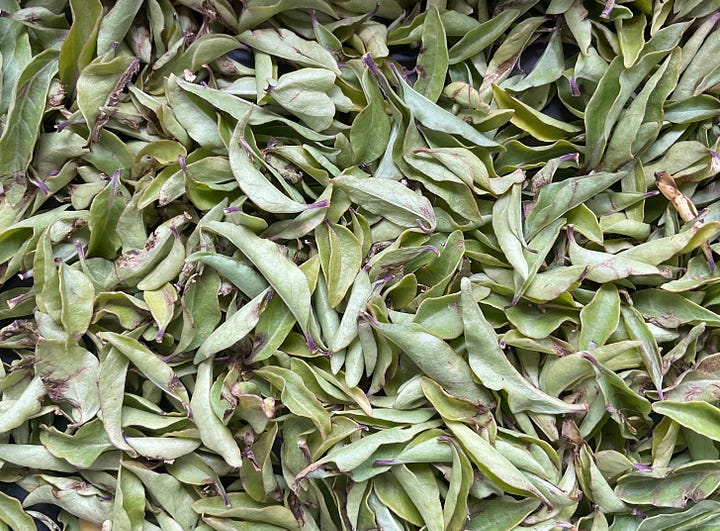
An established goji plant can produce fruits after several years. The leaf shoots can be used in spring as a vegetable and are rich in the active constituents (Peng et al., 2025). The young leaves can be used fresh or dried for later use. The small red juicy fruits are harvested as they ripen in late summer but do not store well without careful drying. If you are drying a quantity then it is worth sorting the fruits into smaller and larger sizes for more even drying.

Research studies show the potential of goji for health
Generally, the goji is regarded as a functional food, not only is it highly nutritious but it also offers further health benefits. The leaves contain polyphenols, flavonoids, alkaloids, minerals and vitamins. The fruits contain vitamins, minerals, carotenoids (mainly zeaxanthin), polysaccharides and essential fatty acids. Goji leaf actions are antioxidant, antimicrobial, antidiabetic and tonic. The fruits are anti-inflammatory, antioxidant, immunomodulating, antifatigue, cardiotonic and hepatoprotective. As a significant antioxidant, the goji plant offers potential in withstanding the effects of aging and damage to the skin. The anti-inflammatory effects are also indicated for use in osteoarthritis (Ni et al., 2021). Regular consumption can offer improvements in eye function due to preventing retinal degeneration (Li et al., 2021). Various studies have suggested benefits in preventing cancer and neurogenerative diseases, and in reducing blood fats and sugars and cardiovascular disease (Vidović et al., 2022). As with many other plants, the effects of goji are not fully researched in human subjects, so most of these uses are based on knowledge of the constituents.
Ways to use goji berries and leaves
Goji leaves are edible in soups and stir fries. An infusion can be made from goji leaves and sliced ginger for a tonic tea. Fresh goji fruits can be eaten whole or juiced. The dried berries are often used in soups and other cooked recipes or can be used to make trail mixes. Dried berries, up to 15-30 g can be taken daily. Alternatively add a few dried goji berries to herb teas while infusing. Note that goji is not recommended for use in pregnancy or breastfeeding. Caution is also advised on goji use with blood thinners. Since the goji is a member of the potato family the unripe fruits should not be used due to alkaloid content.
RECIPE FOR GOJI BERRY FRUIT SMOOTHIE
250 ml water
20 g dried goji berries
1 banana
1 apple
juice of 1/2 lemon
2 teaspoons of honey
Soak the goji berries overnight in the water.
Peel and chop the apple and banana into chunks.
Place the goji berries, water, fruit chunks, lemon juice and honey in a blender and process until smooth. Take to reduce inflammation and support the immune system.
RECIPE FOR GOJI TONIC TEA
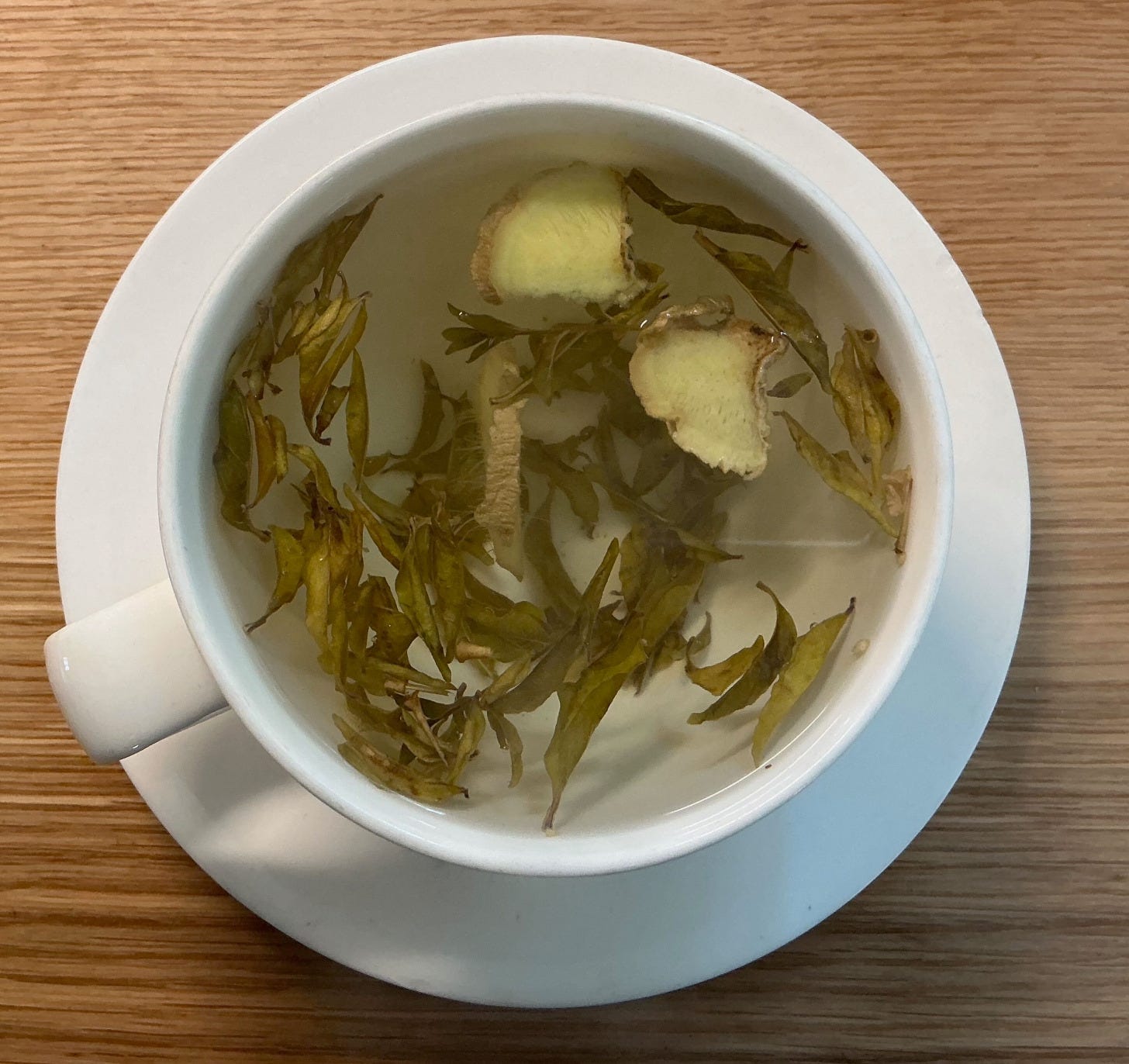
25 g goji leaves, fresh (15 g dried)
15 g ginger root fresh
400 ml water
Shred the leaves and slice the ginger and place in a pan. Boil the water and pour onto the leaves and root. Cover and leave to steep for 10 min. Then strain and drink a cup in the mornings. This tea is a refreshing tonic and beneficial for the digestion.
(This tea recipe comes from my book Trees That Heal which contains details of 80 trees and shrubs with suggested recipes, available from good booksellers)
A very useful plant to grow
The goji is a great plant to consider if you have an unused space with poor or calcium-rich soil in a sunny location. You can either allow it to form a tangled thicket, or you can manage as a series of shrubs rather like a row of rangy gooseberry bushes. Also, goji can contribute to biodiversity as it is attractive to pollinators, offering flowers over the summer. Overall, goji berries and leaves offer not only food and tea but also anti-inflammatory and antioxidant properties of considerable benefit to health.
References
Li X, Holt RR, Keen CL, et al. 2021. Goji berry intake increases macular pigment optical density in healthy adults: A randomized pilot trial. Nutrients 13(12):4409. doi: 10.3390/nu13124409.
Ni J, Au M, Kong H, Wang X, and Wen C. 2021. Lycium barbarum polysaccharides in ageing and its potential use for prevention and treatment of osteoarthritis: A systematic review. BMC Complementary Medicine and Therapies 21: 212. doi: 10.1186/s12906-021-03385-0
Peng M, Li C, Yang X, et al. 2025. Health benefits and food applications of bioactive constituents from different medicinal parts (bark, leaf, and fruit) of Lycium barbarum. Food Sci Nutr 13 (10): e71018. doi: 10.1002/fsn3.71018.
Vidović BB, Milinčić DD, Marčetić MD, et al. 2022. Health benefits and applications of goji berries in functional food products development: A review. Antioxidants (Basel) 11(2): 248. doi: 10.3390/antiox11020248.
Xiao X, Ren W, Zhang N, et al. 2019. Comparative study of the chemical constituents and bioactivities of the extracts from fruits, leaves and root barks of Lycium barbarum. Molecules 24(8): 1585. doi: 10.3390/molecules24081585
Yao R, Heinrich M, Zhao X, et al. 2021. What’s the choice for goji: Lycium barbarum L. or L. chinense Mill.? J Ethnopharmacology 276: 114185. doi: 10.1016/j.jep.2021.114185.
Did you know? You can download a PDF of 500 references on the MFGT website supporting the medicinal benefits of 80 trees and shrubs, free, here...
Comments
Nothing yet. Say the first thing.
Sign in to join the conversation.