
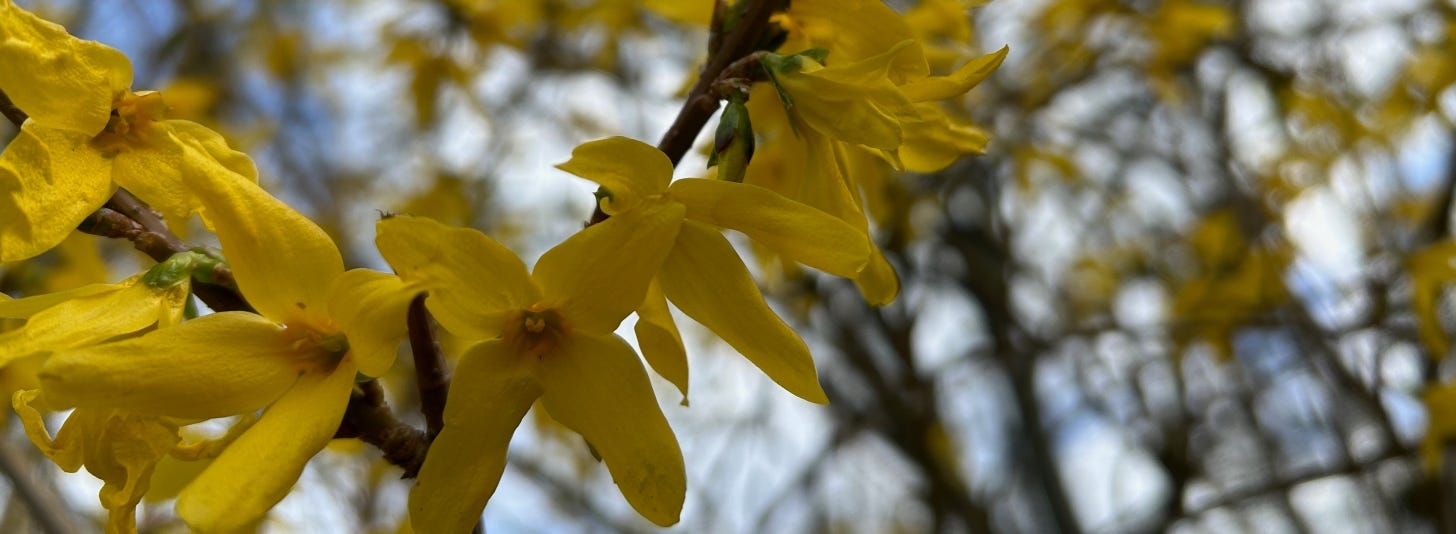
Forsythia in the UK is best known for its glorious yellow flowers early in the year. However, it is not just a garden ornamental as it has potential for medicinal use, especially as an anti-inflammatory for a wide range of ailments. Here I outline traditional uses and active constituents making the flowers and leaves significant for healing purposes. I explain how to grow it for a sustainable harvest and why some forsythia varieties may not be ideal for pollinators. And you can see some suggestions for use in edible or health-promoting preparations.
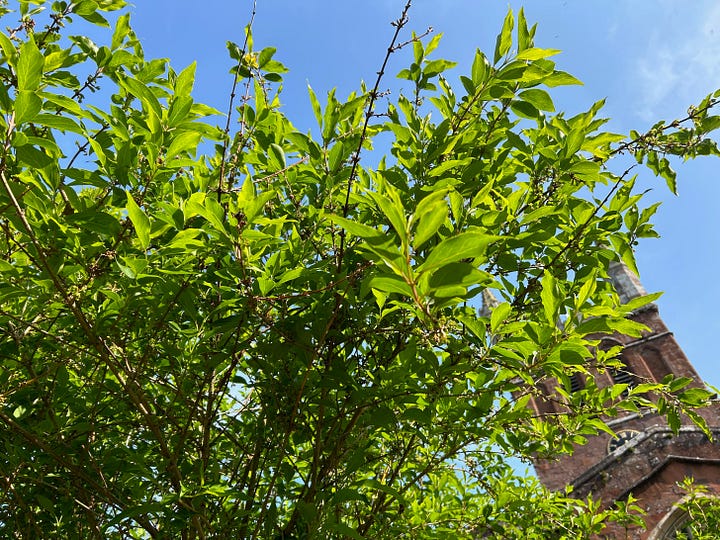
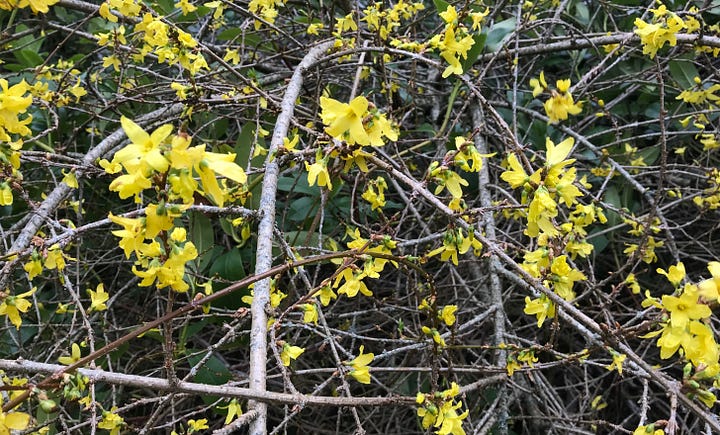
Most of the year the forsythia is almost invisible, just another green-leaved shrub, but in early spring it bursts into vivid yellow blooms. Suddenly you may notice it everywhere! The medicinal species, Forsythia suspensa, is a hardy shrub and a member of the olive (Oleaceae) family. This deciduous species originates from eastern Asia to China, a plant that forms thickets on hillsides and woodland edges. It may be called weeping forsythia as it has arching stems. It is a variable and somewhat straggly shrub with multiple stems and spreading branches readily growing to 3-4 m tall up to 4 m wide. Copious yellow flowers are produced in March-April before the leaves. The fruits are narrow capsules with two chambers produced from July to September.
Traditional use in Chinese medicine
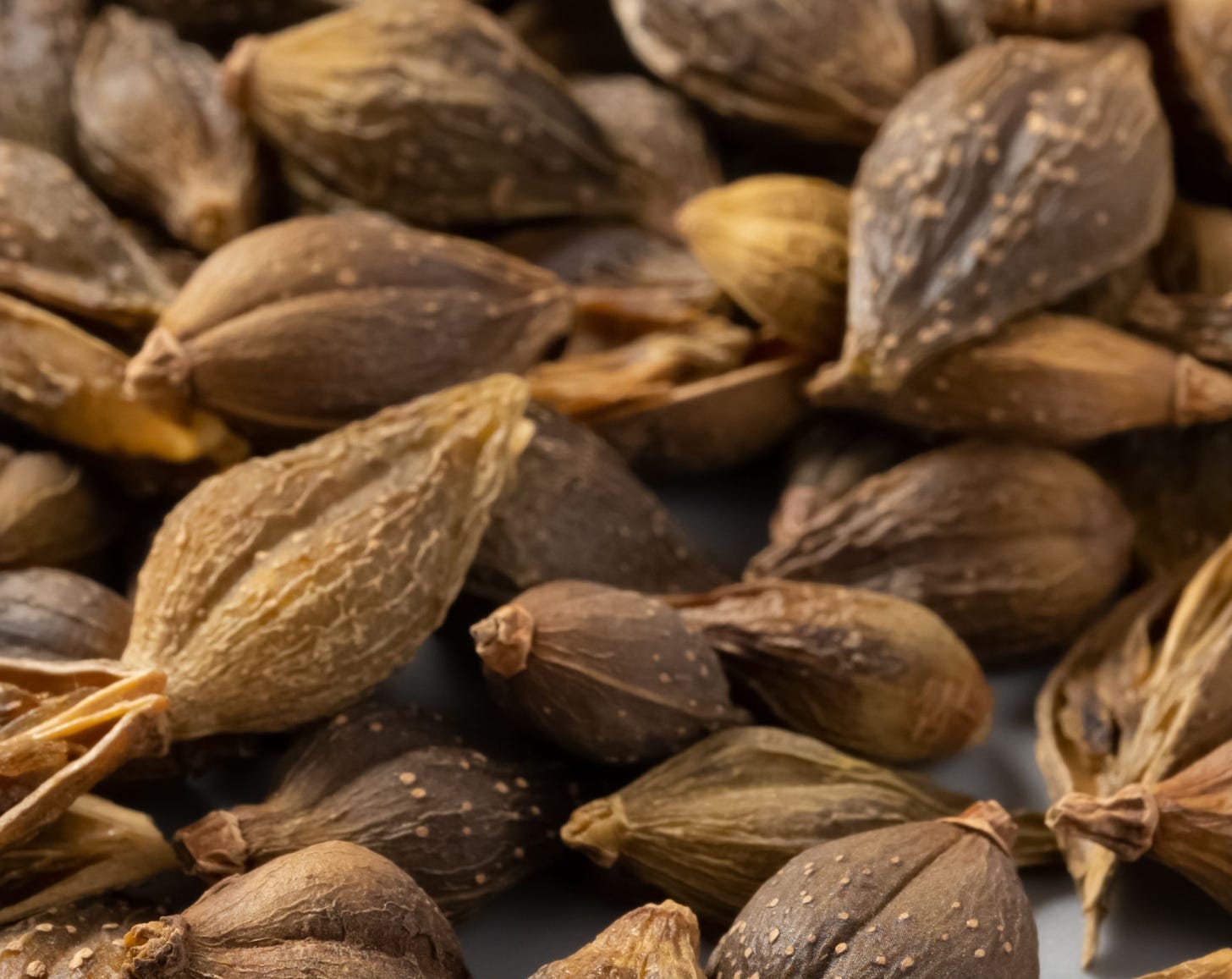
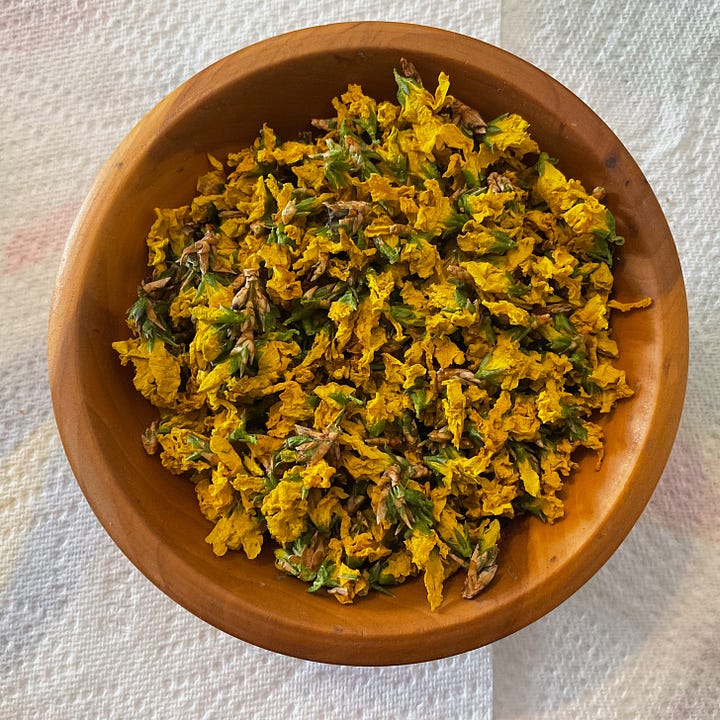
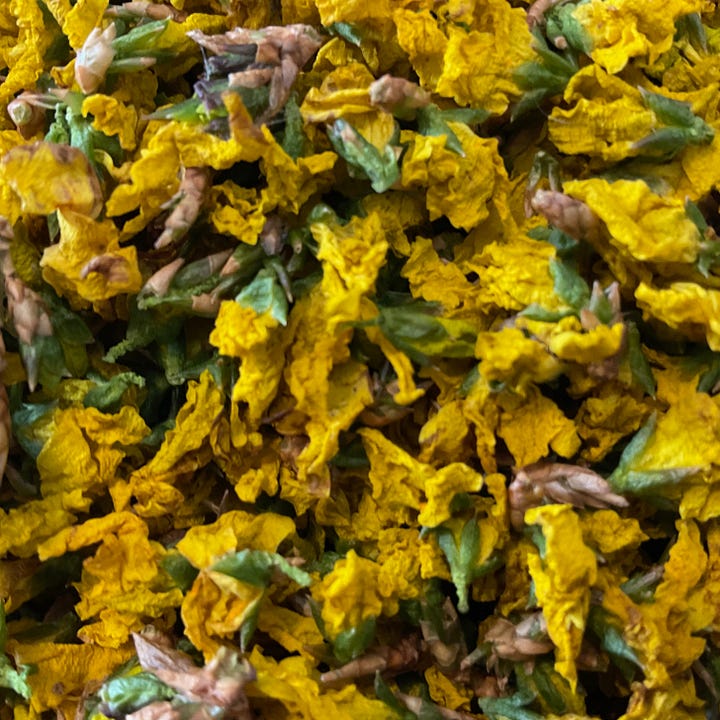
Forsythia is a bitter tasting herb, one of the 50 fundamental herbs in traditional Chinese medicine, used for clearing heat and detoxification in childhood fevers, acne and skin infections. The fruits have been used to treat fever, inflammation and other conditions and are found in many medicinal formulas. In traditional Chinese medicine the fruit is harvested in two forms, either green and starting to ripen (Qing Qiao) or when yellow and fully ripe (Lao Qiao) (Wang et al., 2018). However, in the UK and many other countries we do not find the fruits and are more likely to be able only to harvest the flowers and the leaves. The flowers and subsequent leaves do offer healing benefits including help for respiratory complaints. The prodigious flower harvest can also be dried for later use.
Cultivation of forsythia
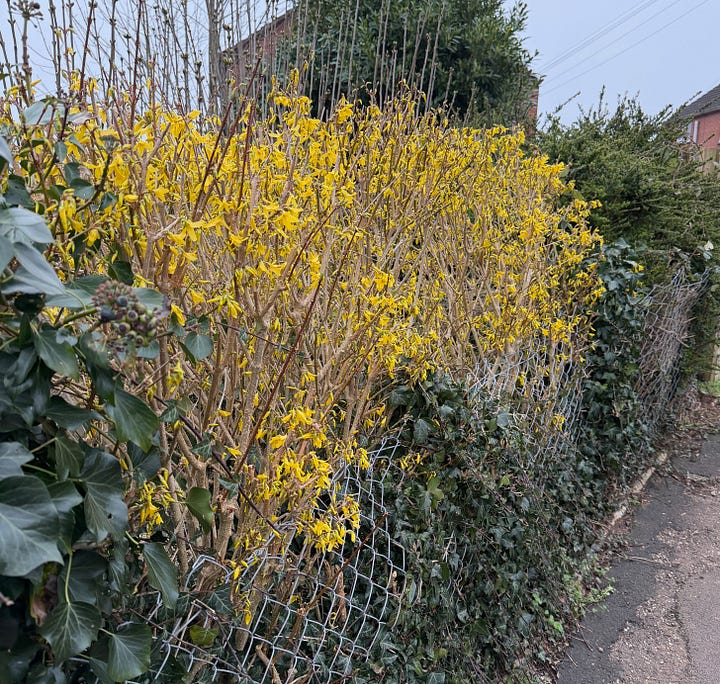
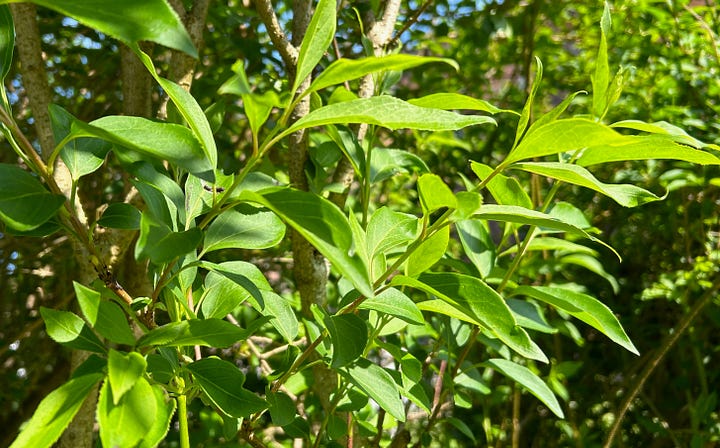
Most forsythia plants are tough and will grow in a range of soils. Forsythia prefers full sunlight, though it can grow in partial shade and is tolerant of urban pollution. Forsythia is a medium to fast growing plant and can readily form a thicket - it can be useful for hedging. For the further production of flowers, the stems should be pruned at or soon after flowering, as flowers are produced on wood more than one year old. As forsythia is a member of the olive family it may be susceptible to ash dieback though this has not been shown to be a problem so far.
Varieties of forsythia are commonly planted in gardens and parks. Brought to Europe in the nineteenth century and most commonly today it is the hybrid Forsythia x intermedia that is planted as an ornamental, thought to derive from F. suspensa and F. viridissima. F. suspensa may be distinguished by its pale flowers while closely related F. viridissima flowers a bit later in the year. Hybrid varieties of forsythia sadly are not helpful for bees as they are sterile and do not produce significant nectar or pollen (Lindemann-Matthies et al., 2021). Plants for sale are usually raised from cuttings.
Not just an ornamental shrub, forsythia has healing benefits
Forsythia medicinal flowers and leaves are reported to be anti-inflammatory, bitter, astringent, anti-obesity, antioxidant, antibacterial, antiviral, laxative, diuretic, hepatoprotective, neuroprotective and tonic. Phenylethanoid glycosides and lignans are considered to be characteristic and active constituents of forsythia, such as forsythiaside, phillyrin and phillygenin. Further constituents include triterpenoids and flavonoids such as rutin. The levels of phillyrin are highest in the leaves (Zhou et al., 2022). Phillyrin inhibits phosphodiesterase 4 (PDE4), an enzyme in inflammatory cells, responsible for degrading cyclic adenosine monophosphate (cAMP) which normally acts to suppress inflammatory responses (Zhou et al., 2022).
Indications and research for forsythia
The flowers have broad spectrum antibacterial action, and can be used internally to help the treatment of acute infectious diseases such as colds and sore throat. The leaves are used in formulas to treat obesity and as an anti-inflammatory poultice for ulcerated glands or haemorrhoids. Anti-inflammatory and antioxidant properties of the seed contribute to the neuroprotective properties attributed to the fruits. Research into the more widely grown garden hybrid Forsythia x intermedia has identified that the flowers and leaves are a potentially valuable source of active lignans of use in inflammatory diseases with excessive production of cytokines (Michalak et al., 2018). Nishibe et al. (2021) discuss this and the possibility of anti-obesity effects.
Ways that you can use forsythia
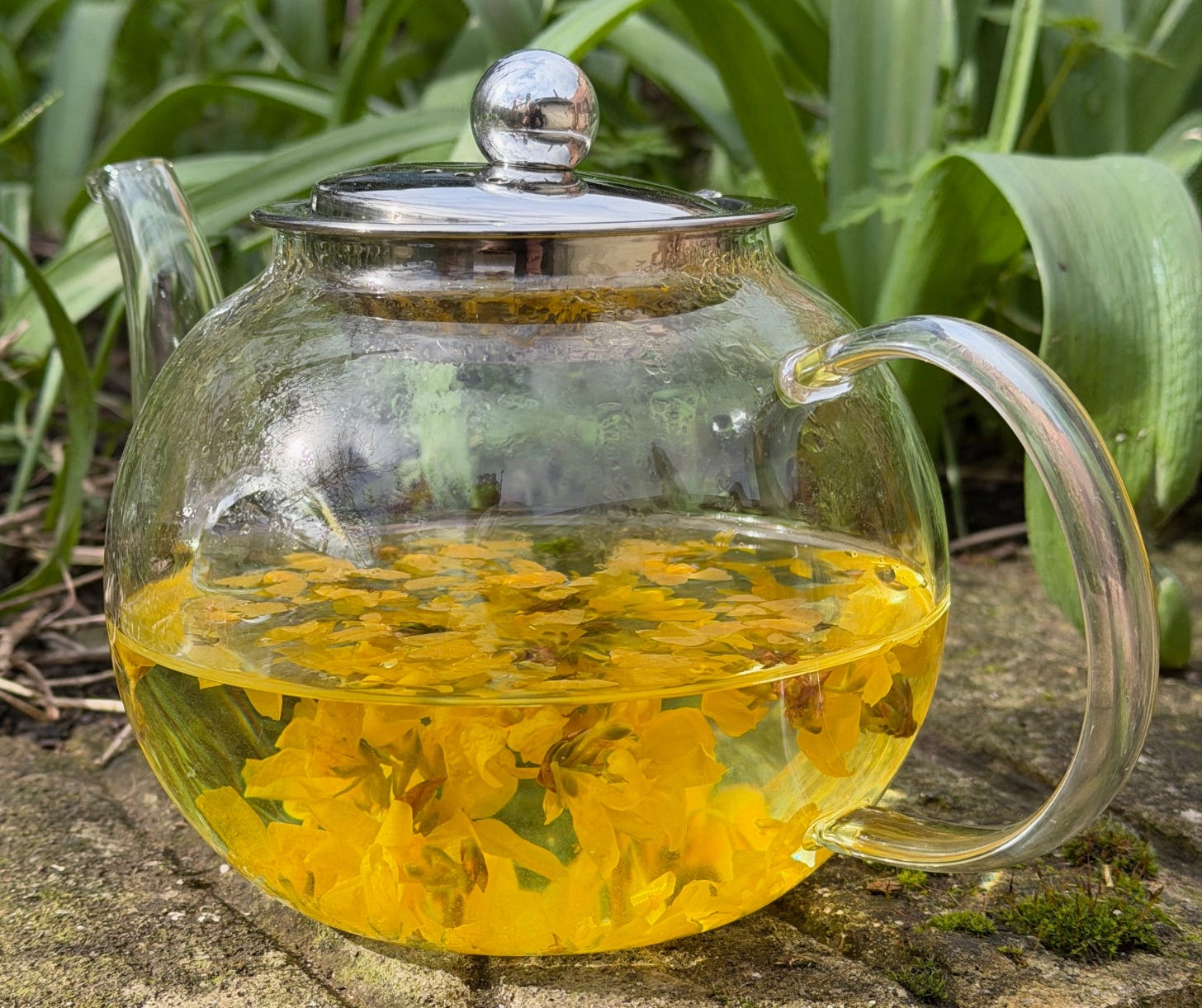
The edible flowers with green bases can be eaten as a bitter garnish in salads. You can remove the green base of the flowers for a sweeter tasting tea. A hot water infusion of flowers can be used for a cleaning antiseptic face wash. The leaf infusion may be helpful as a gargle for a sore throat, and taken as a tea during colds and flu. An infusion of the flowers can be made into jelly or syrup. For a syrup steep the flowers in boiling hot water and stand overnight, then strain and add an equal quantity of sugar, heat and stir till dissolved and bottle.
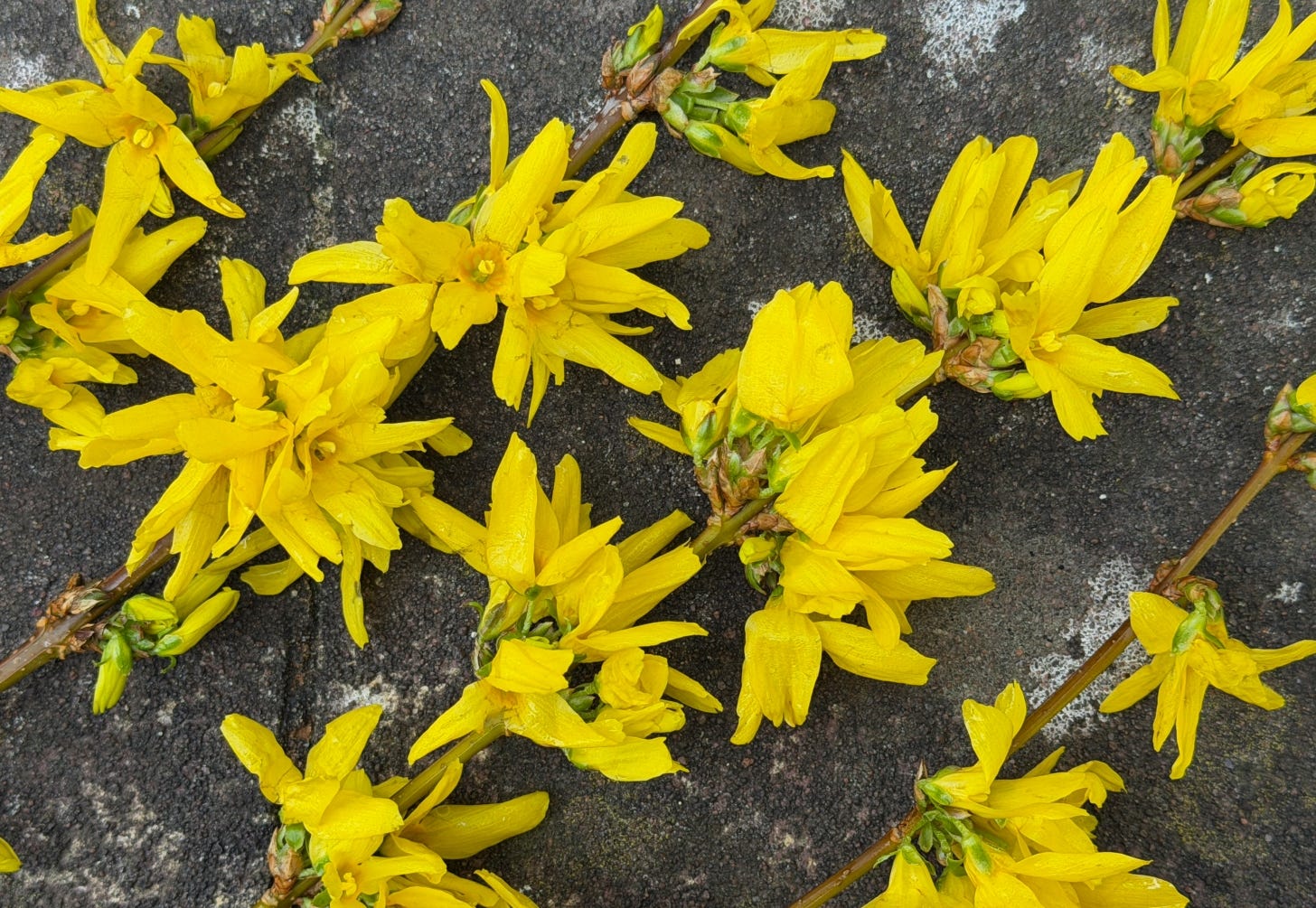
RECIPE FOR FORSYTHIA FLOWER INFUSED OIL
2 cups forsythia flowers
1 cup sunflower oil
Spread the flowers out in a single layer. Allow to dry for 2 days in a shady airy location. Put the flowers into a glass jar and add the oil. Stir to remove air bubbles. Add extra oil and a weight to keep the flowers submerged. Leave on a windowsill for 3- 4 weeks. Then pour off the oil and strain through a fine sieve, bottle and label. Keeps 3-4 months. Use as an anti-inflammatory moisturiser on dry skin.
RECIPE FOR FORSYTHIA FLOWER TEA
Handful of fresh forsythia flowers (or 1-2 tsp dried flowers)
Hot water
Lemon
Honey
Check the flowers are clean and free of insects. Place the flowers in a pot and add boiling hot water Steep the flowers for 10 minutes and strain. Add lemon and honey to taste. Use this tea in colds and sore throat.
Safety advice
Forsythia may slow blood clotting and it should be avoided alongside anticoagulants or before surgery. Always consult an experienced herbal or medical practitioner if you are seeking to use forsythia alongside prescription medication.
Forsythia abundance
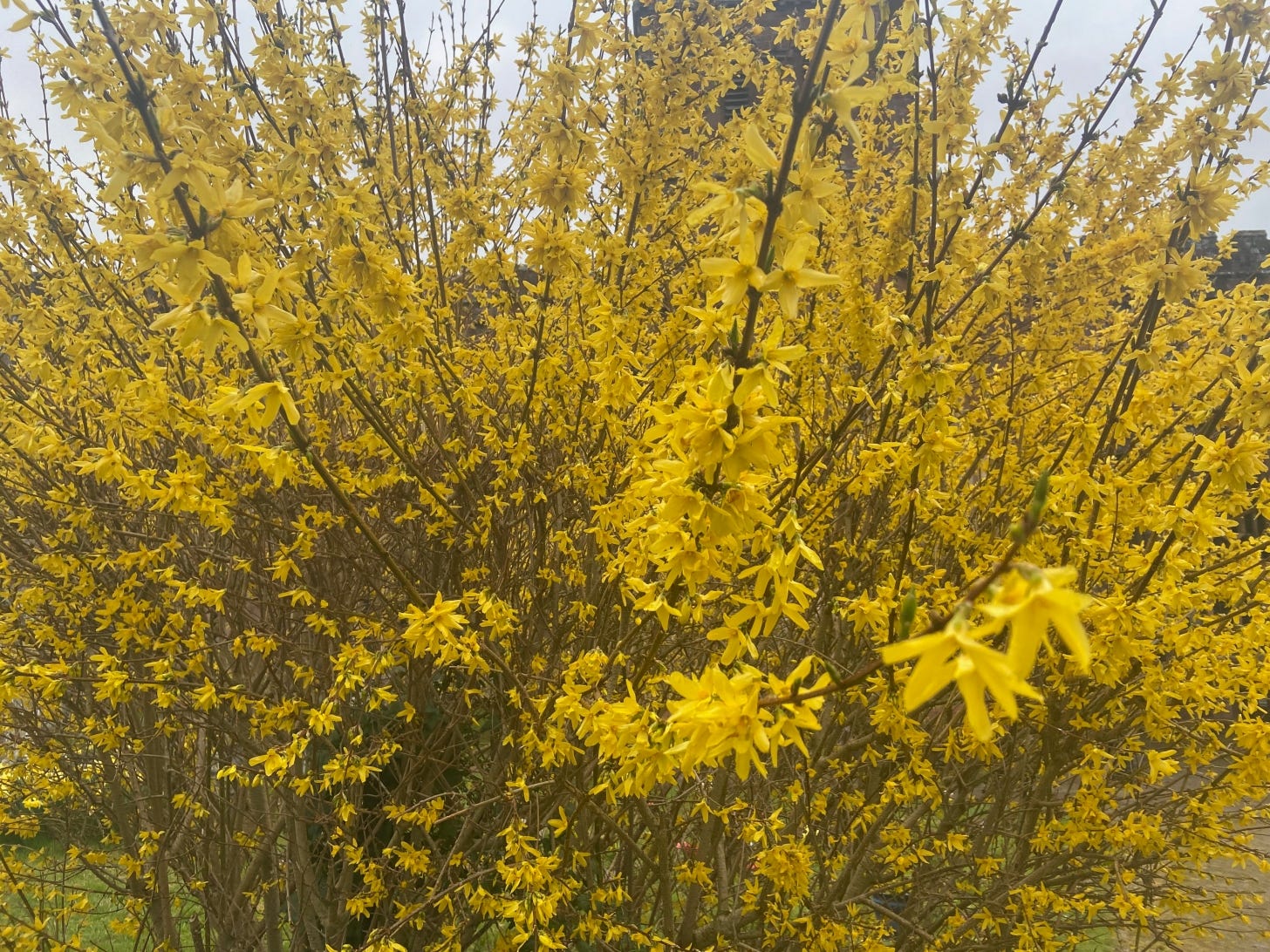
Forsythia is remarkably productive. Knowing that the active constituents are rich in the flowers and leaves should mean that this plant can be used more widely and in a sustainable way. My hope is to cultivate a forsythia that does produce nectar and pollen too so that it can contribute to pollinators too. This means finding a true weeping forsythia for cuttings and/or looking at other related forsythia species that can be grown from seed.
More information about medicinal trees and shrubs
This post about forsythia is an updated version of my blog that originally appeared on the Medicinal Forest Garden Trust website in 2023.
If you would like to learn more about how healing trees and shrubs work then check out our short online course ‘Medicinal Trees and Their Healing Properties’, here...
References
Lindemann-Matthies P, Mulyk L, and Remmele M. 2021. Garden plants for wild bees – laypersons’ assessment of their suitability and opinions on gardening approaches. Urban Forestry & Urban Greening 62: 27181. doi: 10.1016/j.ufug.2021.127181.
Michalak B, Filipek A, Chomicki P, et al. Lignans from Forsythia x intermedia leaves and flowers attenuate the pro-inflammatory function of leukocytes and their interaction with endothelial cells. Front Pharmacol 2018; 9: 401. doi: 10.3389/fphar.2018.00401
Nishibe S, Mitsui-Saitoh K, Sakai J, et al. 2021. The biological effects of forsythia leaves containing the cyclic AMP phosphodiesterase 4 inhibitor phillyrin. Molecules 26: 2362. doi: 10.3390/molecules26082362.
Wang Z, Xia Q, Liu X, et al. 2018. Phytochemistry, pharmacology, quality control and future research of Forsythia suspensa (Thunb.) Vahl: A review. J Ethnopharmacol 210: 318-339. doi: 10.1016/j.jep.2017.08.040
Zhou C, Lu M, Cheng J, et al. 2022. Review on the pharmacological properties of phillyrin. Molecules 27: 3670. doi: 10.3390/molecules27123670
Thanks for reading Medicinal Tree Woman! This post is public so feel free to share it.
Comments
Nothing yet. Say the first thing.
Sign in to join the conversation.