
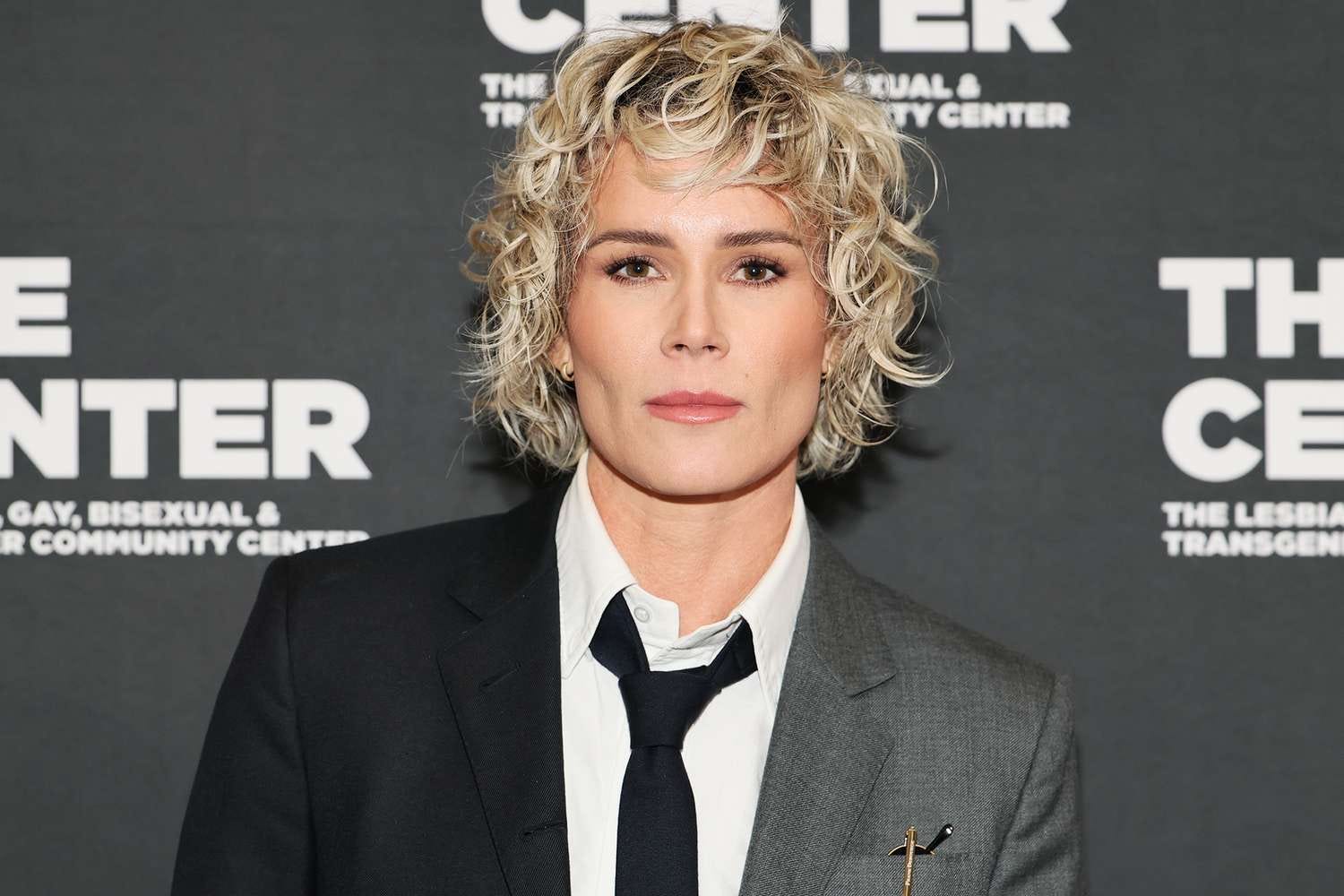
Our recent guest, Ashlyn Harris, has never been afraid to tell the truth about what it costs to become exceptional. The two-time World Cup champion and Olympic gold medalist has a new documentary out, “Game Changers: The Ashlyn Harris Story,” streaming on Roku, and I watched it the night before Pattie Sellers and I sat down with her on LIFT. It’s raw, and it’s brave. Here are five takeaways that stayed with me.
Strength isn’t the top of the mountain. Sometimes it’s just getting up. When I asked Ashlyn what strength means to her, she didn’t reach for anything about medals or podiums. “Sometimes strength just looks like waking up and putting one foot in front of the other,” she told me. It’s the strength to be vulnerable, to admit something isn’t working, to choose the harder, less linear path. As Ashlyn put it, women are so often told to shrink, to minimize, to stay small. Real strength, in her telling, is the opposite of that: it’s acceptance that you won’t always get it right, and the willingness to learn anyway.
Being the best teammate can matter more than being the star. Ashlyn spent years fighting to be the number one goalkeeper in the world, only to be left off the World Cup roster in 2011. It forced a hard reckoning. She realized that if she wasn’t going to be the starter, she had to become the best backup on the team, staying after practice, arriving early, preparing her teammates for the moments she wouldn’t get to have herself. “That role was just as important as playing,” she said. “And it’s the hardest role to do because you don’t get the shininess.” The lesson extends well past sports: not everyone gets to be the face of the thing, and the people doing the unglamorous work behind the scenes are often what makes the whole enterprise succeed.
Legacy isn’t about the trophy case. When I asked whether she ever wished she were playing now, in an era of record investment in women’s sports, Ashlyn didn’t hesitate to say yes, but she reframed the question entirely. “Legacy is not are you gonna be remembered for the two World Cup championships and how many caps or how many goals. No one cares,” she said. “Legacy is: did you leave it better than you found it?” She talked about standing on the shoulders of the women who paved the way for her, and about the responsibility that comes with that: to do the same for whoever comes next.
The money finally following women’s sports is not a coincidence. Ashlyn now works in commercial investment in women’s sports with Deep Blue Sports and Entertainment, and she was blunt about the opportunity in front of investors: “Today’s price isn’t yesterday’s price.” She pointed to the WNBA’s Golden State Valkyries reaching a billion-dollar valuation, and predicted the New York Liberty, Angel City, and Gotham FC won’t be far behind. What’s different about this generation of athletes, she said, is that they’re not just cashing quick paychecks anymore. Players like Alex Morgan, Sue Bird, Kristen Press, and Tobin Heath are building media companies and owning their own IP. “These players are real business women,” Ashlyn said. “They are thinking long term.”
Rest is not a reward. It’s a requirement. In our closing lightning round, I asked Ashlyn about burnout. Her answer was simple and, coming from someone who played through four knee surgeries, hard-won: “Women don’t know when they need rest. We run until the wheels fall off.” Her remedy is to listen to her own energy and stop before she hits the wall, and she was clear that this isn’t indulgence. “I rest, and I deserve that. Like we all do.”
You can hear this and other episodes of LIFT on your favorite podcast platform. To join us live every Thursday at noon Eastern, 9 a.m. Pacific, tune in to SiriusXM Stars, Channel 109. And come be part of our community on Instagram @LiftLiveShow. We’d love to hear from you.
No posts
Comments
Nothing yet. Say the first thing.
Sign in to join the conversation.