
United Nations Headquarters, New York — April 30, 2026
This photograph stopped me as I walked into the UN building this week:
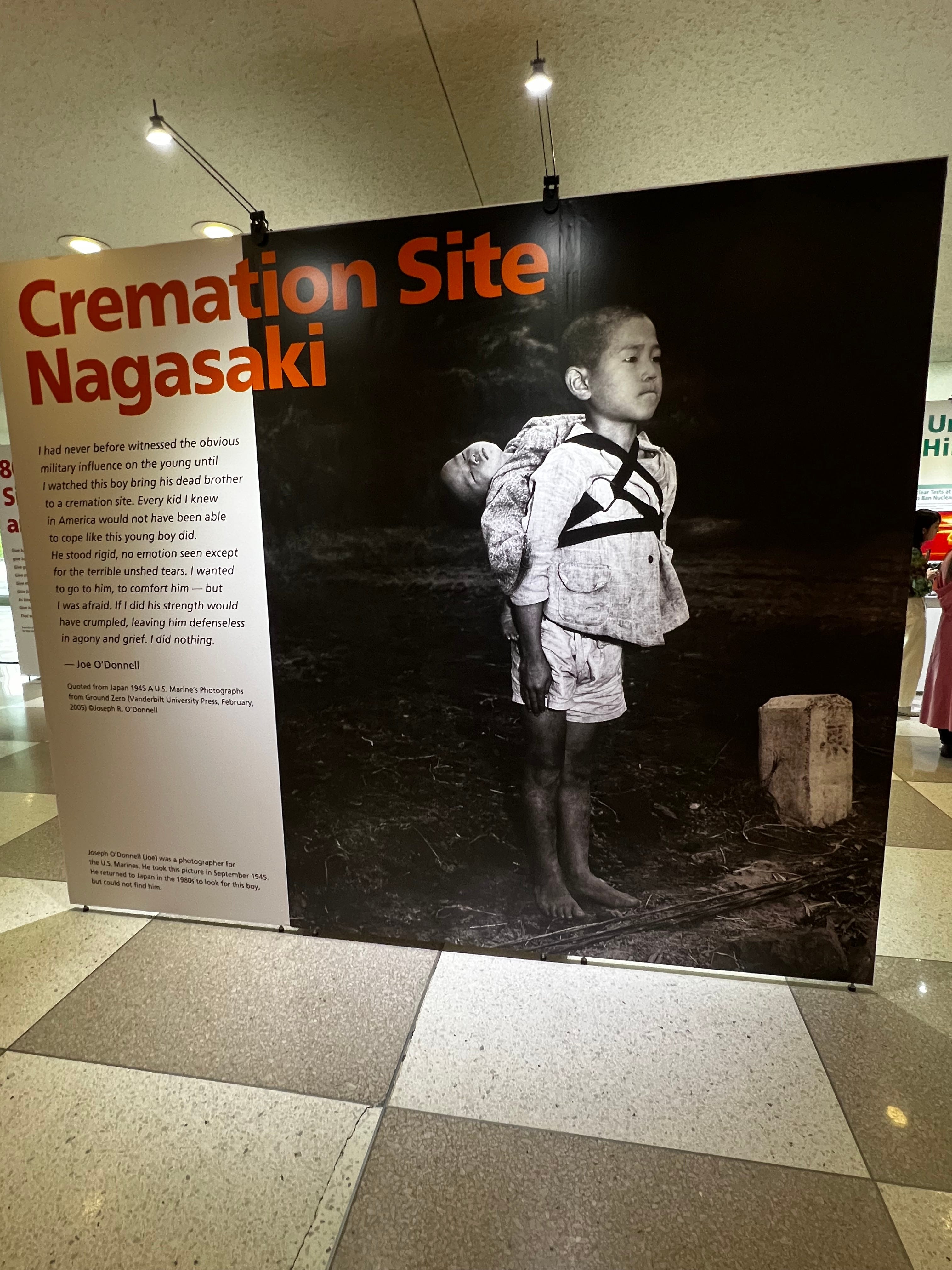
A little boy carrying his dead brother to the morgue after the bombing of Nagasaki. I stood there for a while, and I’ll admit I teared up. This is what all the technical diplomatic jargon at this meeting is actually about.
I’m here for the meeting of the parties to the Nuclear Non-Proliferation Treaty (NPT) — the RevCon, in UN shorthand.
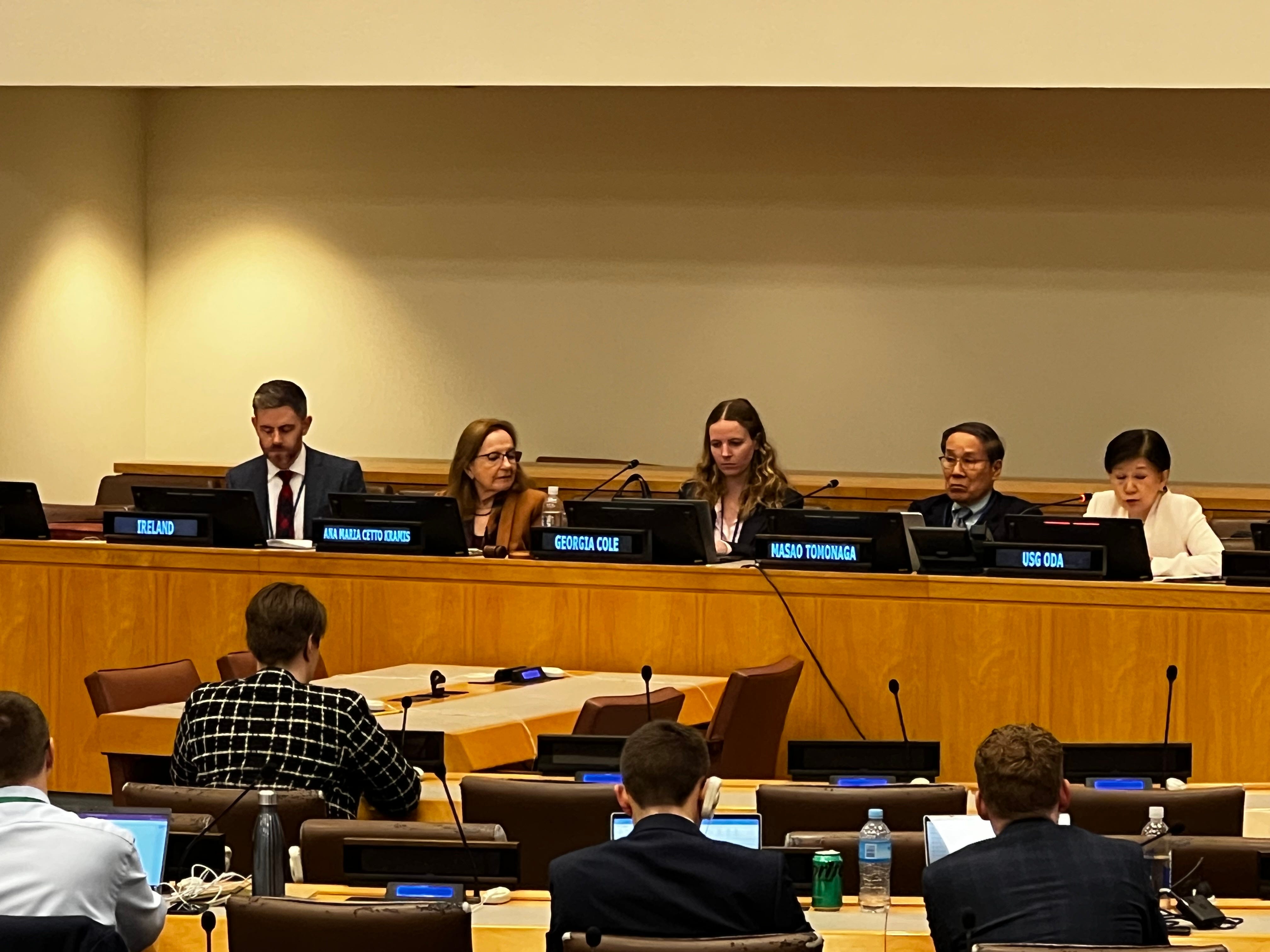
When I walked into the conference room, I spotted Dr. Masao Tomonaga, revered leader of the hibakusha (nuclear survivors), a medical doctor and leading researcher of the health effects of nuclear bombing now in his 80s. Although Dr. Tomonaga is remarkably healthy for a man of his age, he is aging. I know that my friends and teachers in Nagasaki, the survivors who have campaigned for decades in the hopes that they will be the last ever to know the horror of a nuclear bombing, will not always be here. It will soon fall to the rest of us to carry what they’ve given us.
As I greeted him, Dr. Tomonaga admitted feeling a bit unwell. Undeterred, he joined the UN meetings on line, and as soon as he could travel, he got on a plane and came straight to New York. Later that night, over dinner, he introduced me to colleagues, debated nuclear strategy, and shared laughs. I thought: if Dr. Tomonaga can do all this, surely I can do more.
At the meeting, Dr. Tomonaga laid out for the governments of the world what happened in Nagasaki: the mass casualties in the first hours, the radiation poisoning, the leukemia that spread through survivors in the years that followed, the many other cancers, the severe depression and PTSD that have shadowed Nagasaki’s survivors throughout their lives. Another scientist on the panel added that nuclear bombing anywhere would most likely trigger global famine everywhere.
Dr. Tomonaga shares his story of the bombing of Nagasaki here:
Living With the Bomb
·
Feb 5
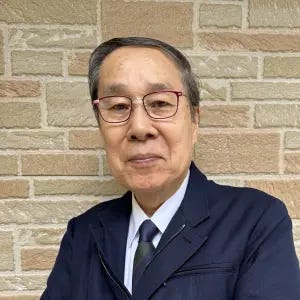
In this episode of Everyday Ambassador, I speak with Dr. Masao Tomonaga—hibakusha, physician, researcher, and longtime president of the Nagasaki Atomic Bomb Survivors Association—about what it means …

The mood in the formal proceedings is dour. The nuclear states are pointing fingers at Iran and North Korea while quietly expanding their own stockpiles. The US, China, Russia, France, and the UK are all building up, not down.
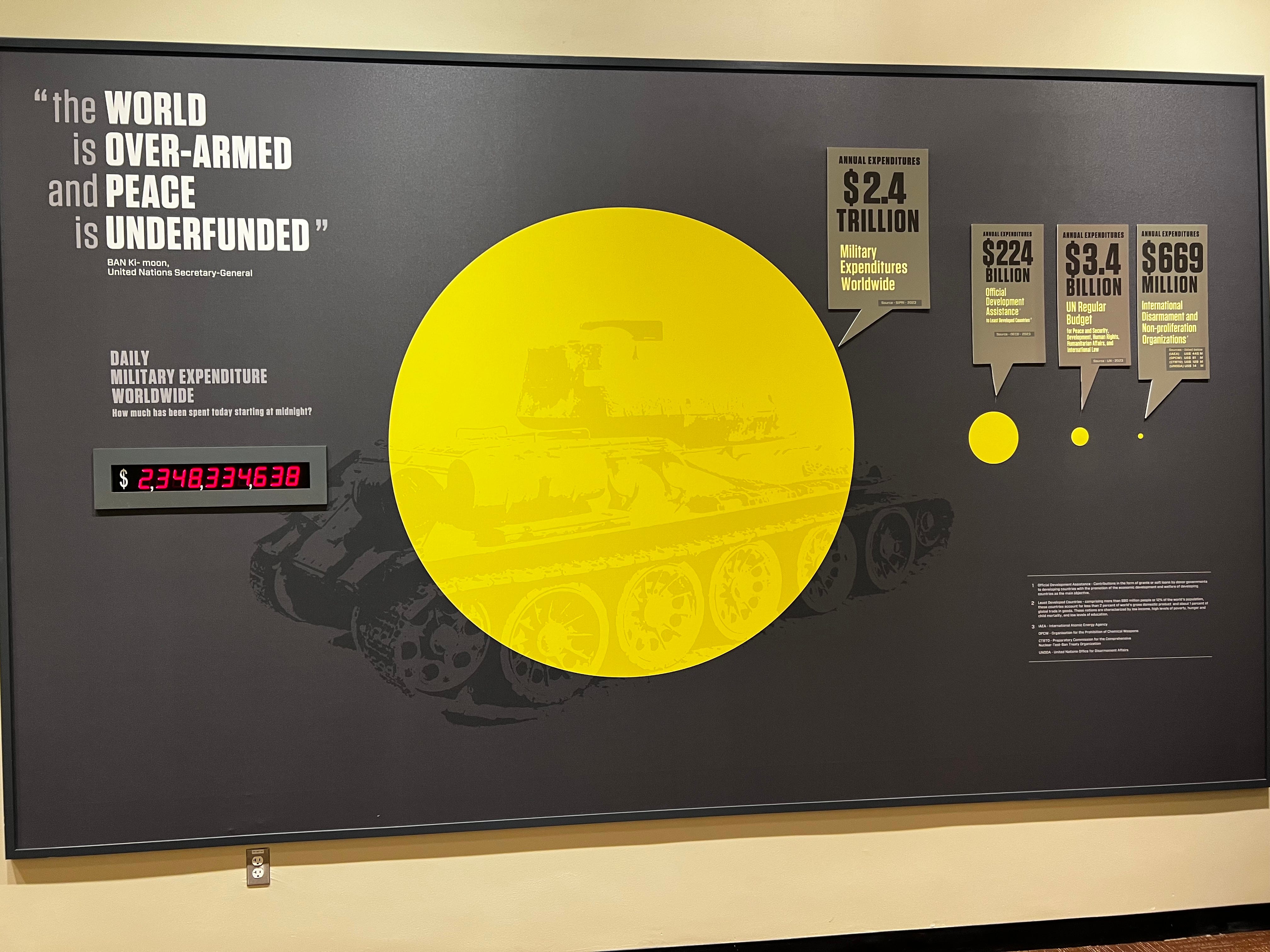
The fact is, these great powers are much more committed to preparing for war than to investing in peace. This poster outside the UN General Assembly sums it up. The investments in weapons dwarf investments in the UN, in development assistance, and in disarmament:
What I’m sensing here, more than in previous years, is that the frustration of the non-nuclear states is boiling over. They are calling out the nuclear powers directly for breaking their disarmament promises, framing arms control as a matter of global justice.
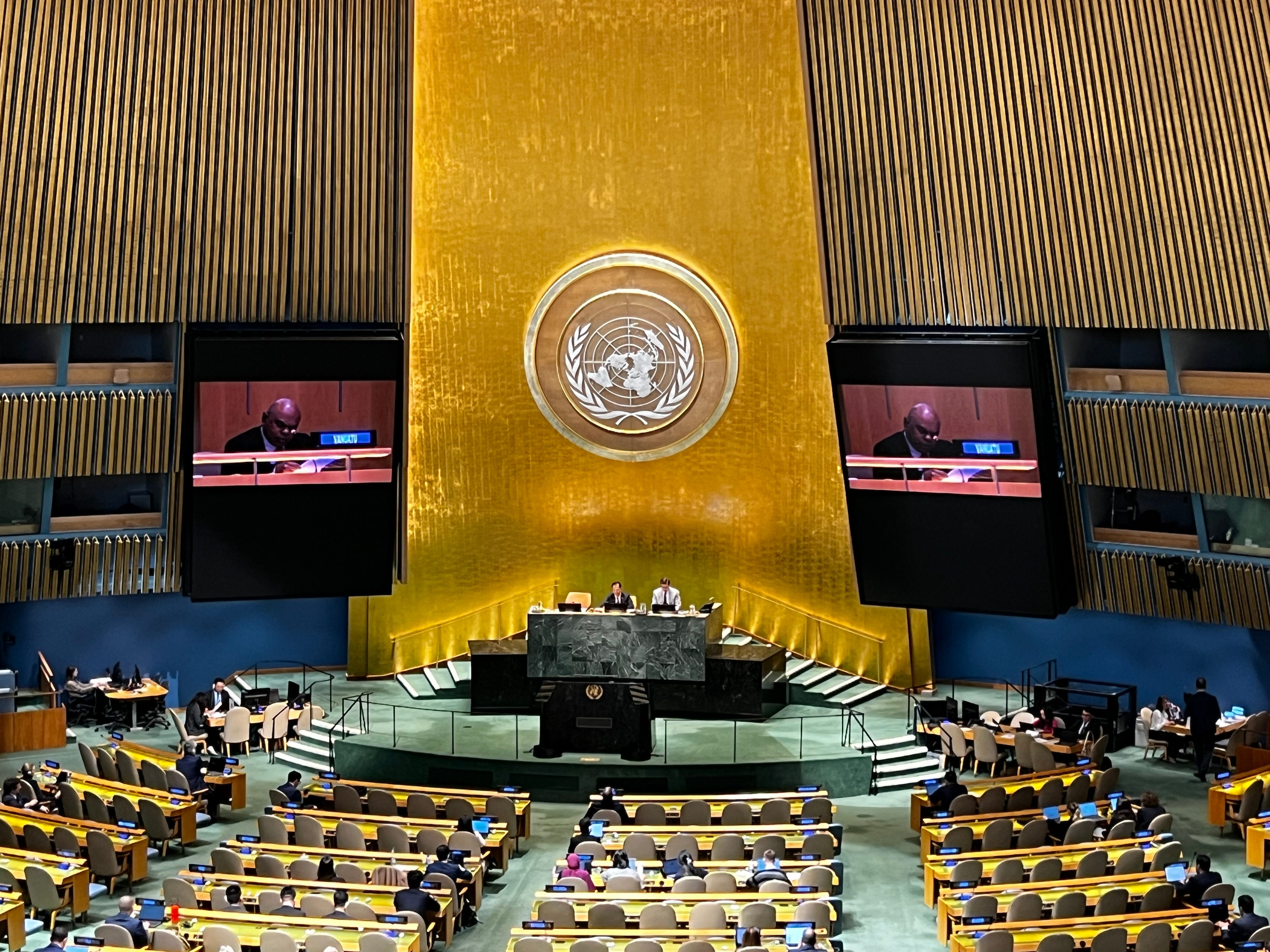
None more directly than Fiji. The ambassador spoke about why Pacific island nations — countries that have lived under the shadow of nuclear testing, whose waters have been used as strategic assets by nuclear powers — declared their region a nuclear-free zone. He said:
Our home, the Blue Pacific Continent, is an Ocean of Peace…we reaffirm the right of our peoples to peace and our strong resolve to contribute to and strengthen international peace and security.
No one expects great outcomes from this meeting. In fact, as many delegates have pointed out, there’s a question as to whether the non-proliferation regime will even survive this meeting. My takeaway so far: this issue is too important and too urgent to be left to big powers alone. We need to look for other ways to ensure that none of us experiences what Dr. Tomonaga once lived through.
For more first-person writing about global affairs you can’t get anywhere else, subscribe here:
Comments
Nothing yet. Say the first thing.
Sign in to join the conversation.