
Hey Friends,
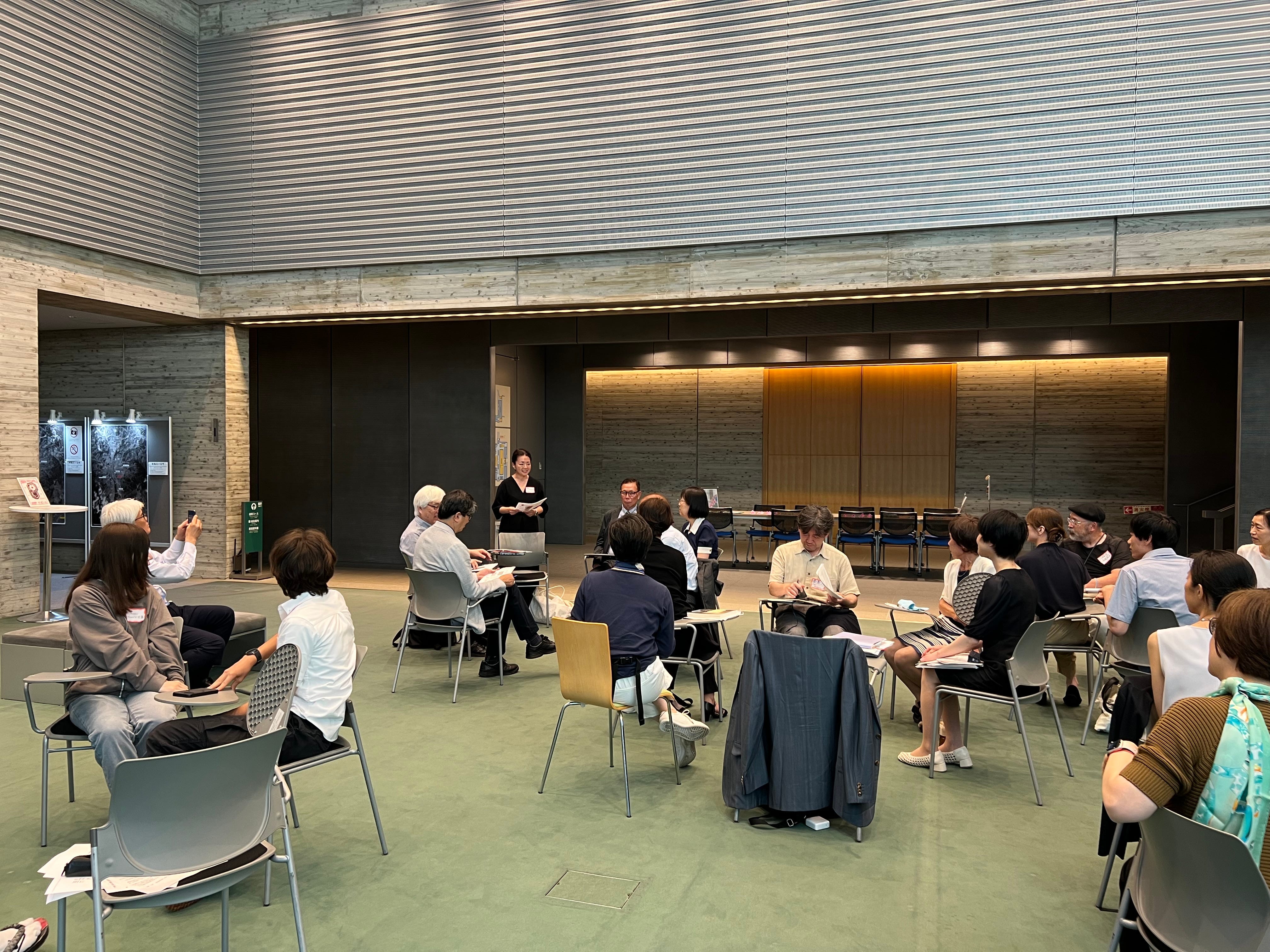
The country of Pakistan deserves our gratitude this week. It is working hard to bring the US war on Iran to an end. And it is doing so through an age-old diplomatic technique: hosting talks between adversaries. As host, Pakistan offers both sides a physical place for talks that is neutral and safe — and then it shuttles between them, listening, making proposals, gathering responses, carrying them back.
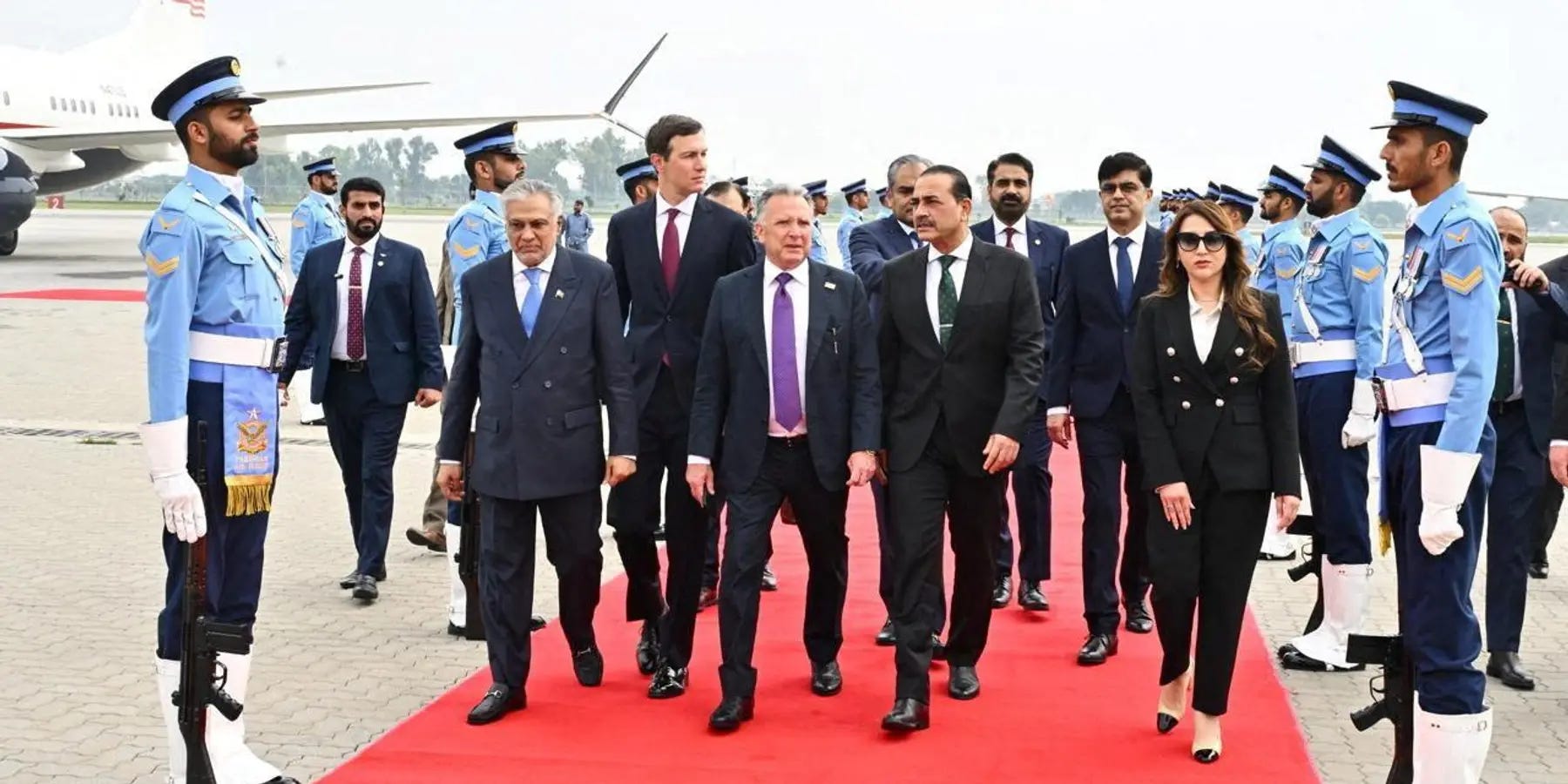
As recent reporting has noted, one key challenge the Pakistanis face is rebuilding trust between the US and Iranian negotiators — two delegations that deeply distrust each other. Without some element of trust, neither side will negotiate in good faith. As host, Pakistan inserts itself into this equation of distrust, offering the trust each side has for Pakistan as a substitute.
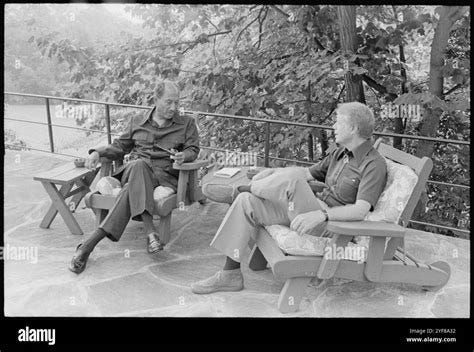
Hosting is a diplomatic power move. To be the host of important negotiations is a sign of authority — of the trust others place in you. Only the United States had the standing to host the Camp David talks between Egypt and Israel that led to the restoration of diplomatic relations, for example.
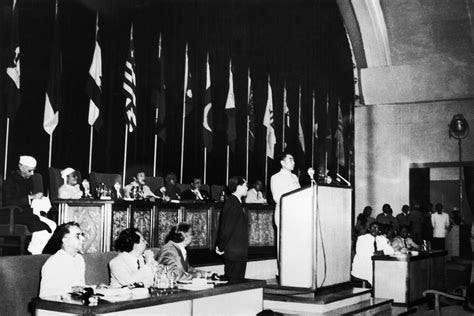
And that brings us to a second way hosting is a power move: it can upset an old order and change the game. When Indonesia hosted the Bandung Conference of newly decolonized states in 1955 — in the middle of the Cold War, as the US and the Soviet Union each demanded that states declare their allegiance — it gave birth to the non-aligned movement, a bloc of states that refused Cold War logic. The Bandung Conference also elevated Indonesia into the role of a leader of that emerging movement.
As Marcel Mauss observed a century ago in The Gift, hosting is never far from its opposite. The words *host* and *hostile* share a root. What is at stake in hosting is the same thing at stake in hostility: the question of whether the stranger at the door becomes friend or foe. In situations of chaos and conflict, where we are divided and lack faith in institutions, hosting can achieve something remarkable. It can turn enemies and strangers into guests.
Hosting is a powerful way to position yourself as a leader. Last week I shared news from the U7+ Alliance of Global Universities meeting in Paris. Universities go to great effort and expense to host this meeting each year because it is an opportunity to showcase themselves to their peers, emerge as leaders, and help set the agenda.
To see what I mean, think about a time when you have been hosted well. It might be a conference or event you were invited to attend for work, a family gathering, a neighborhood block party. No one obligated you to attend. You went because you wanted to — to meet people you wouldn’t meet otherwise, to learn what was going on in the neighborhood, or just to have some fun.
Now think about the host or hostess. The organizer, the relative, the colleague, the neighbor. Notice how this person emerged as a kind of de facto leader. People feel gratitude, perhaps even a little indebted to a great host. You might be more likely to seek their advice in the future, or to turn to them next time you need to take the temperature of the community. No one elected them. They have not officially claimed authority. But it is there, nonetheless.
The sociologist Pierre Bourdieu had a name for this kind of authority: symbolic capital. Like money in the bank, it can be accumulated and “cashed in” to create even larger investments in power. The neighbor who organized the block party might next invite you to a meet-and-greet with your local city council member at their home — building her symbolic capital, this time with local politicians.
There are plenty of books that teach you how to be a great party host — from Emily Post to Priya Parker’s The Art of Gathering. We often treat hosting as something we do for ourselves: to cure our loneliness, to fulfill family obligations. But I want us to consider something different: how can we use hosting to be Everyday Ambassadors? How can hosting be a way to bridge divides, break down boundaries, and build trust?
That’s why I am so excited to be hosting a live gathering of the Everyday Ambassador Salon in Princeton, NJ May 1-3! Participants are flying in from around the world next week for an unforgettable weekend of great conversation, good food, fun art projects, and generally enjoy just being together. Find out more here!
Hosting is a whole lot more than parties. In what follows, I cover a range of forms of hosting you can use to build peace. I share the social science of hosting — why it works, and what it tells us about how to do it well. And I guide you through a series of reflection questions to help you see how the hosting you are already doing contributes to peace-building, and where else your hosting skills can make a difference.
Join the Everyday Ambassador Salon or simply become a paid subscriber and get my complete analysis of this month’s diplomacy move, plus reflection exercises to help you put it into practice right away.
You’re the Everyday Ambassador the world needs—come build your toolkit with us!
Comments
Nothing yet. Say the first thing.
Sign in to join the conversation.