
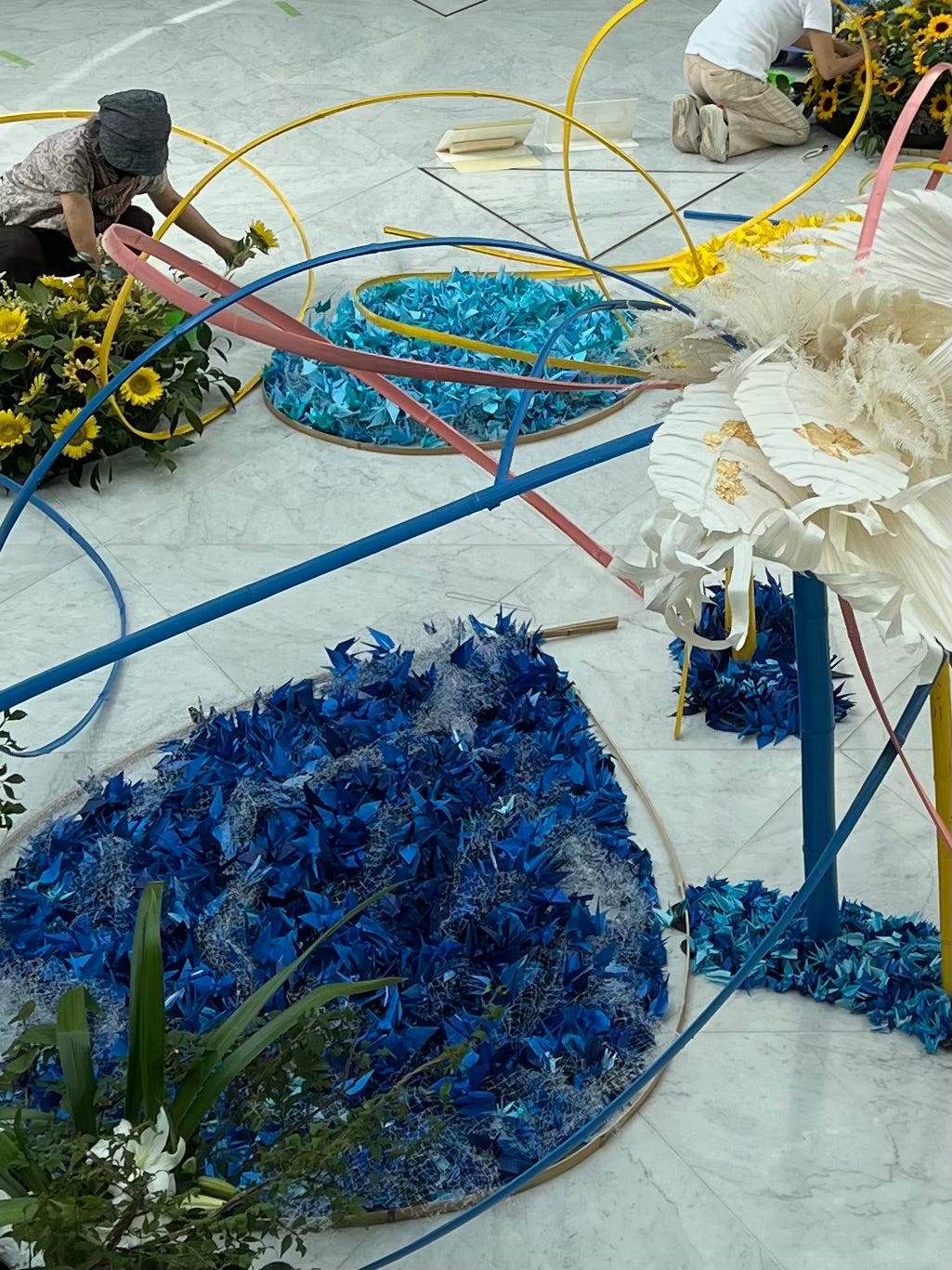
Dear Friends,
Eighty-one years ago this month, on August 9, 1945 at 11:02 am, a US B-29 bomber dropped a plutonium bomb on the city, killing 73,884 and injuring another 75,000 people. Of those who survived, many died of radiation sickness or cancer in the months and years afterwards.
Everyone in Nagasaki has a relative, a friend, a teacher who lived this. In people’s homes, there are the burned objects recovered from charred bodies of relatives; in the second and third generations there are fears that cancers may transmit genetically, and the psychological burdens of having grown up in families imprinted by trauma.
Obviously we need action at the level of politics and law to ensure that none of us live through what people in Nagasaki experienced, and I wrote about that in the Japan Times last week But today, I want to share with you some of the surprising lessons I have learned from survivors about something even bigger than nuclear weapons—resilience.
We all need resilience right now. From anxiety about the spread of war, to exhaustion around our political divisions and the decay of democracy, to the economy. These are all issues my hibakusha friends have faced down in their lifetime, as they rebuilt their city and their lives, and found their political voice to demand No More Nagasakis.
Each month here at Everyday Ambassador we explore one strategy or move from the world of diplomacy that we can all put into practice to cross borders and boundaries in our own life and work.
This month’s move may seem off-key or even off-color, given the seriousness of the events. Our move is play.
I know. Play sounds trivial, not the stuff of serious policy. But here’s the thing: again and again, in settings from UN negotiations to academic politics, I have seen how bringing a playful spirit to an issue can build relationships across divisions, create support, and change outcomes.
Our podcast this month will show you how to use play as a diplomatic tool. Subscribe to catch it in this feed in the days to come
Here’s something surprising I have learned from survivors in Nagasaki: play is also critical to resilience in the face of tragedy.
This month I want to introduce you to a dear friend and nuclear bombing survivor now in her 90s, the most playful person I know. Fujimaru-sensei is a national treasure–level Ikebana (flower arranging) teacher. She laughingly tells of the time the government asked her to instruct Princess Grace of Monaco in Ikebana, which tells you something both of her national stature and her age.
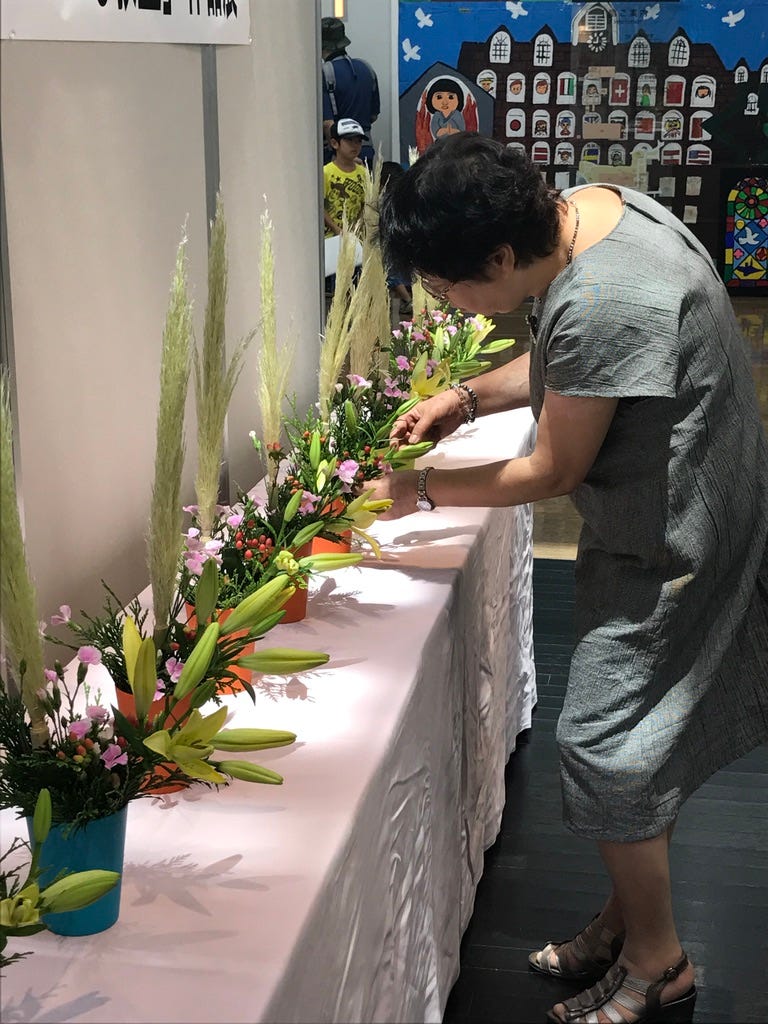
I share what a Nobel-winning disarmament campaign in Vienna has in common with a 90-year-old’s flower arrangements, and as always, I offer reflection exercises for putting it all into practice. You’ll learn three ways you can use play to refresh your own resolve when the horizon is long.

Here’s what I have learned from Fujimaru-sensei: play has serious purposes. But for play to work, we have to put those purposes to one side for a moment—so we can come back to them later. So take a playful approach to your own play experiment. For now, tell yourself, “this is just play.” Enjoy!
Tell us: What would your sunflowers be?
Comments
Nothing yet. Say the first thing.
Sign in to join the conversation.