
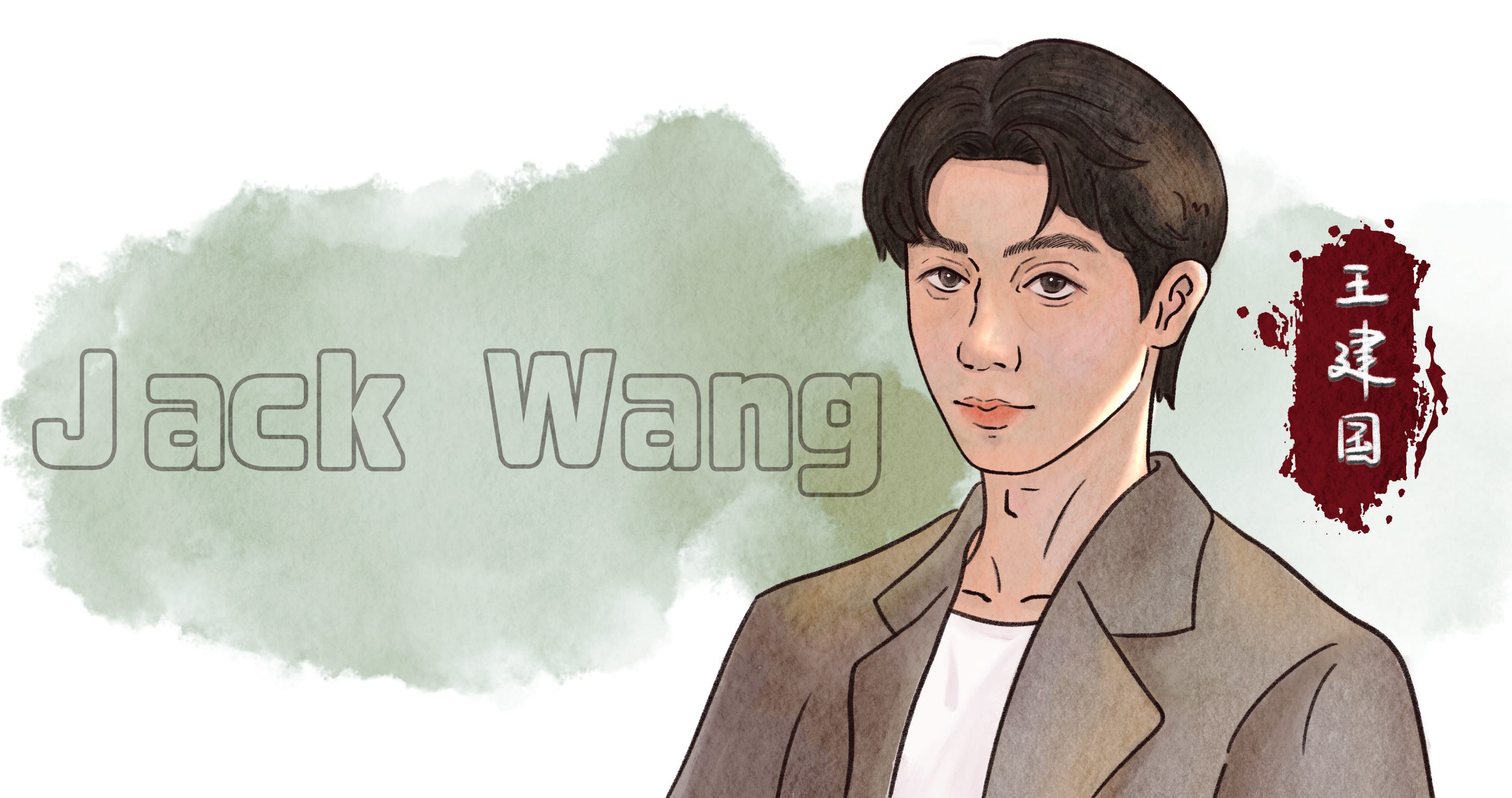
第三章:王建国
在白龙饭店当酒吧服务员的时候,我学会了一个很重要的道理:人们不想听,人们想说。
像大部分酒吧服务员一样,我说四字句。
可能那个很有智慧、又很懂人的酒吧服务员的说法,就是这样来的。所有的酒吧服务员都学会了像说成语一样说话,因为我们自己的句子总会被一个很会说话的人继续讲的人生故事里的每一个小细节打断,不管他们喝的是果汁还是白酒。
人们走进酒吧的时候会说:“我是来找乐子的!”
“你喝什么?”我问。我给他们倒他们想喝的酒,然后开始记账。
当酒吧服务员的时候,我学会了另一个很重要的道理:人们说他们在这里是来找乐子的。但是人们来到这里真的是为了不去想那些他们不想做的事情。想不想改变你们的感觉和想法?干杯!
这是为什么我不听且不记喝醉的人说话。说话的不是他们真实的自我。
不过,有一次,吧台边坐着一个女人,喝的却是果汁,而不是白酒。她很漂亮,头发也又黑又多,青丝如瀑。她是那么会说话的人!
我很小心地听她讲人生故事里的每一个小细节:她当办公室助理的工作、她的地中海饮食,还有她的吉娃娃狗。
像我们在酒吧服务员学校教的一样,像一面镜子一样,我很简单地重复她的话。
她一定为我的 “简短”感到很累。
她不耐心地说:“你只会重复吗?你到底在不在?你是鬼吗?”
我吃了一惊。我沉默了。
她说:“我可以跟你说个事吗?”
我看着她。她是这么漂亮的女人。我想说:“不可以。”我想说:“你说得够多了。”我能感觉到一个伤口差不多出现了。但是她是顾客。顾客永远是对的。
我说:“当然,可以。”
她说:“你太被动了。”
我感觉像有人打了我的胸口一样。我觉得她真实的自我对我真实的自我说话。
她继续说:“你到底有没有个性?”
“你想让我有什么样的个性?”我笑着说。
她对我翻了个白眼。
“明白我的意思了吗?”她说。
其实,我明白她的意思了。
这个漂亮的女人没有喝醉。我不想再想这件事,但是我没有忘记她说的话。
Word List
王建国 Wáng Jiànguó Jack Wang
酒吧 jiǔbā bar, pub, tavern
酒吧服务员 jiǔbā fúwùyuán bartender
学会了 xuéhuìle learned, mastered, figured out how to
道理 dàoli principle, truth, reasoning, lesson about life
智慧 zhìhuì wisdom, intelligence, understanding, insight
懂 dǒng understand, know, comprehend
说法 shuōfa saying, idea, common belief, way of talking about something
成 chéng become, complete, accomplish, succeed
成语 chéngyǔ chengyu, Chinese idiom, usually a fixed four-character expression with a condensed or traditional meaning
细 xì thin, fine, detailed, careful
节 jié joint, section, segment, festival, detail
细节 xìjié detail, small part, specific point
喝 hē drink
醉 zuì drunk, intoxicated
喝醉 hēzuì get drunk, become intoxicated
打断 dǎduàn interrupt, cut off, break someone’s speech or action
汁 zhī juice, liquid, sap
果汁 guǒzhī fruit juice
白 bái white, clear, plain, empty
酒 jiǔ alcohol, liquor, wine, alcoholic drink
白酒 báijiǔ baijiu, Chinese distilled liquor
记 jì record, note down, remember
账 zhàng account, bill, debt, tab
开始记账 start a tab, put drinks on the customer’s running bill
不去想 bù qù xiǎng not think about, avoid thinking about, choose not to think about
青 qīng dark green, blue-green, dark, blackish
瀑 pù waterfall, cascade
青丝如瀑 qīngsī rúpù black silky hair like a waterfall; hair flowing like a waterfall of black silk
地中海 Dìzhōnghǎi Mediterranean Sea
饮食 yǐnshí diet
地中海饮食 Dìzhōnghǎi yǐnshí Mediterranean diet
吉娃娃 Jíwáwá Chihuahua
像一面镜子 xiàng yīmiàn jìngzǐ like a mirror; a metaphor for 反映式倾听 fǎnyìng shì qīngtīng reflective listening
个性 gèxìng personality, individuality, personal style
被动 bèidòng passive, inactive, acted upon
胸口 xiōngkǒu chest, center of the chest
翻 fān flip, turn over
翻白眼 fān báiyǎn roll one’s eyes
Chapter 3: Jack
I’ve learned a fundamental truth working as a bartender at Bright Dragon Restaurant: People don’t want to listen, they want to talk.
Like most bartenders, I speak in four-word sentences.
That’s probably the origin of the wise and understanding bartender myth. All bartenders learn to speak in chengyu since our own sentences are always interrupted by the continuation of the telling of every single detail of a talker’s life story, whether they’re drinking fruit juice or baijiu.
People come into the bar and say, “I’m here to have a good time!”
“What are you having?” I ask. I pour what they want and start a tab.
I’ve learned another fundamental truth working as a bartender: People say they’re here to have a good time. But what they’re really here to do is not think about things they don’t want to think about. Want to change what you’re feeling and thinking? Raise a glass!
That’s why I don’t listen to drunk people and I don’t remember what they say. It’s not their true self speaking.
Once, though, there was a woman sitting at the bar who was drinking fruit juice, not baijiu. She was gorgeous, with a long waterfall of black hair. What a talker!
I listened carefully to every single detail she told me about her work as an office assistant, her Mediterranean diet, her chihuahua. Just as we were taught in bartending school, I reflected back briefly what she was saying, as if I were a mirror.
She must have tired of my brevity.
“Can you only repeat what I say? Are you there or not? Are you a ghost?” she said impatiently.
I was taken aback. I remained silent.
“May I tell you something?” she asked.
I looked at her. Such a beautiful woman. I wanted to say, “No.” I wanted to say, “You have said enough.” I could feel a wound coming. But she was the customer. The customer is always right.
“Yes, of course,” I said.
She said, “You’re so passive.”
I felt as if I had been hit in the chest. I felt as if her true self was speaking directly to my true self.
“Do you even have a personality?” she continued.
“What kind of personality do you want me to have?” I asked, trying to laugh.
She rolled her eyes.
“See what I mean?” she said.
Actually, I did see what she meant.
This beautiful woman wasn’t drunk. Although I didn’t want to think about it, I didn’t forget what she said.
Notes
1. Jack is 王建国 Wáng Jiànguó. More about Jack is in Huburg Hutong: Places and Characters.
2. A chengyu (成语 chéngyǔ) is a Chinese idiom, usually expressed in four Chinese characters. “Chengyu are considered the collected wisdom of the Chinese culture, and contain the experiences, moral concepts, and admonishments from previous generations of Chinese speakers…[Chengyu] use the vocabulary and follow the syntactic rules of Literary Chinese. Consequently, they convey information more compactly than normal vernacular speech or writing.” (Wikipedia)
3. Baijui (白酒 báijiǔ) is a colorless Chinese liquor, possibly first developed during the Han Dynasty, usually made from fermented sorghum, with between between 35% and 60% alcohol by volume. (Wikipedia)
3. The phrase 翻白眼 fān báiyǎn roll one’s eyes is also used in 枝丫2: 09: 第九章: 在我自己的生活故事里: 张老板看到史太太对他翻了个白眼。
Huburg Hutong 胡堡胡同 is a serialized novel written at the intermediate level in both Simplified Chinese characters and in English. Chapters are published weekly. The novel is written by Anne 安妮 Giles, edited by 侯慧颖 Hóu Huìyǐng “Mary,” and illustrated by Lear.
Huburg Hutong: Start Here
Huburg Hutong: Table of Contents
Huburg Hutong: Background
Huburg Hutong: Places and Characters
Huburg Hutong: Just English
Comments
Nothing yet. Say the first thing.
Sign in to join the conversation.