

Hello, it’s time for another installment of FLIGHT, about my year of travel around Europe, following in the footsteps of bold women writers and artists who redefined their lives on their own terms.
Thank you for supporting this work! It means the world to me as I rebuild my life and spread my wings as a creative writer (after nearly 30 years as an academic).
Here is the full list of installments, from the beginning, updated as new ones appear. You can catch up here anytime.
In the last installment, I arrive in Paris, snafus ensue, and I’m left with no place to stay. I wonder, can I really take a year of this? A serendpitous encouter with paper boats reminds me why I’m on this adventure, no matter how chaotic it may get.
This week, I meet an American woman who gets me thinking about what I want out of this journey. What kind of happy ending do I want?
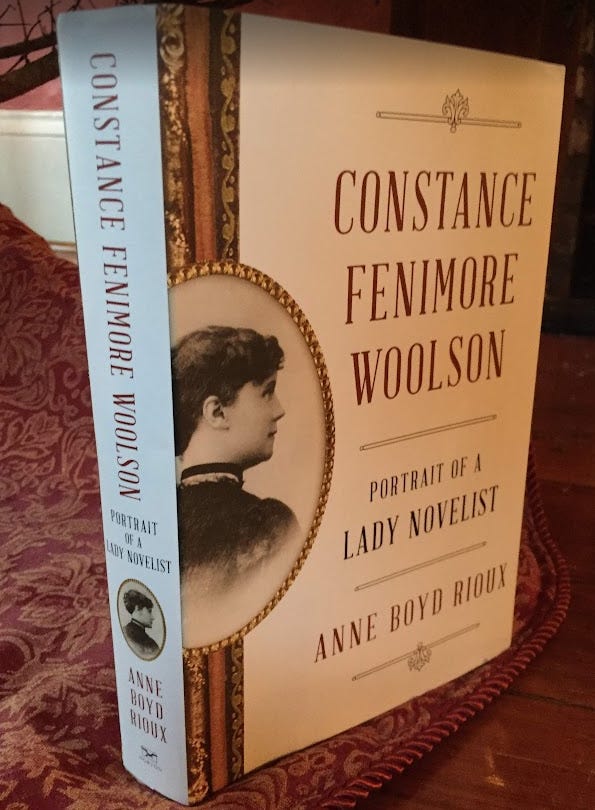
Europe has been the land of possibility for so many women. I think of the 19th-century American women writers and female characters I studied and taught for nearly 30 years. They discovered new freedoms abroad, beyond the pressures and responsibilities of home. Travel was the only way some women could effectively escape their narrow, domestic lives. Many of them never returned.
I want to be like Isabel Archer in Henry James’s Portrait of a Lady. She was a novelty for her time—an independent woman, free of family ties, exploring Europe and free to determine the course of the rest of her life. At the beginning of her story, life is an open-ended experiment. I need desperately to believe that mine can be too, despite being fifty-three. (She was something like twenty.)
In the end, Isabel is consigned to a cruel fate. James has her choose to marry the duplicitous but charming Osmond only to discover that he is in love with another and her new life is a cage. She can’t free herself because that would mean abandoning her stepdaughter, Pansy. It’s a terribly depressing ending. Everyone hates it, even those who love the rest of the novel.
What if he’d written a sequel? What if James zoomed forward to Isabel outliving Osmond, who was much older than she was anyway?
Where is the story of the older woman, freed from her cage? That is the story I want to read. Imagine the infinite number of possible stories of women choosing new lives after their children are grown.
Comments
Nothing yet. Say the first thing.
Sign in to join the conversation.