
Handling feedback on your work isn’t always easy. But getting the right sort of feedback, and knowing how to use it, is the best way to improve as a writer.
I’ve made my living as a writer for 35 years now, which means I’ve been hearing other people’s thoughts on my writing all my adult life. Does it get easier? Ha! I still remember an editor describing a piece I wrote as a trainee reporter as having been ‘put together with a knife and fork’. Ouch. But like most journalists, I’ve developed a pretty thick skin when it comes to having my work criticised, cut and edited.
I find feedback on fiction harder, because it feels more personal. These are my word children, my precious characters who I dream about, my jokes, dammit! Of course it hurts when people don’t like it.

On my first creative writing course I urged the tutor to ‘go hard’ when she gave feedback on my homework, probably because I was convinced I was pretty good at this stuff and there wouldn’t be much to criticise. Imagine my surprise when my first assignment came back with ‘cliché’ scribbled over every other paragraph. And ‘head-hopping - whose POV here?’
It was bracing, extremely useful and tightened up my writing no end. So did the feedback from agents when I submitted my first novel, including the one who pointed out that it didn’t deliver on the promise of the plot. She was right: I re-wrote until it did.
I’ve sought out feedback as a way of improving my work ever since. It’s even more important as an independent author. There’s no agent or publisher to tell me if something doesn’t work, so it’s up to me to find out.
I’m a member of a local writers’ group where we critique each others work-in-progress over coffee every fortnight. I send an early draft of every book not just to my editor, but to my beta reader group, recruited through my author newsletter. Then there’s the copyeditor and proofreader, and yes, I read my reviews on Amazon and Goodreads. These are people who shelled out money for my book. Why wouldn’t I want to know what they thought of it?
Feedback is gold-dust in my quest to make my books the best as I possibly can.
However, it does have to be the right sort of feedback. I took an (expensive) writing course a decade ago where the participants revelled in macho take-downs of each others work. When it was my turn, I’d sit quietly, telling myself not to cry till I got home. It wasn’t unusual for someone to sidle up afterward and confess that they had actually enjoyed the piece, but didn’t feel able to say so. Madness. That course contributed to a year-long delay in me finishing the book.
So, what are my tips for asking for, receiving and acting on feedback?
Be careful who you ask. Friends and family may not read the type of work you’re writing, or they may feel too constrained by your relationship to be honest. Ideally, ask professionals when you want advice about marketability; ask readers of your genre when you want story feedback; ask trusted writers, editors or creative writing tutors when you want feedback on craft.
Be specific about what you want to know. I always send a list of questions when I ask for feedback. There’s no point people carefully checking for grammatical errors or spelling mistakes in an early draft of a first chapter, when I just want to know whether my initial idea works. And I don’t need to know if people like a character - just whether they find them interesting enough to keep reading. (Also, be honest with yourself. If you actually want praise, don’t ask for feedback. Send it to a reliable friend and say you hope they enjoy it.)
What you need to know changes as the piece develops. Early on, I need to know whether I’m giving the reader enough/too much information in the first chapters, whether anything is confusing, whether they are interested enough to want to read on. At first draft, I ask my beta reader team if they got bored at any point, if the story made sense to them, and (for murder mysteries) when they guessed correctly who the killer was! I ask my editor if the plotting, pacing and characterisation works, if I’ve introduced any inconsistencies - and of course the copyeditor will pick me up on typos, repeated words or phrases and grammatical errors.
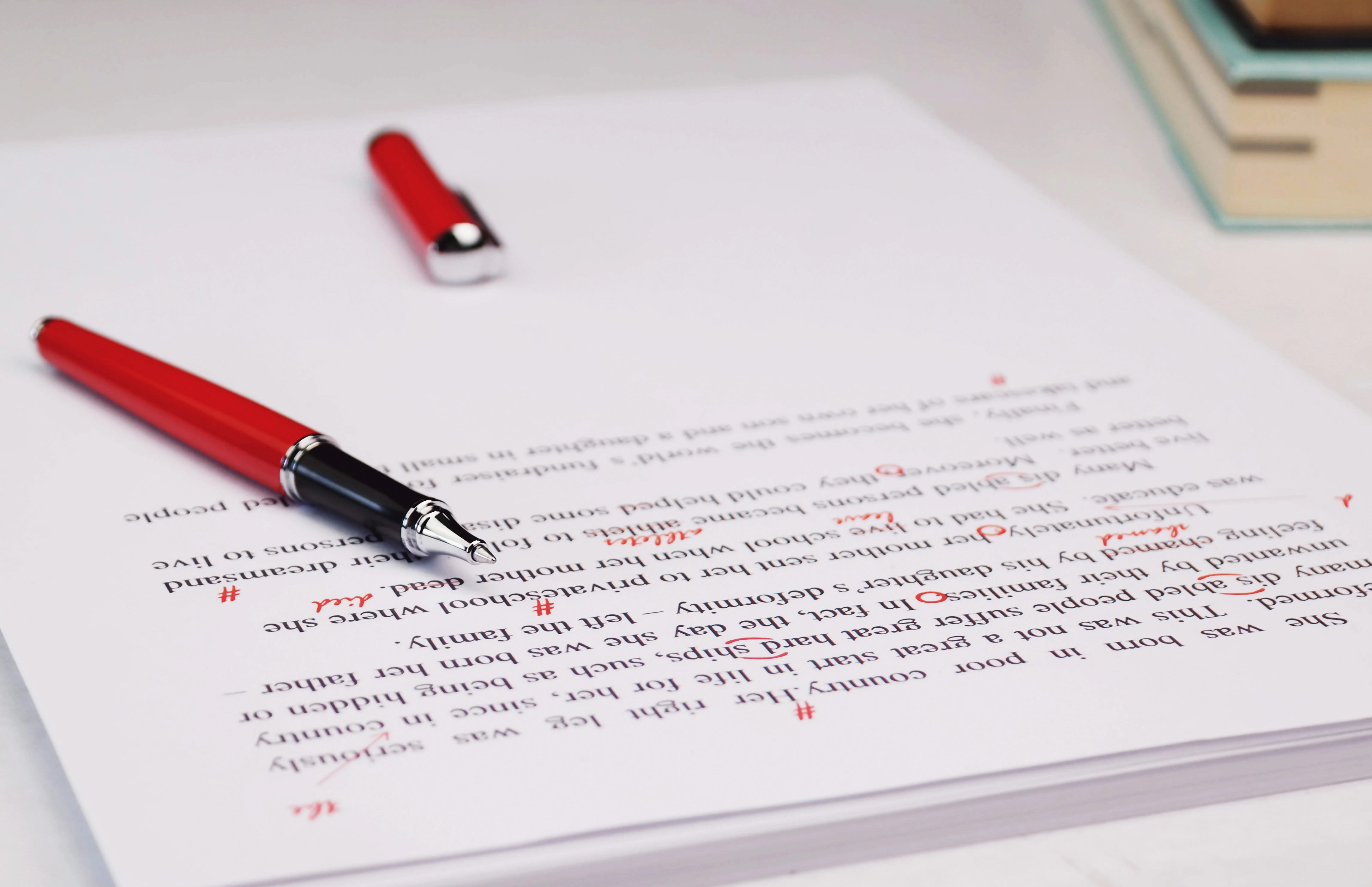
This can be scary, especially in person.
You may need to practice the sort of face that actors use in award ceremonies when the announcement is being made and they don’t know if they’ll win.
Here’s what I try to do:
Listen quietly. I’ll seek clarification if I’m unsure what they mean, but I try not to argue, explain or defend the work. That’s not the purpose of the exercise and will deter people from giving honest responses.
Take notes. I know I’ll only remember the criticism, especially if it hurts, (see my 35-year-old memory of my editor’s criticism) so I try to write everything down. When I read over the notes later, I’ll get a more balanced view.
Try not to take it personally. Hollow laugh. Of course I do. But not everyone will like everything I write, and that doesn’t matter so long as my core readers do. People can react unpredictably, perhaps because I’ve touched on something they are sensitive about. It may not even be your writing - it could be their preferences, priors or prejudices.
Read the room. If one person makes a negative comment, I’ll consider whether they have a point. If three people make the same comment, there’s a problem to fix and I need to do something about it.
Don’t forget the praise! Feedback is great for learning what you do well. Do readers always remark on your great sense of atmosphere, witty dialogue, breathtaking action scenes or believable characters? Lean into your strengths. It’s so easy to write down only the bad stuff and ignore the praise. Positive feedback is helpful too.
People often tell you what to do to ‘fix’ what you’ve written. That can feel intrusive, because it’s not their job. If they point out a problem (chapter two is too slow; the suspect is obvious from the start; the lead character is too passive) then I’ll note the issue and decide later how I’m going to deal with it. Their proffered solution might be an idea to consider, or it might be terrible. But that’s my call.
Which leads on to my final thought: how to give feedback. If you agree to give feedback, you must do so in good faith. However thick-skinned and experienced the writer, they have trusted you with something important to them.
This is doubly true if the person is new to writing, in which case they could be easily discouraged from ever writing again.
Don’t tell them their work is rubbish because you’re having a bad day, or it’s not the sort of book you read, or your short story on a similar topic has just been rejected by a literary magazine.
Here’s what I try to do:
Be honest about whether I can give helpful feedback. If I didn’t enjoy their horror story because I hate reading horror, I’ll tell them I’m not their target reader. I’ll also be cautious about responding if they have written on a subject where I know my personal experience makes it hard to be objective.
Establish the audience for the writing. I’d give different feedback to someone writing an account of their travel adventures to share with their grandchildren, compared to someone preparing a novel for publication.
Ask what they want to know and try to answer their questions objectively. Whether I enjoyed it isn’t really the most useful thing for them to know, although it’s always encouraging to hear.
Look for the positives. I seek out the things the writing does well, whether that’s a nice turn of phrase or a cleverly-conveyed shift in the dynamic between characters. Not the charmingly-named ‘shit sandwich’ but a genuine attempt to see what people do well and how they can do more of it.
Tell them what you want more of. Rather than negative framing (‘I don’t have a strong sense of the period’) try positive suggestions (‘I’d like more of those little touches that make it clear we’re in the 18th century’). This is something my writing group is particularly good at doing.
Be specific. ‘I thought the long flashback into his childhood in the middle of chapter 2 slowed the pace down and you lost some of the tension you’d built up’ is more helpful than ‘chapter 2 is a bit boring.’ Or ‘I love the way the characters don’t answer each other’s questions directly, but press on with their separate agendas,’ is more useful than ‘I liked the dialogue.’
Focus on the issue not the solution. Suggestions are fine - ‘perhaps you could move the flashback about his childhood’ - but I’m wary of telling the author what to do.
Finally, I try to avoid personalised criticism that can imply intent. This is a tricky one, if you really object to what someone’s written. I think it’s best to assume they didn’t intend harm, but to draw attention to the problem in a neutral way. ‘I thought the description of the woman could be read as a sexist cliche, and some readers might find it offensive,’ is useful information. ‘That’s an offensive sexist cliche’ implies that the author is both sexist and offensive, and intended to be so.
Maybe they are, but the framing makes it hard for them to accept the point without accepting the personal criticism. If I want them to take the criticism on board, framing it as a neutral observation about the way it could be received is more likely to have the desired outcome.
Thanks for reading This Writing Life. Feedback on the article welcome! What’s been your experience of giving and receiving feedback on writing, and (if you’re an author) do you read your Amazon reviews???

Comments
Nothing yet. Say the first thing.
Sign in to join the conversation.