
Disclaimer! I love comfort reads. I adore diving into an old favourite and revelling in its pleasures, or a luxurious read where the humour makes you chortle and the characters feel immediately like old friends. They’re like a mug of hot chocolate or a bowl of chicken soup: ways to warm and fortify you against all the bad stuff Out There. If you love comfort reads too, I link to a few favourite lists at the end of the post.
But there are times when a woman needs something a bit more bracing. Books that startle, or upset your world view. Characters you find positively loathsome, or just alien. Challenging books where you’re not quite sure what’s happening from one moment to the next, or where you have to go back and read a chapter again because you don’t understand it at all. The books where the ground keeps shifting from under your feet.
I don’t mean badly-written books where the author doesn’t seem fully in charge of their craft, or the ones where Bad Stuff happens relentlessly to innocent people, and keeps on happening until you feel wrung out like a dishcloth. I have a particular aversion to books which feel emotionally manipulative, which set out to tell me how rotten the world is. I don’t need fiction for that; I can read the newspapers.
I like a book that unsettles by making me question my assumptions, that asks me to reconsider my cosy liberal sympathies, or asks me to think honestly about what I’d have done, had my life choices been starker than the ones I have faced to date.
I’d like to do this more. So, if you have some recommendations for books that are more double espresso than hot chocolate, let me know in the comments. Meantime, here are five of my most unsettling discomfort reads.
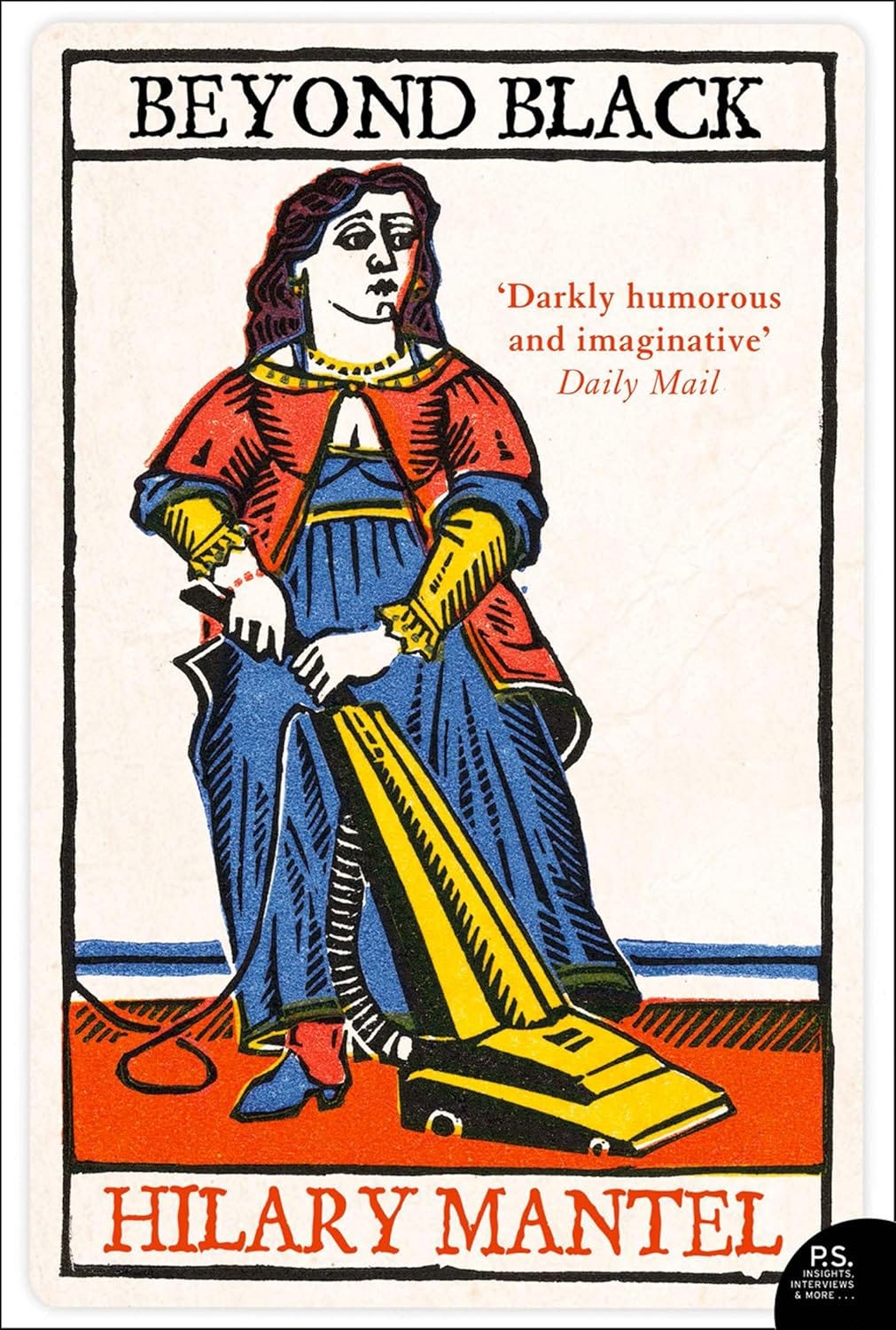
Hilary Mantel, Beyond Black (2005). This is hell, and all the demons are here. Beyond Black is one of the most frightening, and funny, books I’ve ever read. Alison Hart, a cheery medium in a sparkly dress, does psychic shows around the suburban wastes of England, passing on messages from people’s ‘passed over’ relatives. But her private world is plagued by real evil, as spiteful spirits invade her life, getting ever nastier as she tries to resist. Mantel is a writer who inhabits the past with utter conviction. Here, she asks us to consider what would happen if the dead roamed into the present. She drops hints about how family trauma begets lasting wickedness, but doesn’t spell out the back story—it seeps up through the story like tar. Did I mention it’s also a very funny, darker than pitch comedy?
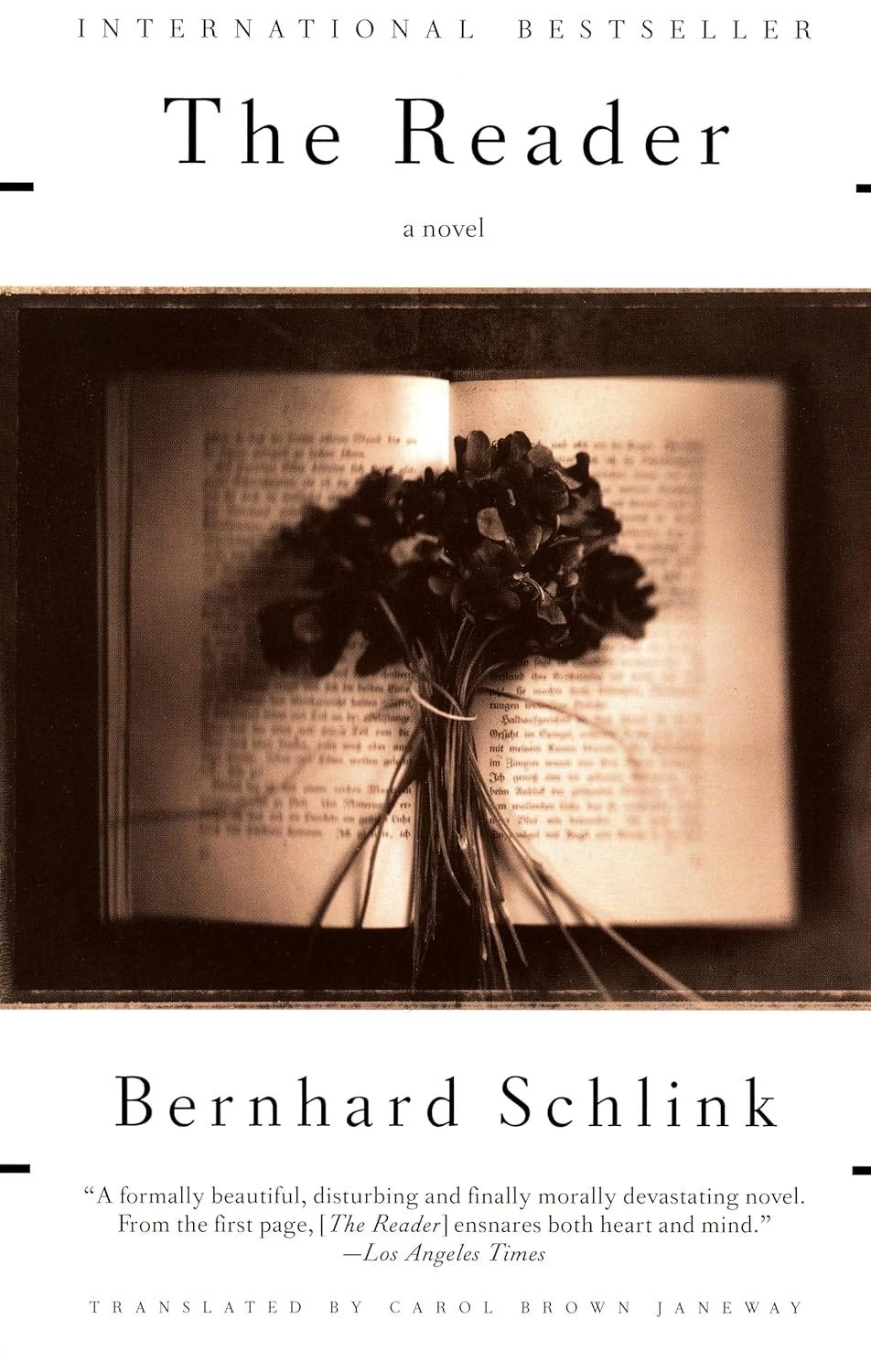
Bernard Schink, The Reader (1995). Schink’s achievement is to bring home the dilemma for young post-War Germans discovering the legacy of the Third Reich. The horror was that anyone could have been complicit: parents, school teacher, friend. When a whole society was complicit, what hope of recovery for its young people? The story is told, in sparse, clipped prose, by a man who has an ambivalent, possibly abusive relationship with an illiterate older woman, Hanna, as a teenager. He then discovers her past as a concentration camp guard accused of atrocities six years later. He realises she is prepared to take responsibility for something she could not have done, rather than admit to her inability to read. The questions of culpability and moral responsibility are at the heart of the novel. It has been criticised for using Hanna’s illiteracy as some kind of excuse for her war crimes, although I don’t think it’s as simple as that.
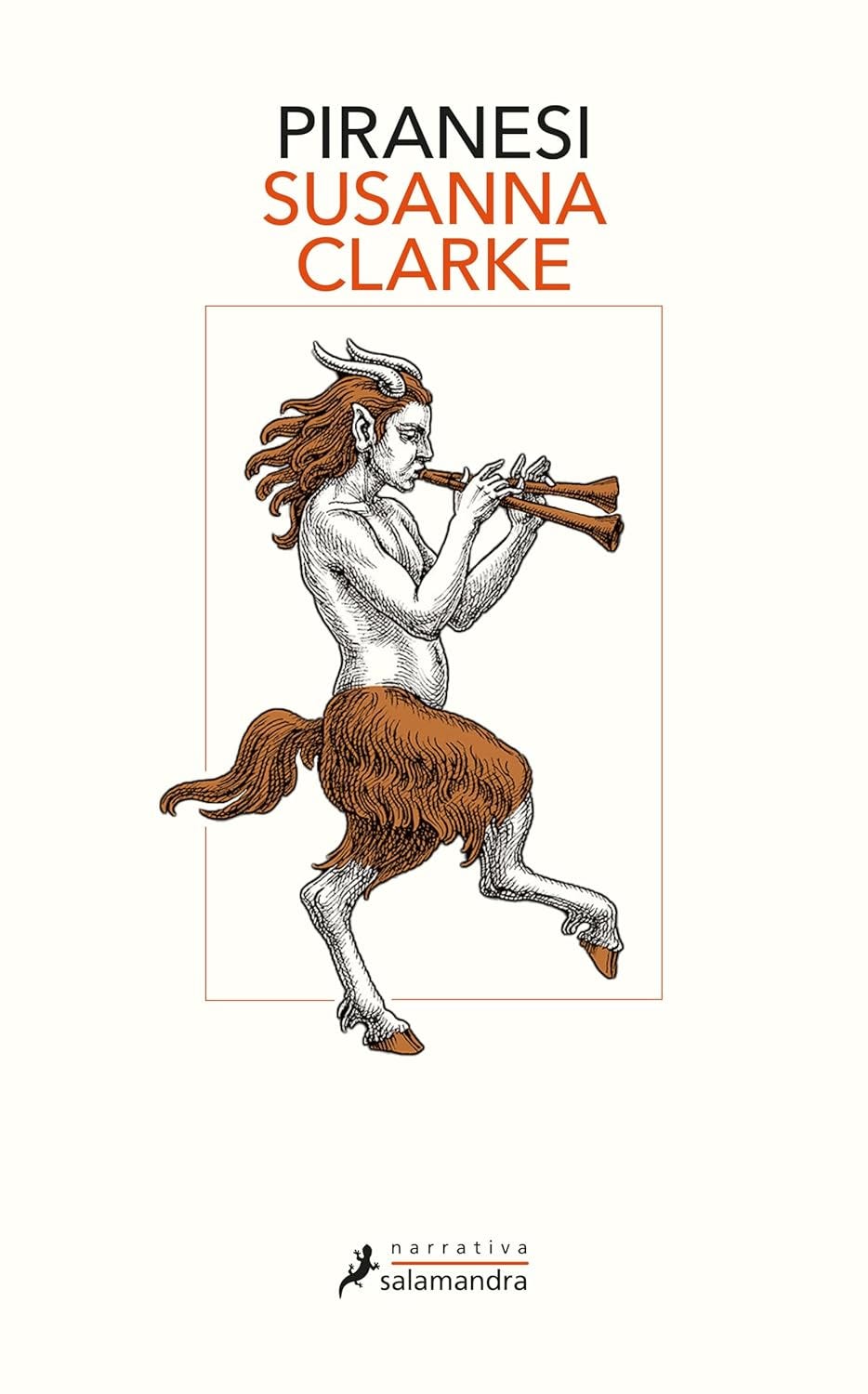
Susanna Clarke, Piranesi (2020). Uncomfortable books don’t have to be horrible. They can be wonderful, strange, grand and absorbing. I read most of Piranesi without a clue about what was happening. At first I was tempted to skip through it, trying to work out the plot. Eventually I succumbed to the strangeness of the journal, in which the character Piranesi records meticulously the events and surroundings of a vast mansion. The character and plot emerge through these hypnotic descriptions. I later kicked myself to discover it has many parallels to The Magician’s Nephew, one of my favourite of CS Lewis’s Narnia series, which I adored as a child. It has that same sense of wonder and possibility that I’d loved in CS Lewis.
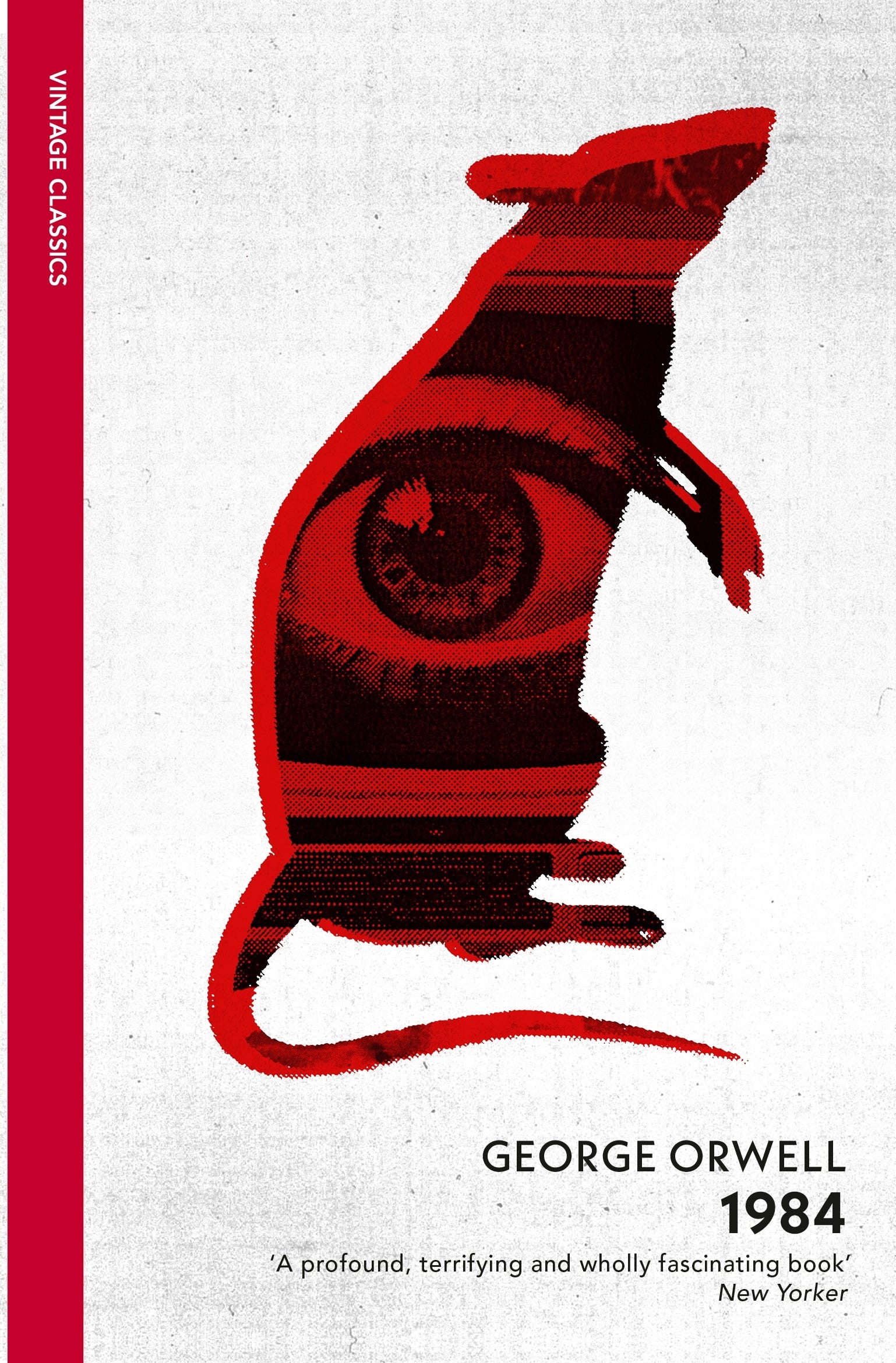
George Orwell, 1984 (1948). I recently re-read 1984, not having read it since I was a teenager. I’d forgotten how good Orwell is at minutiae - the smelly, itchy, depressing discomfort of the world of Airstrip One is perfectly evoked. It’s not a difficult read. Orwell’s prose is, as ever, window-pane clear, the characterisation is pretty sharp, there are even a surprising number of flashes of wit. But it is relentless. Not in the way I object to in the introduction: Winston is everyman, but he’s not an innocent. It won’t let him (or us) off the hook for a moment. This is how we are, us humans, he says. This is what we do, time and again. So many of the warnings are startlingly prescient. He wasn’t a prophet and he published it to warn against totalitarianism, not to predict it. But his depiction of future geopolitics (three spheres of influence, carving up the world and occasionally shifting alliances to ravage the boundary countries in proxy wars) or the post-truth society in which no-one knows or cares what’s actually true anymore, or even AI (there’s a whole section about the machinery dedicated to ‘writing’ popular novels) are depressingly familiar.
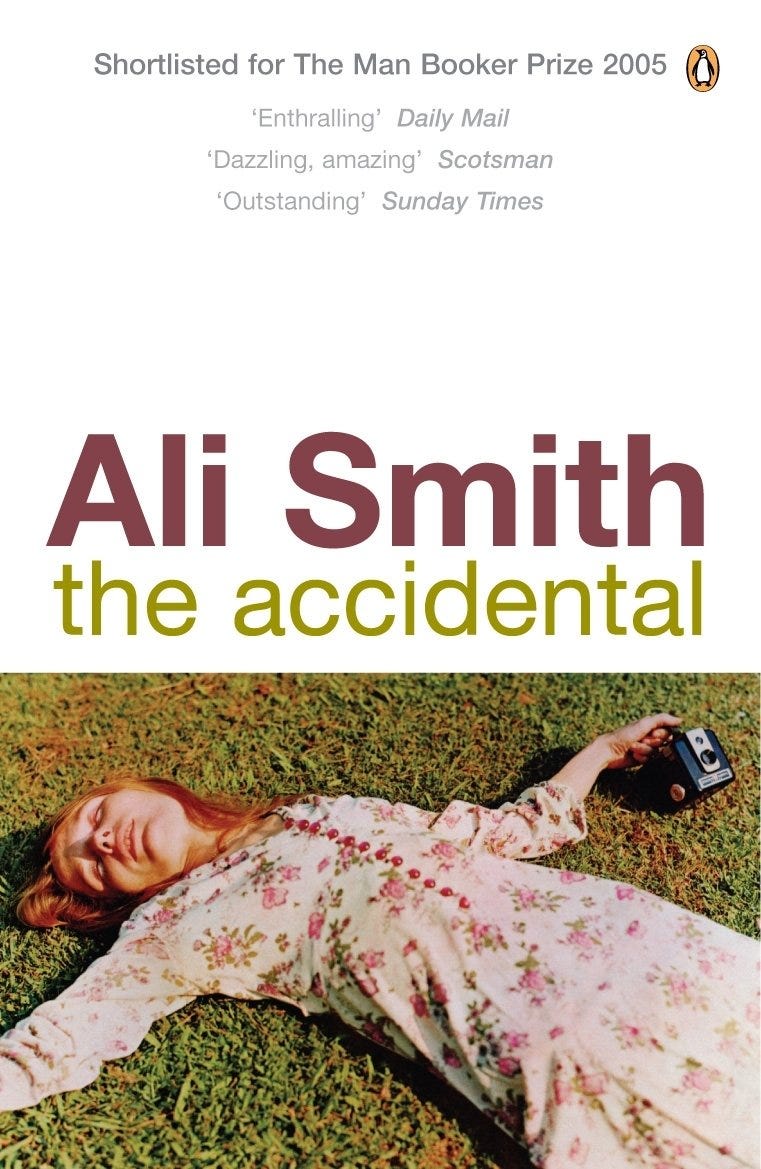
Ali Smith, The Accidental (2012). I could have picked several of Ali Smith’s books, really. I love them, but they are continually baffling. The Accidental is an example of why. Firstly, the point of view keeps changing (albeit in a controlled way). Things you thought you’d established turn out not to be the case. The characters aren’t particularly likeable. Indeed, the first chapter is so infuriating - told from the perspective of a whining, clever-clever adolescent in a neverending stream of consciousness - that I put it down, not particularly wanting to pick it up again. I was glad I did. It’s stylistically ambitious, insists on carrying you inside the heads of some pretty unsympathetic characters and forces you to see life from their perspective. It succeeds breathtakingly well.
I could have picked plenty of other books. I found Miranda July’s All Fours gripping but uncomfortable, perhaps more for subject matter than style. Salman Rushdie’s Midnight’s Children was a full-on challenge of stylistic complexity, containing multitudes. And that’s before I look overseas – I brought back a couple of Japanese novels (English translation) from my trip there last year, and find them charming but utterly baffling.
If you’ve made it this far (thank you!) please do recommend some of your favourite discomfort reads in the comments. And if you still want a comfort read or two, try these fantastic lists.


Comments
Nothing yet. Say the first thing.
Sign in to join the conversation.