
Only 2% of reported animal welfare breaches on farms are currently prosecuted.
That’s not a typo.
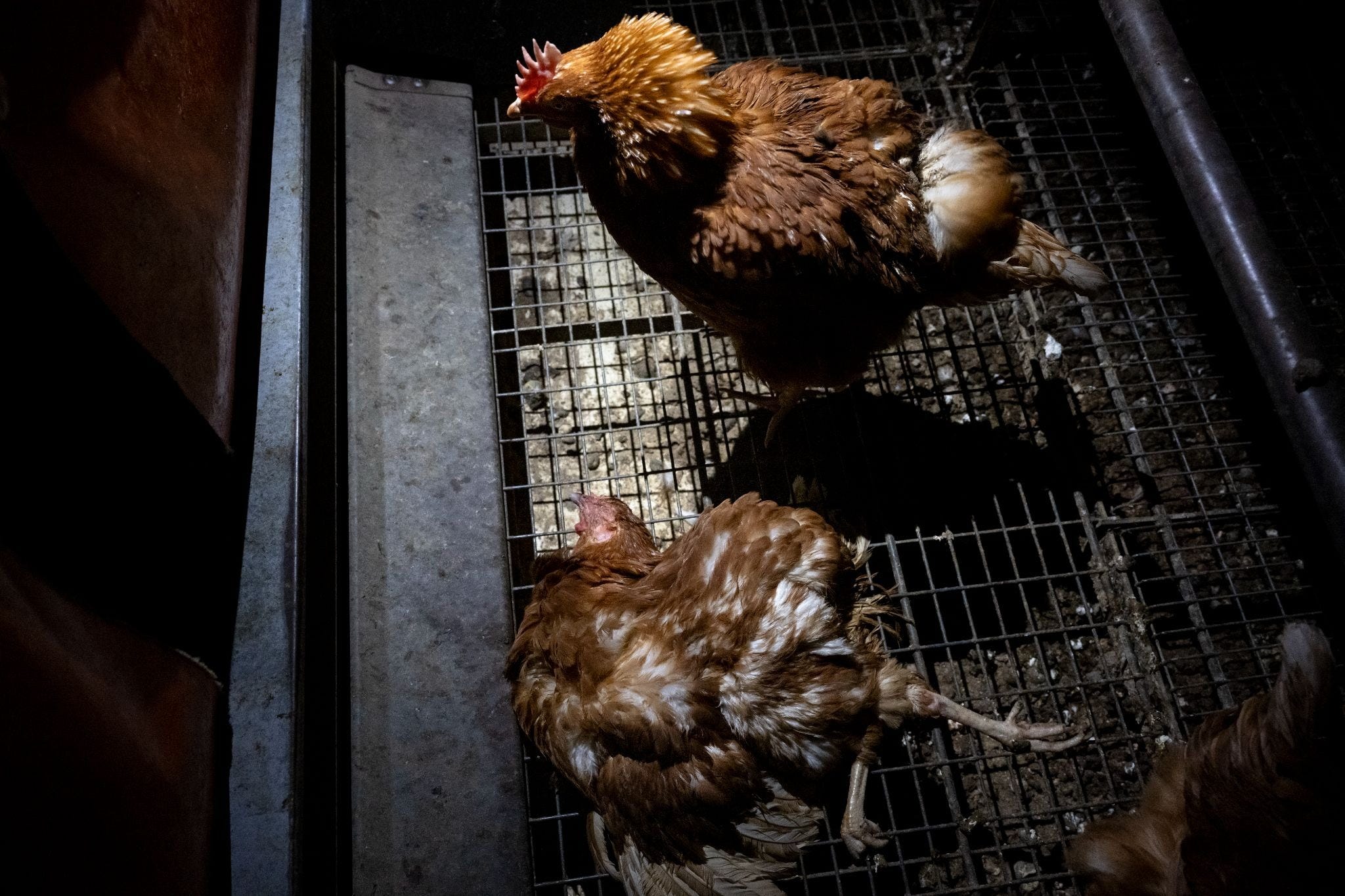
And those are the violations that are actually reported. They don’t include the abuse no one sees. The animals no one documents. Or the systemic cruelty that investigators witness again and again inside industrial farming.
According to the Animal Law Foundation, around 1 in 4 inspected farms are breaching the law. In reality, the number is likely higher because farmers are often notified before inspections, giving them time to conceal the worst conditions.
So what happens when these breaches are uncovered?
Almost nothing.
A Pattern of Exposure… and Inaction
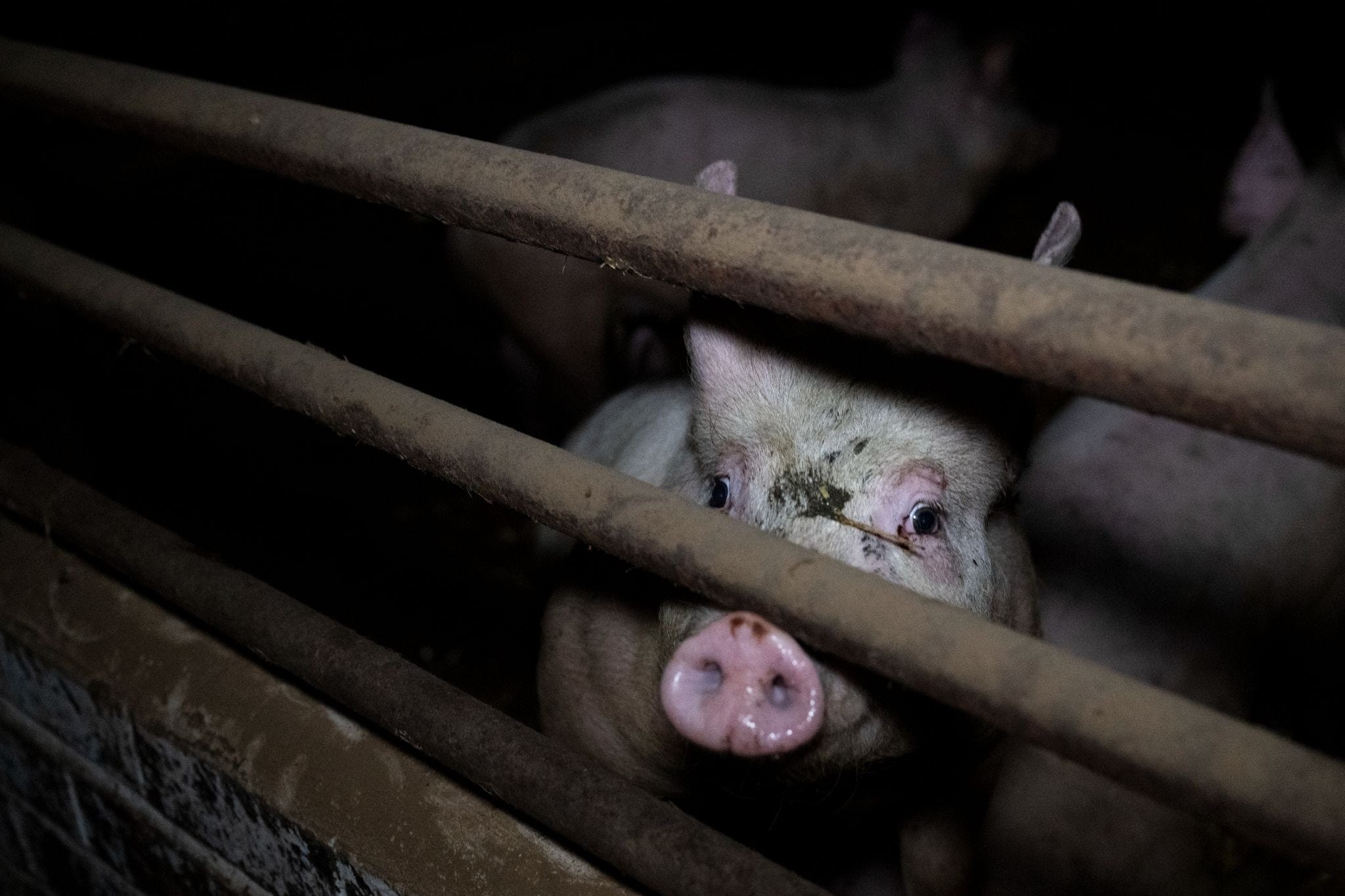
For years, British investigators and advocacy groups, including us, have exposed shocking cruelty inside factory farms. The media exposes it. The public shares it. And people are outraged.
However, when it comes to trying to get the appropriate authorities to act, there is silence.
In 2024, we reported over 40 RSPCA Assured farms to police and DEFRA, alleging 280 legal breaches and 94 violations of DEFRA’s own codes.
No meaningful action followed.
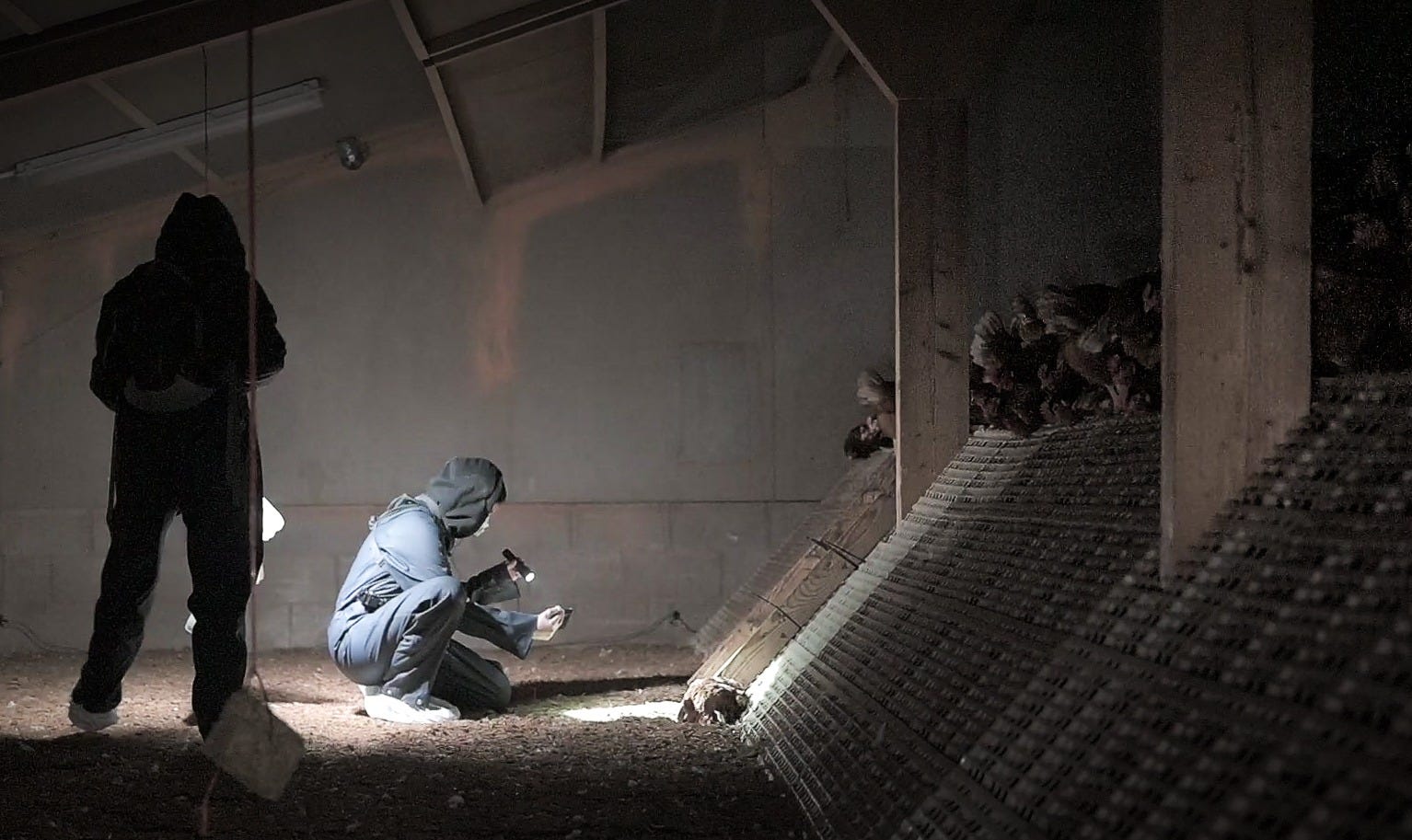
In 2025, Animal Justice Project released three major investigations into Cranswick pig farms. The footage revealed such disturbing treatment that the company committed £40 million to welfare improvements.
Yet despite reports to the Animal and Plant Health Agency (APHA) and the local Trading Standards of illegal activity, including piglet thumping:
No prosecutions.
That same year, Joey Carbstrong exposed Saputo Dairy UK (owner of Davidstow Creamery). This triggered a DEFRA investigation.
Yet, nothing followed from the investigation.
Joey’s exposé inside KellyBronze turkey farms led to the RSPCA condemning the treatment.
Still, no one acted, not even the RSPCA.
The Law Is There. It’s Just Not Being Used.
Every one of these cases points to potential breaches of:
These aren’t vague guidelines. They are laws.
And yet, enforcement bodies repeatedly:
Conduct brief inspections
Write short reports
Then, no further action
No charges. No accountability. No justice.
Why?
The current system isn’t working:
In recent years, the RSPCA has made it clear that it would like to stop bringing private prosecutions in serious cases. Our perception is that, even when they do prosecute, they tend to focus only on companion animals
Local authorities are underfunded, inconsistent, and often uneducated about animal welfare
The Crown Prosecution Service rarely pursues farmed animal cases
So we’re left with a stark reality:
A legal system that exists on paper but fails in practice.
The Charity Dedicated to Solving this Problem
Lawyers for Animals is a charity building the legal infrastructure to turn evidence into real consequences.
A private prosecution allows individuals or organisations to bring a criminal case independently of the state. The mechanism allows for the law to be enforced when authorities won’t enforce it themselves. There is not a lot of data on the amount of prosecutions that occur for unlawful cruelty against farmed animals. We do know that in 2012, the RSPCA’s convictions relating to farm animals rose to 49 compared to 22 in 2011. This is compared to 4,168 convictions for animal cruelty and neglect the RSCPA secured in 2012.
Lawyers for Animals helps investigators understand how to gather court-admissible evidence, converts raw footage into structured legal cases, analyses material for breaches of animal welfare law, and asks public authorities to act, then pursues private prosecutions when they won’t.
The numbers speak for themselves. To date, they have legally reviewed over 836 hours of undercover footage from over 150 investigations, have assembled a team of experienced criminal solicitors and barristers, and have begun to initiate legal action.

Lawyers for Animal’s Culture
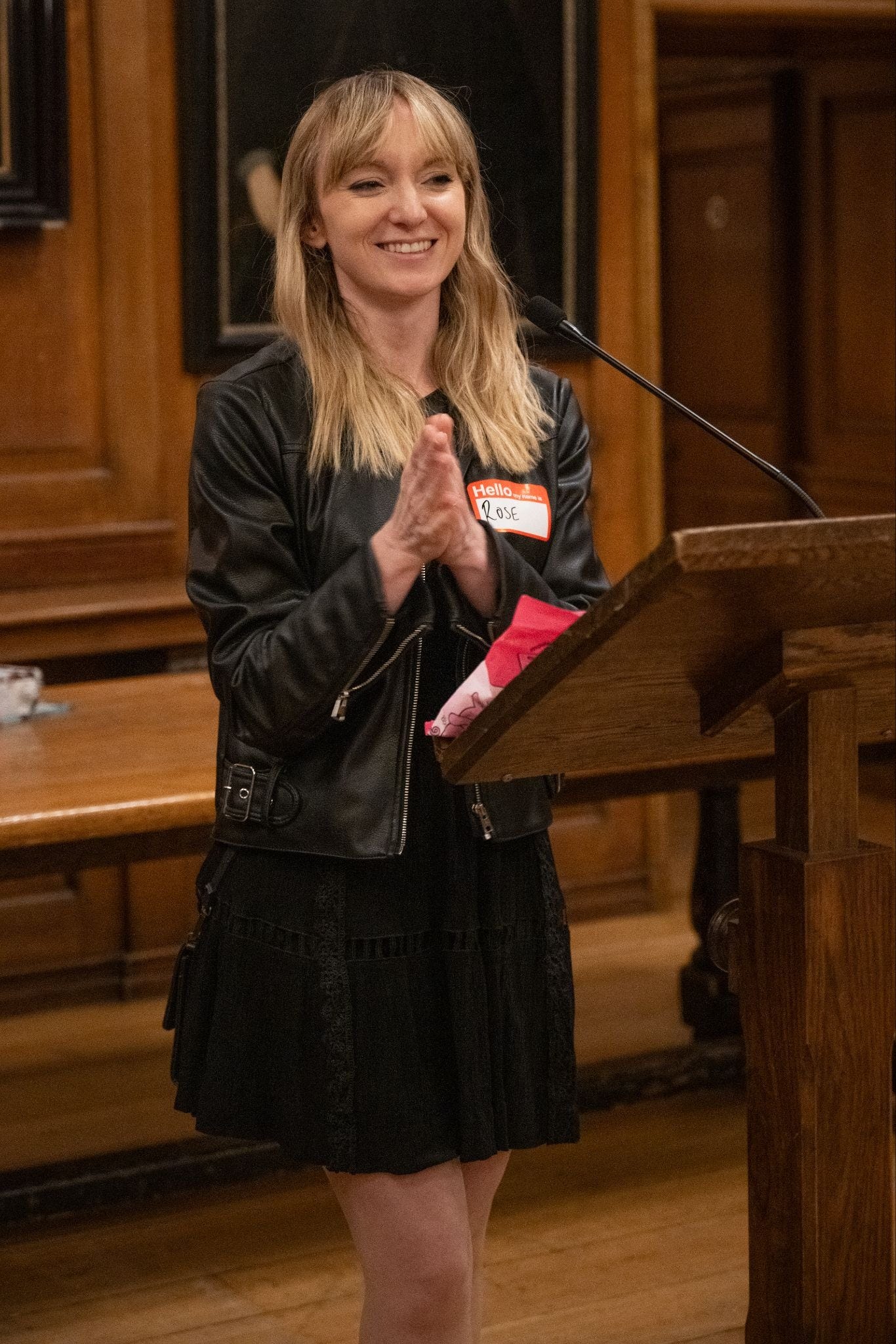
We’ve really enjoyed getting to know the people involved in Lawyers for Animals. They are a community of lawyers whose mission is to protect animals and enforce animal laws. More widely, their vision is for England to be a country where those who harm animals are held accountable and where animals, and the people who protect them, are safe. Since its inception, we have met many valuable contacts who have advised us on various matters. And we have had a lot of fun with them too!

They have a Substack where you can follow along with what they’re uncovering. We think the charity is a huge asset to the animal movement, and we’re excited to follow their work.
Subscribe to Lawyers for Animals here
Comments
Nothing yet. Say the first thing.
Sign in to join the conversation.