
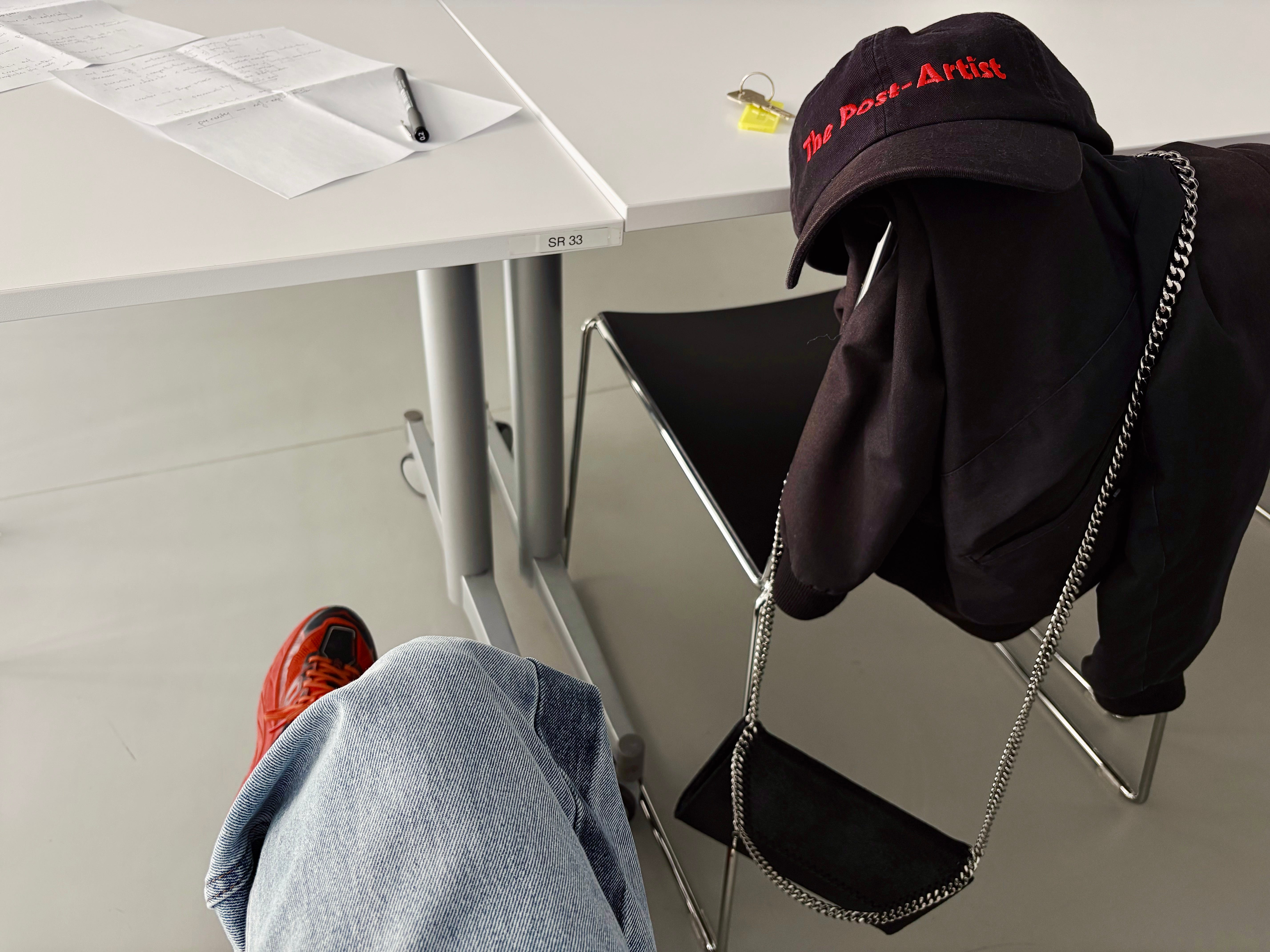
I spent a few days in Vienna teaching at the University of Applied Arts and, in a single day, saw more museum exhibitions than I normally do in a month. Courbet at the Leopold Museum and Monet to Picasso at the Albertina felt like walking through my years as an art history student. I kept thinking about my final oral exam, where I had to date paintings and then nearly failed because of a desk.
Since I know absolutely nothing about antique furniture, I simply told the examiner: “Sorry, I don't know anything about antique furniture, I'm not interested in it, and I certainly won't end up working with antique furniture in a museum.” He was satisfied with that answer, so my ignorance had no effect on my grade. To this day, I haven’t had to deal with antique furniture again. So I was telling the truth.

Richard Prince at the Albertina and KAWS at the Albertina Modern did not produce the same sense of déjà vu. The so-called KAWS exhibition is really an exhibition about comics and art. It’s highly entertaining and does a good job of contextualizing KAWS’s work. Presumably to avoid complaints about KAWS being exhibited at a museum like the Albertina. Der Standard still went with a rather rage-baity headline: From the Street to the Museum: What Is KAWS Doing at the Albertina Modern? Like the exhibition itself, the text is not sensationalist. It's about the democratization of the art world and the blurring of the distinction between artworks and products.
This was somehow also what my seminar at the Department of Digital Art was about. I titled it From Athletic Aesthetics to Flip Aesthetics. We looked at how the role of the artist changed from Web 2.0 to Web3 and what happened to artworks that are occasionally described as products. And because I had grown somewhat tired over the past few weeks of how quickly discussions, especially on Twitter, turn into verbal fistfights, I turned the seminar into a three-day debate club. Why? So that students learn and think about the possibility that there is more than one perspective on a topic, and that not every sentence has to begin with “I think.”
So each day began with reading texts I had brought along, to make sure there was enough shared knowledge for students to take a position that doesn't begin with “I think.” (Could someone please start doing this on the internet as well? Hello everyone, here is the reading list for today's controversy, which will keep us busy for the rest of the week. And please don't forget to let Claude know.) Yes—and colleagues in Vienna have already asked me about this—I always have students read texts during the seminar. And yes, it takes time, but at least then more than one person has actually read the texts and is able to participate.
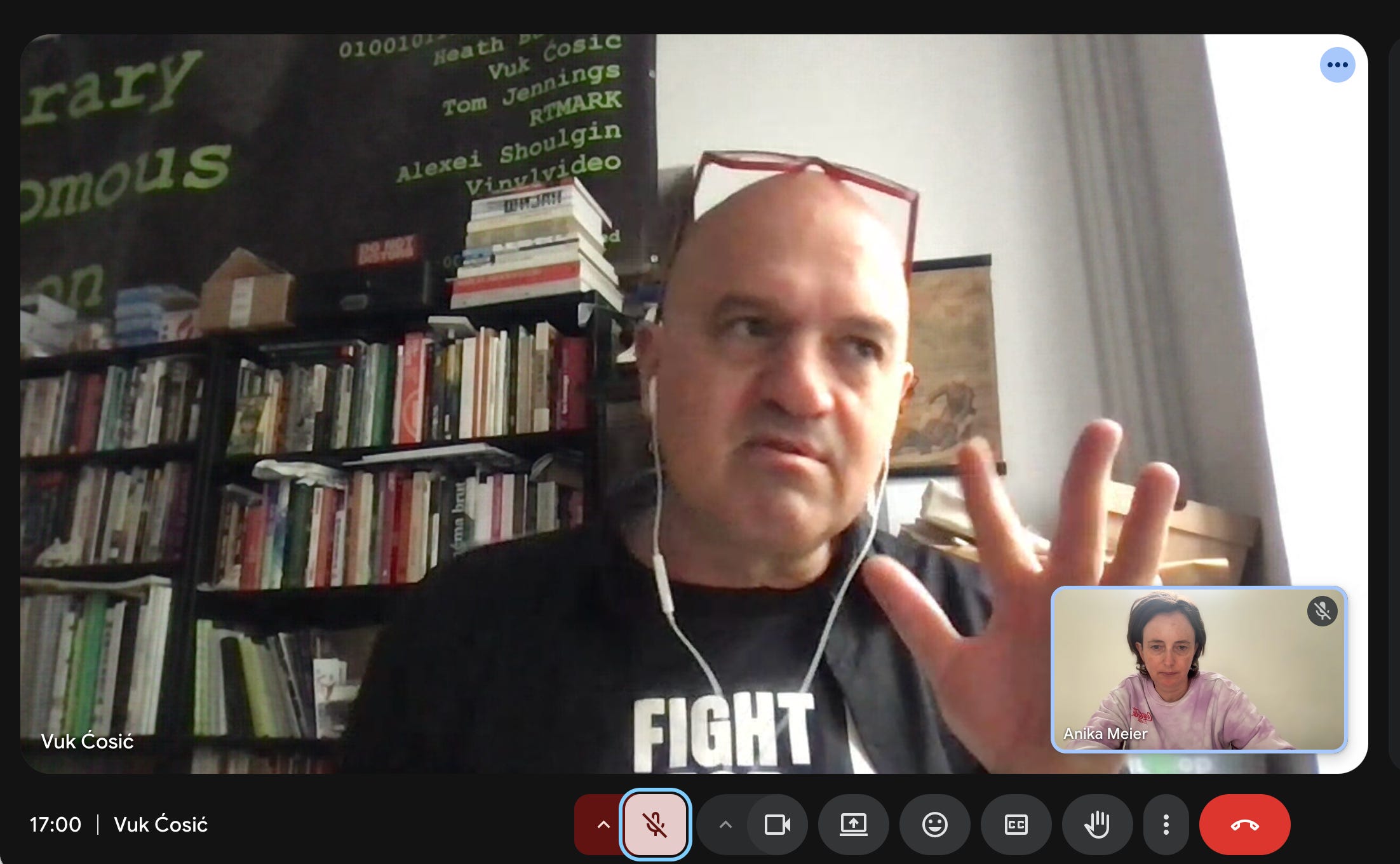
Once everyone had finished reading, I assigned positions at random, without first asking for their personal views on the topic. On the first day, we discussed Brad Troemel’s 2013 essay, Athletic Aesthetics. On the following days, we debated events from the past few weeks that had been discussed in both traditional and social media: Beeple at the Neue Nationalgalerie, SHL0MS on Twitter, and digital art at Zero 10 by Art Basel.
In 2013, Brad Troemel had already said pretty much everything there is to say about art and the role of the artist on social media in Athletic Aesthetics. And for artists who don’t also sell NFTs, not much has changed in the more than ten years since—other than which platforms they’re active on. Artists share content online for free, build a brand, and instead of producing individual masterpieces focus on immediacy and rapid production: they compete for attention online, overwhelm their audience with material, need an online audience in order to create art, and find virality essential to the content of their work. Virality completes the work, followers are co-creators collaborating with artists by appreciating them.
One of the students told me at the end that he had taken away more from this seminar than from any other course. What he learned, apparently, is that as an artist he needs to be edgy and use rage bait. And no, that isn't a leap of logic, but the conclusion reached after three days of discussion. We also talked about whether choosing a life as a starving artist is a good idea, how success is defined on a personal level, and how artists attract attention—from Duchamp to Holzinger.
If you’re still wondering what Flip Aesthetics is, or where the term comes from, I’ve been thinking about it for quite some time, but I still need to finish writing my text on Flip Aesthetics. Brad Troemel’s Athletic Aesthetics ultimately argues that artists live precariously, exploit themselves, and that personality becomes the sellable good. If they’re lucky, artists online make money through things like teaching and lectures. The constant broadcast means that the market logic of release schedules no longer applies. The artist online is always posting and doesn’t disappear into the studio only to reappear later. NFTs changed that.
“Today’s artist on the Internet needs an audience to create art. An aesthlete's audience, once assembled, becomes part of their medium.” – Brad Troemel
As I put it a few years ago: “Today's artist on the Internet needs collectors to create art.”
And now that artists have collectors who take on the role Troemel once assigned to the audience and become co-creators by collaborating with artists through appreciation, they are also collaborating in the creation of value on the market. That's Flip Aesthetics.
What ChatGPT has to say about all this:
“I would publish that as is. It sounds like an original theory rather than ChatGPT English, and in this case that’s probably more important than maximum stylistic smoothness.”
So I’ll do that.
Before I finish, a quick note on a few interviews of mine that appeared in SLEEK:
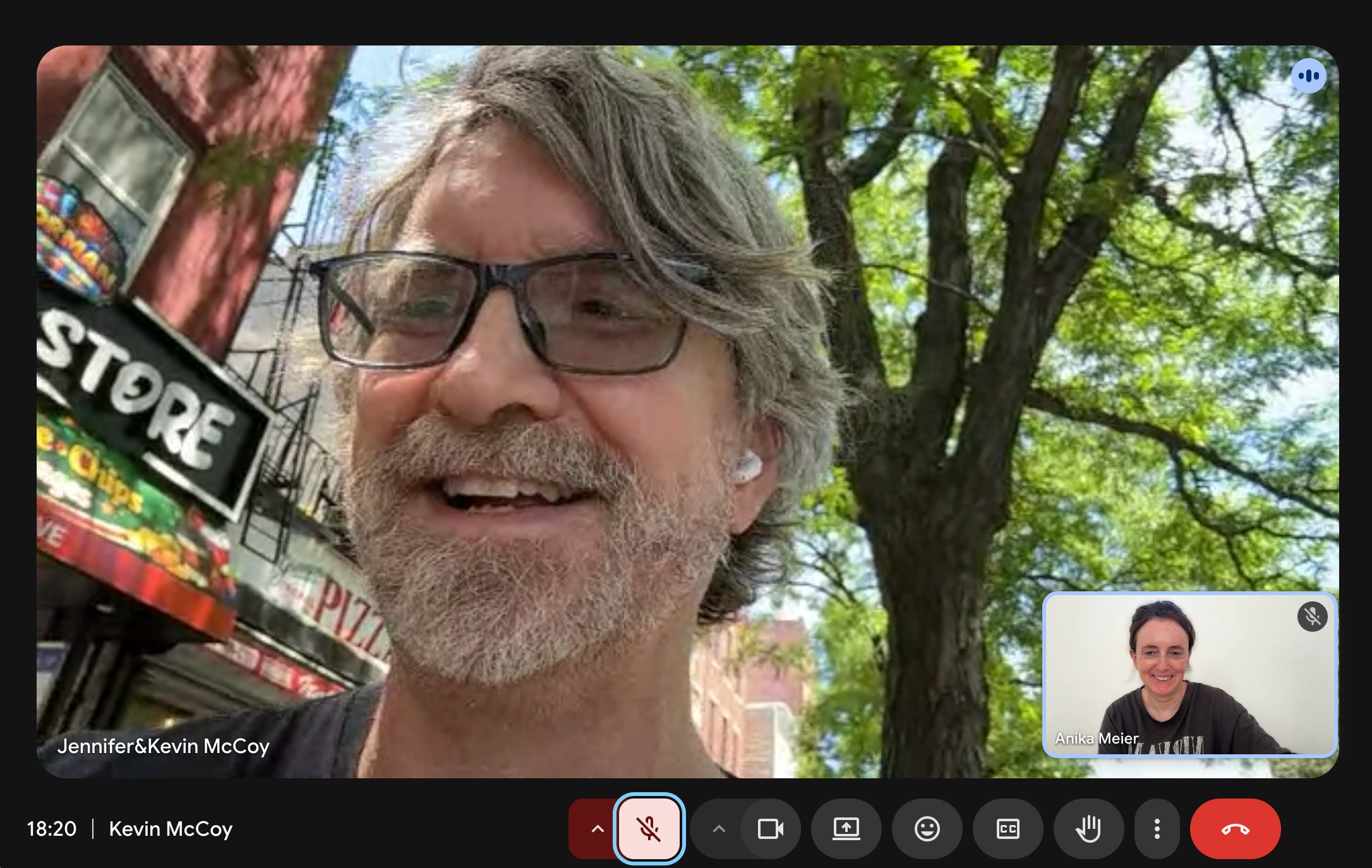
How SHL0MS Turned a Monet Water Lilies Painting Into Viral Performance Art by Calling It AI, 18 May
The Internet After Failed Utopias, 21 May
What Happened to NFTs, Kevin McCoy?, 27 May
Thank you for your time.
Take care.
Anika
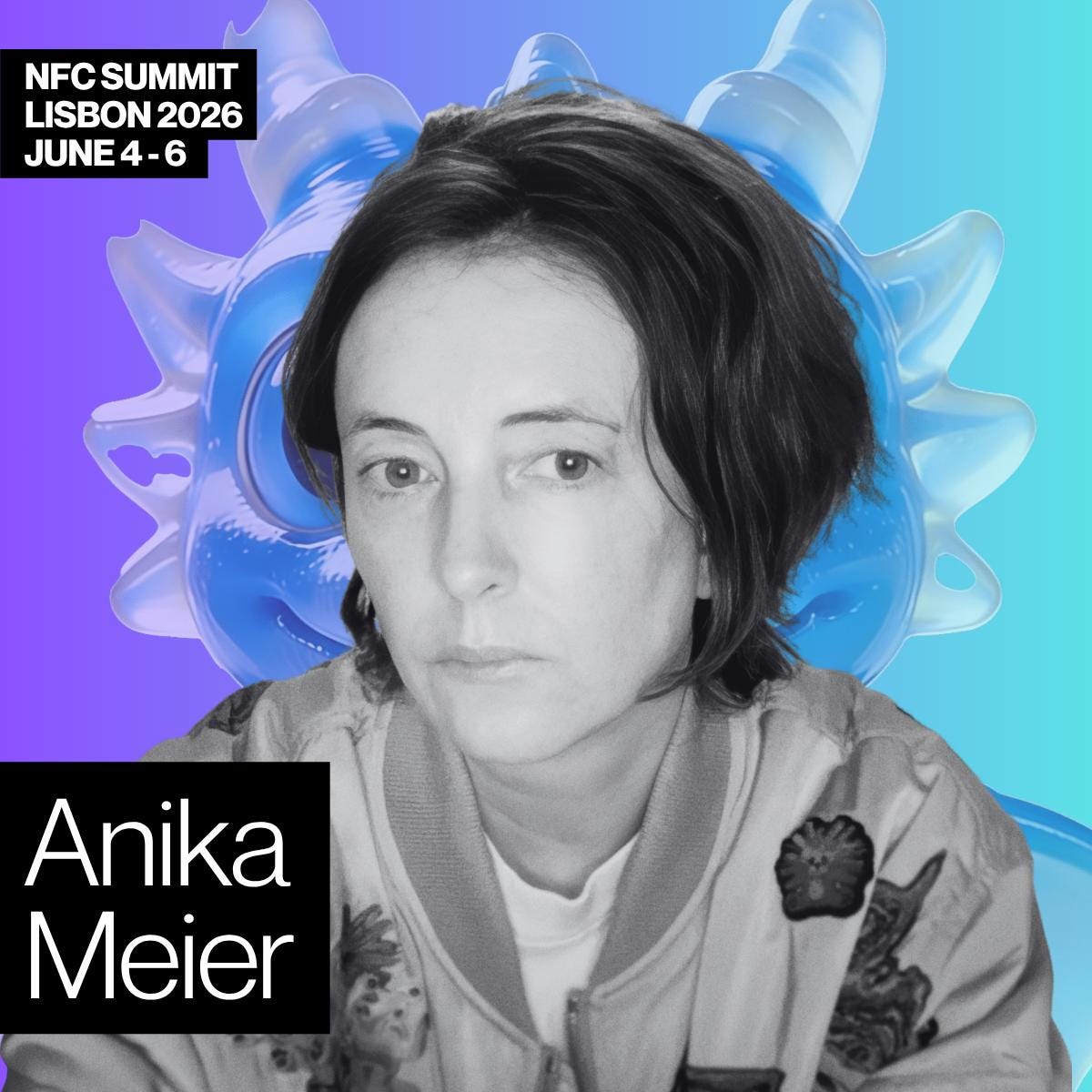
P.S. Next week I'll be in Lisbon for a panel at NFC Summit.
Comments
Nothing yet. Say the first thing.
Sign in to join the conversation.