

A Tale of the Rise & Fall of Kale
It was Dr Kelly Brogan who said the only disease is victim consciousness & I see this playing out in our relationship to food. One year’s villain is next year’s hero in the form of “superfood” & vice versa. After years of practicing clinical nutrition, I have come to the conclusion that the minutiae of what we eat is really not that important if we follow some basic rules, more on those later.
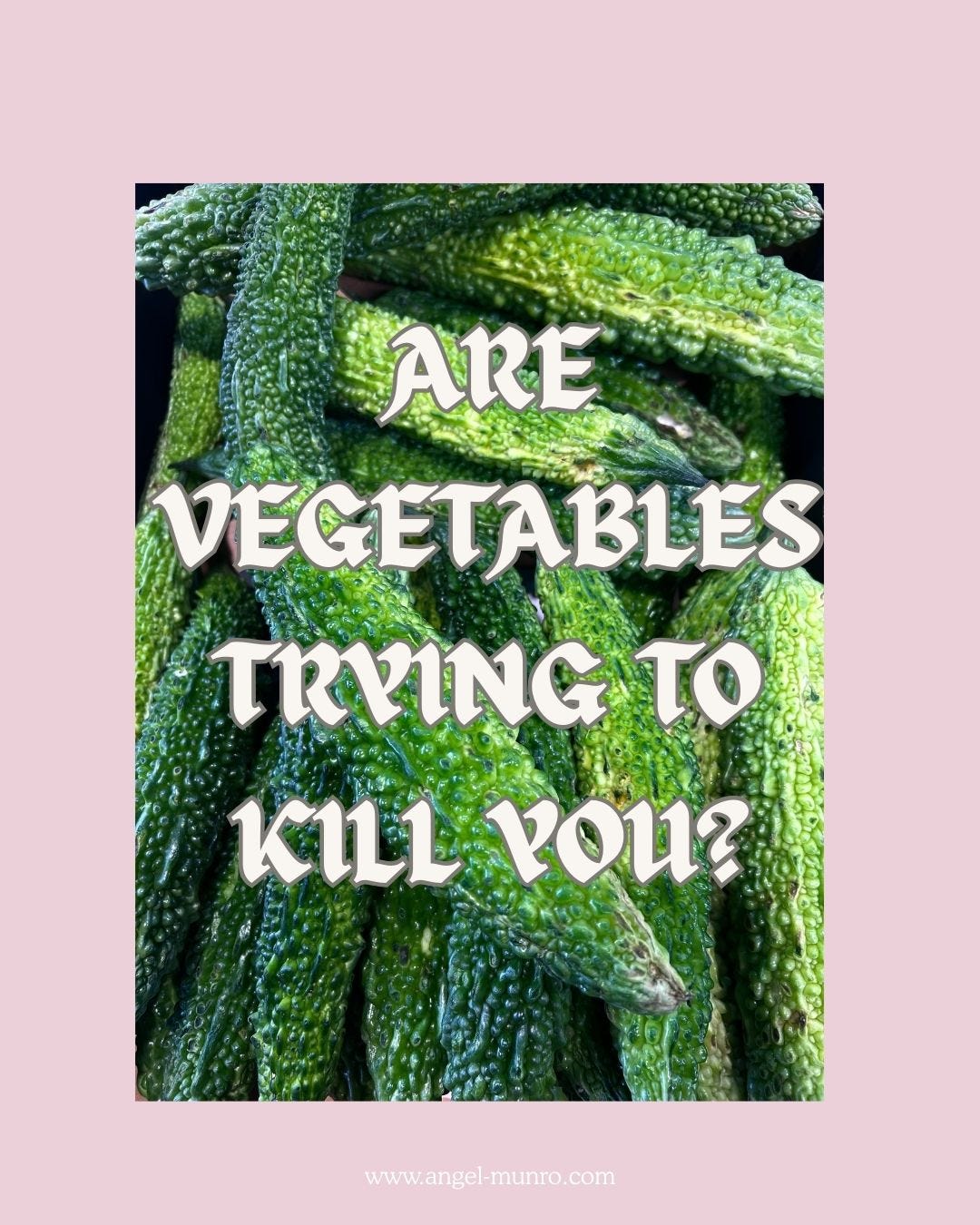
Kale had a spectacular rise & fall from being a barely known vegetable to in 2008 being dubbed one of the top superfoods with health & food influences squeezing it into absolutely every dish they could think of. Fast forward to 2025 and it’s now an oxalate ridden dangerous villain. I’ve seen this victim, villain, hero scenario in nutrition play out my entire life (nearly 5 decades). My parents met a at a well-known vegetarian restaurant in the 70s where they were both working at the time. I was bought up vegetarian with a strong focus on macrobiotics, they shopped at health food stores and used food as their primary medicinal tool. Over my lifetime of observing the alternative health movement the food villains have changed roles many times with meat, dairy, seed oils, soy, vegetables, fruit, fat & sugar all taking turns in who will play the current good guy & who plays the current bad guy. You’d think after being on a non-stop merry go round of searching for the perfect diet, we would eventually want to get off it?
Let’s have a look at oxalates, the main culprit for why people now swear that kale is the devil incarnate. Oxalates can cause kidney stones and nutrient absorption issues, as well as joint pain, stiffness, and other symptoms. The question is do we really need to worry about the small amounts found in otherwise nutrient dense food or should our focus be elsewhere?
Modern agriculture uses many synthetic chemicals. Both in the form of pesticides, herbicides & fungicides as well as fertilizers. The insecticide thiocyclam hydrogen oxalate is absorbed by plants through its leaves and roots increasing the plants oxalates. Glufosinate & glyphosate, common herbicides, can not only increase oxalate levels in plants but once metabolised in the body to glyoxylate, it can be further converted to oxalate in the kidneys. So, is it oxalates from plants that are the problem or the man-made poisons that we spray them with? Another factor for increasing oxalates in food such as leafy greens is the use of synthetic nitrogen fertiliser in conventional agriculture, another reason why organic or homegrown is best.
Which takes me to my most important rules when it comes to choosing food to consume, which are….
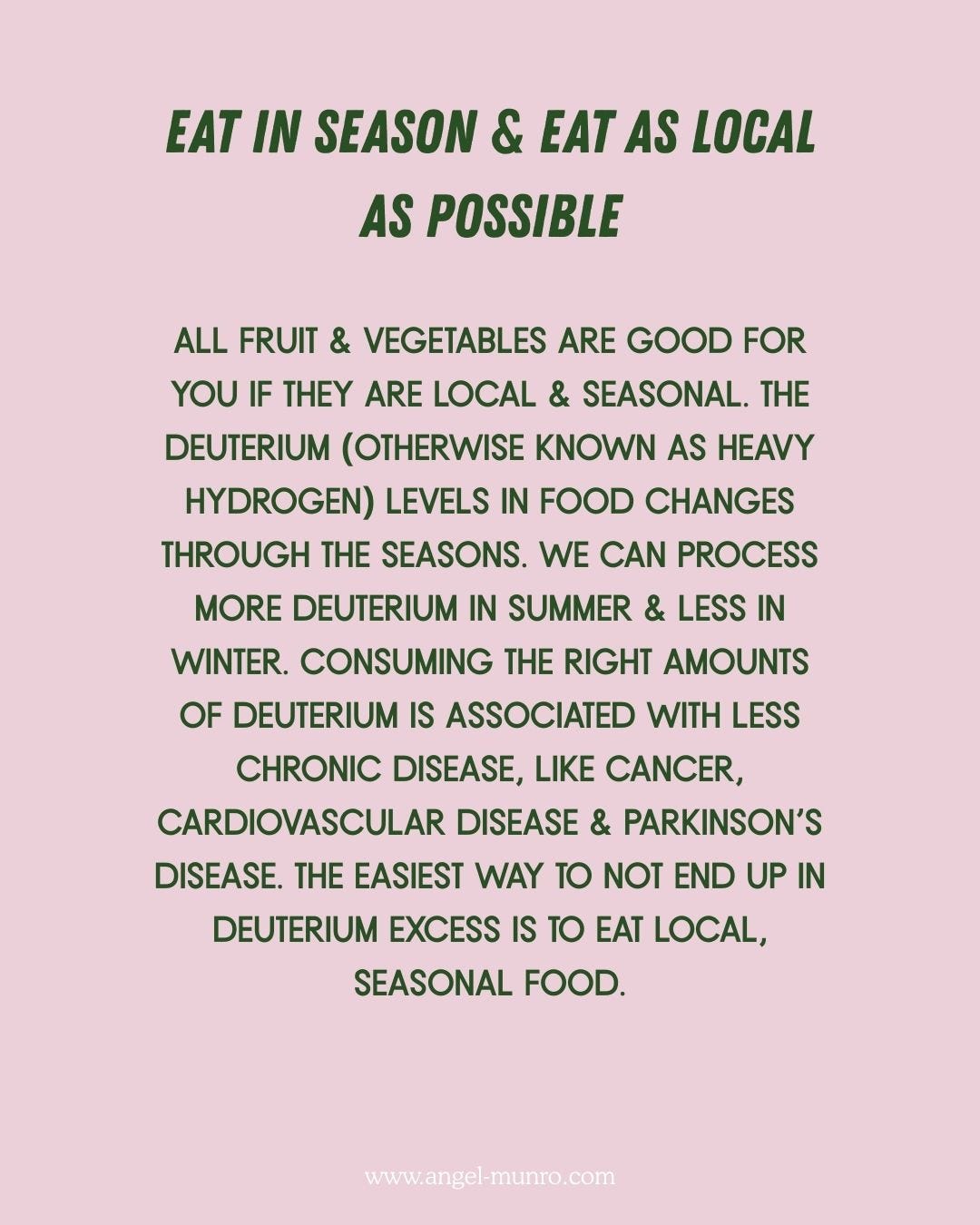
Eat in season & eat as local as possible
Out of all the possible food villains, watching people online blame fruit & vegetables for their health problems has been the most wild thing to witness. All fruit & vegetables are good for you if they are local & seasonal. The deuterium (otherwise known as heavy hydrogen) levels in food changes through the seasons. We can process more deuterium in summer & less in winter. Consuming the right amounts of deuterium is associated with less chronic disease, like cancer, cardiovascular disease & Parkinson’s disease. The easiest way to not end up in deuterium excess is to eat local, seasonal food. I’ve written more on that here
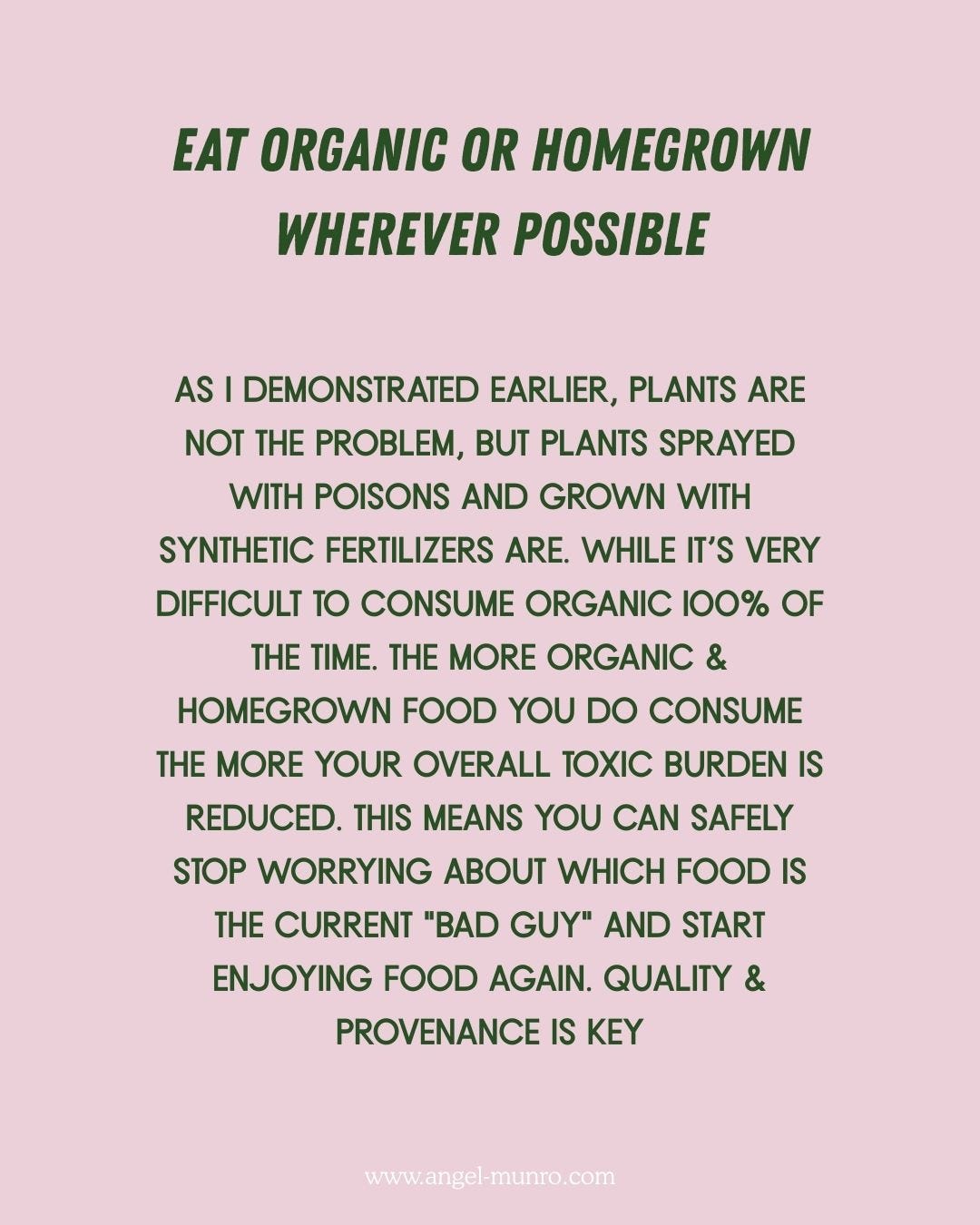
Eat organic or homegrown wherever possible
As I demonstrated earlier, plants are not the problem, but plants sprayed with poisons and grown with synthetic fertilizers are. While it’s very difficult to consume organic 100% of the time. The more organic & homegrown food you do consume the more your overall toxic burden is reduced. This means you can safely stop worrying about which food is the current “bad guy” and start enjoying food again. Quality & provenance is key.
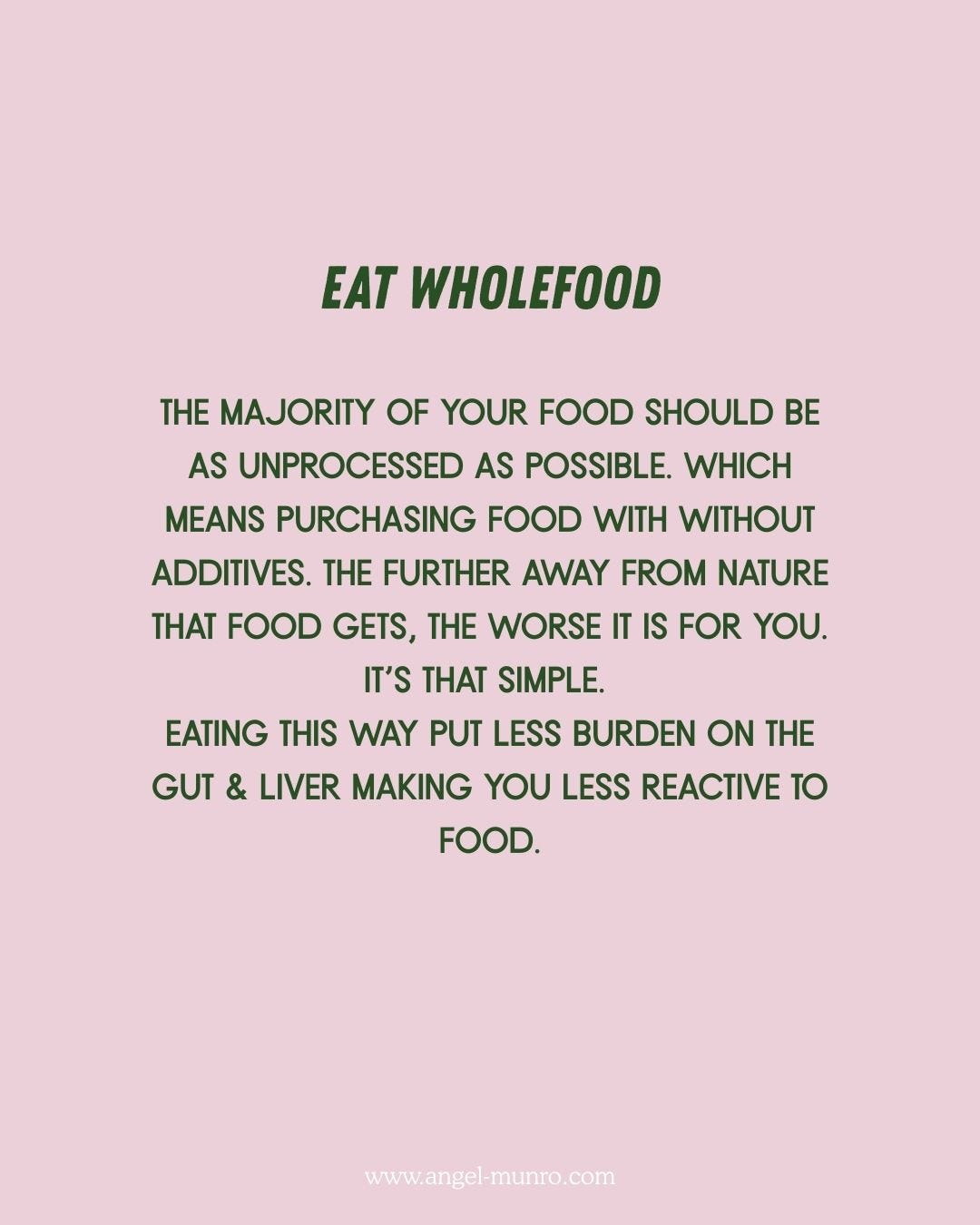
Eat Wholefood
The majority of your food should be as unprocessed as possible. Which means purchasing food with without additives. The further away from nature that food gets, the worse it is for you. It’s that simple.
Support my work https://buymeacoffee.com/angelmunro
Have a session with me www.angel-munro.com/services
References
Effects of Nitrogen Levels and Nitrate/Ammonium Ratios on Oxalate Concentrations of Different Forms in Edible Parts of Spinach | Request PDF. (2025). ResearchGate. https://doi.org/10.1080/01904160500311086
Ford, B., Bateman, L. A., Gutierrez-Palominos, L., Park, R., & Nomura, D. K. (2017). Mapping Proteome-wide Targets of Glyphosate in Mice. Cell Chemical Biology, 24(2), 133–140. https://doi.org/10.1016/j.chembiol.2016.12.013
Mertens, M., Höss, S., Neumann, G., Afzal, J., & Reichenbecher, W. (2018). Glyphosate, a chelating agent—Relevant for ecological risk assessment? Environmental Science and Pollution Research, 25(6), 5298–5317. https://doi.org/10.1007/s11356-017-1080-1
Thiocyclam Hydrogen Oxalate Insecticide. (2025). POMAIS Agriculture. Retrieved October 29, 2025, from https://www.pomais.com/product/thiocyclam-hydrogenoxalate-50sp/
Wanders, R. J. A., Groothoff, J. W., Deesker, L. J., Salido, E., & Garrelfs, S. F. (2025). Human glyoxylate metabolism revisited: New insights pointing to multi‐organ involvement with implications for siRNA‐based therapies in primary hyperoxaluria. Journal of Inherited Metabolic Disease, 48(1), e12817. https://doi.org/10.1002/jimd.12817
Comments
Nothing yet. Say the first thing.
Sign in to join the conversation.