
Let’s talk about assessment blueprints.
I was privileged to be mentored by some brilliant educators as I came up in this field, and they’re on my mind almost daily anymore, as I partner with teachers and administrators getting NY Inspired. They taught me how to design assessment blueprints. During Race to the Top, those blueprints ensured that kids in the systems I worked in weren’t subjected to those dreaded pre/post tests that were layered upon standardized tests that were used to evaluate teachers for a stretch. We designed performance based assessments instead, and because the blueprints illustrated deliberate alignment to the educational testing standards, our state approved their use.
I’ve written previously about my experiences serving NYS PLAN Pilot schools who earned regulatory flexibility last year—schools that put seniors on performance-based pathways this year, saw significant improvements in Regents performance from June 2025 to January 2026, and graduated more students at the start of this summer. These students also came to school more often because they were committed to project and performance based learning.
I’ve often mentioned that our PBLAs were more rigorous than the Regents examinations, and I’m comfortable doing that because we blueprinted the assessments.
In other words, we were very intentional about their design, situating our blueprinting inside of a far greater context and using a design thinking approach to improve our work over time. It’s looked a bit like this:
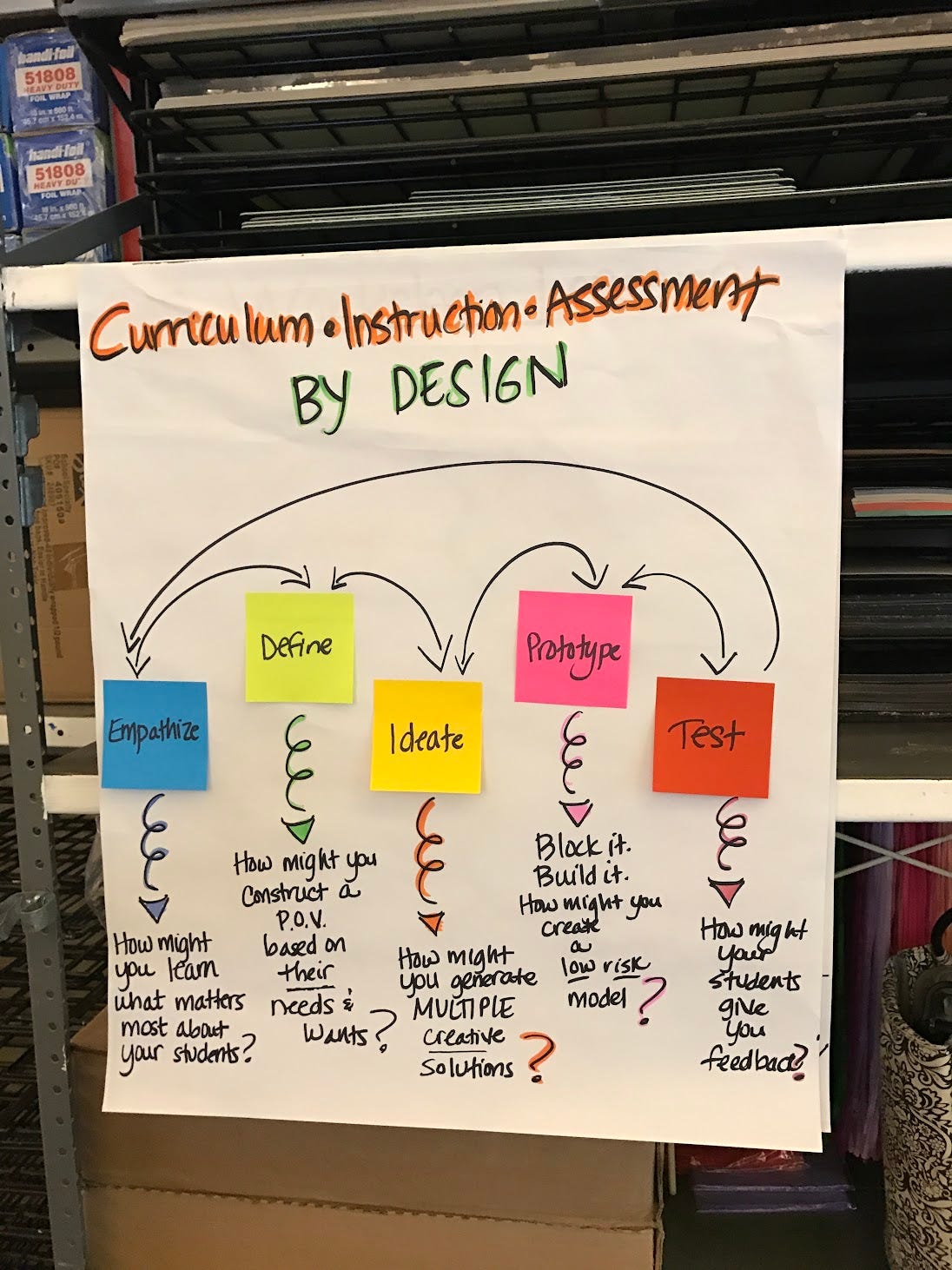
And if that speaks to your soul, you might want to brace yourself for a bit of whiplash before you take in my next paragraph.
When we study trends in Regents data over time, we understand that the enduring concepts, skills, content, and depth of knowledge demanded by these tests are worth protecting. For instance, I’m thinking we are still quite interested in ensuring that kids who graduate from our schools know how to use evidence to support a claim. We likely want them to be able to understand how the structure of a text influences how its message is carried or received. We’d just like them to be able to do these things as they produce actual things for actual people who might actually appreciate them out there in the world beyond school. We’d like to test and evaluate less in order to assess and invite learners to tinker, play, revise, and improve their learning and work more. It’s no small wonder that when we’ve done this in my small world, test scores tend to improve. Makes sense.
It’s more important to me that learners grow into discerning, capable, and curious adults who do good things for all of the right reasons in this world. The test is one measure that helps us get a sense of what they know and are able to do. Performance and project based learning challenges them to actually do it.
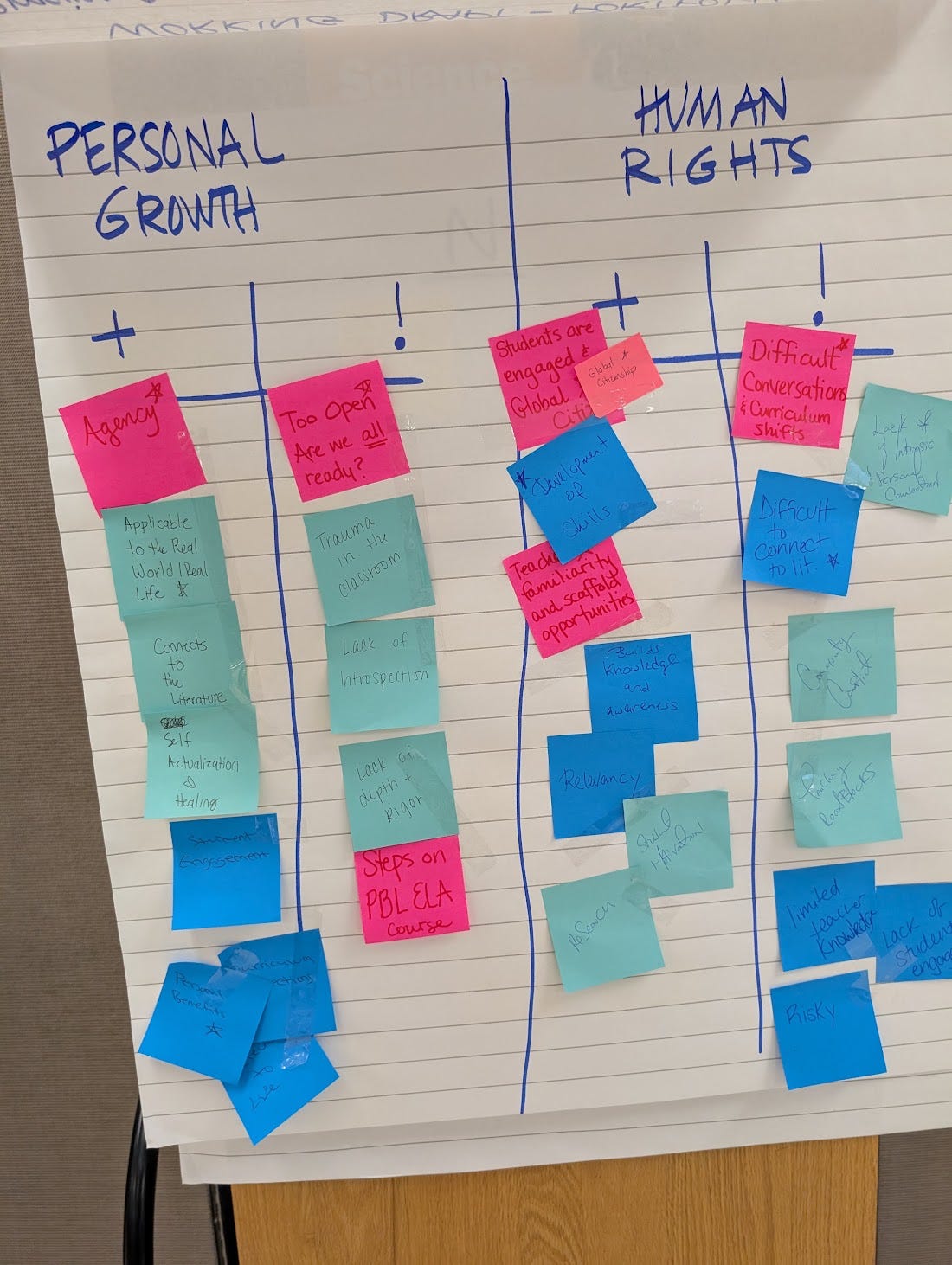
When I consider the spirit and intention driving NY Inspires, the possibilities are endless. And colleagues who knew me during my first year of teaching likely understand how excited I am about all of this. I’ve been a proponent of performance based assessment for the whole of my career, fought many battles to protect its use in my own classroom, and sat with many skeptics who reminded me that if I didn’t take care, I’d do more harm than good. So, I learned how to take care. Blueprinting is a part of that process.
And while I’m not friends with many cynics, hopeful skeptics are some of the best. The ones sounding this particular alarm about NY Inspires are worth listening to, because they’re right: The performance and project based assessments we’re constructing right now need to be as reliable and valid as we can possibly make them, if we’re to protect equity.
The APA Standards for Educational and Psychological Testing describe validation as ongoing work that’s never truly finished. Validity isn’t a trophy you win once, but an argument you build from evidence and continue defending. Blueprints enable us to reach agreements about what counts and how. They force us to take deliberate steps in order to strengthen the reliability and validity of the assessments we’re creating so that they can assume a meaningful place in a balanced assessment system.
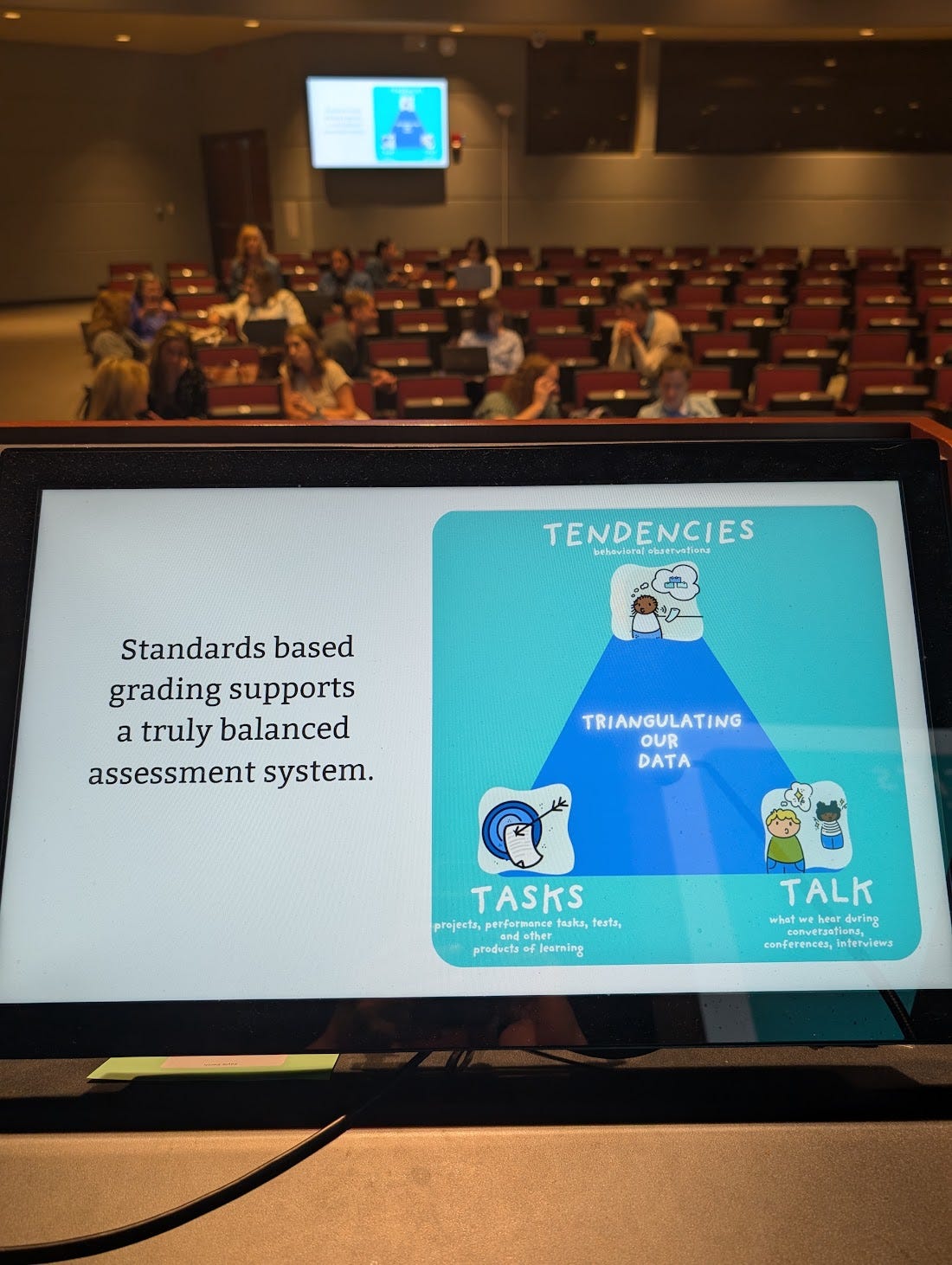
An assessment blueprint is a table of specifications that maps the competencies we intend to assess to the performances that elicit them, the criteria that score them, and what each result actually allows us to claim about a learner. I know that sounds tedious and boring and quite a few people are suggesting we just don’t need to trouble ourselves with any of that right about now. But when our success criteria are vague and our judgment drifts, it’s the learners who live on the margins who will be hurt most and first. A blueprint is one of the few tools we have that protects those children before the scoring ever begins.
When I think about the risks we’re facing when as we pursue the vision of NY Inspires, this is where my heart and head go first. A blueprint is one way to move with careful intention. It’s how we refuse to leave reliability and validity to chance in work this deeply consequential. Perfection isn’t possible here, and we will never fully arrive perhaps, but we can lift both by designing for both. On purpose.
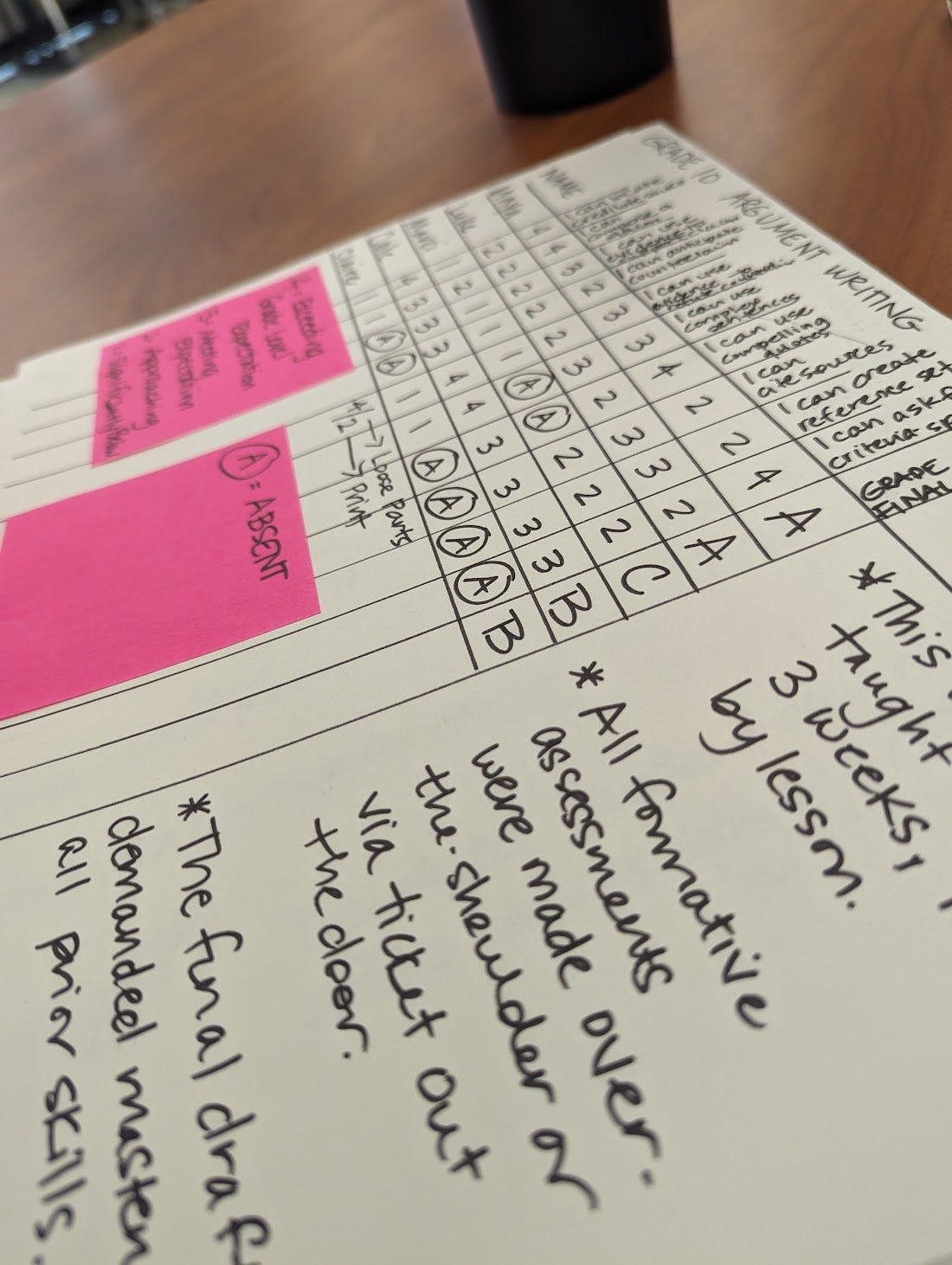
If you’re facilitating this work in your own context right now and you’d like to talk more, I’ve left an invitation for my paid subscribers after the jump. I’m glad to talk specifics and walk you through the process I’ve always used to blueprint performance based assessments. NYSED has consistently approved the work that emerges from these efforts over the years, and more importantly, that work has illuminated a level of alignment that better ensures what we’re inviting learners to do is worthy work that invites authentic, playful, and very hard fun while also protecting equity.
We’re responsible here.
Comments
Nothing yet. Say the first thing.
Sign in to join the conversation.