
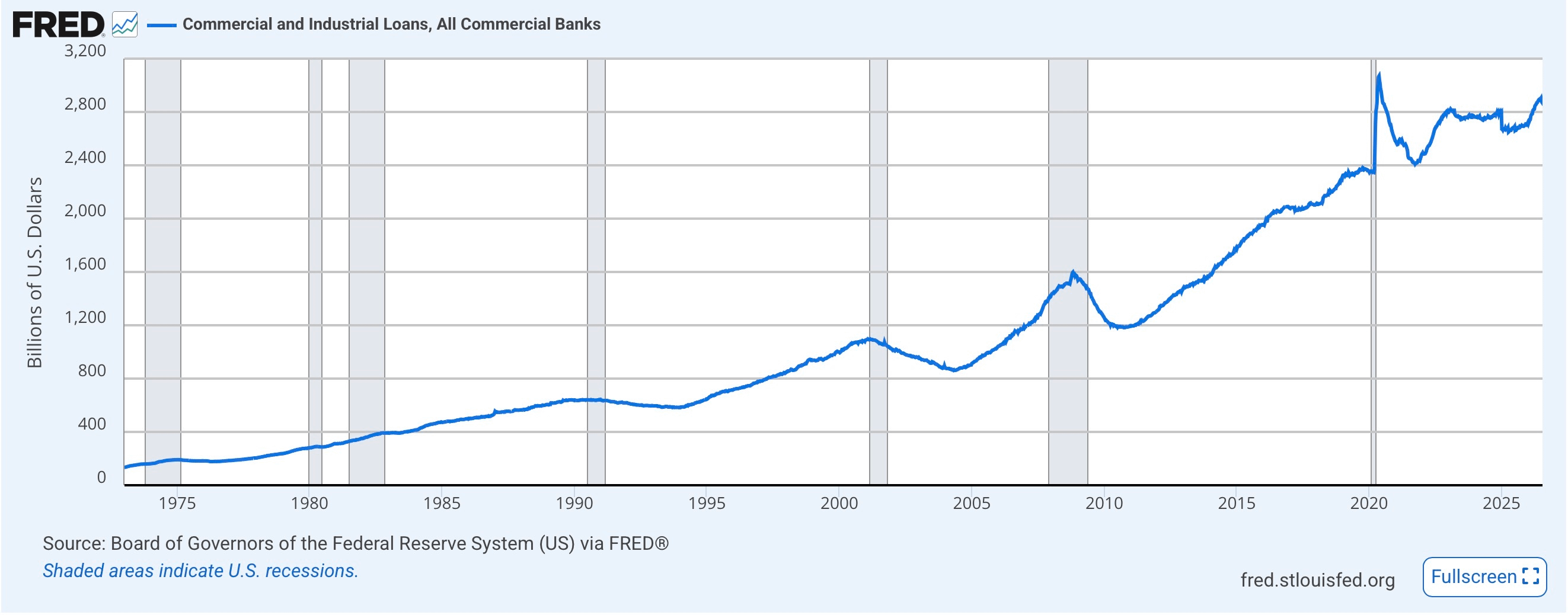
Debt is a relation that must be tended to by two parties. For one it is an asset, and for the other a liability.1 The rate of interest is the numeric expression of this relation.
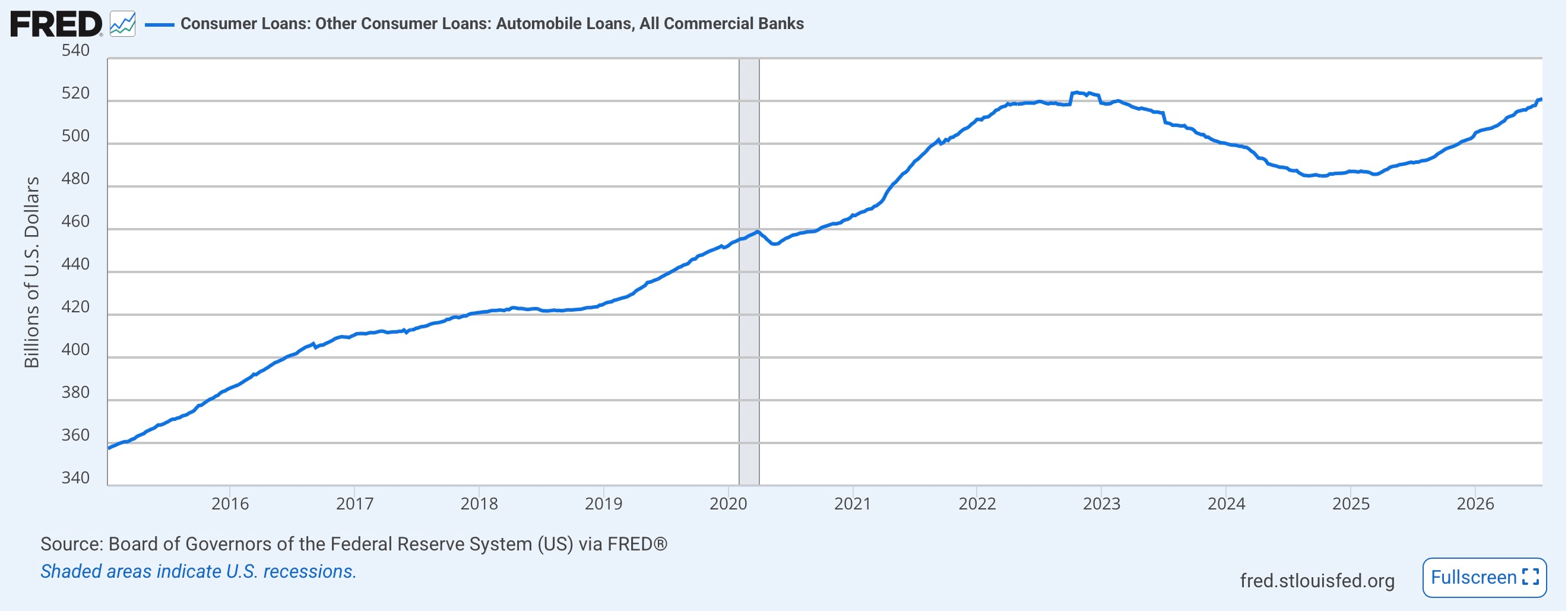
Today, everything is debt: your home, car, education, money itself2… and now your face. Interest-ing.
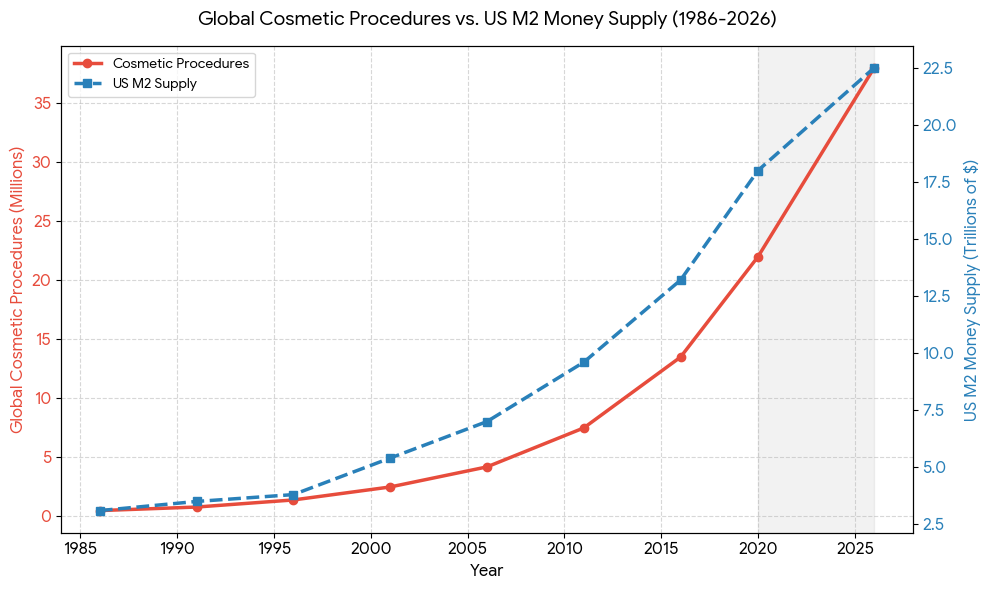
Here’s a chart looking at global cosmetic procedures vs US M2 money supply over the last 40 years.
By the Numbers:
Both datasets demonstrate an explicit multi-decade exponential trend, heavily punctuated by the unprecedented liquidity injections seen during the 2020–2021 global pandemic response.
The 1986–2008 Base Phase: In 1986, the US M2 money supply sat at roughly $2.7 Trillion. Global cosmetic procedures were relatively low, localized to elite populations, and relied on highly invasive surgical methods. By the 2008 Financial Crisis, M2 had grown to $7.8 Trillion, and aesthetic medicine expanded significantly due to the introduction of Botox (FDA approved in 2002) and dermal fillers
The 2009–2019 Institutional Growth: The International Society of Aesthetic Plastic Surgery (ISAPS) began standardized global tracking in 2009, recording roughly 15–18 million total procedures. Money supply during this period expanded via Quantitative Easing (QE) programs up to $15.3 Trillion by late 2019, matching a steady step-up to nearly 25 million annual cosmetic procedures
The Post-2020 Paradigm Shift: The US Federal Reserve increased M2 by an astonishing 41% in 2.5 years, hitting historic highs. Parallel to this explosion in consumer cash and asset inflation, global aesthetic procedures surged by over 42.5% from 2020 levels, topping 37.8 million total procedures annually3
Minimally invasive ‘Tweakments’ like fillers, advanced surgical procedures, collagen production inducing products such as Galderma’s Sculptra®, or even the injection of fragments of Salmon sperm DNA (called polynucleotides)4 have resulted in younger and younger people altering their faces and bodies towards high and tight homogeneity.
Tweakments for Tik Tok. Fillers for followers. Social media has become not just an echo chamber, but a physical filter of the face. Starting young — preempting every potential wrinkle and frown — means injections for life just to maintain appearance.
Ozempic has helped drive this paradigmatic proliferation of plastic too. GLP1’s vacuum out fat quickly, leaving faces sagging and gaunt. Just fill ‘em up so you can look like a little Cherub’s butt. Forever.

And lastly, in a poetic twist of facial fate, political extremism is proving to be the penultimate motivation of maxillofacial malleability: MAGA and Iranian women are converging into cutaneous conformity.5


Interestingly, the ideological journey towards extremism often begins with a desire for differentiation and ends in monolithic monotony.
So what? Does all of this spell dermatologic debt doom?
It means that the face of the global economy must continue to reflate — puffier and puffier via continuous injections of liquidity. Capital and collagen have become co-terminus.
Because when everything is debt - appearances are all we have.
Have a great week,
-Andy
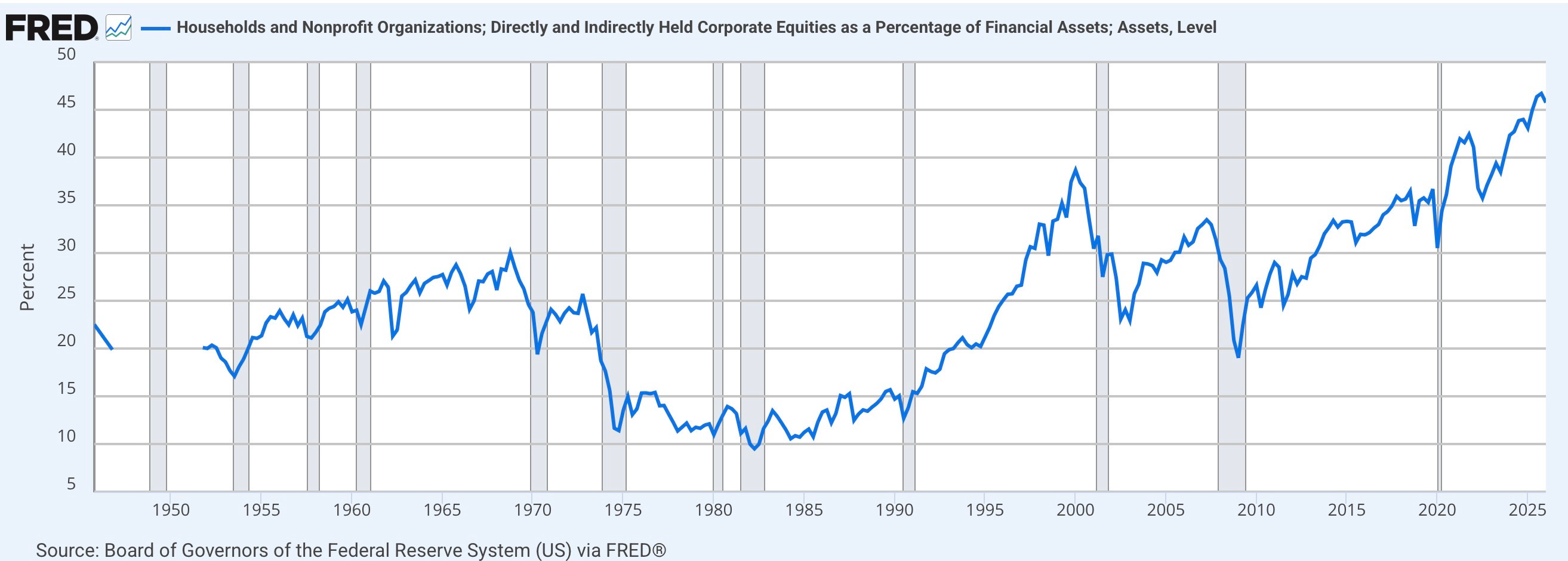
ICYMI - here’s our weekly portfolio and market snapshot:
This is a mantra of Ray Dalio.
Jason Perz, Oil Wants Revenge, Against All Odds Research Substack Post, July 24, 2026. In my own summary - what ‘money is debt’ means is that we are currently on a fiat currency system where a unit of money is a promise to pay… essentially a symbol of trust.
This ‘By the Numbers’ section was mostly written by Google’s AI summary tool. Edited by me.
Hannah Coates, Why Polynucleotides are the New Botox, Financial Times, March 14, 2025
This thesis was inspired by two articles in the Financial Times separated by a year but teleologically together: How the MAGA Beauty Look Swept America by Elisa Lipsky-Karasz, March 17, 2025 and Tsunami of Cosmetic Surgery Changes the Face of Iran by Bita Ghaffari from February 15, 2024.
No posts
Comments
Nothing yet. Say the first thing.
Sign in to join the conversation.