
Today’s Newsletter Includes:
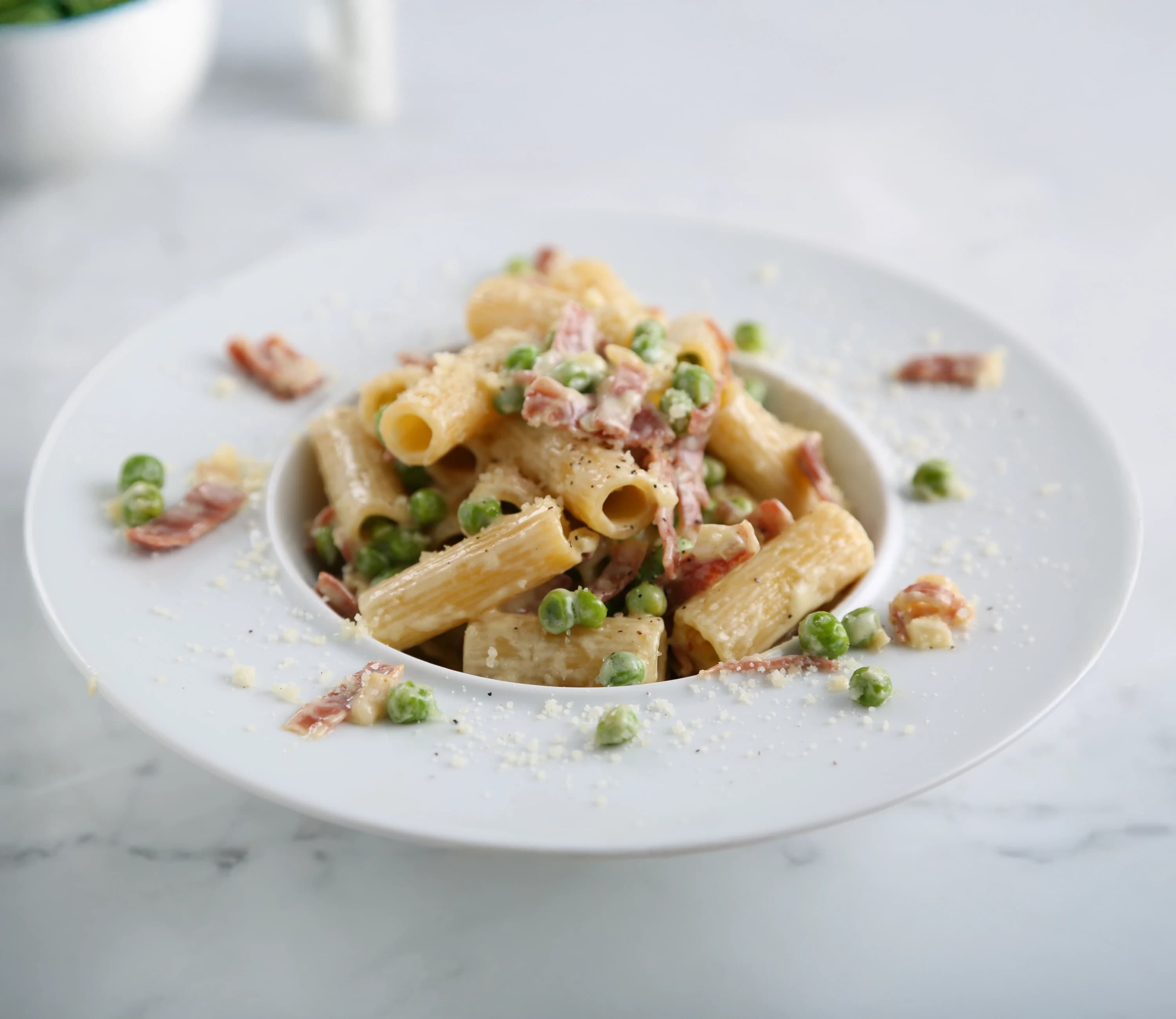
Why I’ll happily cook someone else’s food, but I draw the line at calling rigatoni with cream and peas “carbonara.”
What a sweet potato biryani wrap taught me about food names, history and doing five minutes of homework.
Why I think you should borrow, riff and mess around in the kitchen as much as you want, just give credit where credit is due.
Cultural Appropriation and Food: Where Is the Line?
I cook food from cultures other than my own all the time. I have built much of my life around doing exactly that. I travel, eat, ask questions, cook at home, cook professionally, cook some more, tell stories and I don’t believe recipes should be fenced off according to ancestry, nationality or birthplace. That would be ridiculous and it would make the food world a much poorer place.
But there is a difference between cooking another culture’s food and stealing it. I saw a post last year on the IG account @thathungrychef exploring this issue, including the following notion from the food writer Mallika Basu who put it perfectly: “…if you cook from another culture, commercialize it, present it without respect or credit, that’s appropriation.” That seems like a simple and easy rule to live by.

That distinction matters because the argument about cultural appropriation and food has become so overheated that people sometimes avoid it altogether. And I’m seeing a lot more of that in the last 12 to 14 months than ever before. One side sees appropriation lurking behind every taco made by someone not born in Mexico. The other rolls their eyes and says, “food has always crossed borders, so who cares?”
I care. And I think we have been arguing about the wrong thing.
The issue isn’t whether you are “allowed” to cook someone else’s food. Of course you are. The question is what you do with it once you have it.
Did you learn where the dish came from? Do you know what its name means? Do you understand the technique that defines it? Who traditionally cooks it? Is it everyday food, ceremonial food, street food, restaurant food? Did migration change it? Colonialism? Religion? Geography? Scarcity? Conflict or crisis? Are you presenting your version as an adaptation, or pretending you invented something people have been eating for 900 years?
Those aren’t academic details suitable only for professionals. They are the difference between appreciation and erasure.
Comments
Nothing yet. Say the first thing.
Sign in to join the conversation.