
What makes a city “hot”?
Personally, I like to think a city’s reputation is like a stock. You might buy, sell or short it, but to most travel professionals a hot city means a rising one that suddenly, and seemingly out of nowhere, has become desirable and in demand.
The ingredients? A mix of affordability, authenticity, creativity, optimism and civic ambition. And often a quirky feature that makes it unique.
Now, Detroit is the latest town to strut down the red carpet. It’s got great press (see the New York Times, Travel + Leisure and Wallpaper magazine), rising tourism numbers, retro skyscrapers and Dan Gilbert, its local boy-turned-billionaire just announced plans to completely transform the Motor City’s riverfront. The price tag: more than $1 billion.
But heat flits. Rizz’ll fizzle. Ask Seattle, Nashville and Austin.
Here’s the next question: If Motown’s the destination-of-the-moment, where might travelers be heading a few years from now?
I don’t know if I’m smart money, but I have a few hunches. And there is one I’m rooting for.
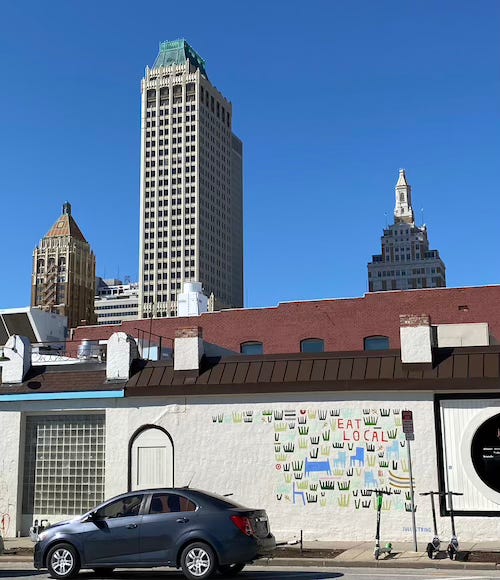
Tulsa.
You heard me. Tulsa. Oklahoma.
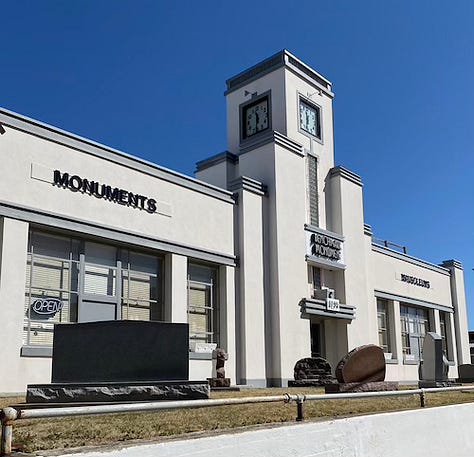
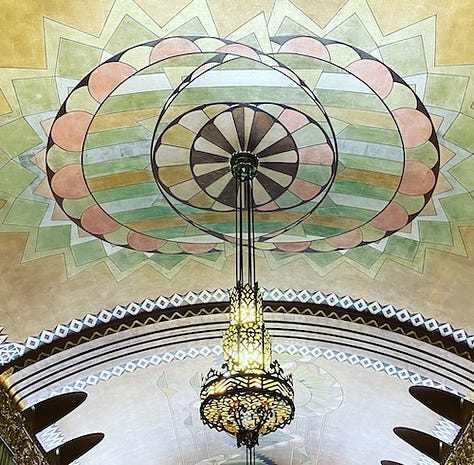
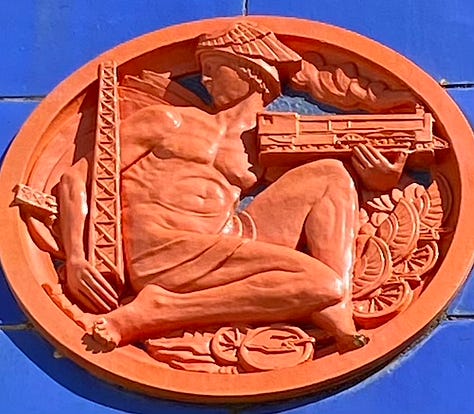
There have been portents. In December 2025 The Wall Street Journal listed Tulsa as one of the world’s top 10 global travel destinations and an April 2026 article reiterated its cultural allure. Evidence keeps accumulating. In 2025 tourism shot through the roof—with a total of some 10 million visits recorded that year according to the Journal-Record. New York University opened NYU Tulsa, offering undergraduate and graduate programs that use the city as a classroom for issues ranging from urban policy to the history and contemporary life of Oklahoma's 39 tribal nations. It, too, owns a treasure trove of 1920s skyscrapers. And it’s now a music heritage must-stop (keep reading).
When I visited Tulsa last year, I found a city with moxie, creativity and an unusual willingness to tackle problems.
Tulsa Remote is a good example of this.
Instead of shelling out tax breaks to lure companies to Tulsa, the city decided to recruit something more valuable: talent. Beginning in 2018 the new program began offering remote workers $10,000 to move to town. It was a simple idea. If people could work from anywhere why not work from Tulsa? And it worked.
More than 4,000 people have since relocated to Tulsa and injecting an estimated $878 million into the local economy. Even more impressive: after two years 80 percent stayed. An independent analysis by the W.E. Upjohn Institute found the economic benefits outweighed Tulsa Remote’s cost by four to one.
That strategy can build a future.
And here’s the thing: These days economic development and tourism rise together. What draws workers intrigues travelers, too. Tulsa’s arranging a city with something for them all.
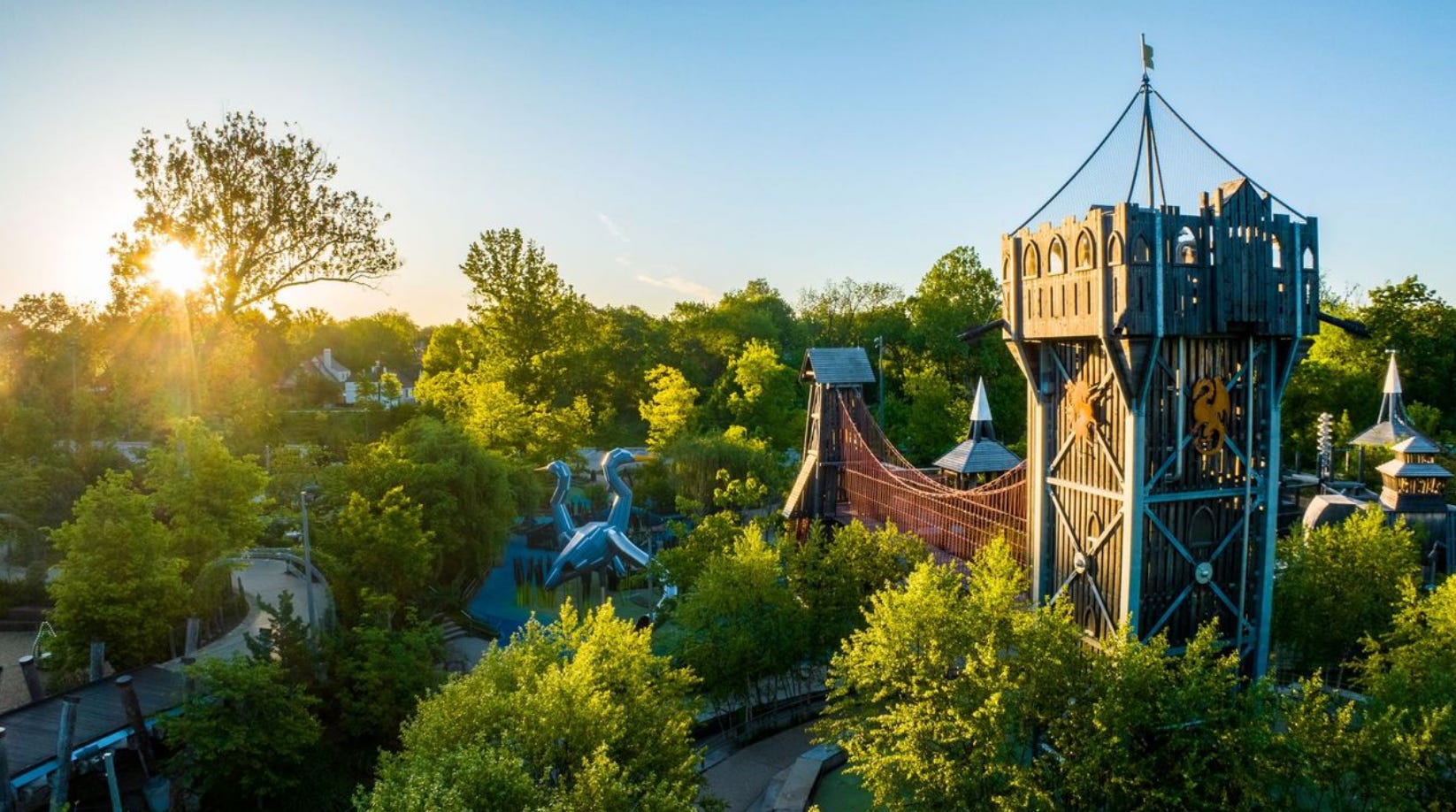
Gathering Place opened in 2018 and is an extraordinary 66.5-acre riverfront park along the Arkansas River. The George Kaiser Family Foundation and community supporters donated roughly $465 million, one of the largest private donations ever made to an American park. Designed by Michael Van Valkenburgh and Associates, Gathering Place knits together playgrounds, gardens, wetlands, cafes, performance lawns, public art and year-round programming to become Tulsa’s communal backyard.
Or, if you prefer, Disney World without an entrance fee.
The park is meticulously cared for by a non-profit conservancy with a level of devotion more akin to the grounds of an European palace rather than an American public park. Gathering Place also demonstrates an idea too many cities forget: public space isn't an expense. It's an investment in civic life and a promise to ordinary citizens.
Then there’s the fabled Route 66 - which runs 28 miles through town. Tulsa turned its stretch of the Mother Road into something akin to a linear museum. It restored old neon signs and installed new ones, some 90 in all. Visitors can follow a self-guided “Neon Sign Tour,” stop at whimsical roadside landmarks such as Buck Atom’s Cosmic Curios and if they want to understand the role transportation and the oil industry played in Tulsa’s development, drop by the Route 66 Historical Village.
And better yet, the road still tastes like Route 66.
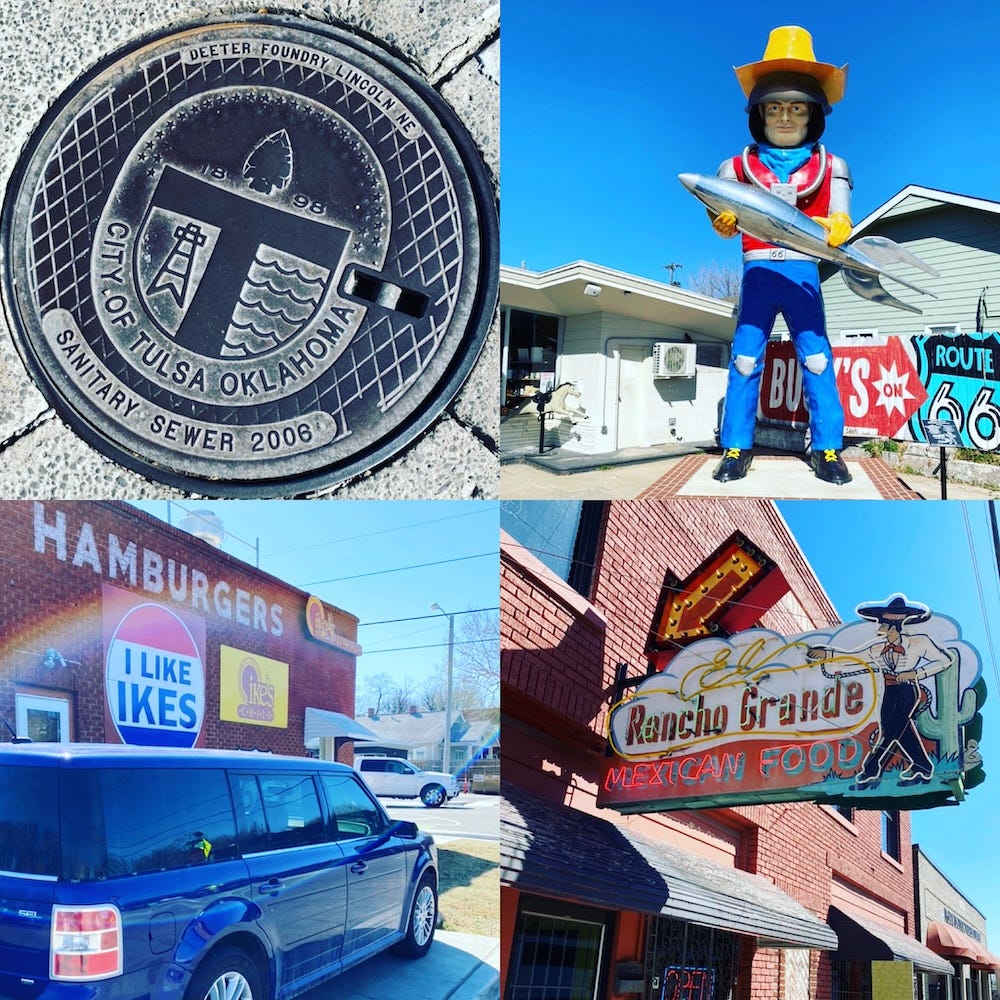
Hungry visitors can grab hamburgers at Arnold’s Old Fashioned Hamburgers or Howdy Burger, dive into chicken-fried steak at Tally’s Good Food Café, or sample a bowl at Ike’s Chili. Or pig out at the Mother Road Market, a busy food hall and culinary incubator where next-generation chefs are busy cooking up new dishes.
Tulsa also understood something else, too. Real cultural attractions forge deeper bonds with travelers than Instagram posts.
Tulsa had already developed its own soundtrack. The Tulsa Sound emerged in the late 1950s, blending blues, country, rockabilly, jazz and gospel into a distinct genre championed by J.J. Cale, Leon Russell and others. The city transformed that musical legacy into something lasting.
In 2012 the city turned a downtown industrial site into Guthrie Green, a 2.6-acre downtown park named for an Oklahoma native son, the folk singer Woody Guthrie (1912-1967). For Tulsa, it became an outdoor living room where free events, farmers markets and music festivals could anchor an emerging Arts District.
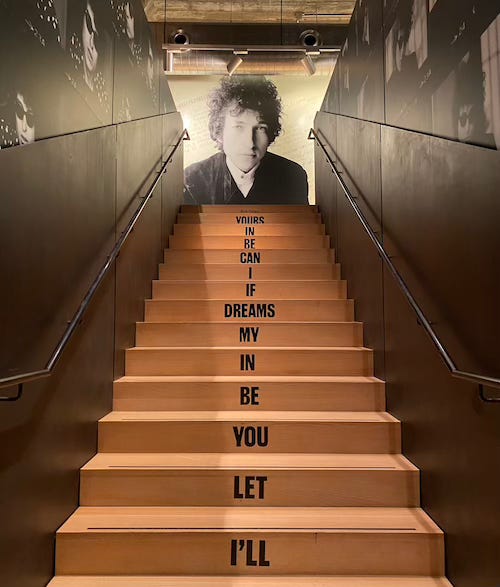
Opened in 2013 and facing Guthrie Green, the Woody Guthrie Center preserves the folk singer’s handwritten lyrics, journals, guitars and thousands of archival materials documenting his life and the social movements he inspired. Next door, the Bob Dylan Center (opened 2022) houses more than 100,000 artifacts—from notebooks and manuscripts to unreleased recordings and films. Tulsa is now an unexpected pilgrimage site for musicians, scholars and fans of both singers from around the world. Together they do something few cities have managed: turn music from entertainment into history, scholarship and civic identity. They’re permanent cultural institutions that give Tulsa a reason to be visited—and revisited.
Rumors circulate that Tulsa is recruiting other musicians’ archives to join this pantheon. Who might it be? Johnny Cash? Linda Ronstadt? Bruce Springsteen? The names produce only enigmatic smiles.
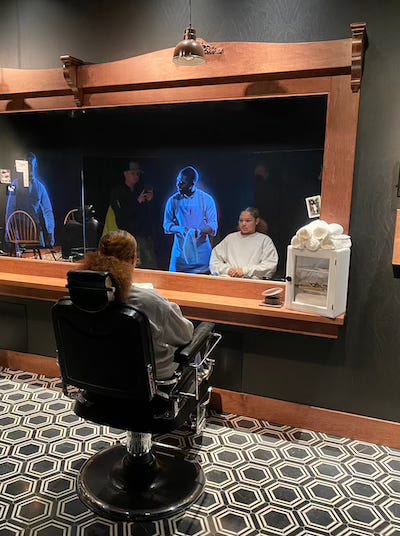
Tulsa also chose to confront and share some darker chapters of its history rather than bury them. In the Greenwood District, once celebrated as the "Black Wall Street,” the 1921 Tulsa Race Massacre decimated one of the nation’s most prosperous Black communities, killing up to 300 people and leaving thousands homeless. Today, the museum Greenwood Rising uses immersive exhibits, oral histories, and archival materials to tell that story with unflinching honesty.
One particularly striking display uses a clever blend of AI and holographic effects to place you in a Greenwood barbershop in 1921. Between snips of their scissors, the barbers talk about their everyday hopes and dreams—a future cut short when the violence began. You walk through the rest of the museum feeling their loss.
It is not a comforting experience, but Greenwood Rising isn’t remembering a tragedy from 1921. It’s asking a community what remembrance, justice and renewal should look like.
Those questions are worth asking. Museums may preserve the stories, but it’s barbershops and neighborhoods that keep conversations alive.
If the Guthrie and Dylan archives established Tulsa as an unexpected music capital and Greenwood Rising confronted a terrible chapter in the city’s history, the 2027 reopening of the Gilcrease Museum might make Tulsa an important place for understanding the American story itself.
Thomas Gilcrease (1890-1962) was an oilman, art collector and citizen of the Muscogee (Creek) Nation. He struck it rich from oil discovered beneath his allotted Creek land. Rather than spend his fortune on European masterpieces like some New York swell, Gilcrease chose a different goal: to assemble the finest collection he could of the peoples, art and history of the Americas.
He founded the museum in 1949 beside his own sandstone home. It quickly grew into “a Smithsonian of the American West,” encompassing paintings, sculptures, rare books, maps, manuscripts, and Native American artifacts. Financial troubles nearly forced Gilcrease to sell the collection in the early days, but local voters stepped in, approving a bond issue that kept it intact and permanently in Tulsa.
Now comes its most ambitious chapter yet.
After a five-year closure, the Gilcrease is scheduled to reopen in 2027 in an entirely new building designed around its extraordinary collection. Visitors will walk through displays organized from a collection of more than 300,000 works and artifacts, representing hundreds of indigenous cultures across the Americas.
For both visitors and residents, these institutions illustrate a city interested in permanent cultural capital rather than a two-day pop-a-palooza or another round of margaritas for a bachelorette party.
Successful cities don't collect visitors. They build reasons to return.
But there’s a catch. You knew there would be.
Success can give, but it also takes. It’s a familiar pattern. Artists and entrepreneurs discover an affordable, distinctive city. Visitors follow. Hotels rise. As do rents. Apartments fill up. Then come the pedal pubs, party buses and social influencers. Neighborhoods become backdrops. Local businesses become attractions. Logos get larger.
What felt like an authentic town becomes a brand.
There are cautionary tales. Nashville still has talented musicians and resonant neighborhoods, but many longtime residents argue the Music City increasingly presents a caricature of itself to visitors. Austin, meanwhile is no longer weird. It’s grown predictable. Seattle? It went from sleepless to homeless when the tech bros boomed, real estate prices skyrocketed and a lot of locals got shut out of the party.
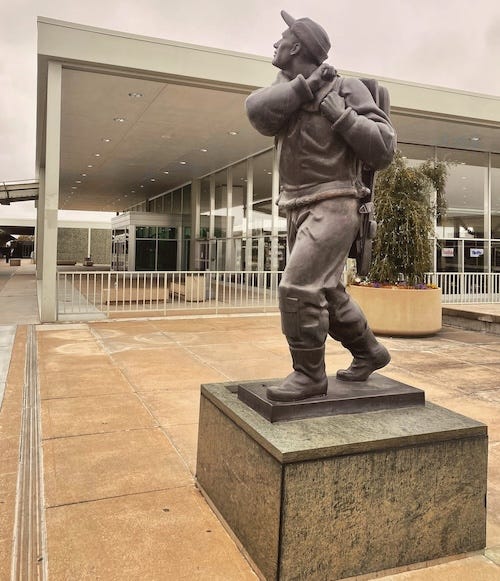
So if Tulsa heats up, it’s going to have to make some decisions.
Can it welcome newcomers without losing the qualities that attracted them? Can it remain affordable while encouraging investment? Can it grow but still stay true to itself?
I’m rooting for them.
Cities don’t suddenly blaze brightly to life. Usually they begin to oscillate and hum, sending up sparks a few years before the traveling world notices.
Maybe in a few years we’ll all discover we’re living on Tulsa Time.
Other American towns worth the trip:
Spokane - Stands strong after the fires.
Madison - Decency defined. And great deviled eggs.
Cleveland - They never fussed with it. It’s the reason to go.
Field Notes:
Touring Route 66. Tulsa’s 28-miles stretch of the Mother Road shows off restored neon signs, vintage motels, diners and other roadside attractions. Download the city’s Route 66 map before you set out. Directions: Begin at the eastern Route 66 Gateway and follow 11th Street and Southwest Boulevard. Tele: Tulsa Visitor Information: (918) 585-1201
Mother Road Market. Part food hall, part culinary incubator, Mother Road Market showcases Oklahoma chefs and food entrepreneurs. Whether you’re craving barbecue, ramen, tacos or pastries, it’s a one-stop intro to Tulsa’s evolving food scene. Address: 1124 S. Lewis Ave. Tele: (918) 895-7998.
Gathering Place. One of the newest and most successful urban parks built in America this century. Built along the Arkansas River it sports imaginative playgrounds, gardens, lakes, cafés and miles of walking trails—all free. Address: 2650 S. John Williams Way E; Tele: (918) 779-1000.
Woody Guthrie Center & Bob Dylan Center The city’s two music museums sit side by side, making it easy to explore them together. The Woody Guthrie Center celebrates Oklahoma’s folk troubadour. Address: 102 E. Reconciliation Way; Tele: (918) 574-2710. Next door the Bob Dylan Center houses more than 100,000 manuscripts, recordings, films and artifacts from America’s best singer songwriter. Address: 116 E. Reconciliation Way; Tele: (918) 392-3483.
Greenwood Rising. Through immersive exhibits, oral histories and innovative multimedia, the museum tells the story of Black Wall Street, the 1921 Tulsa Race Massacre and the neighborhood resilience. Leave time afterward to walk Greenwood itself—the museum prepares you for what you’ll see outside its doors. Address: 23 N. Greenwood Ave.; Tele: (539) 867-3173.
Church Studio. Leon Russell transformed a local neighborhood church into a legendary recording studio. Today it’s a museum and still books musicians to record inspired by the remarkable performers who worked here. Address: 304 S. Trenton Ave.; Tele: (918)-894-2965.
Philbrook Museum of Art. The Italian Renaissance-style mansion of oilman Waite Phillips is now home to a collection of American, Native American and European art and 25-acres of Tuscan-inspired gardens. You’ll wander. Both outside and in. Address: 2727 S. Rockford Rd.; Tele: (918) 748-5300.
Gilcrease Museum. One of the nation’s premier collections of Western art, Native American history and artifacts spanning 12,000 years. Set on 460 acres overlooking Tulsa, it’s worth the trip as much for its setting as for its extraordinary collections. Check reopening dates before planning your visit. Address: 1400 N. Gilcrease Museum Rd.;Tele: (918) 596-2700.
Corrections: It’s Gathering Place, not the Gathering Place as was previously stated. Funds for its construction were supplied not just by George Kaiser Family Foundation donations but also by various community supporters.
A note on AI: I use AI like I might use a good research assistant and copy editor—if I could afford them—to chase down references and links, flag things worth checking, and find errors, grammatical mistakes and clumsy prose. I verify the facts and print corrections when wrong. The ideas, words, observations and opinions are my own.
###
No posts
Comments
Nothing yet. Say the first thing.
Sign in to join the conversation.