
Late last week numerous outlets - beginning with the New York Times - reported that Cameron Hamilton will be nominated as the first permanent FEMA Administrator of the 2nd Trump Administration. If you have a sense of deja vu, that is because Cameron Hamilton was the acting FEMA Administrator in the early months of the administration, before being unceremoniously dismissed by then-Secretary of DHS Kristi Noem and her special government employee (ahem) Cory Lewandowski.
There is plenty to read about Hamilton’s distinguished military and civilian career and his lack of emergency management experience. In short, he is a decorated combat veteran and medic who served in the special forces in multiple deployments, and later in the State Department. He then moved to DHS where he directed over 4,000 personnel as the Director of the Emergency Medical Services Division. He has also worked as a military contractor and mounted an unsuccessful campaign for Congress in 2024, losing in the Republican primary to Derick Anderson (who then lost to Eugene Vindman).
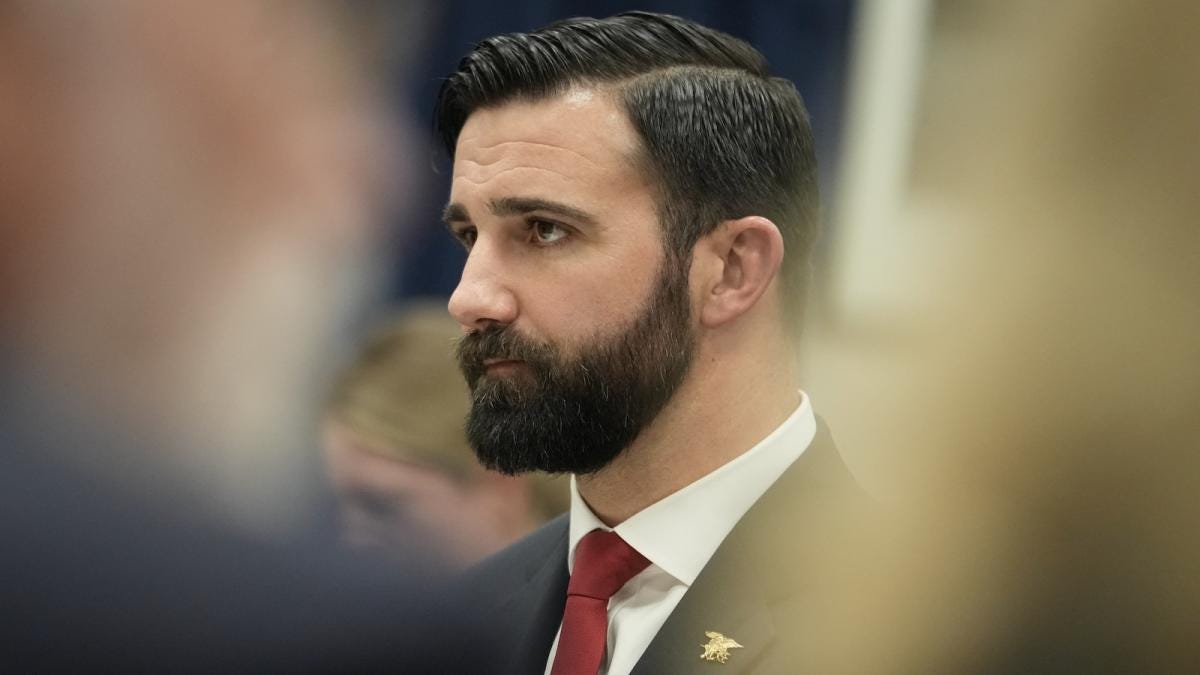
It is an open question whether Hamilton can be successfully confirmed by the U.S. Senate, but assuming he is (and I suspect he will be), here are my top three hopes and worries for Hamilton’s FEMA:
A return to normalcy. It is true that Hamilton does not have much experience in emergency management, unlike his immediate predecessors in the Biden, Trump, and Obama administrations. He does not have any prior experience as a state or local emergency manager and has never actively managed a federal disaster response or recovery like he would as Administrator. That being said, he does have significant management experience in the federal bureaucracy, including his time in DHS and State. That alone would be a breath of fresh air, given the tremendous upheaval at FEMA and DHS these past 16 months. It might not be ideal, but a steady hand in the Administrator’s office who is wise enough to surround himself with experienced lieutenants will be a welcome development.
A growing appreciation for FEMA. Hamilton came into FEMA as Acting Administrator having a past history of sharing misinformation about the agency. Early expectations from many observers was that he would work to dismantle the agency, in line with the wishes of DHS Secretary Noem and other voices on the conservative right. But then Hamilton did something unexpected; he put his head down and spent significant time in the field with actual FEMA staff. What followed were the events that led to his firing, most notably his testimony to Congress that destroying the agency was NOT in the best interest of the country, directly contradicting his superiors. Make no mistake, Hamilton is deeply conservative and seems committed to a reform agenda. But compared to the disappearing act performed by his successor, he seems actually committed to doing the work needed to understand how the agency works and what reforms might actually be needed.
An independent voice. Whatever you think of Hamilton’s politics and experience, I hope you would agree that he showed political courage as he stood up against attacks on FEMA, knowing that he would likely lose his job and damage his standing in certain Republican circles. Since leaving, he has continued to make clear-eyed critiques of how DHS policies have made FEMA’s work slower and less effective. All of this bodes well for leadership of an agency that is perpetually at-risk of being sidelined by DHS.
The battle against “DEI.” Hamilton’s social media history and his affiliation with the non-profit Feds for Freedom raise important questions about his views on so-called “DEI” initiatives. FEMA is an agency with an unusual number of workplace complaints about racism and sexism and some of the lowest levels of job satisfaction among federal employees - issues that the agency has been working to address over the last 2 administrations. And FEMA programs and policies have also been changed in recent years to make them fairer and more equitable, especially for highly vulnerable populations. These reforms have often been described using the language of DEI. Will Hamilton be able to separate the language he disagrees with from the real performance improvements that have been achieved under those policies? Or will he seek to roll them back indiscriminately?
A gap in experience. At the risk of directly contradicting my earlier hope, I do worry about Hamilton’s lack of emergency management experience. FEMA is in a bad place right now…issues ranging from severe budget cuts and staff reductions to the ongoing shutdown have devastated morale and hollowed out the institution. Last year’s hurricane season was unusually quiet, but the historic drought in the west (and hence fire risk) and the growing likelihood of a “super El Niño” in later 2026 could mean multiple, overlapping national crises. There are no shortage of experienced leaders in the emergency management world who align with the President’s political worldview. There is a good reason that Congress changed the law after Katrina to require that FEMA administrators have demonstrated experience in emergency management.
A lack of policy experience. I’ve written extensively about the many proposed reforms to FEMA this past year, from the still-awaited FEMA Review Council to the bi-partisan FEMA Act in Congress. On both sides of the aisle and around the country, emergency management reform is in the air. If the President is appointing someone without much emergency management experience, I am intrigued by the idea of someone who really knows FEMA policy and has strong working relationships in Congress. In a different universe you could imagine someone like Sam Graves, the sponsor of the FEMA Act and who recently announced his retirement from Congress, stepping into the role with a mandate for reform.
It remains to be seen whether Hamilton is formally nominated, whether he can survive confirmation, and whether any of these hopes or concerns play out in practice. I’ll keep you updated.
Comments
Nothing yet. Say the first thing.
Sign in to join the conversation.