
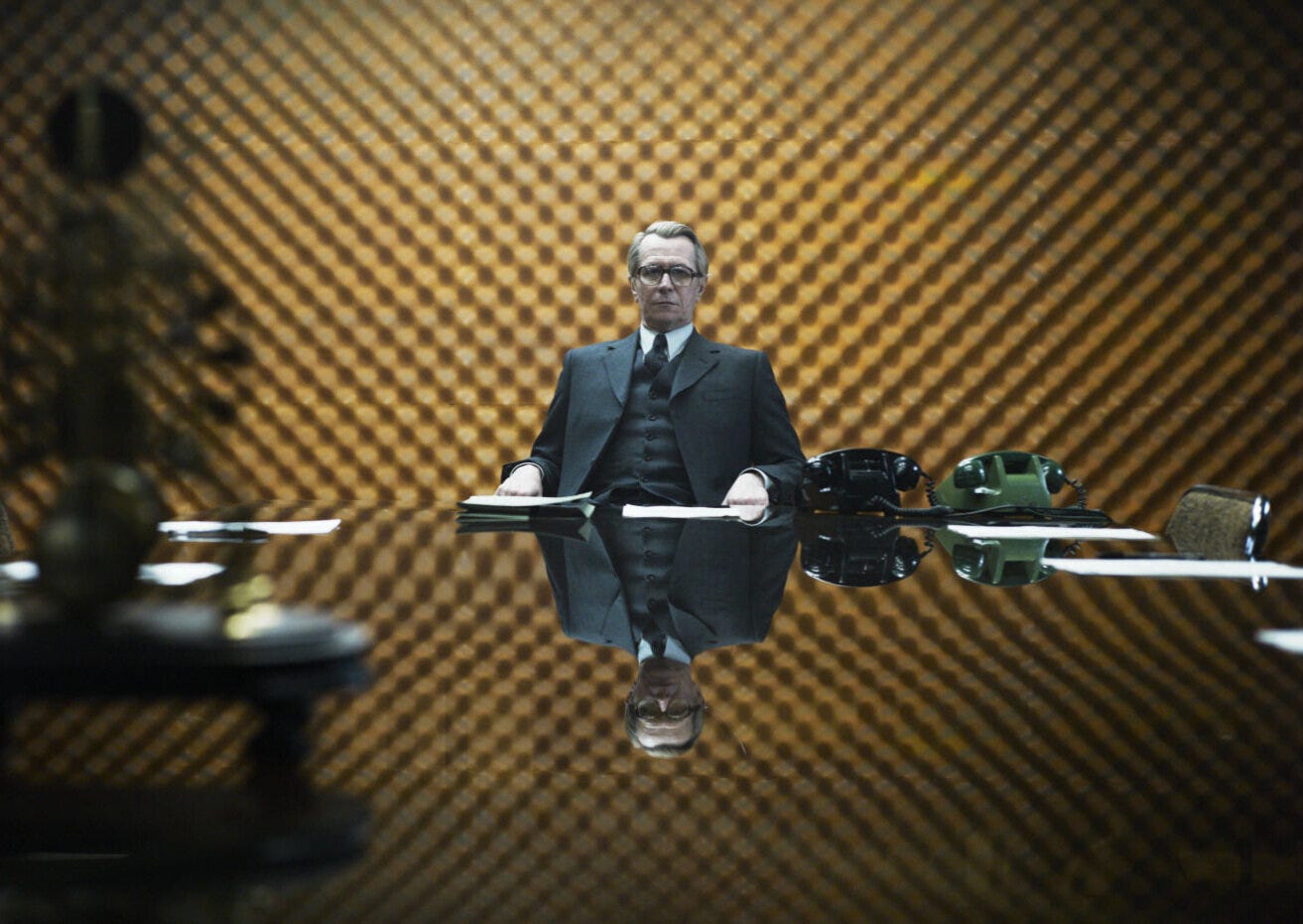
While I work on some new Substack material, please allow me to repost one of my older and most popular posts.
Over the Christmas/New Year period I read Karla’s Choice, Nick Harkaway’s take on the universe created by his late father, John le Carré. It was with some trepidation that I started it, I don’t mind saying, and about a third of way through I put the book down, unsure whether I would finish it.
The story is situated in the early 1960s, in immediate aftermath of the tragic events in The Spy Who Came in from the Cold and Tinker, Tailor, Soldier, Spy, the first in le Carré’s trilogy of George Smiley books. An assassin sent to London by Moscow to kill a Hungarian émigré literary agent, abandons his mission and defects to the British. Smiley, who has retired from the Circus after the death of Alec Leamas, is lured back into service to investigate the literary agent’s female secretary, another Hungarian émigré, who Control believes holds the key to the real identity of her employer, who has disappeared.
While I am not as big a fan of Karla’s Choice as many others are, I did like it. It introduces several new characters and fleshes out the nuance and backstory of some of the long standing players in le Carré’s Circus. There is a truly great chapter featuring the East German double agent Hans-Dieter Mundt, and we get a bit more insight into the mind of Smiley’s mostly absent wife, Anne. Indeed, the story is much more female focused in general, which has understandably been welcomed by many. The real revelation in the book, however, is Smiley. Largely depicted as a deskbound and intensely cerebral character, in this book he is depicted deeply involved in a very complex and dangerous field operation. I have to say, I didn’t know Smiley had it in him.
The book certainly works as a spy novel. In terms of style, I felt it was a sort of a turbo charged le Carré. The original novels, for me, are deceptive in nature. They have a rather detailed and sometimes dense prose style, but this also hides a lot. It feels like you have to read each book two or three times to really get to the bottom of what is going on and, even then, you’re not picking up everything. Harkaway’s style, while in some respects an homage to his father’s, feels much more direct. And while I appreciate that many will feel differently, I quite like the mystery contained in le Carré’s world and don’t need it layed out and explained to me. And I think it would be a shame if Harkaway’s book is the start of a sort of Marvel Universe type treatment of le Carré’s characters, with each of them getting their own novel length outing (although, I suspect this is where things are headed).
But enough from me about the Harkaway book, if you really want to do a deep dive analysis, I suggest you check out this excellent episode on The le Carré Podcast. I am a recent convert but every episode I’ve listened to has been a masterclass of incisive, nuanced discussion about various aspects of le Carré’s work. It has even made me think about revisiting the longest and most complex of the books featuring Smiley, The Honourable Schoolboy. I just need to find a couple of spare weeks.
Anway, reading Karla’s Choice reignited my interest in things George Smiley. I re-read The Spy Who Came in from the Cold – for the third time, I think – and rewatched The Deadly Affair, the wonderful 1967 Sidney Lumet adaptation of le Carré’s first Smiley novel, Call for the Dead, published in 1967.
I also rewatched the 1979 BBC dramatisation of Tinker, Tailor, Soldier, Spy, and the 2011 film version. Watching both in quick succession got me thinking about my dream Tinker, Tailor, Soldier, Spy cast. Personal preference and familiarity with certain actors over others certainly came into my deliberations. There is also a degree to which the 1979 and 2011 outings are so different, and you are not comparing like with like. Both give different emphasis to certain characters in the story. The 2011 version also has far more leeway to give prominence to aspects of certain characters than seemed to be the case in 1979.
Anyway, my dream Tinker, Tailor, Soldier, Spy cast is as follows.
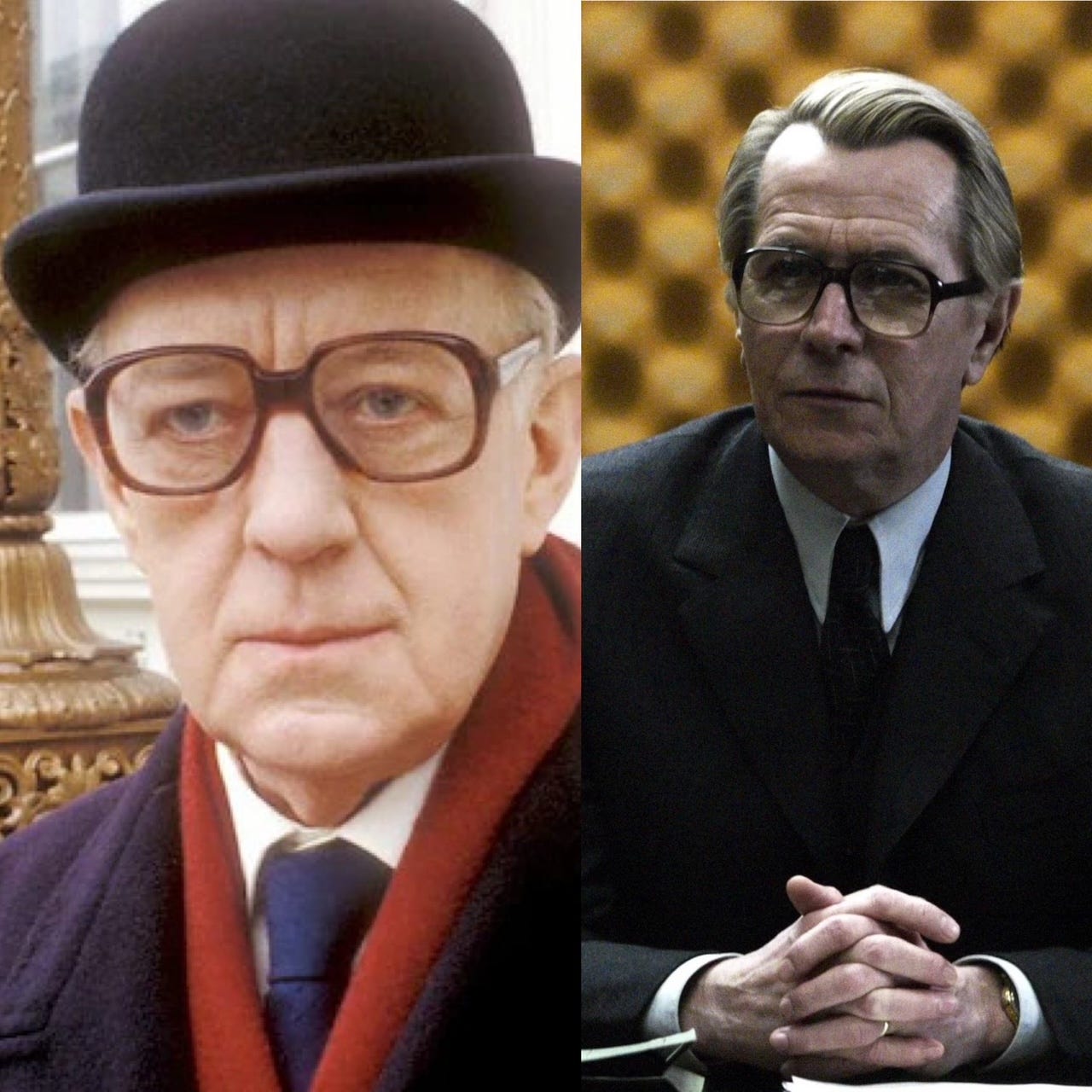
George Smiley
This was a surprisingly difficult choice, as both Alec Guinness and Gary Oldman are excellent as the slow, deliberate spy master that everyone seems to underestimate (and, yes, I realise they are not the only actors to play Smiley on the screen). The key question is, which actor do I associate with the character when I read Smiley on the page? For me, that’s Guinness. Guinness also nails the fastidious, almost prim nature of the man on the page.
My pick: Alec Guinness
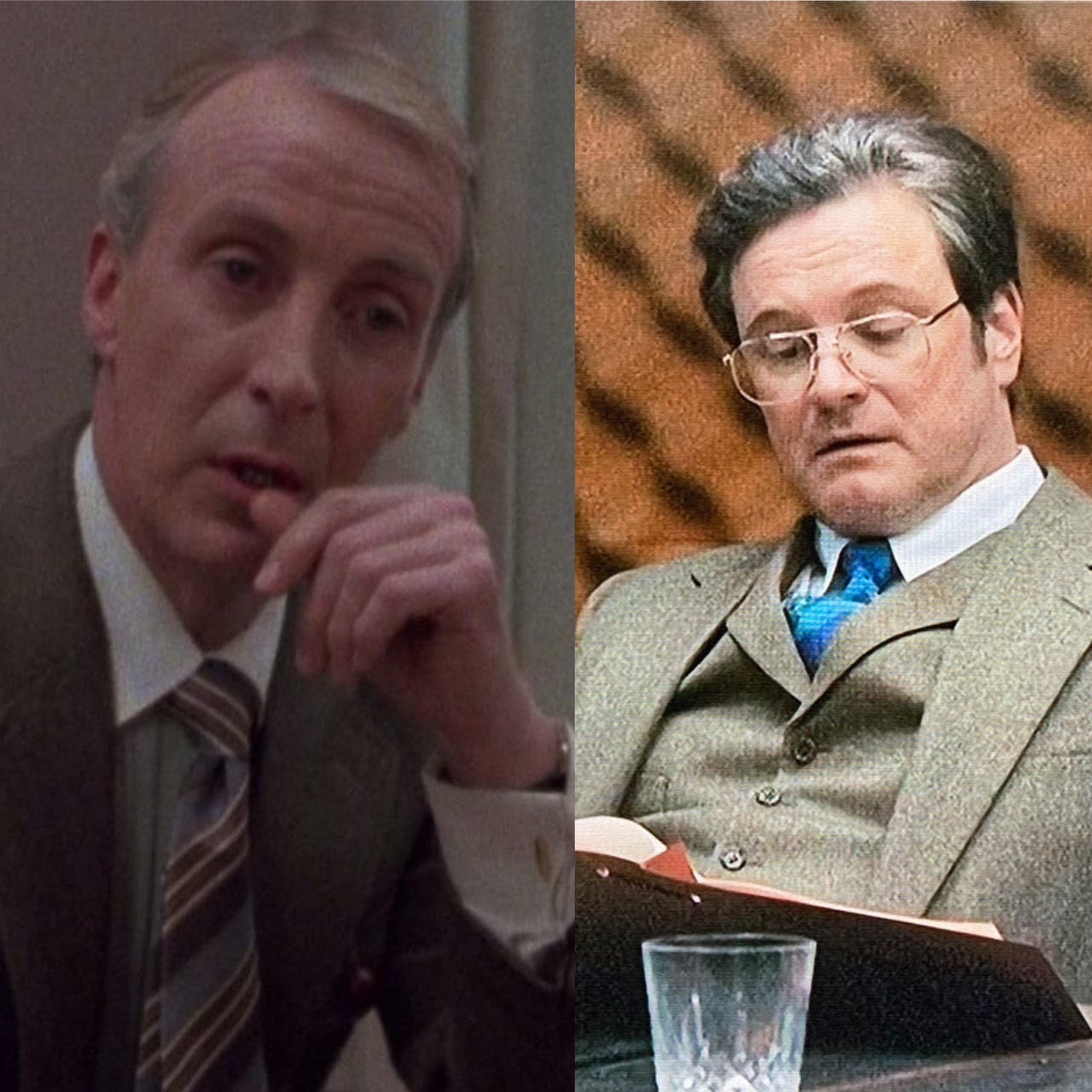
Bill Haydon
This is a no contest for me. Ian Richardson is good but Colin Firth in the 2011 film totally nails Haydon as the louche, wily pantsman whose flexible sexuality and talents at seduction are crucial to making him such an effective double agent.
My pick: Colin Firth
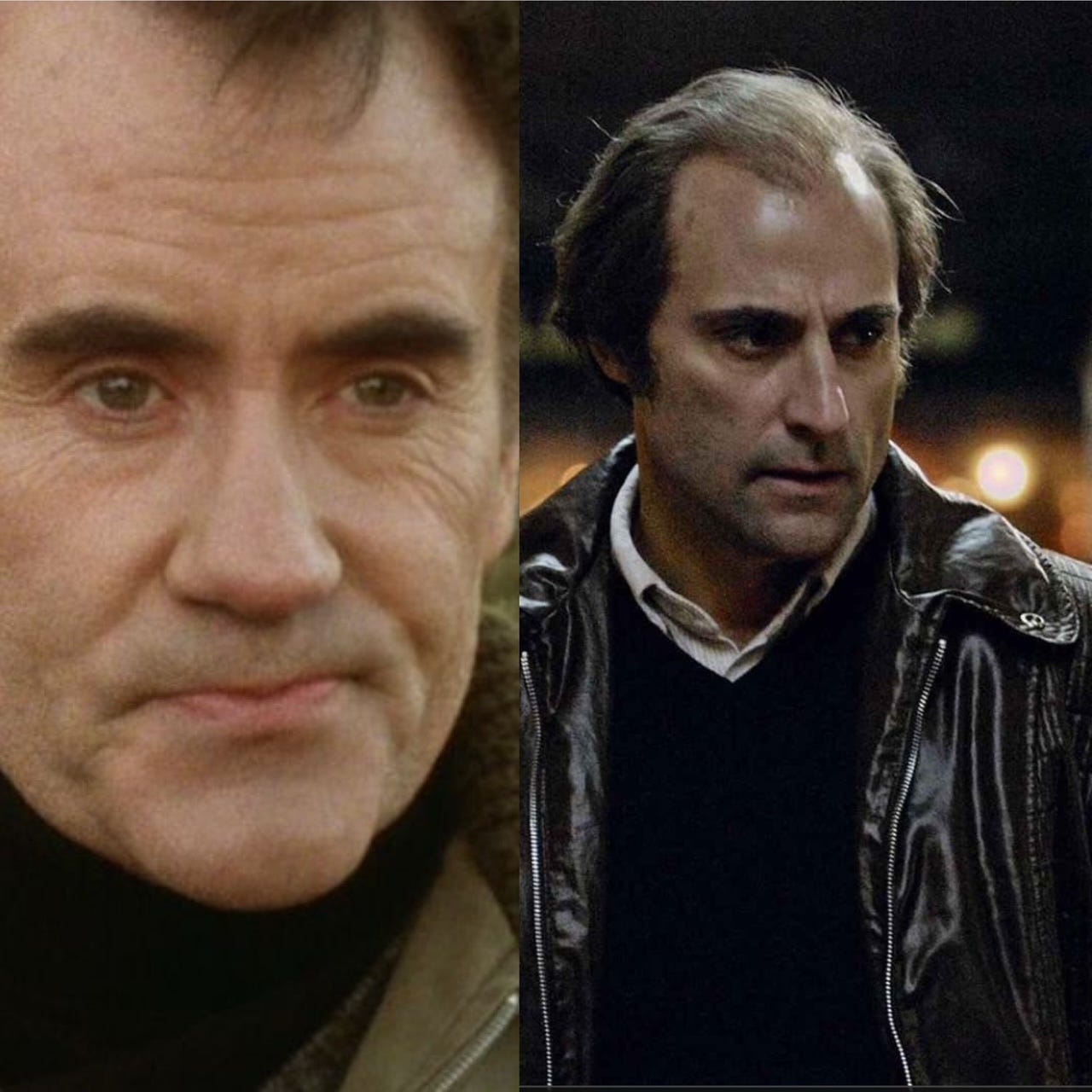
Jim Prideaux
I really rate Ian Bannen as a character actor, and he is at his hard bitten best in the 1979 BBC production. But Mark Strong IS Jim Prideaux. He exudes the character’s tough, brutal, driven persona. And, yes, extra points for Strong for the way in which the 2011 film is able to hint much more strongly about Prideaux’s unrequited love for Bill Haydon and his bitter disappointment when this is betrayed by Haydon’s double agent activities.
My Pick: Mark Strong
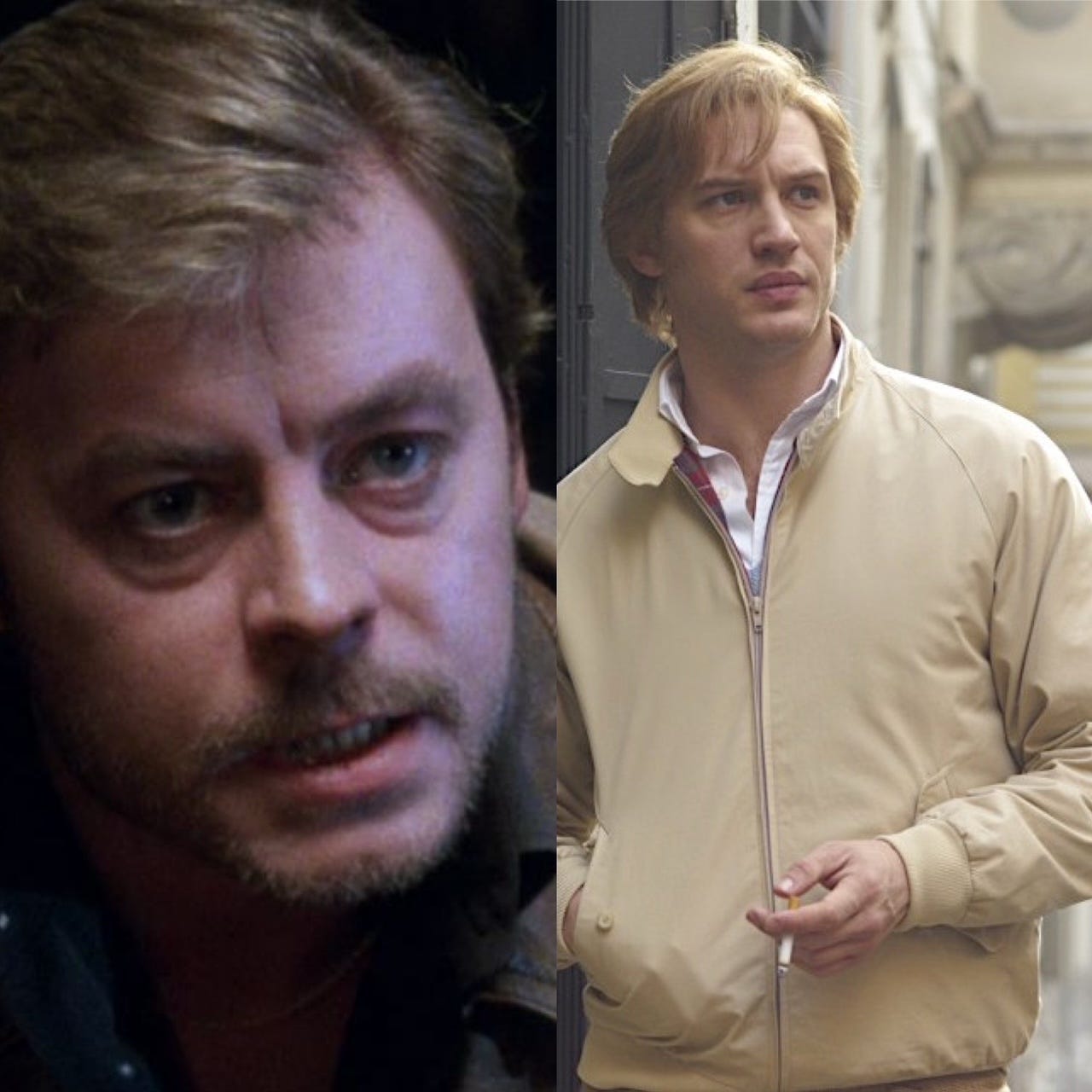
Ricki Tarr
While I think Tom Hardy is good in the 2011 film, Hywel Bennett absolutely nails every scene he is in in the 1979 production. Hardy is slightly smoother and a bit more boy-like and while I like the way the 2011 film depicts his profound disillusionment with the Circus as a result of what happens in Turkey, Bennett manifests the brutal ruthlessness I imagine a veteran scalphunter has to have.
My pick: Hywel Bennett
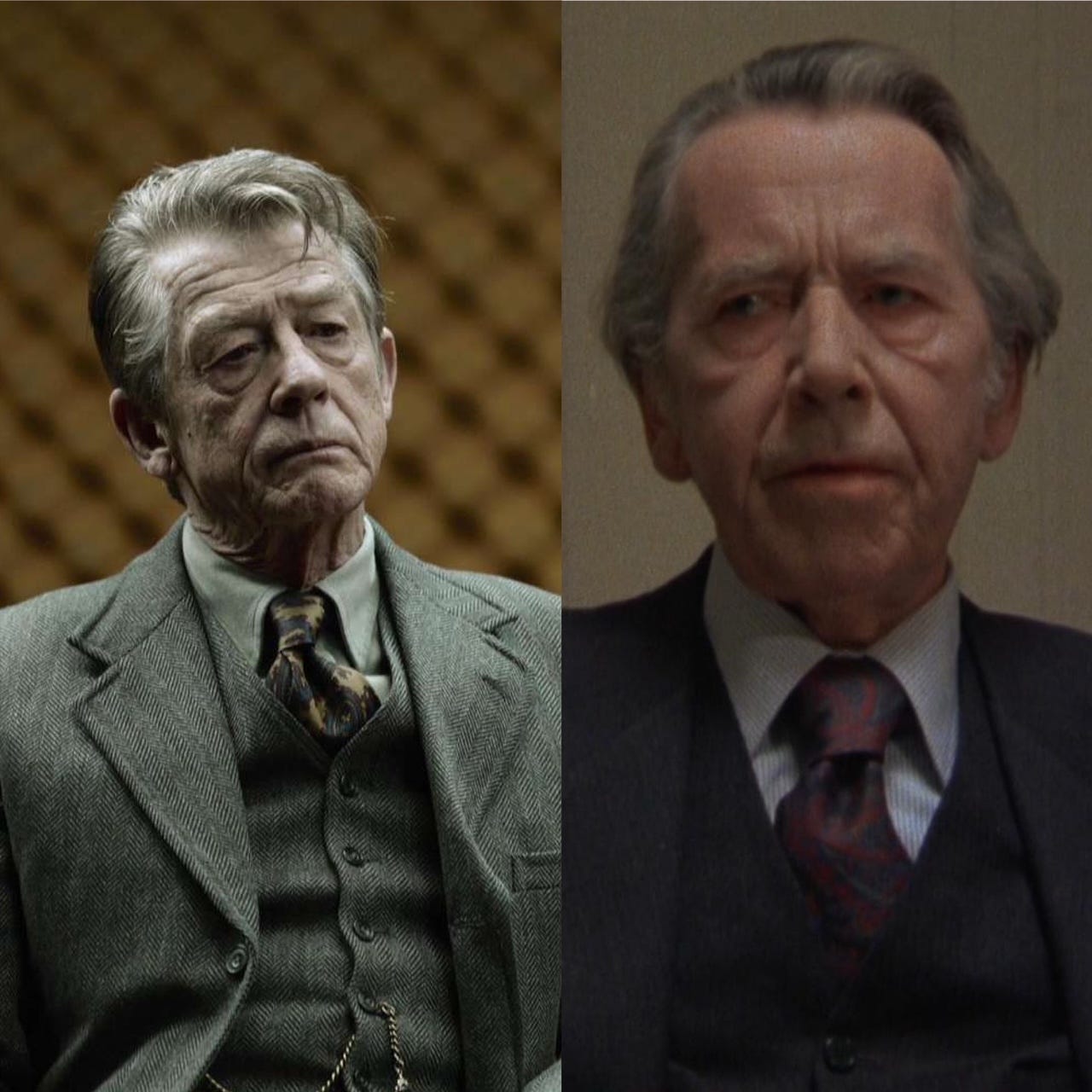
Control
This pick is partly influenced by the fact that I am not familiar with the work of Alexander Knox, who plays Control in the 1979 version. Even so, John Hurt just absolutely rules as the Control of the 2011 movie. A walking cautionary tale, ravaged by a lifetime of booze and fags, literally driven to the brink of madness by his unsuccessful attempt to uncover the Soviet mole in the circus, whose existence he intuites but cannot prove.
My pick: John Hurt
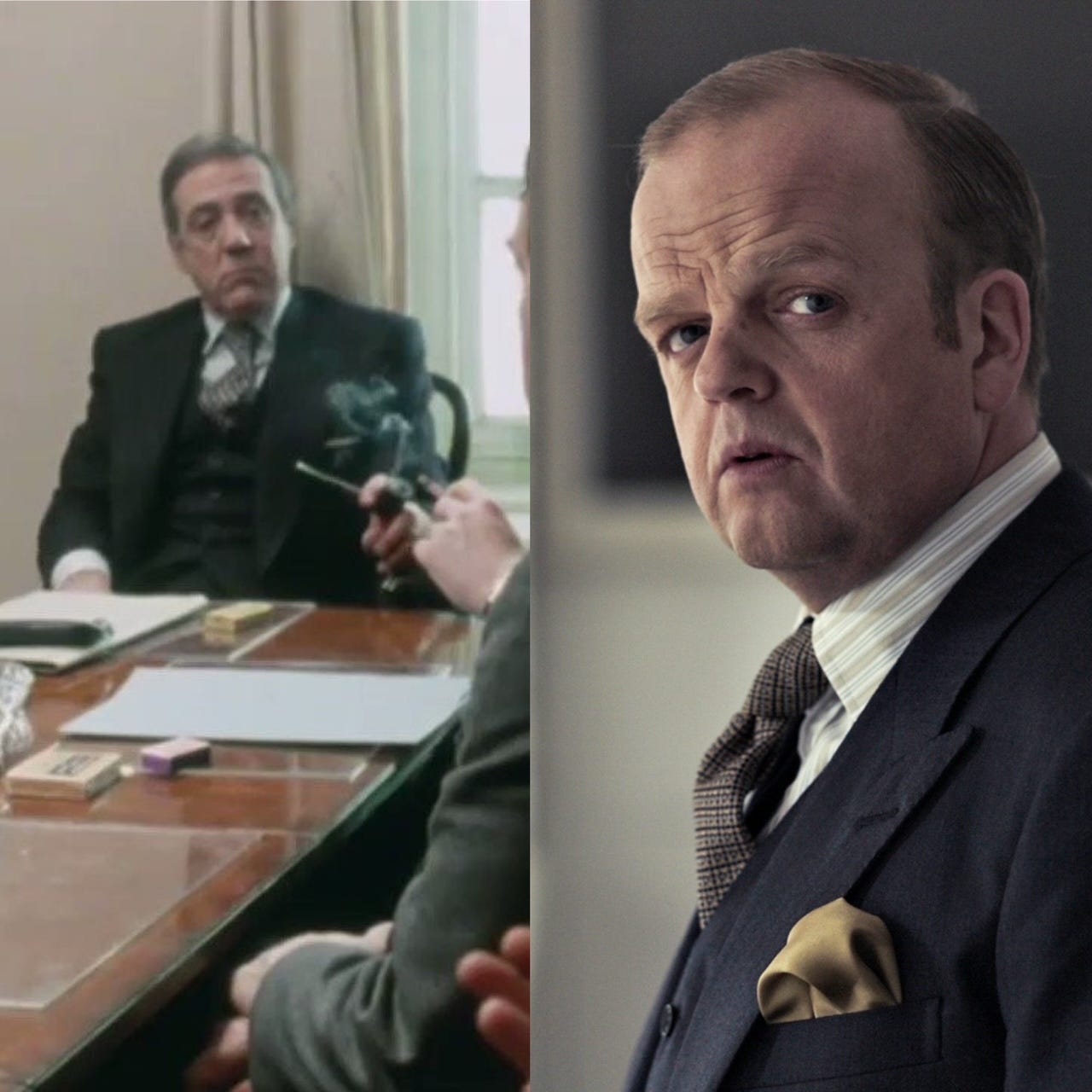
Percy Alleline
Alleline is a much greater presence in the 2011 film than he is in the 1979 BBC production, so it is hard not to go with Toby Jones as the pick for this character, as opposed to Michael Aldrige. Jones plays Alleline as such as terrible prick, so bureaucratic and officious, you’re almost happy when his career is destroyed by the revelation that the Witchcraft intelligence that he staked so much of his prestige on, is revealed to be merely part of an intricate Soviet double cross.
My pick: Toby Jones
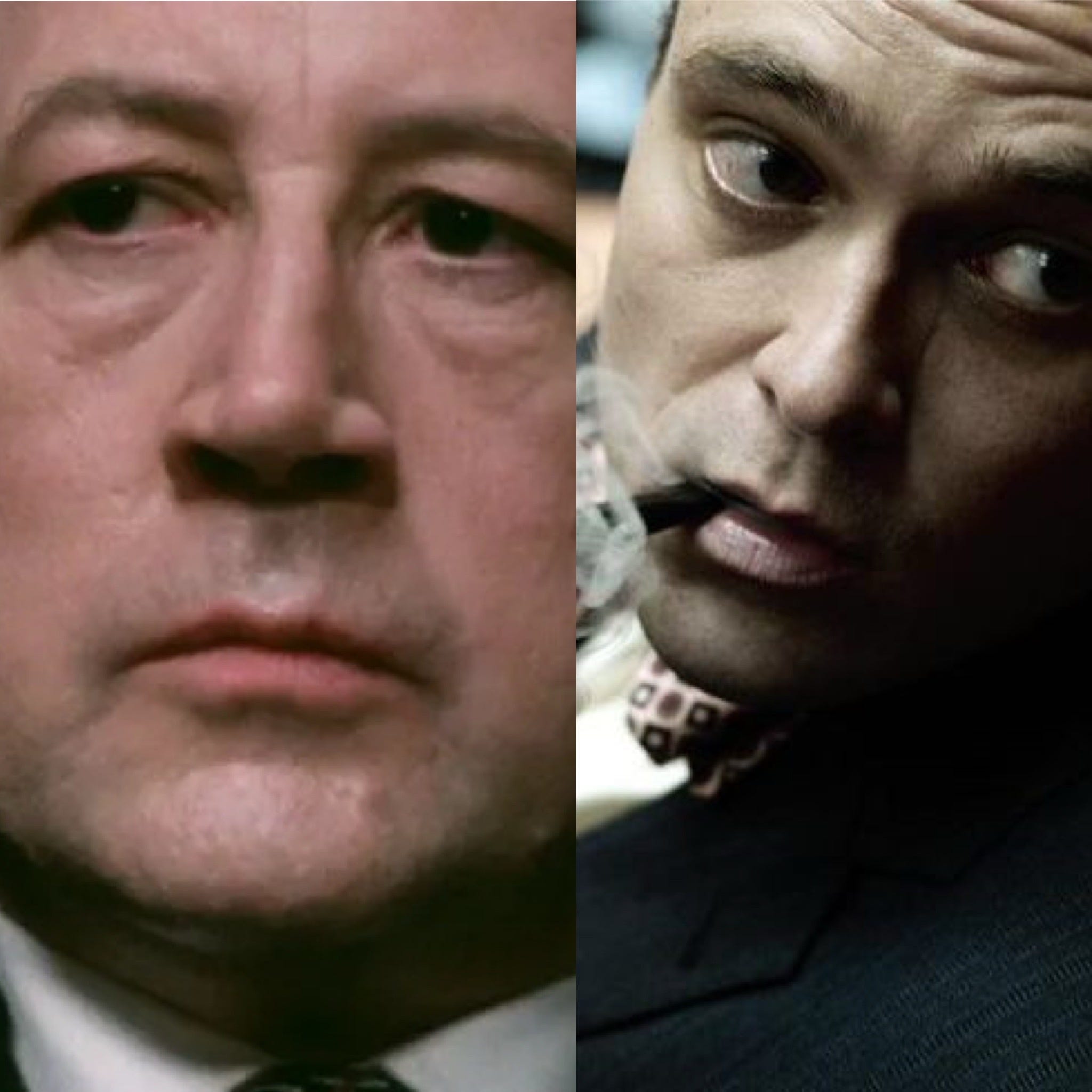
Toby Esterhase
A tough one. I am probably more familiar with Bernard Hepton, who played Esterhase in the 1979 version, than I am with David Dencik in the 2011 film. While both are good, Dencik is given a bit more to do and, as a result, more effectively conveys a man who not only knows what he needs to do to curry favour with those in power but, due to his war/post war experience, has a profound understanding of the implications of failure to do this. He is the ultimate quisling. The scene in the 2011 film when Esterhase finally twigs to the reality of just how precarious his situation is, is chilling.
My pick: David Dencik
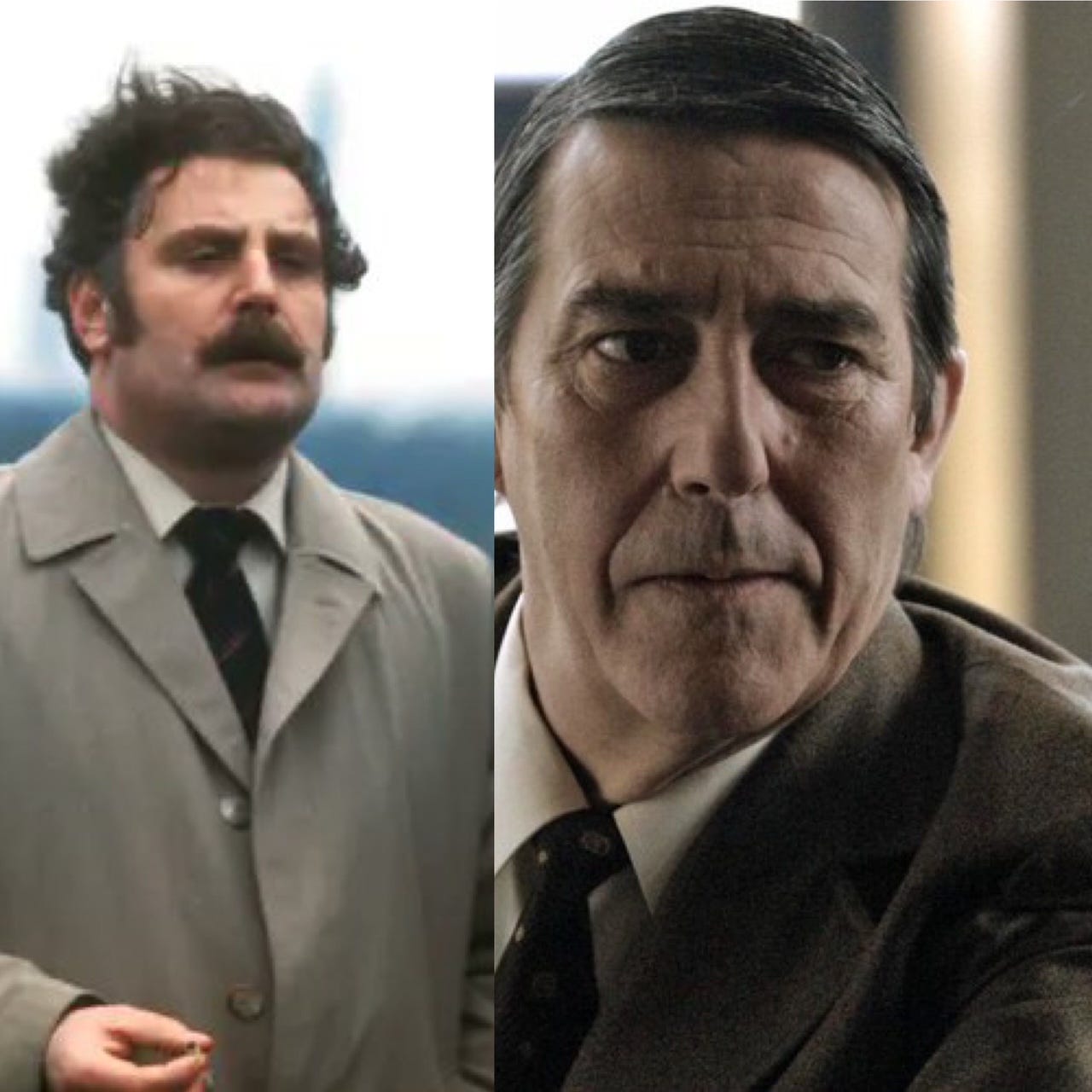
Roy Bland
I have to say that Bland does not exactly leap out of the screen as a character in either version of Tinker, Tailor, Soldier, Spy. While I have liked Ciarín Hinds in everything I have seen him in, Terence Rigby’s (Gerald Fletcher in Mike Hodges’s Get Carter) gruff, chain smoking, matter a fact Bland better captures the rough operational nature of the character.
My pick: Terence Rigby
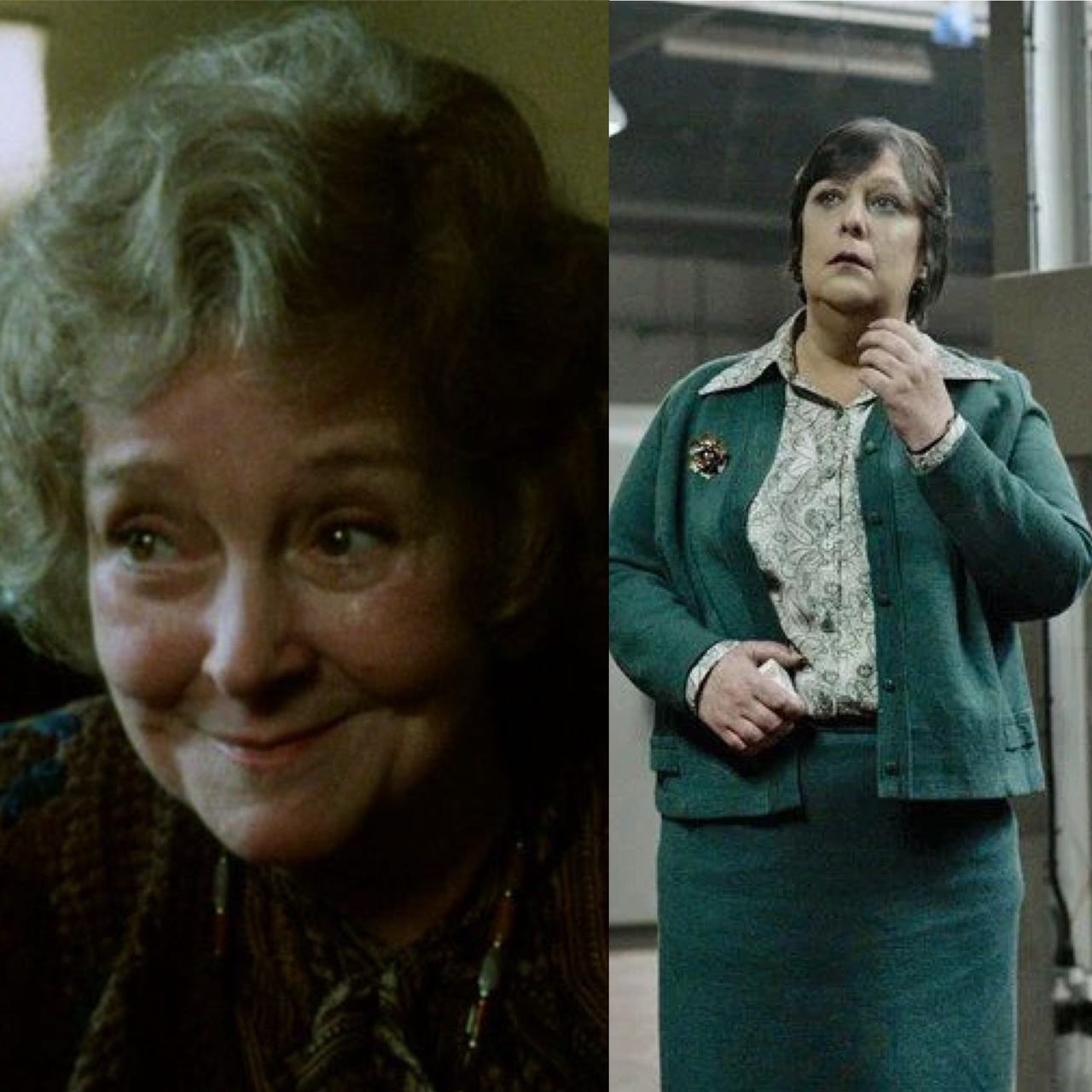
Connie Sacks
While Beryl Reid makes a good fist of the role in the 1979 version, Kathy Burke is an absolute lay down misère as Connie Sachs.
My pick: Kathy Burke
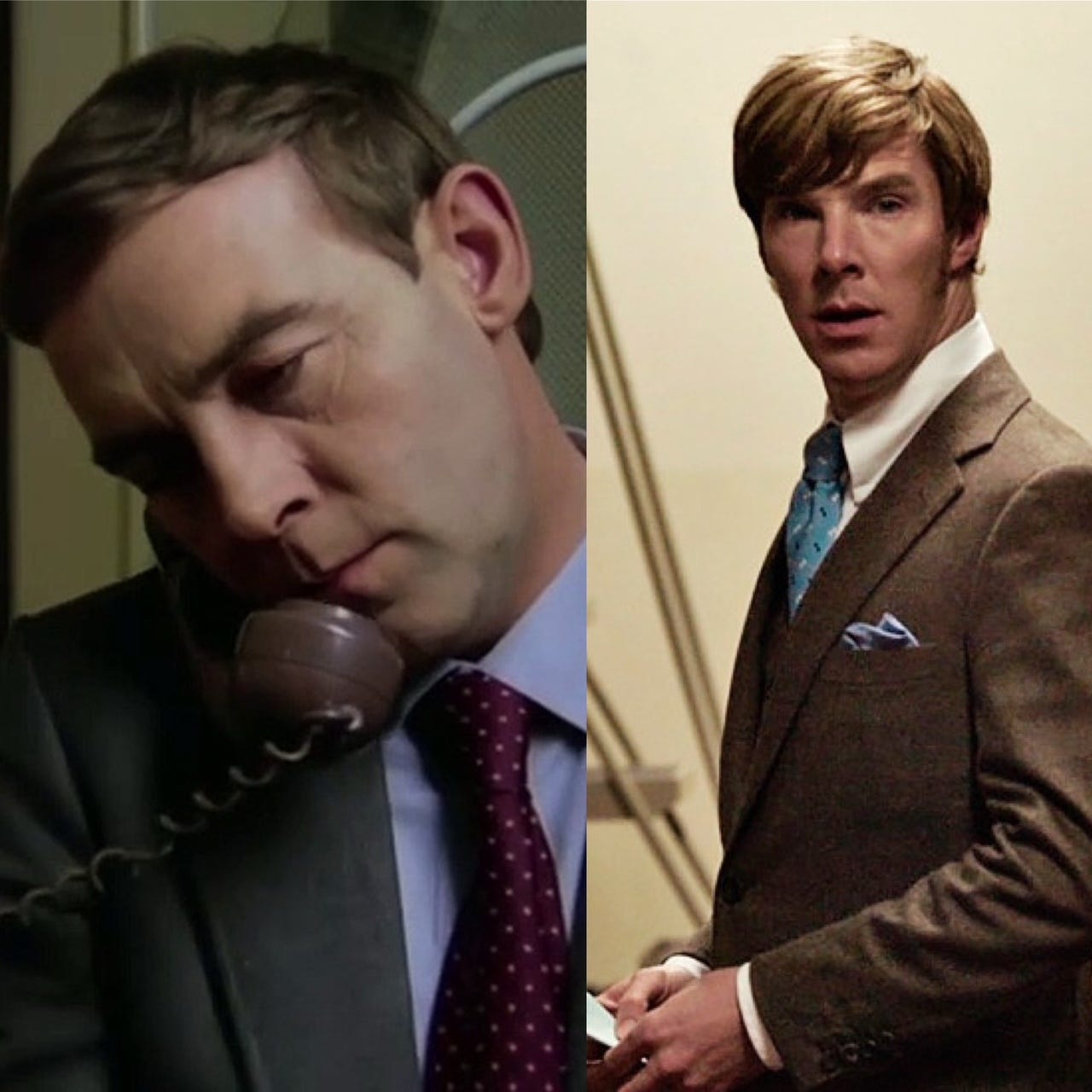
Peter Guillam
Michael Jayston plays Guillam in the 1979 version and Benedict Cumberbatch in the 2011 film. Like Jayston, Cumberbatch plays Guillam as a capable, safe pair of hands in the service of Smiley’s efforts to unmask the traitor in the Circus. But Cumberbatch is also able to play the role as a man straining against the limits of his everyday public persona, a secret agent with his own secret life, his homosexuality, imbuing the character with a much more nuanced and tragic edge.
My pick: Benedict Cumberbatch
No posts
Comments
Nothing yet. Say the first thing.
Sign in to join the conversation.