
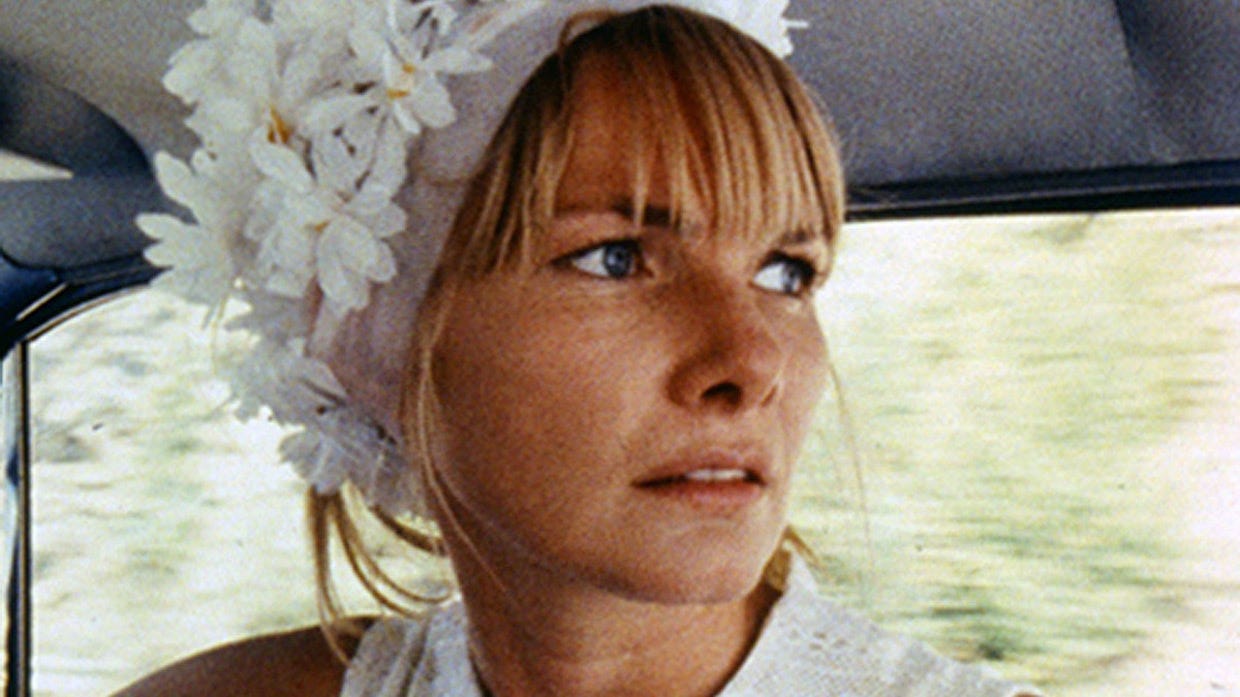
Barbara Loden’s Wanda (1970) is one of those movies that appear perennially on social media as a lost film. And most of the reactions to it – Loden’s sole directorial effort – have understandably focused on the marginalisation of women in American film and Loden’s role as a largely unacknowledged female pioneer within it. But there is another reading of the film that is seldom acknowledged but which I believe is core to its identity, Wanda as a neo-noir.
Whenever I venture this opinion people usually question my characterisation. But it’s not just that Wanda contains the strong elements of a heist thriller. Its central narrative, a woman dealing with a world in which she has little control and getting slowly sucked into committing a serious criminal act, is core noir territory. And I often ponder whether the reticence to see Wanda in this light comes from the perception that a film can’t simultaneously be feminist, a serious piece of art and noir.
Wanda first came to my attention while I was attending 2016 Noircon in Philadelphia. One of the panels was about little seen crime films of the 1970s that deserve to be better known. Among the panellists was a female filmmaker who nominated two female directed crime films - the only two American crime films directed by women I am aware of from that era - Elaine May’s Mikey and Nicky (1976) and Wanda.
Mikey and Nicky was easy to find on DVD. But as much as I like May’s work and the film’s two stars, Peter Falk and John Cassavetes, I wasn’t impressed. It felt bloated and self-indulgent, the crime narrative of Nicky being on the run from the mob and turning to his old friend, Mikey, completely buried under the weight of the seemingly endless improvisation between Falk and Cassavetes. Another unpopular opinion on my part, which I should qualify by adding that it has been several years since I have viewed it, and I probably owe it a re-watch.
Criterion Collection had yet to release Wanda, and the film was incredibly difficult to find in Australia. I did, however manage to locate a copy and was quite blown away by it.
Wanda is the story a poverty stricken young woman who leaves her husband and two small children and drifts aimlessly through Pennsylvania coal country. She eventually hooks up with Mr. Dennis, a tightly wound small-time stickup man. They hit the road together and she seems happy because she perceives that he treats her better than anyone ever has. This only shows just how poor her self-esteem is because, amidst occasional flashes of warmth, Mr. Dennis is terrible to her; impatient, domineering and borderline abusive. His main interest in Wanda is to enlist her in his attempt at a big score, robbing a large bank, a plan which of course goes terribly wrong.
As critic Amy Taubin points out in her excellent essay for the film’s Criterion release, the response by second wave feminists to Wanda when it was released, was far from glowing. Led by Pauline Kael, who referred to the main character as a slut and expressed disappointment that she was such a flimsy and passive character in the thrall of abusive men, second wave feminist critics largely dismissed the film. Obviously – and very positively – the current period sees Wanda get a much more sympathetic and perceptive hearing.
Loden came to New York in her teens, got a job on the chorus line of the Copacabana night club and modelled for various men’s bachelor magazines. You can find some of her cover shots on-line for long gone titles such as Mr. and Pose!. She began acting and was discovered by the famous director Elia Kazan, who gave Loden her first big break, a small part in his film, Wild River (1960). She got a larger part opposite Warren Beatty in Kazan’s Splendor in the Grass (1961). But her burgeoning career hit a snag when her first co-starring role, opposite Burt Reynolds in the Face-In (1973), flopped at the box office. She married Kazan and, publicly at least, went into semi-retirement from acting.
But all this time she had been working on her own scripts and found the money and energy to write, direct and star in Wanda. Shot for an estimated $115,000, the film was an art house hit and went onto win the Venice Film Festival International Critics prize. It is not entirely clear why she didn’t follow it up. One factor that’s been mentioned was a lack of support from Kazan, whose own career was by then on the skids and who appears to have been threatened by her success.
He wasn’t the only man in the film business to treat her badly. A small but significant role in opposite Burt Lancaster in Frank Perry’s 1968 film, The Swimmer, was cut post-production. According to one story this was because she upstaged Lancaster in their scene, and he objected. Another story attributes the cut to the film’s troubled production. Loden and Kazan were getting divorced when she was diagnosed with breast cancer in 1978. She died in 1980 at the age of just 48. Far too damn young. She had been working on another film when she passed.
Wanda was apparently influenced by a real-life story Loden had read in a newspaper about a woman who was an accomplice to a heist gone wrong. He male partner was killed, and the women was given 20 years jail. The woman thanked the judge for the sentence. “That’s what struck me,” Loden said. “Why would this girl feel glad to be put away?”’
The aesthetic of Wanda is incredibly stark and gritty, the result of its low budget, but it works to the film’s advantage. Most of the characters were non-actors with the prominent exception of Mr. Dennis, played by Michael Higgins. It was not until halfway into Wanda that it occurred to me where I had recently seen Higgins. He played the morphine addicted doctor who was Harry Angel’s first murder victim in Angel Heart (1987). Indeed, he had had a lengthy career as a bit part player and supporting role going back to 1948, including The Conversation (1974) The Stepford Wives (1975), The Seduction of Joe Tynan (1979) and Rumble Fish (1983). It’s one of the things I love about film, how you never notice someone and then, when you do, you discover that they’re suddenly everywhere.
Like Wanda, Loden had had a rough working-class upbringing, and you can feel it in her performance that she strongly identifies with the title character. We aren’t really told anything about Wanda. She obviously has little in the way of formal education or skills. Early in the film she tries to get work in a textile factory only to be told by the manager that she’s too slow. She lets herself be picked up by men in bars and in the hope of getting money for sleeping with them. She has no ambitions, because that’s the way she has been conditioned, makes bad decisions and lets herself get pushed around by men. But through the strength of Loden’s performance the viewer can’t help but come to deeply care about Wanda and what happens to her.
None of us have the time or desire to engage in another discussion about what is noir, and, in any case, there are so many potential definitions as to rule out any one interpretation. But for the sake advancing the argument in this post, Charles Ardai, founder of publishing company Hard Case Crime, once described a noir story as one that is ‘steeped in emotional (and often also literal) darkness. There is a feeling of dread and doom that suffuses the action; the story typically features a protagonist who’s in trouble, who often doesn’t deserve the trouble he’s in (even if he’s a bad guy, he often doesn’t deserve the *particular* trouble he’s in), and whose trouble just gets worse as the narrative grinds inexorably toward an unhappy -- often tragic – ending… A noir story can be grim and suspenseful or grim and melancholy or grim and paranoid or grim and fatalistic -- but it’s pretty much always grim.’
This sounds to me pretty much like a description of Wanda. Only in this case the protagonist is a woman. Wanda is the type of female character that we are increasingly seeing in crime fiction and film. There are probably quite a few Wanda’s in classic film noir, but we seldom saw them as a lead character before Loden’s groundbreaking film.
Taubin describes Wanda as a corrective to Arthur Penn’s take on the nomadic criminal, Bonnie and Clyde (1967), the film that kicked off New Hollywood. And certainly, Wanda and Mr. Dennis are as far removed from the glamorous, highly sexed duo of Faye Dunaway and Warren Beatty as it is possible to get. Towards the end of Wanda Mr. Dennis is killed mid-robbery by the police. Wanda escapes being captured only because she was late arriving in the getaway car. Despondent, she goes to a bar where she is picked up and narrowly escapes being raped by a soldier. The final scene sees her drinking with another group of men, one of which will no doubt pick her up. Perhaps he will treat her well. But probably not.
Kickstarter for a new book on the art of Renato Fratini
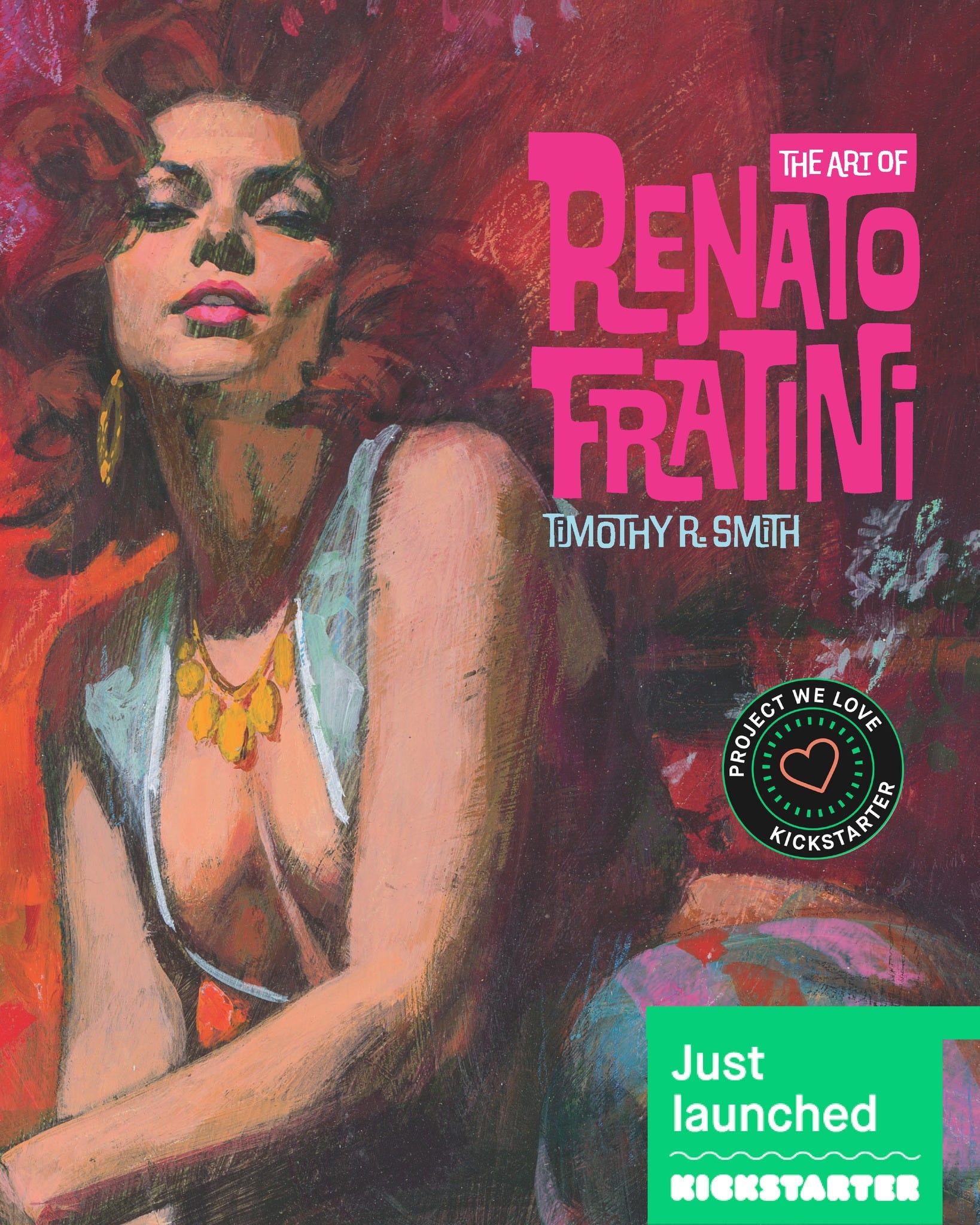
For various reasons, I do not do a lot of promotion for Kickstarters on this Substack. But every now and again a project comes up that I think is worthy of your attention, and The Art of Renato Fratini by Timothy R Smith is one of these.
I have been writing about pulp culture and paperback illustration for well over a decade now, including co-editing three books on various aspects of pulp and paperback fiction and authoring a history of Australia’s largest post war pulp paperback publisher, Horwitz Publications (which you can find here). When I started, there were not a huge number of people writing on the subject and now it feels like a very crowded field, with a lot of related books being published. Don’t get me wrong, this is great or as Mao would have put it, “Let a hundred flowers bloom,” etc.
But it’s also my firm opinion that the quality is just not there with a lot of the books being put out there today. More than a few of them are just collections of scanned book covers or posters, without very much accompanying commentary or research. A couple of books I have picked up are just images with pretty much nothing else. Just not good enough given the prices that are being asked for these works and the resources thrown up by the Internet to enable researchers to find out more about the art/artist concerned.
The Art of Renato Fratini is not one of these books. Indeed, to describe it as a detailed tribute to Fratni’s work is an understatement. It is encyclopedic in terms of both the images included - over 900 - and the text that accompanies them.
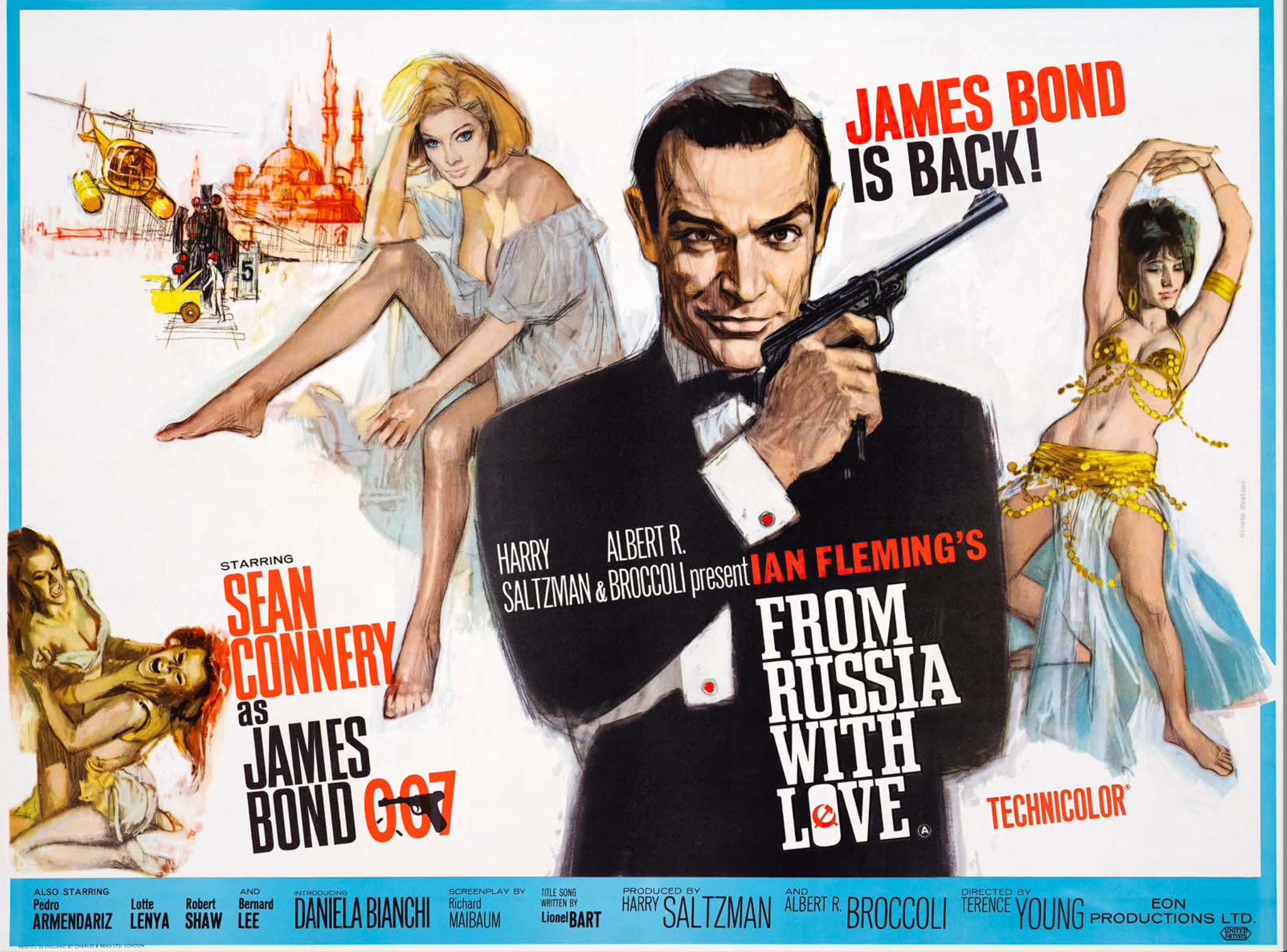
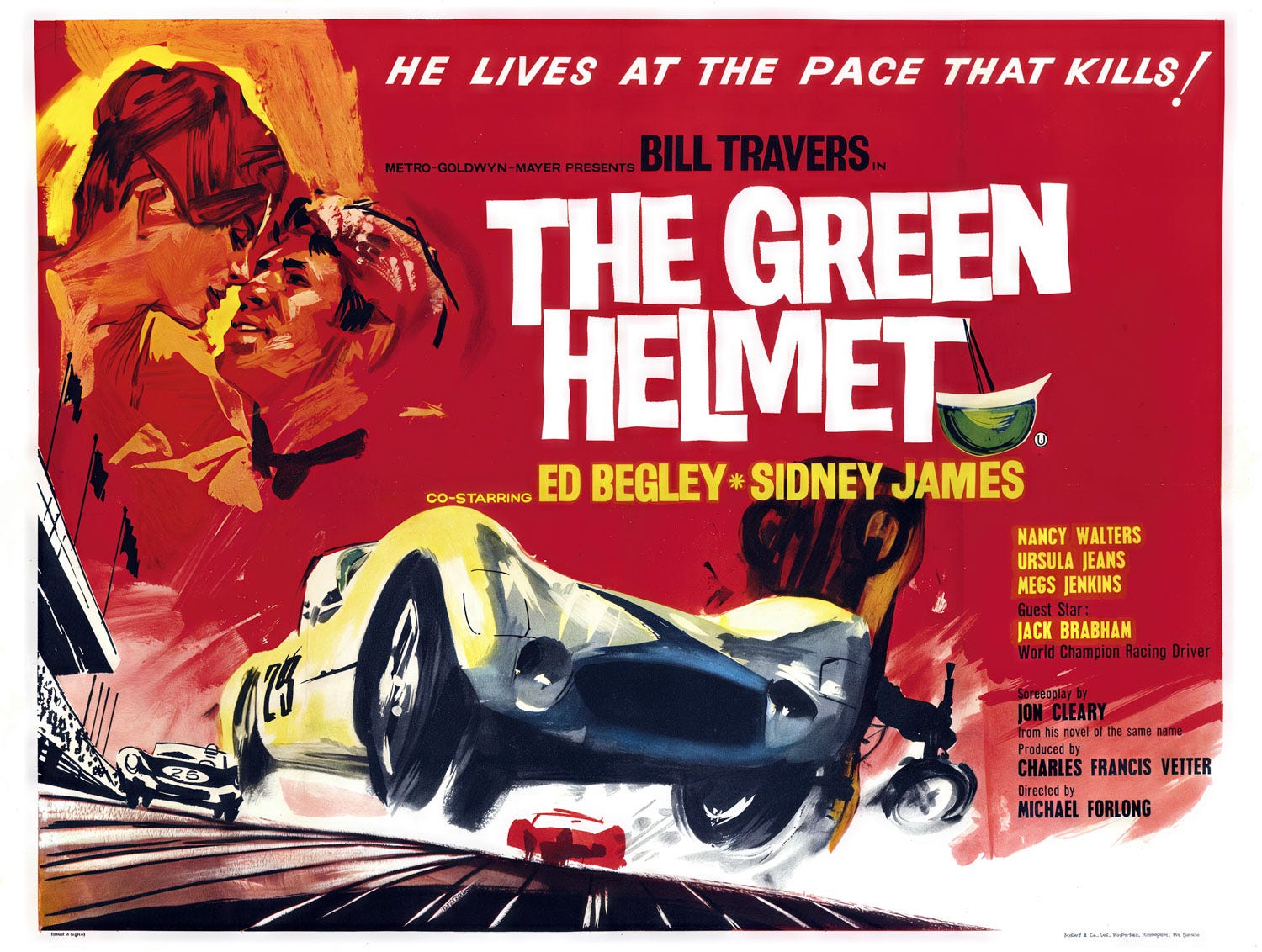
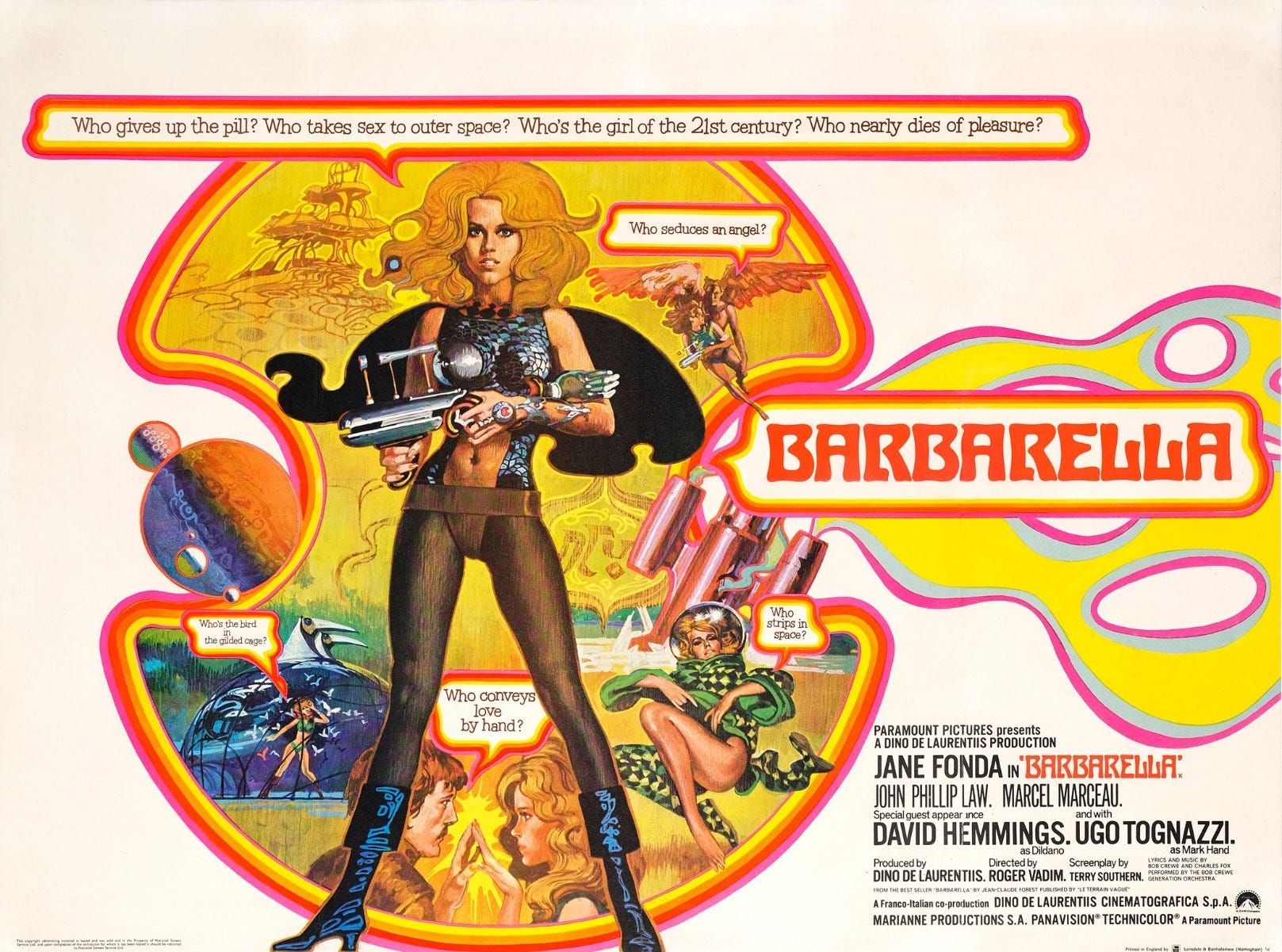
Fratini is one of these artists who most people will not of heard of. I certainly hadn’t. But his reach in terms of commercial illustration was, literally, enormous, running the full gamut of mid-century popular culture, from comics to paperback cover illustration to film posters. His best known work is arguably the British quad poster for the second James Bond film, From Russia with Love (1963), which I had seen but had no idea who had done it. And that is the wonderful thing with this book, once you see it, you will quickly realise just how much of Fratini’s work you are familiar with, even though you knew his name .
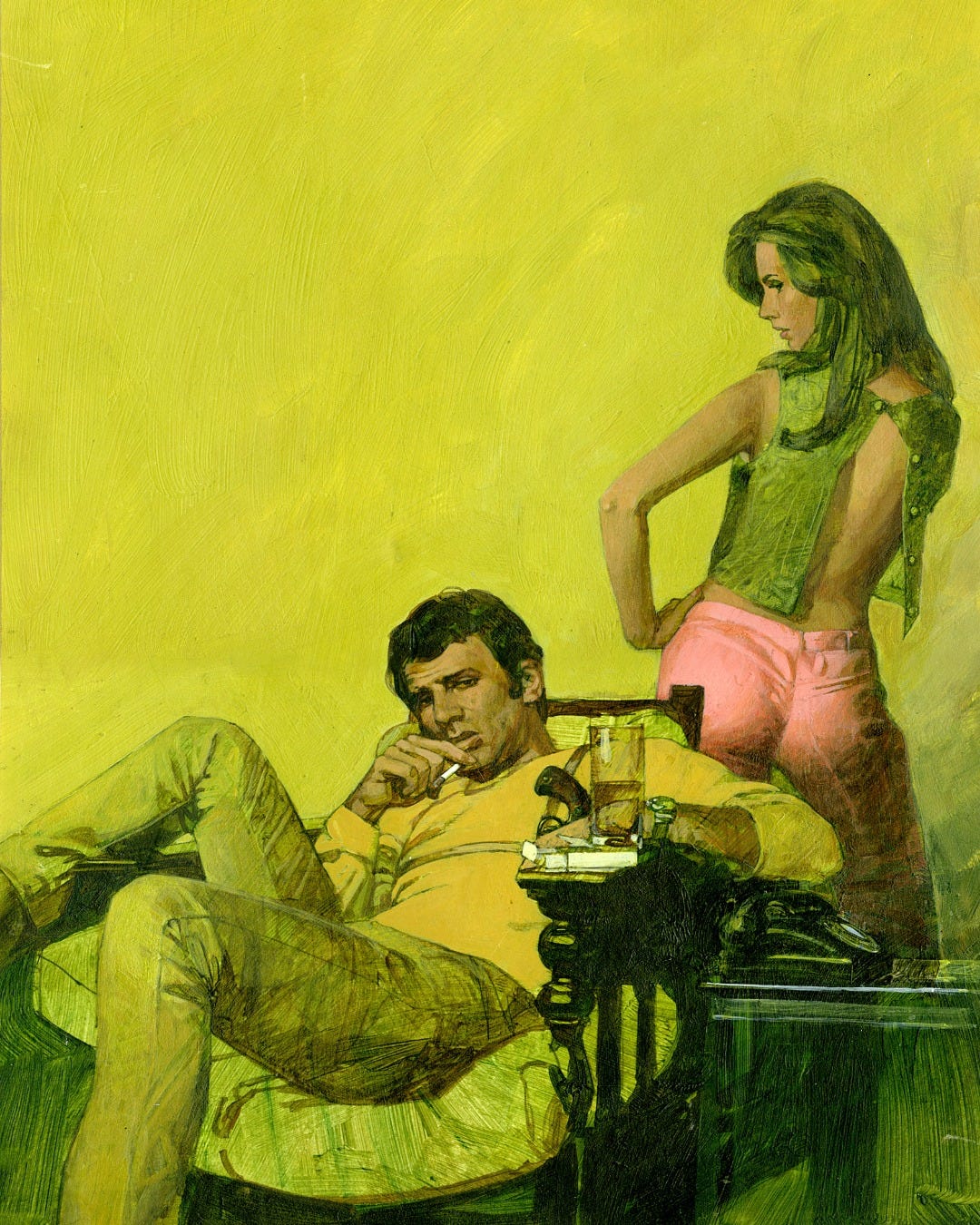
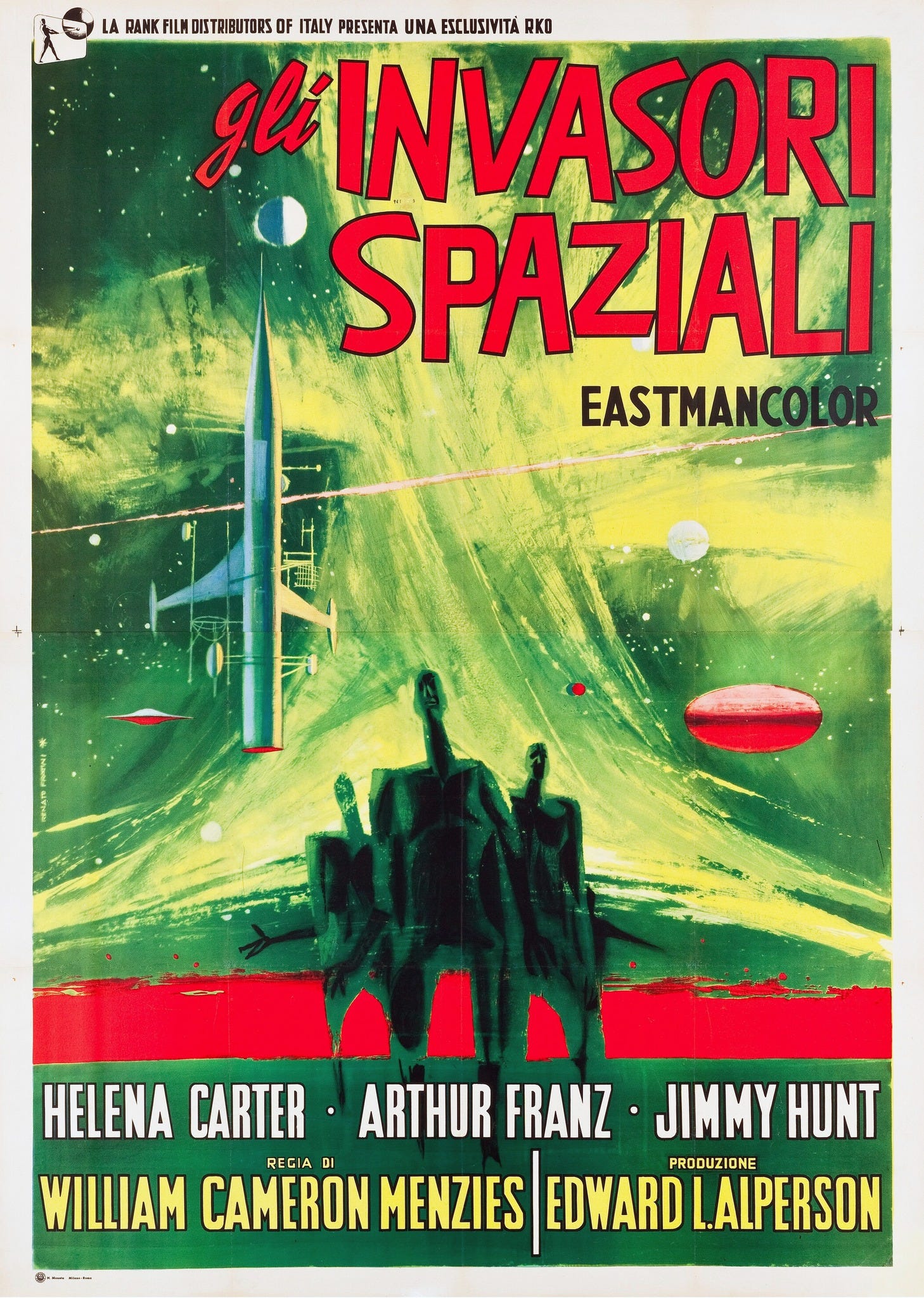
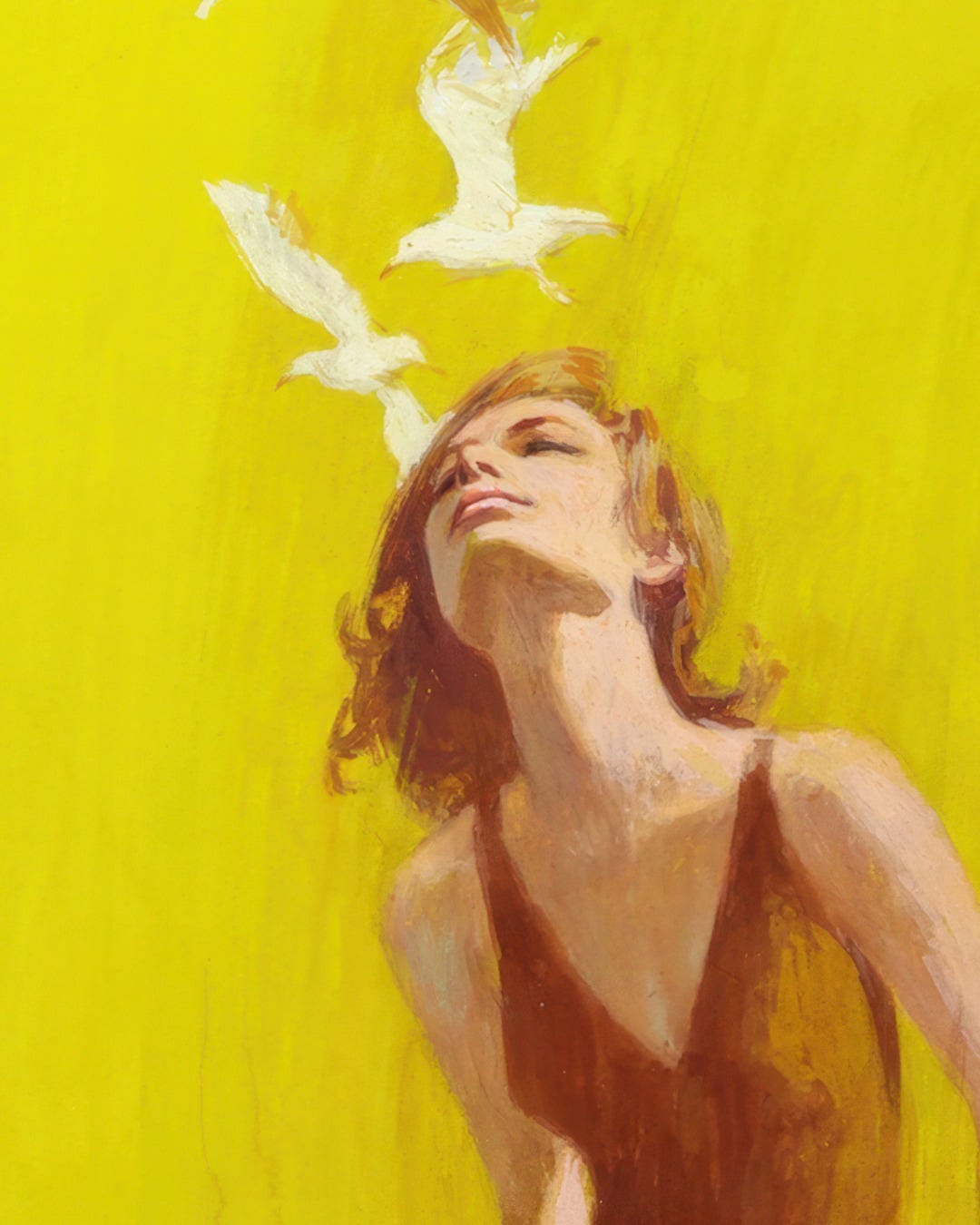
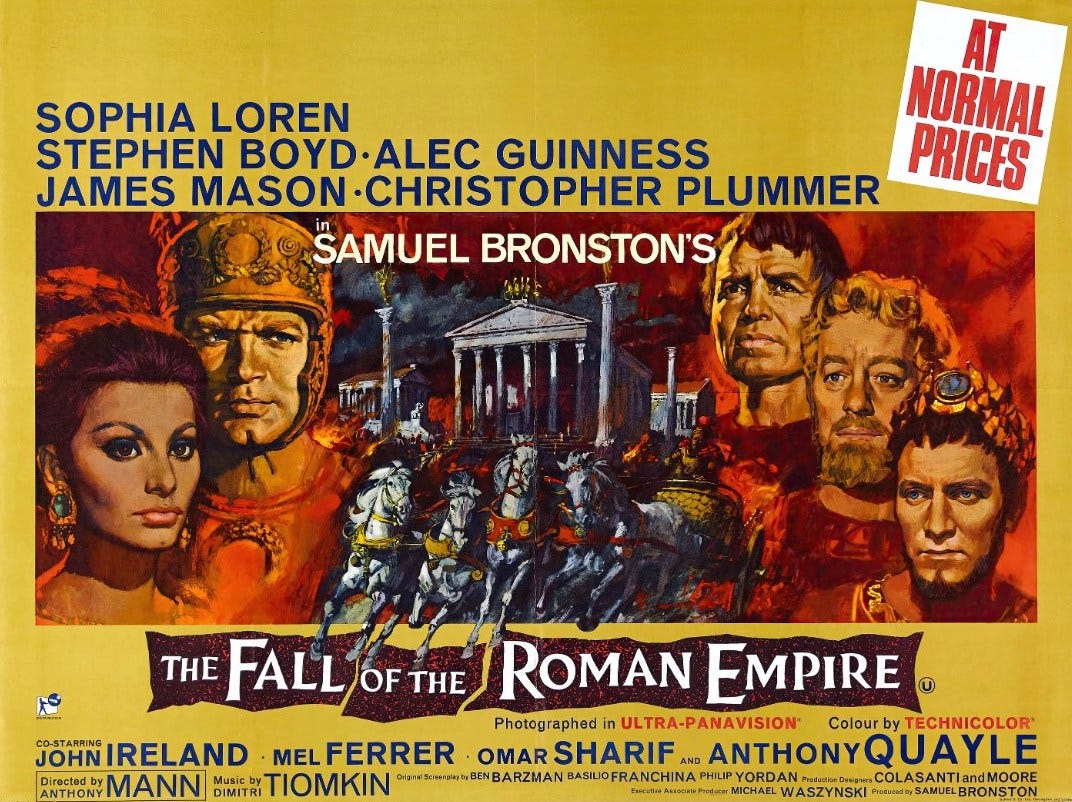
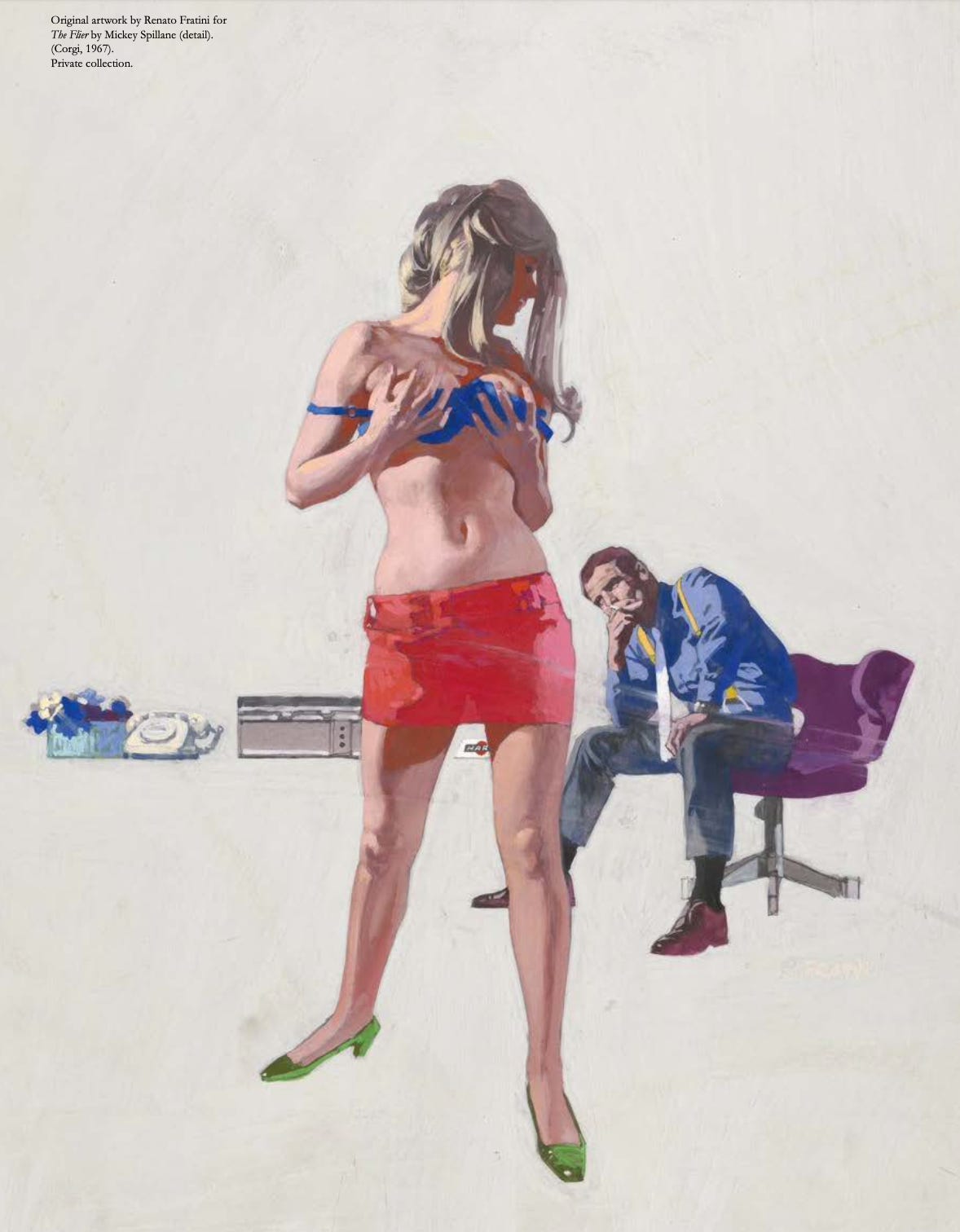
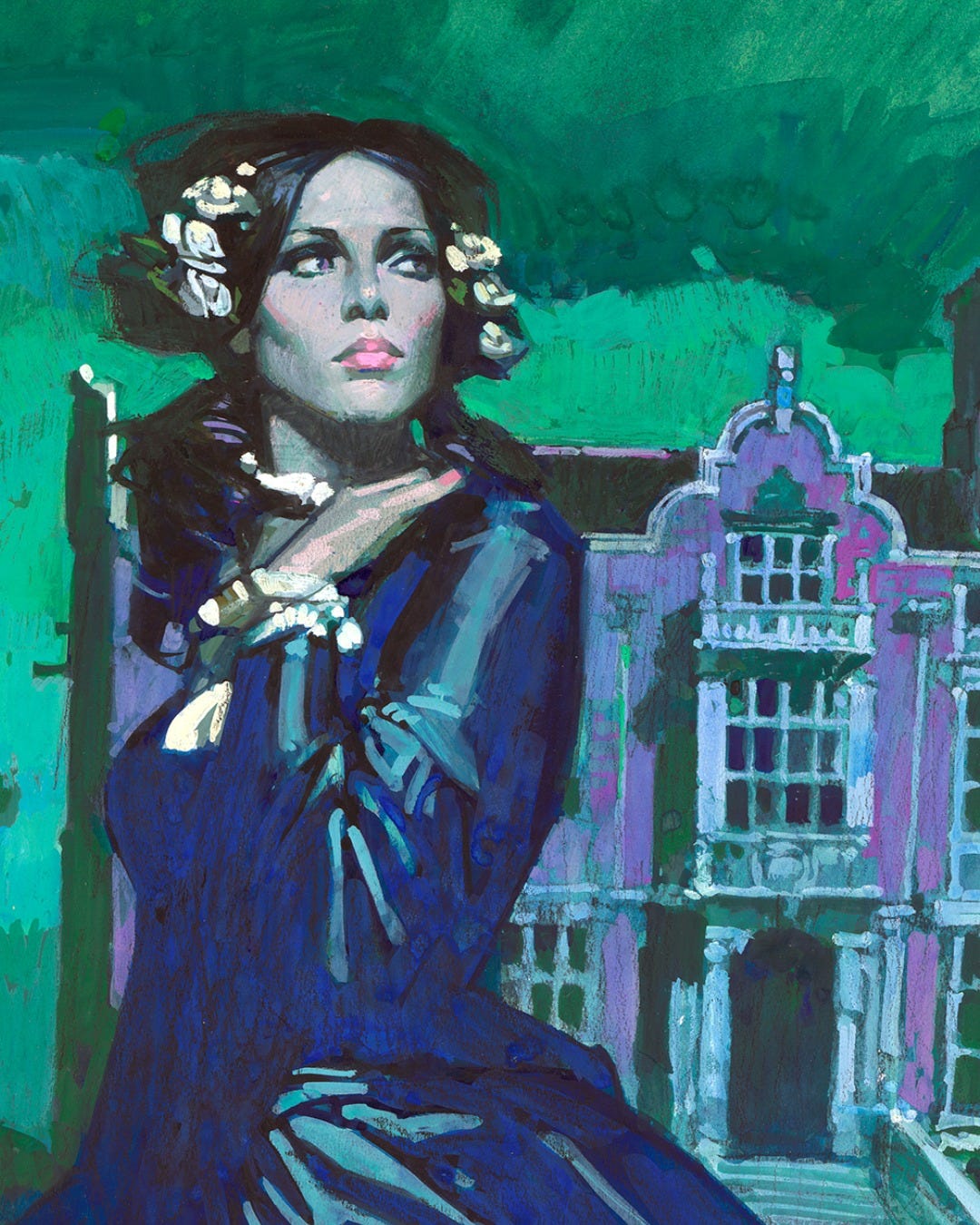
See below for a selection of just a few of the images that appear in the book. Fratini’s work has what I would called such a colourful, quintessentially midcentury vibe. But not only are the images that are reproduced in this book stunning, there is a wealth of textual information about the artist’s career - starting in Italy, where he was trained as an illustrator, and moving into London, where he relocated in the late 1950s and where his work found favour just as the city was starting to swing - as well as various aspects of the midcentury illustration business.
You can find out more details at the Kickstarter page here.
Comments
Nothing yet. Say the first thing.
Sign in to join the conversation.