
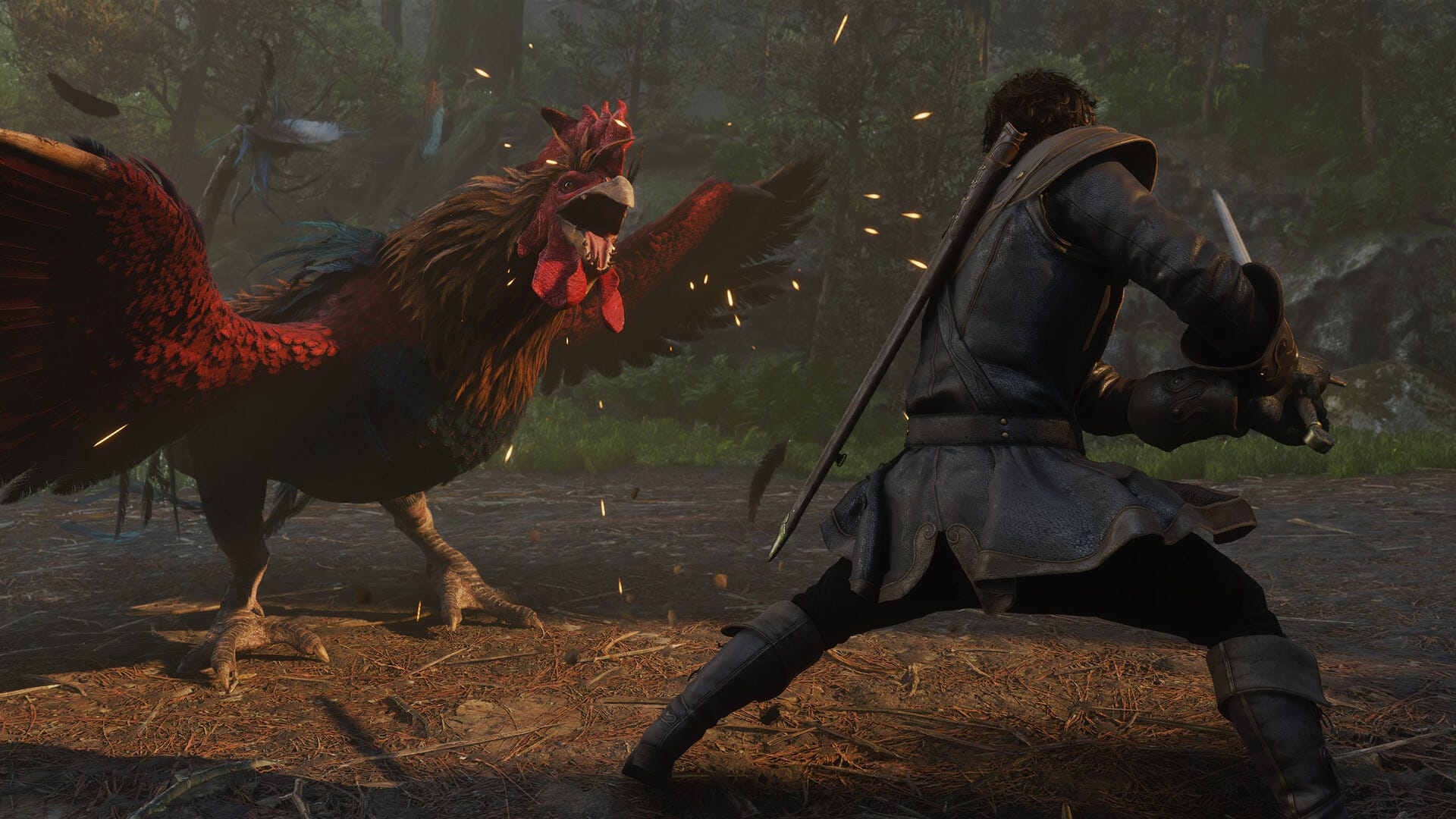
Playground Games is considering delaying the new Fable reboot to avoid launching right next to GTA 6 in November 2026. It immediately made me think of Titanfall 2 — one of the clearest examples in modern gaming of how a terrible release date can kill a great game’s chances.
Titanfall 2 launched on October 28, 2016, just one week after Battlefield 1 and one week before Call of Duty: Infinite Warfare. It was critically adored — many outlets called it one of the best shooters of the generation — but commercially it flopped hard. EA had targeted around 9–10 million sales; analysts later estimated it only moved about 4 million units. That’s roughly half of what the first Titanfall sold and a fraction of what Battlefield 1 moved in the same window.
As a player, I remember exactly how it felt. Fall 2016 was insanely stacked. Most people only had so much money and time for new shooters. If you were going to buy one big multiplayer game that quarter, you were probably choosing between the massive Battlefield 1 hype or waiting for the new Call of Duty. Titanfall 2 — despite being the better game in many ways — got lost in the noise. A lot of us who loved it only picked it up months later on sale or through EA Play. The attention economy is real: when two giants drop right on either side of you, even a fantastic game can become invisible to the average consumer.
From a business standpoint, it was a clear miss. EA spent serious money marketing Titanfall 2, but the crowded window diluted every dollar. Instead of owning the conversation, the game had to fight for scraps of attention between two much larger franchises. The result? Lower initial sales, weaker long-term momentum, and a missed opportunity to build the franchise the way they wanted. This pattern repeats throughout gaming history: games released in the wrong window (especially November) routinely underperform even when they’re high quality. The market only has so much spending power and mindshare during peak seasons.
Psychologically, this is classic choice overload and decision fatigue. When players are bombarded with too many high-profile options at once, they default to the safest, most hyped choice — usually the one with the biggest brand behind it. FOMO kicks in hard: “Everyone is talking about Battlefield 1 and Call of Duty, so I’ll grab one of those.” The brain simply doesn’t have the bandwidth to deeply evaluate a third strong option in the same two-week span. That’s exactly why Titanfall 2 became a cult classic instead of a mainstream hit — the people who found it later loved it, but the initial launch window never gave it a fair shot at a broad audience.
Fast forward to today, and the same risk is staring Fable in the face. If Playground Games sticks with a fall 2026 launch and ends up anywhere near GTA 6 on November 19, they could easily suffer the Titanfall 2 fate. No matter how good the quirky humor, moral choices, or open-world RPG elements turn out to be, the sheer cultural gravity of GTA 6 will dominate the conversation, wallets, and player time. Xbox and Playground have to be extremely careful here.
The pattern is clear across gaming history: great games released at the wrong time get punished. The market doesn’t care how good your game is if it gets drowned out by bigger releases. Timing is everything.
I hope Fable gets the breathing room it needs. A few extra months of polish and a clearer launch window could make all the difference between becoming the next Titanfall 2 or the next big Xbox success story.
Comments
Nothing yet. Say the first thing.
Sign in to join the conversation.