
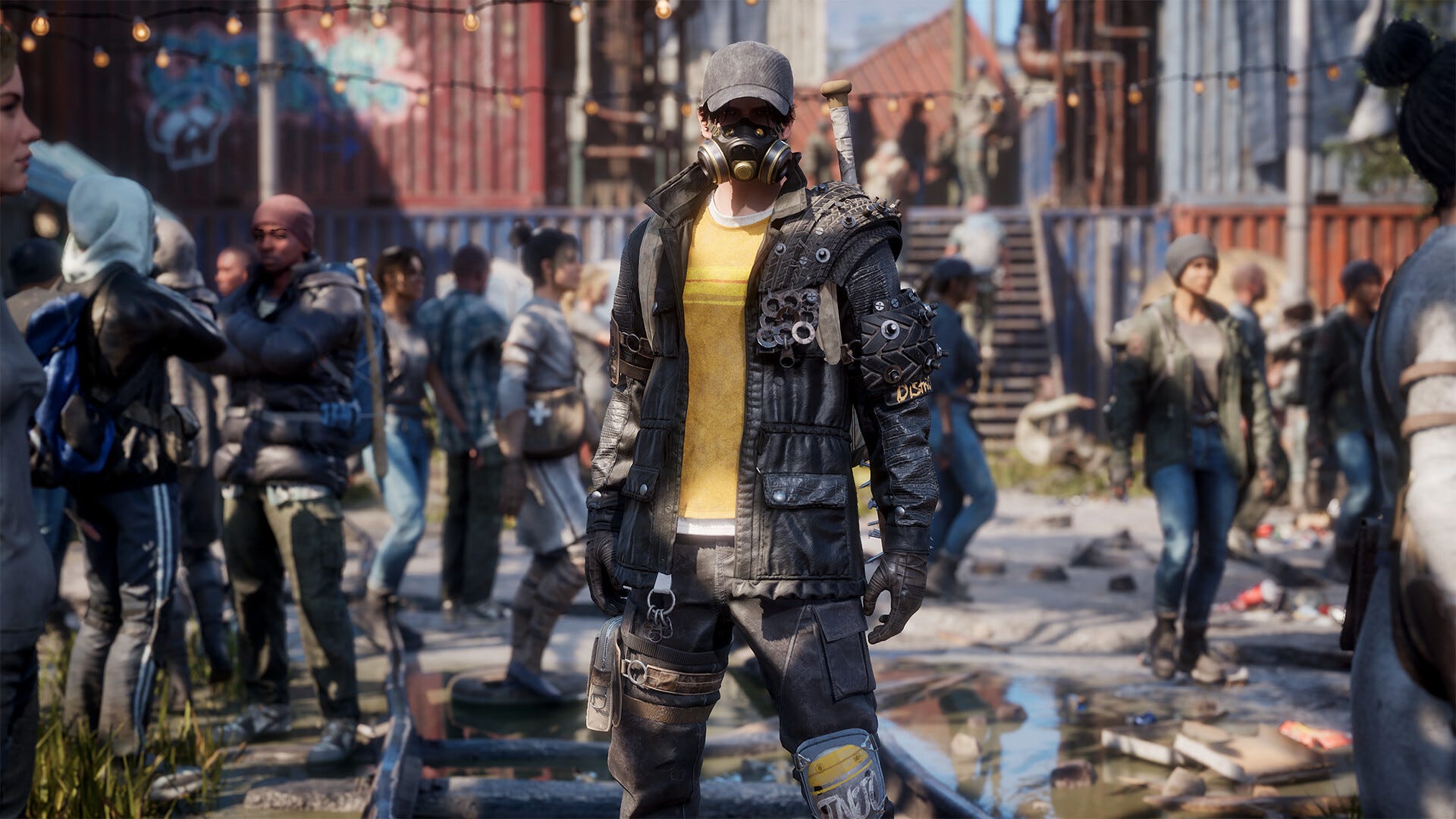
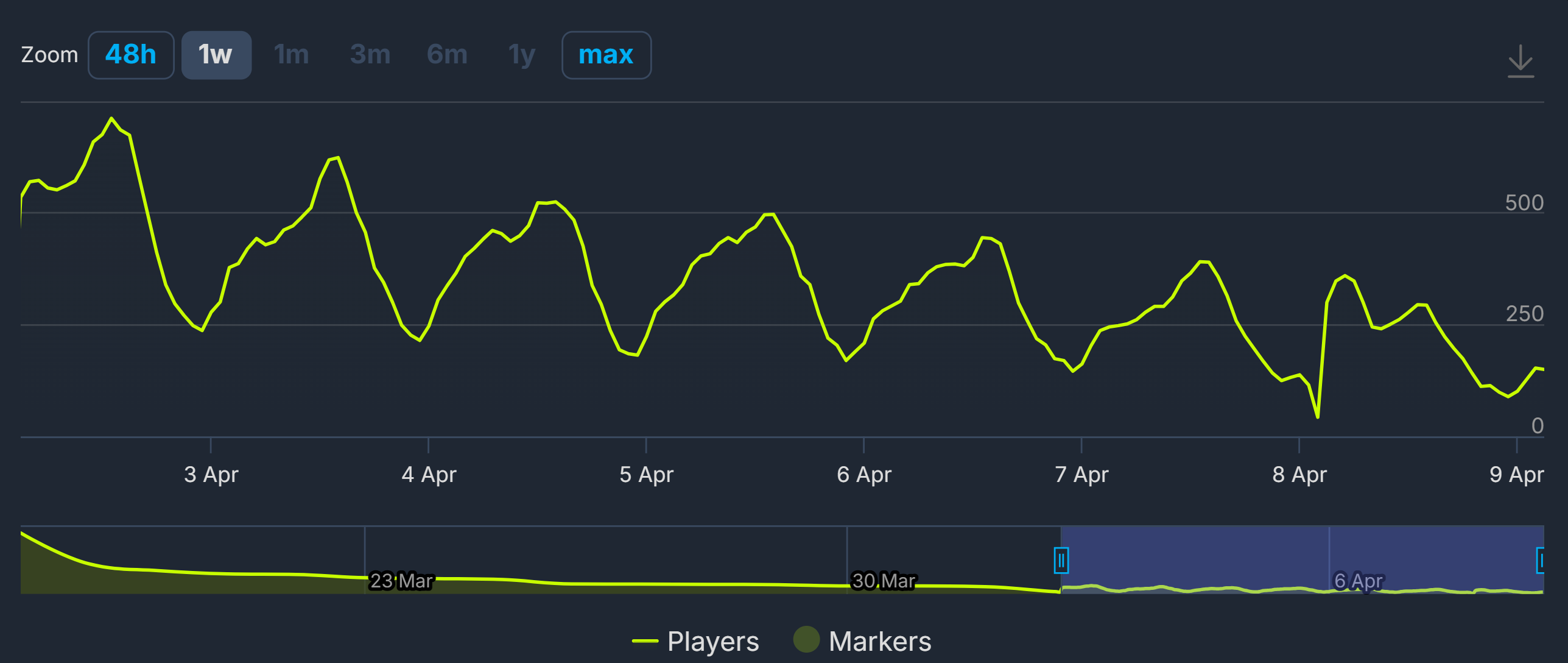
Just three weeks after launch, The Cube, Save Us — a free-to-play post-apocalyptic PvPvE extraction shooter — is shutting down its servers on May 8. It launched on March 18 with some pre-launch hype from a decent demo, but once it hit Steam the numbers collapsed fast. Peak concurrent was only around 5,000 players, reviews turned Mostly Negative, and the player count dropped into the low hundreds almost immediately.
This isn’t an isolated fluke. It’s the latest body in a growing graveyard of extraction shooters and live-service titles.
We’ve already watched Concord crash and burn spectacularly, Highguard implode after just 45 days, and Hawked (a Fortnite-style shooter) struggle to hold onto players despite trying to ride the battle-royale wave. Even big names in the genre are feeling the heat. Epic Games recently admitted Fortnite engagement has dropped significantly, leading to over 1,000 layoffs and a price increase on V-Bucks just to keep the lights on.
The live service game market is undergoing a major correction, shifting from an era of unchecked expansion to a more selective, competitive landscape. While giants like Fortnite and Helldivers 2 continue to thrive, oversaturation, high-profile failures, and player burnout have led studios to cancel projects and return to focusing on quality, single-player experiences.
Current Trends in Live Service Games (Early 2026)
Market Correction & Pullback: Publishers are finally realizing that not every game can become a long-term service. Sony, for example, has quietly scaled back its once-ambitious plan to launch numerous live-service titles.
The “Winner-Takes-Most” Market: A small handful of established games dominate the space, making it brutally difficult for new titles — no matter how polished — to carve out an audience.
Quality over Quantity: Players have become far more selective. Games that launch incomplete, overly grindy, or too demanding die quickly.
Monetization Fatigue: Cosmetics and battle passes still work for some, but aggressive monetization, daily login rewards, and constant pressure to play are burning people out.
Studio Realignment: Developers are shifting resources away from “games-as-a-service” and back toward single-player, narrative-driven experiences.
Industry Shifts We’re Seeing Right Now
Sony has cut its live-service ambitions nearly in half after several high-profile cancellations. EA and Ubisoft are reportedly reorganizing to focus on fewer, better, more polished traditional games instead of chasing infinite revenue. Meanwhile, the surprise success of titles like Palworld and Helldivers 2 has shown that cooperative, system-driven gameplay can be a more sustainable path for AA and indie studios than massive PvP-focused extraction shooters.
The Consumer Behavior, Business, and Psychology Angle
From the consumer side, I think we’re seeing classic burnout. The reward loop that made live-service games addictive for years — drop in, loot, extract, repeat — has started to feel exhausting instead of exciting. Psychologically, the high-stress “one mistake and you lose everything” formula creates anxiety rather than fun for a lot of players now. People want more control, more creativity, and lower mental load. That’s why sandbox, co-op, and single-player experiences are pulling players away.
From the business side, the math is brutal. Developing and supporting a live-service game is insanely expensive, and only a tiny fraction ever become profitable long-term. When retention collapses after a few weeks, the revenue dries up fast. Studios are learning the hard way that you can’t just throw another extraction shooter into an already crowded market and expect it to print money.
This whole situation is a perfect example of the psychology of the reward loop breaking down. What used to feel like exciting progression now feels like a second job for many players. When the dopamine stops hitting, people walk away.
Live service games are not dying entirely, but they are evolving from a “must-have” business model to a model that requires immense effort, financial investment, and high quality to succeed in a crowded market.
The era of “launch and hope the live-service model saves us” is over. The winners will be the ones that actually respect the player’s time and deliver something fresh and sustainable.
Comments
Nothing yet. Say the first thing.
Sign in to join the conversation.