

Today’s Read Time: 8 minutes
This week, we’re talkin’ the state of the market, and US Economic growth outlook. It’s looking very positive with ISM manufacturing gaining steam. We could be living amidst the next manufacturing renaissance. But I still have some skeptical thoughts.
Let’s get into it.
(👇 .03% from this time last week, 30-yr mortgage)
Apartment rents increased in March (the start of the leasing season), but less than normal. Demand remained solid despite the economic headwinds, but still playing catch-up to the supply overhang from 2023-25 (the biggest supply wave since 1970s, as I have written about at length) (Parsons).
The latest job numbers are positive. Private sector added an average of 26k jobs per week for the 4 weeks ending Mar 21, the 4th consecutive increase in the 4-wk moving average, ~104k/month (ADP,EJ).
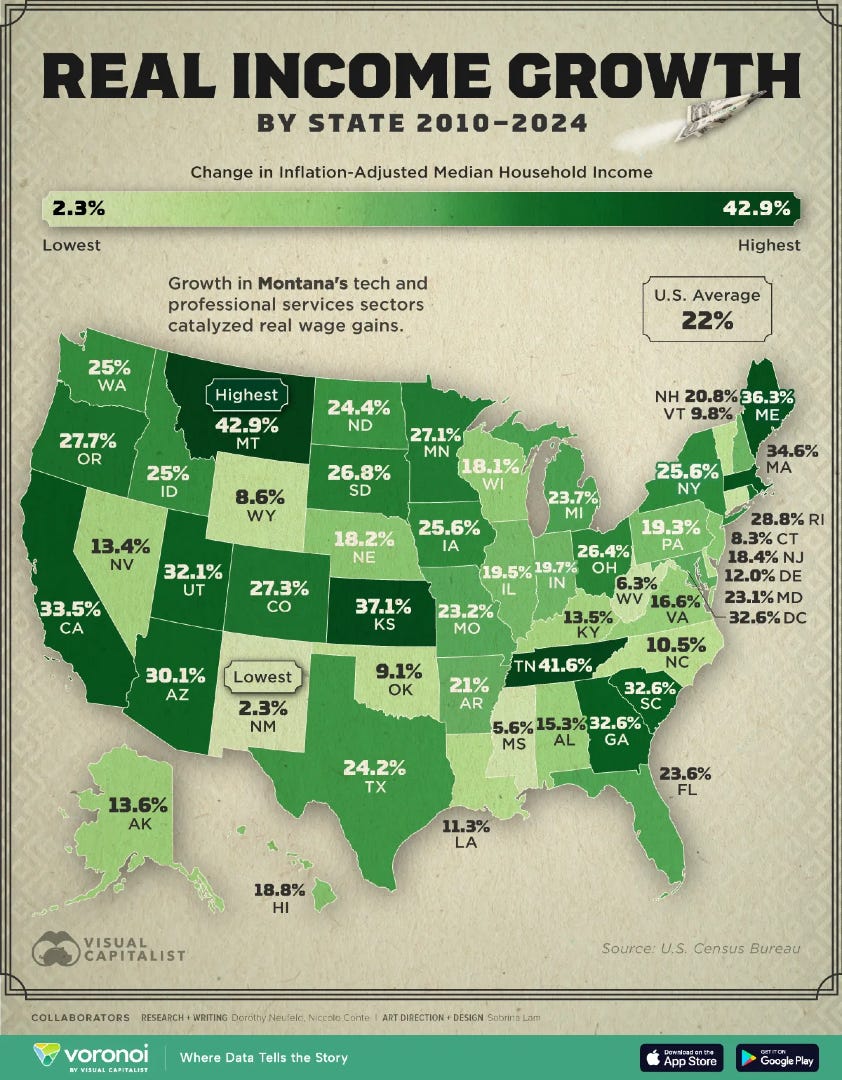
Nashville is the #2 state for income growth. Up 41.% since 2010! (Census).
Fun fact: WWII lasted 5 years.
But the market bottomed just 5 months into the conflict.
And historically, the market usually bottoms within the first 10% duration of a war, but sentiment may continue up, down, and all around for much longer.
So while there may be bad vibes in the headlines now, the sharp investor is moving on.
As a real estate investor, I’m always quite interested in what sector(s) of the economy are driving the train. And which are lagging.
Right now, the state of play is quite interesting.
Labor market is looking weak.
Employment is still contracting.
Hiring is weak.
Inflation is a concern, driven by gas/fuel prices.
Delivery times are lengthening.
But!…..
Firing is low.
Unemployment is still low at 4.3%
Unemployment rate for prime-age workers (25-54) improved the last few months.
Average hourly earnings have been rising at a reasonably strong rate.
The technology durable goods super cycle may be starting.
Employment for March was nearly triple expectations.
Large hyperscaler companies are spending trillions on CapEx.
There’s always a bull market somewhere.
And it looks like it’s starting with good old-fashioned building.
Specifically, manufacturing, and all that feeds it.
Yes, I’m talking manufacturing again this week. But don’t worry, I’ll be brief.
I think this is a chronically underreported / analysed / publicised point.
The latest ISM Manufacturing PMI came in at 52.7 for March 2026, up modestly from 52.4 in February and once again above expectations. This marks the third straight month of expansion—the longest such streak since 2022—and the strongest reading since August of that year.
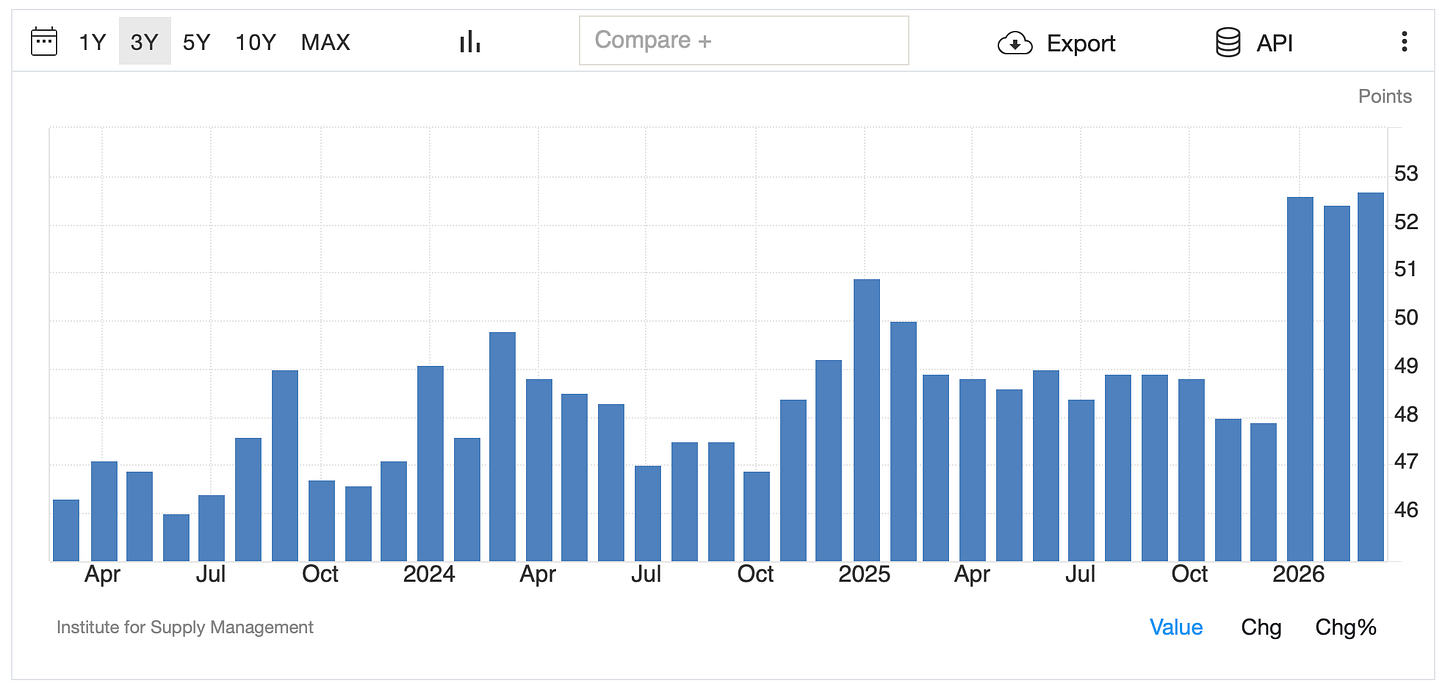
Production accelerated sharply to 55.1, while new orders held at 53.5. Supplier deliveries slowed further (58.9), a classic signal of rising demand straining capacity.
Factory activity is finally gaining some traction after a long period of contraction.
On the surface at least, these numbers look encouraging. After years of contraction, factory activity is finally expanding.
The real test is whether this holds and broadens.
Good News: Industrial output, freight / trucking, and capital spending are absolutely going nuclear at the same time, 3 lines of concurrent effort suggesting it just might.
The Federal Reserve’s index of industrial production posted modest gains through February, with manufacturing output contributing solidly. Year-over-year growth remains positive, and momentum?…
The trend is your friend.
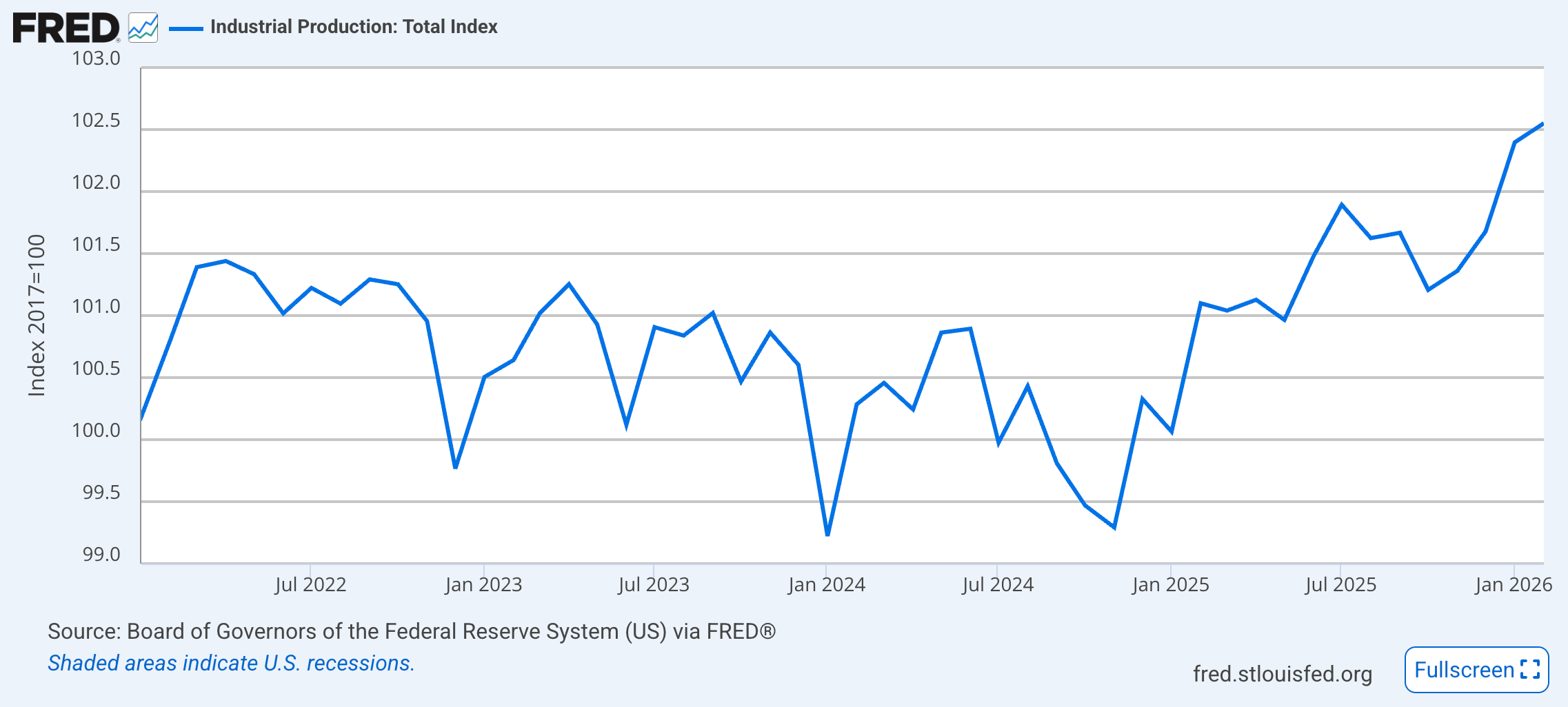
This is confirmation that the positive ISM production number is not isolated.
Global manufacturing is heating up too.
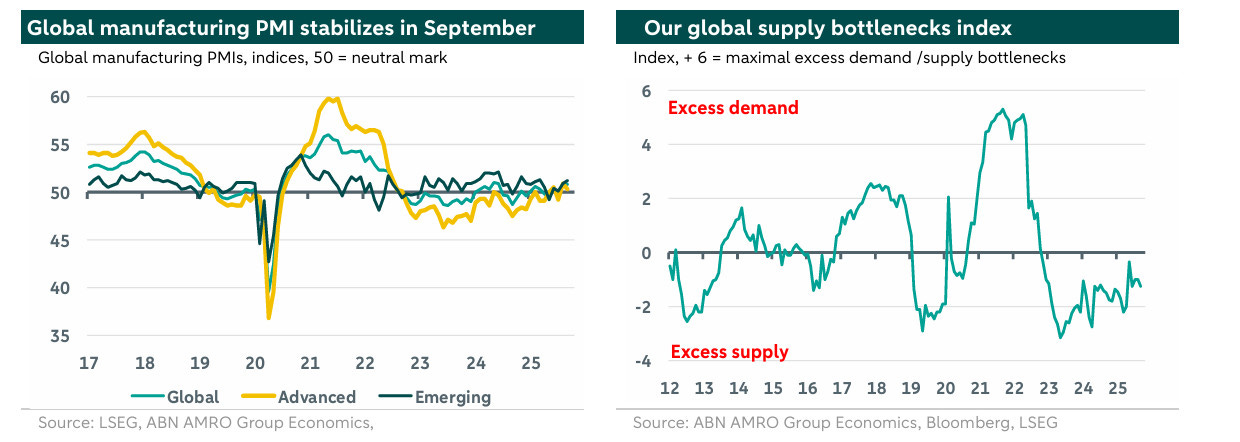
In fact, global demand for manufactured goods is so hot that delivery times are becoming delayed. PMI for supplier delivery times fell to a 10-month low of 49.0 in September 2025. Supply bottlenecks are resurfacing, particularly affecting developed markets, with US delivery times hitting a four-month low of 46.0 (AMRO).
While this will inflate costs in the short term, as supply catches up, it is bullish and part of the natural expansion cycle.
Silver lining: container tariffs are declining. That era seems to be past us.
New Tech Boom?
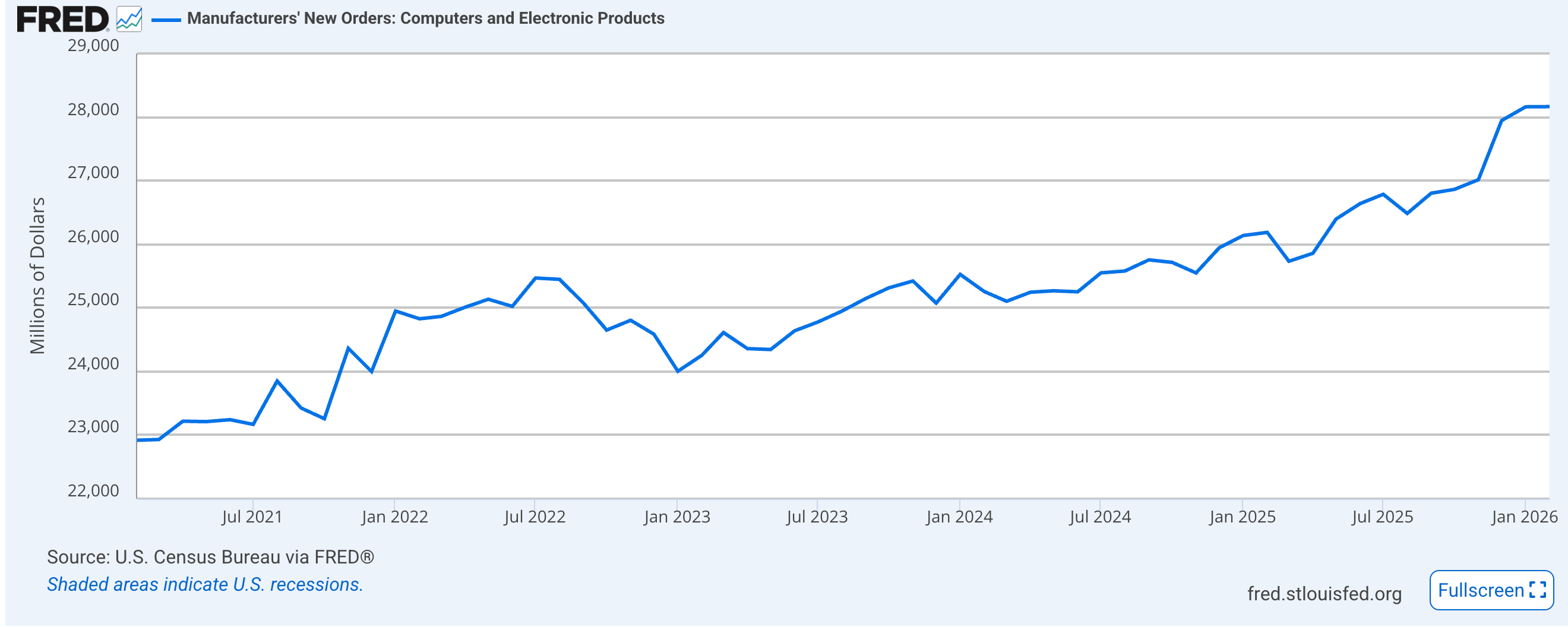
And folks are ordering new technology like mad. One example: The Personal Computer will soon be a Personal AI Assistant. Everybody will want a new computer. Businesses will need them. This cycle is just starting.
A Quick Ad Break….RentRedi
RentRedi helps you get there faster.
RentRedi property management software helps you find great tenants and start collecting rent so you can focus on running your business, not chasing checks.
Free premium listing to reach qualified renters, screen applicants, and start collecting rent all from one dashboard.
Free premium listings = premium applicants.

RentRedi. Built by landlords, for landlords.
Plus, Skeptical Investor readers get $100 off. Click this referral link and test drive today!
Want to advertise to the more than 50,000+ weekly readers of The Skeptical Investor? You can! Advertise with us; we can help you grow your business. Reach out.
Ok, back to business.
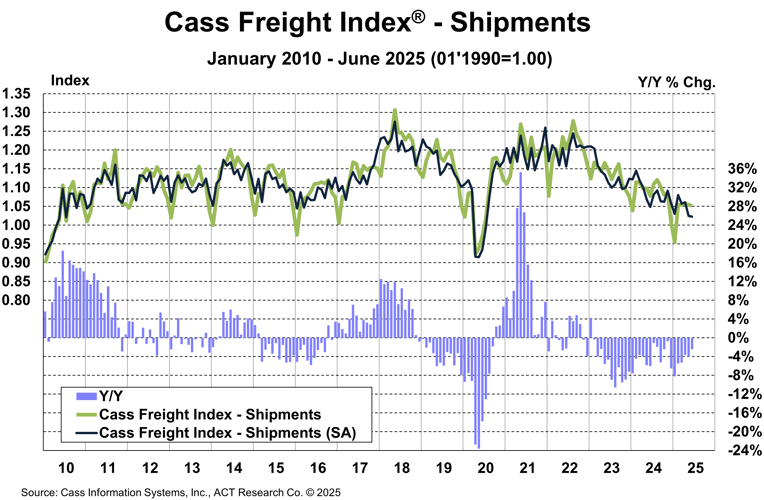
Freight and trucking demand is once again off the charts, and the data delivers some of the strongest real-time growth confirmation. The ATA For-Hire Truck Tonnage Index hit a three-year high in February. Cass Freight shipments jumped 10.4% MoM, while semi-truck orders surged 159% YoY—carriers are committing capital because they see rising volumes coming.
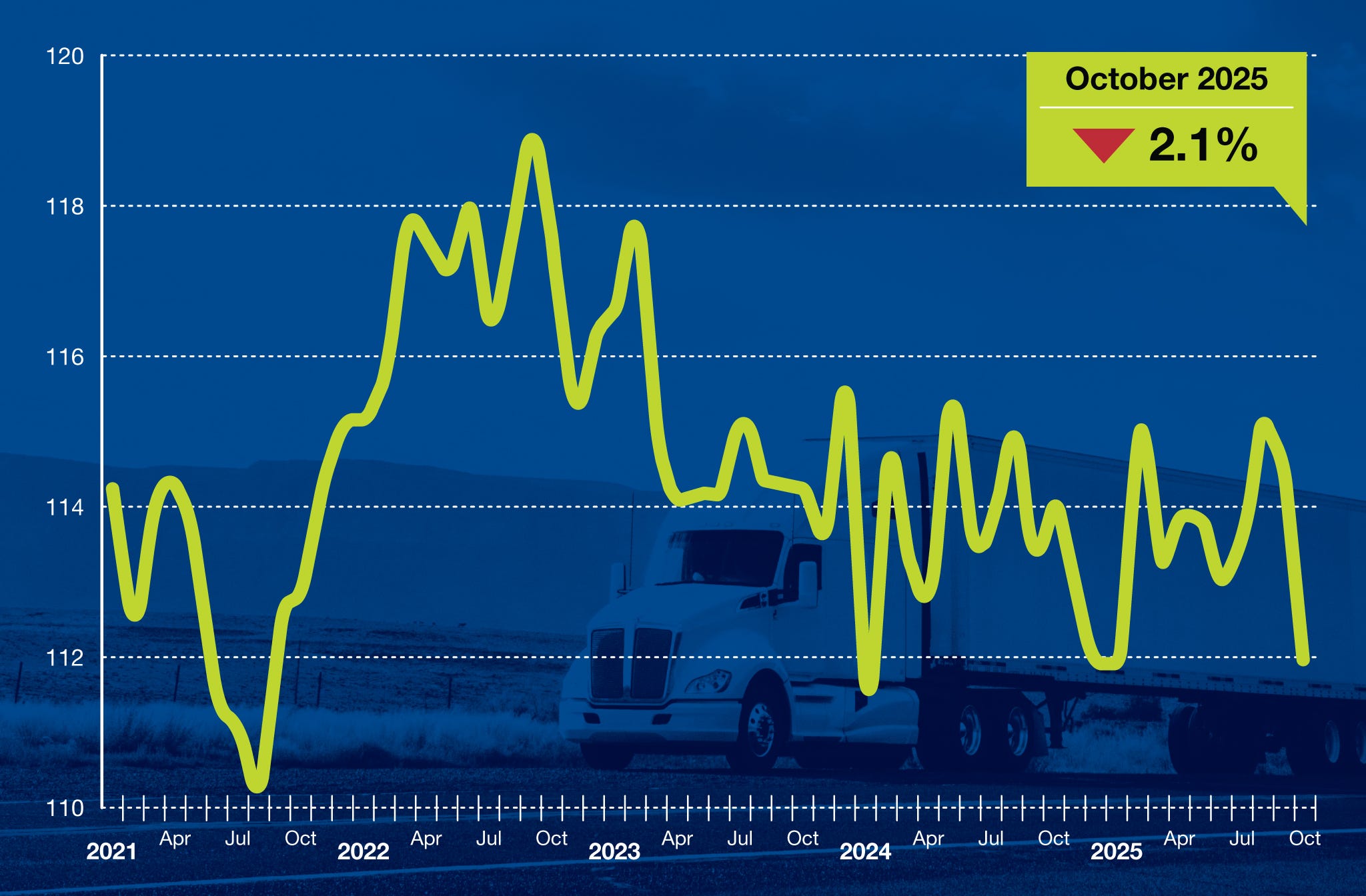
These freight metrics matter. Trucking moves the physical output of factories. When tonnage, shipments, and equipment orders all turn higher together, it is difficult to dismiss the manufacturing pickup as statistical noise.
And the Logistics Manager’s Index was extra hot this month, increasing to 65.7 in March 2026, the highest since May 2022, driven by continued expansion in freight demand.
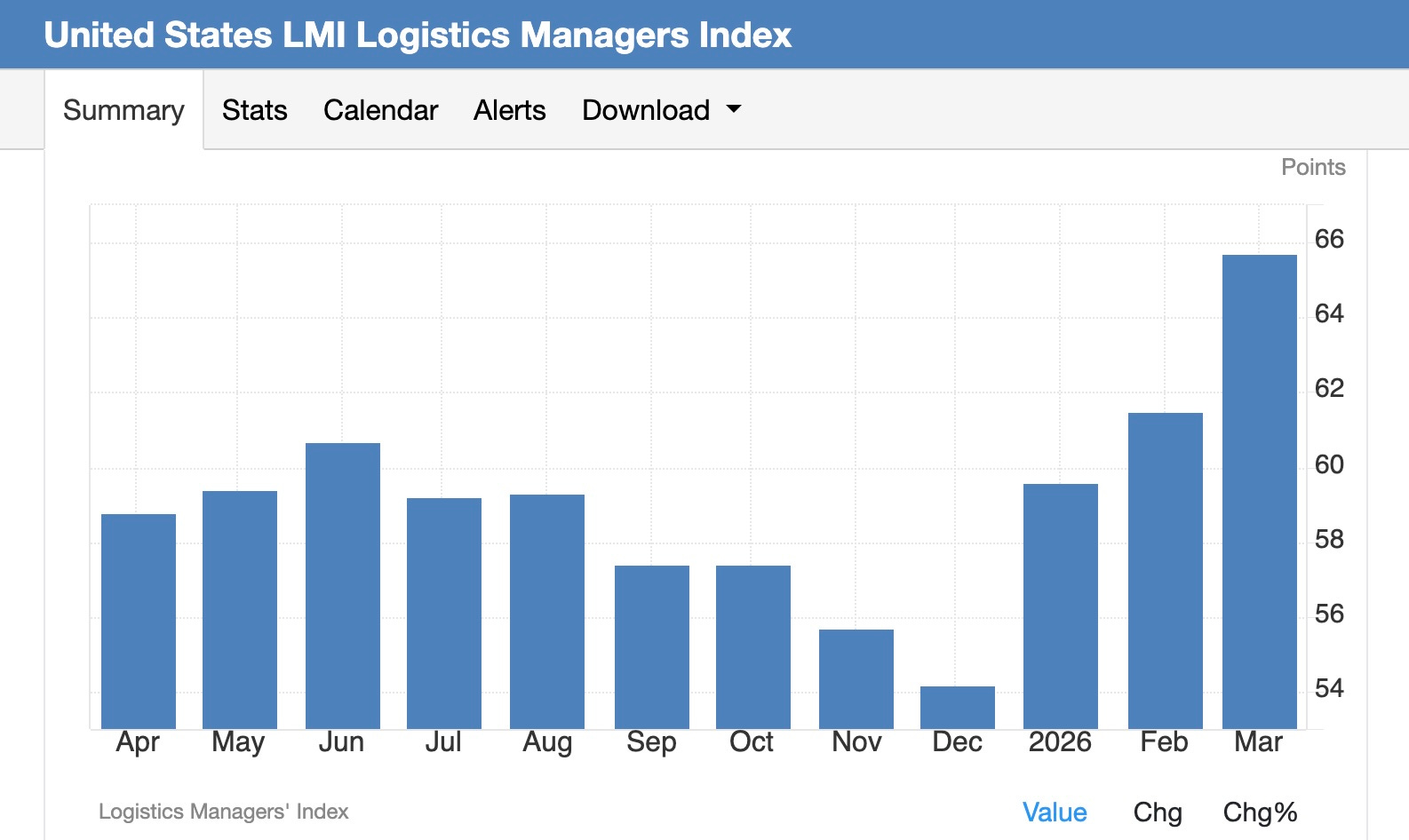
The LMI is the leading survey of logistics managers across the US.
Factory construction spending is reaccelerating, after a completely lost year (2025), as businesses were fearful to invest in CapEx during the tariff disputes. Construction spending now sits near record highs. Census Bureau data show a clear multi-year surge driven by reshoring and onshoring incentives. This pipeline of new facilities—semiconductors, autos, machinery, and heavy industry—points to sustained demand for industrial real estate for years ahead.
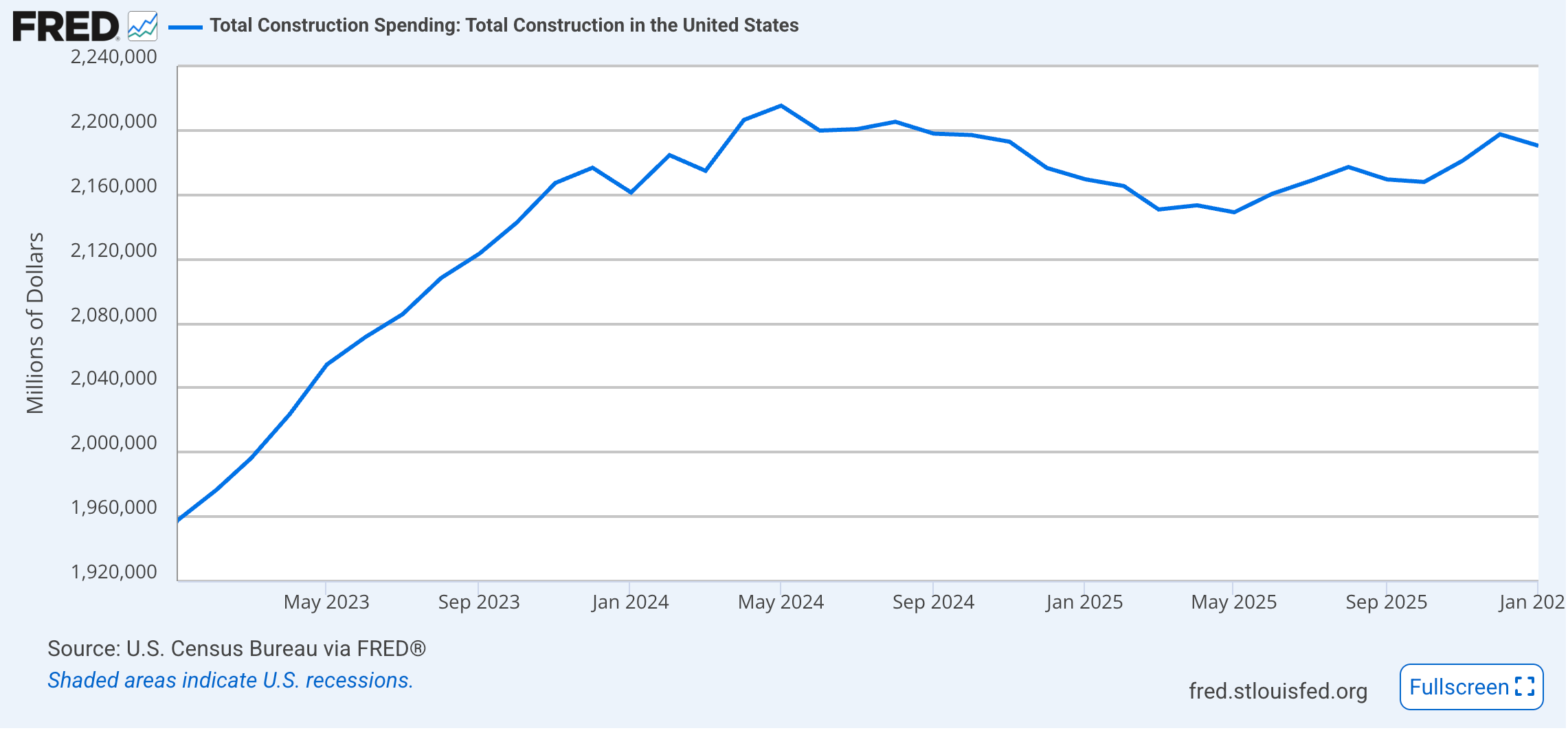
Add in the AI / data center / reshoring of critical technology production and we have quite the cocktail for economic growth.
Yes, we are still wading through the soggy repercussions of a conflict with Iran, with inflation fears abound in the news.
Yet history suggests this scare will prove more fleeting than fundamental. We have heard these narratives often enough to recognize them for what they are: useful headline fodder, not a reliable guide.
For us real estate investors, the implications of an accelerating production economy are obvious.
Growth=jobs up=wages up=more (and nicer) housing needed.
New and expanded factories require modern warehouses, distribution centers, and supporting logistics infrastructure—particularly in the Southeast, Midwest, and Texas. Texas is really killing it right now in manufacturing capacity. Heavy industrial demand is the leading edge of broader industrial-property absorption. The data now align for what could be the early stages of a genuine manufacturing expansion.
That said, caution is still required….
***…(Has your article ended here? Become a paid subscriber to finish reading the rest of this article.)…***
Comments
Nothing yet. Say the first thing.
Sign in to join the conversation.