
By Brett Kaufman
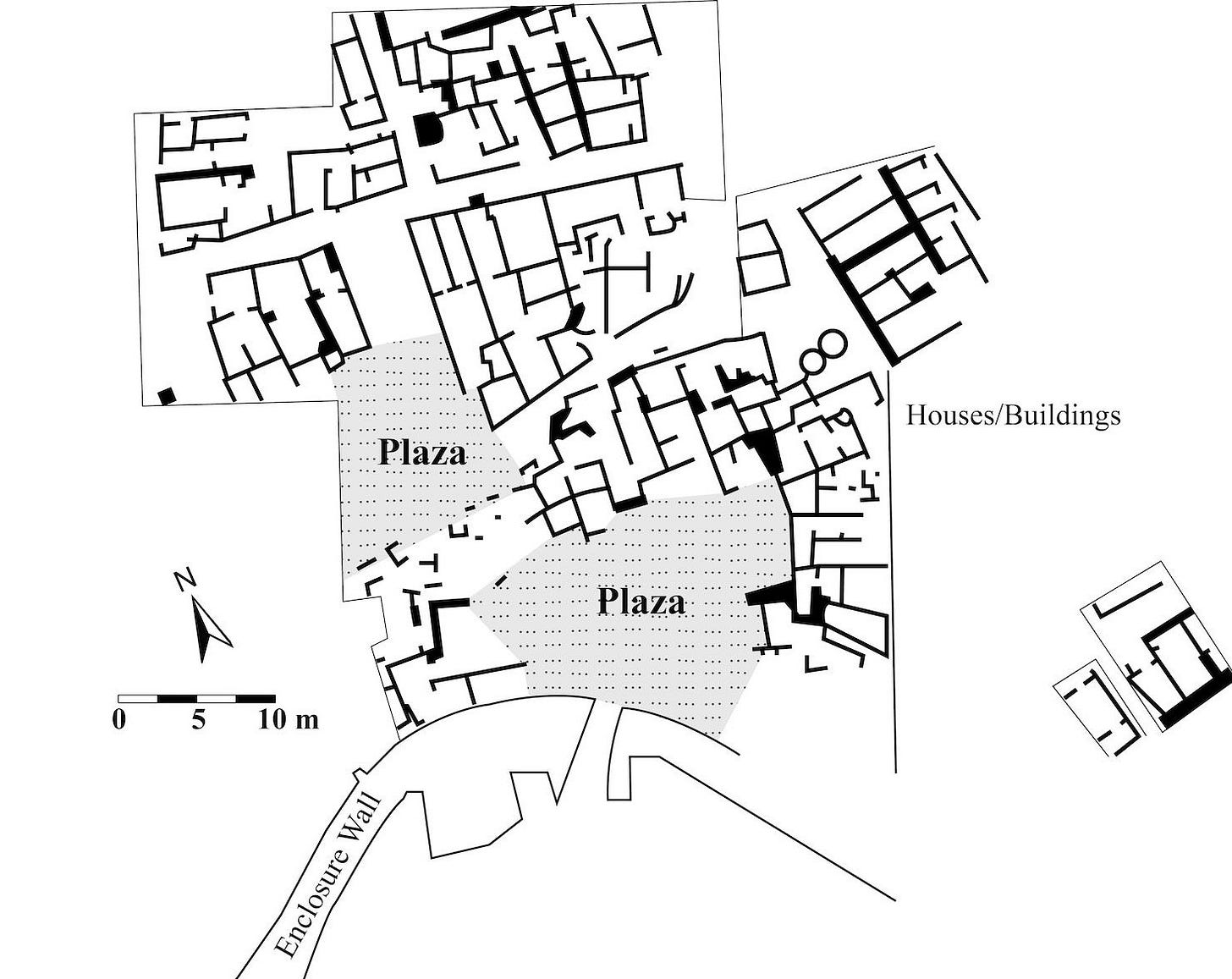
From Aristotle to John Adams, great minds of government have revered Carthaginian democracy as the purest expression of a people’s will. The People’s Assembly of Carthage revamped older Babylonian democratic institutions to let everyone in their society be heard. Through Graeco-Roman histories and Punic inscriptions we learn that the Carthaginian Assembly was comprised of men, women, slaves, and probably foreigners and even children, where the poorest citizen was allowed to propose policy or debate directly with the head of state.
Throughout the 19th century, however, popular attitudes toward Northwest Semitic contributions to Western civilization shifted dramatically with the rise of antisemitism. In direct contradiction to the testimony of ancient Greek writers themselves, Phoenician inputs to Classical Greece were rejected.
Neolithic builders near Jerusalem made advanced plaster 8,000 Years before the Romans (ZME Science)
Iraq restores ancient Ur site threatened by climate erosion (Reuters Video)
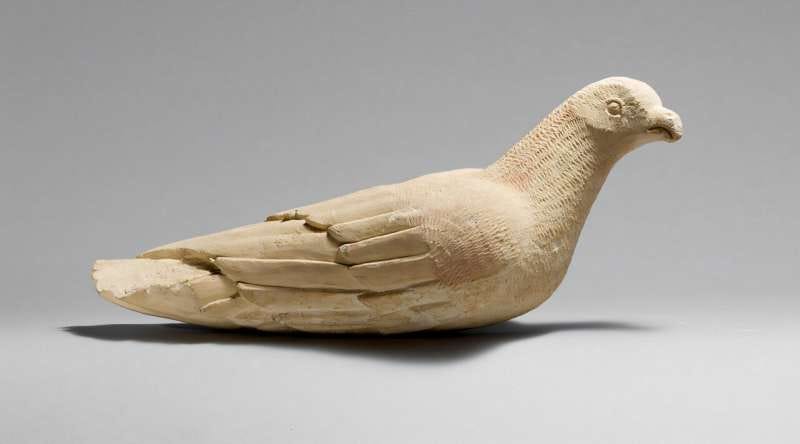
Friend or foul? Exploring the ancient bond between pigeons and people (phys.org/Antiquity Journal)
ASOR supports Libyan efforts to stabilize and restore heritage damage from Storm Daniel (ASOR News)
A Letter to Hollywood and Nolan’s Odyssey Cast from Us Greeks (GreekCityTimes)
The Etruscans: From the Heart of Ancient Italy (Legion of Honor, San Francisco, May 2 - September 20)
Pylos of Nestor: A Mycenaean Kingdom Revealed (National Archaeological Museum in Athens, 26 May - 31 October. Official museum site is only in Greek; English article on the exhibit is available here)
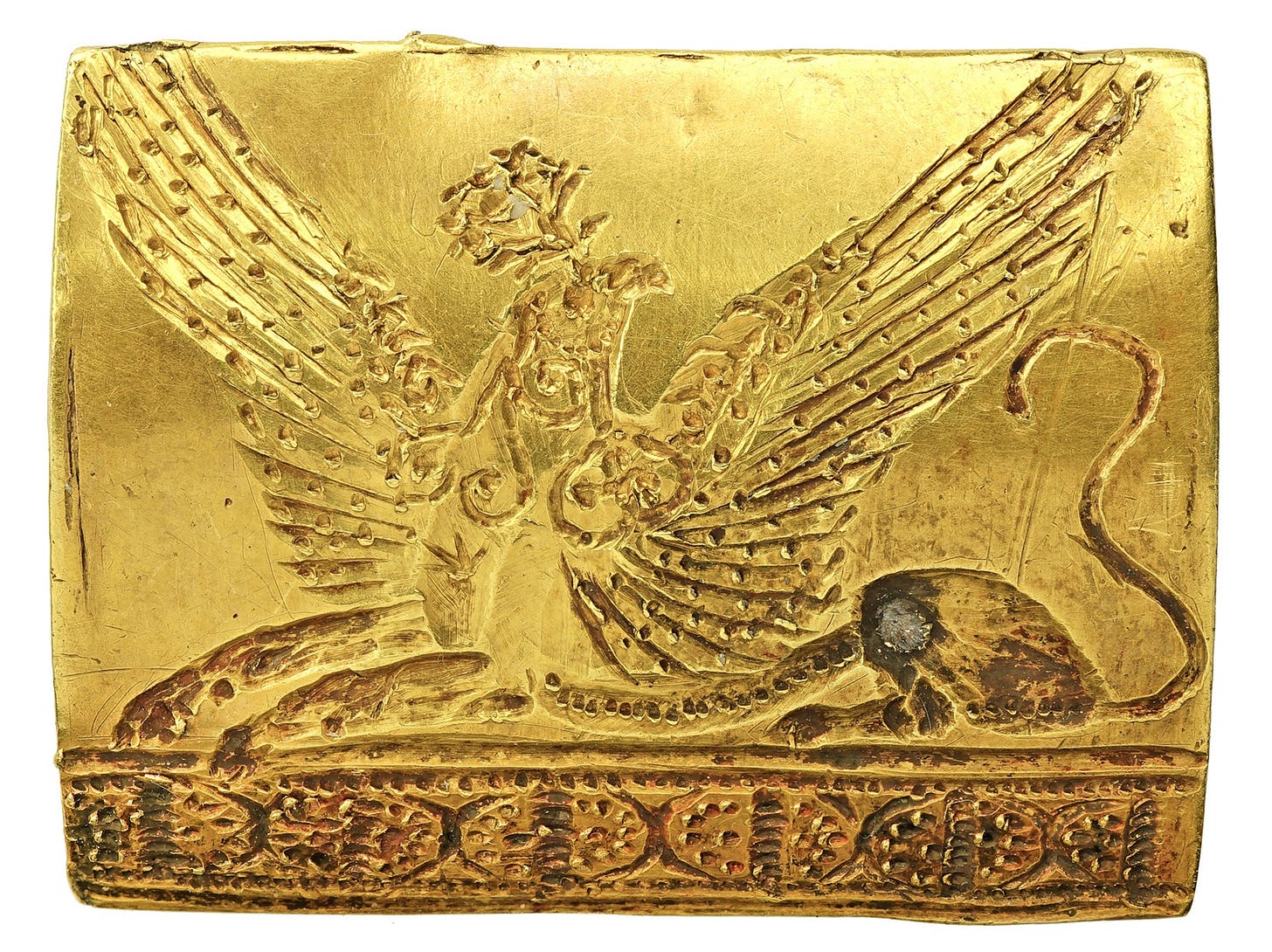
Who was Asherah? And was she God’s wife? (ReligionForBreakfast)
An Archaeologist Ranks Every Egyptian Pyramid (Dig it With Raven)
(what’s your favorite pyramid? Let us know in the comments!)
Sahara: Journey through the Hoggar Mountains, Southern Algeria (Amazing Places on Our Planet)
We CT scanned ancient Egyptian animal mummies - here’s what we found inside (British Museum)
The Mystery of the Golden Coffin - How did $65 million of allegedly stolen antiquities wind up in two of the world’s greatest museums? (The Atlantic)
The Camel in African History: Ancient ships of the Sahara. (African History Extra)
Five ways ancient Persia shaped our modern world (Big Think)
There are still spots open for the Friends of ASOR: Cyprus Across the Ages tour from June 14-23. Enjoy behind-the-scenes access to sites from prehistoric settlements to Classical cities to Byzantine and medieval monuments, guided by renowned archaeologists and specialists the whole way. Contact us for more info.
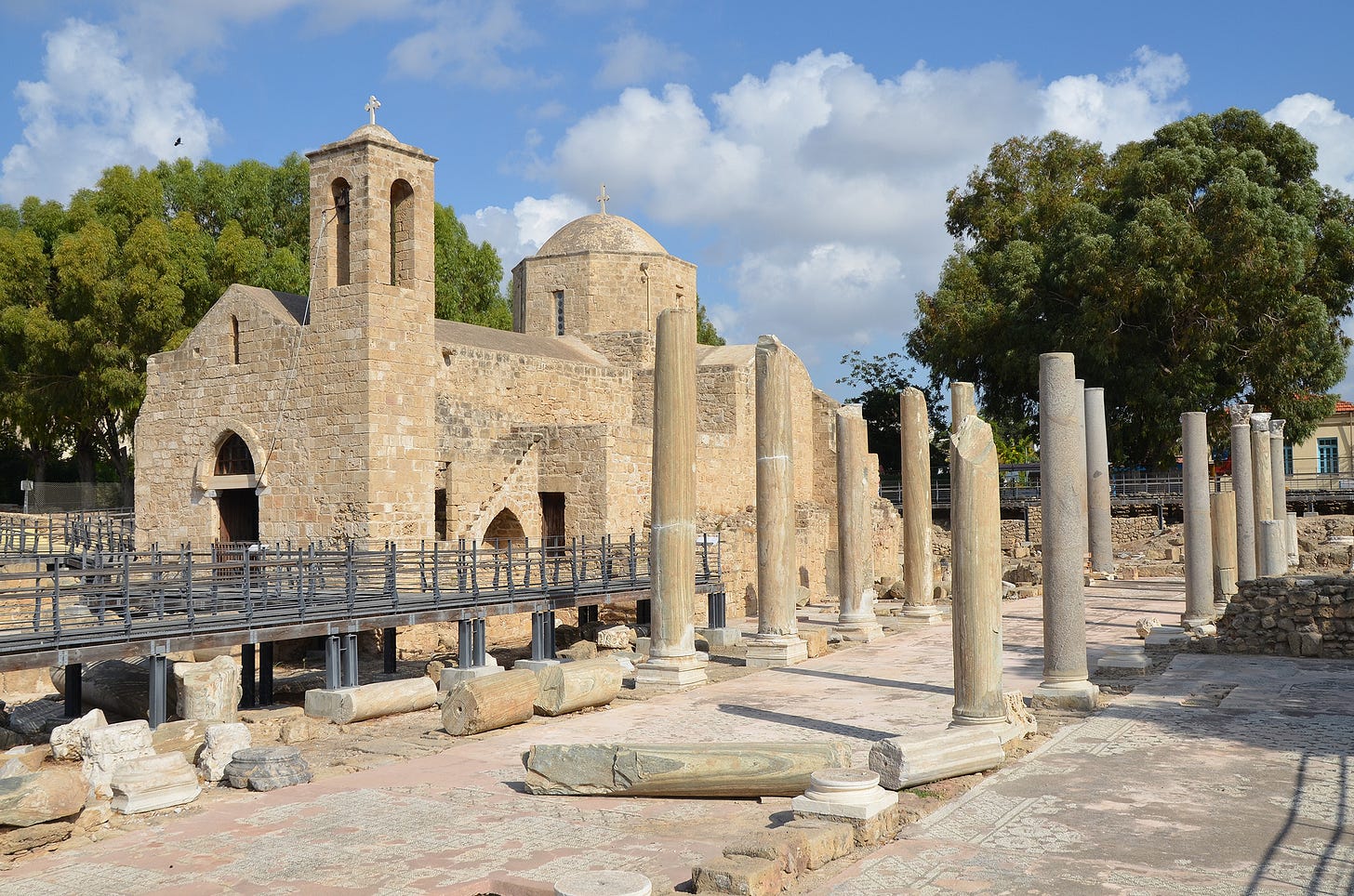
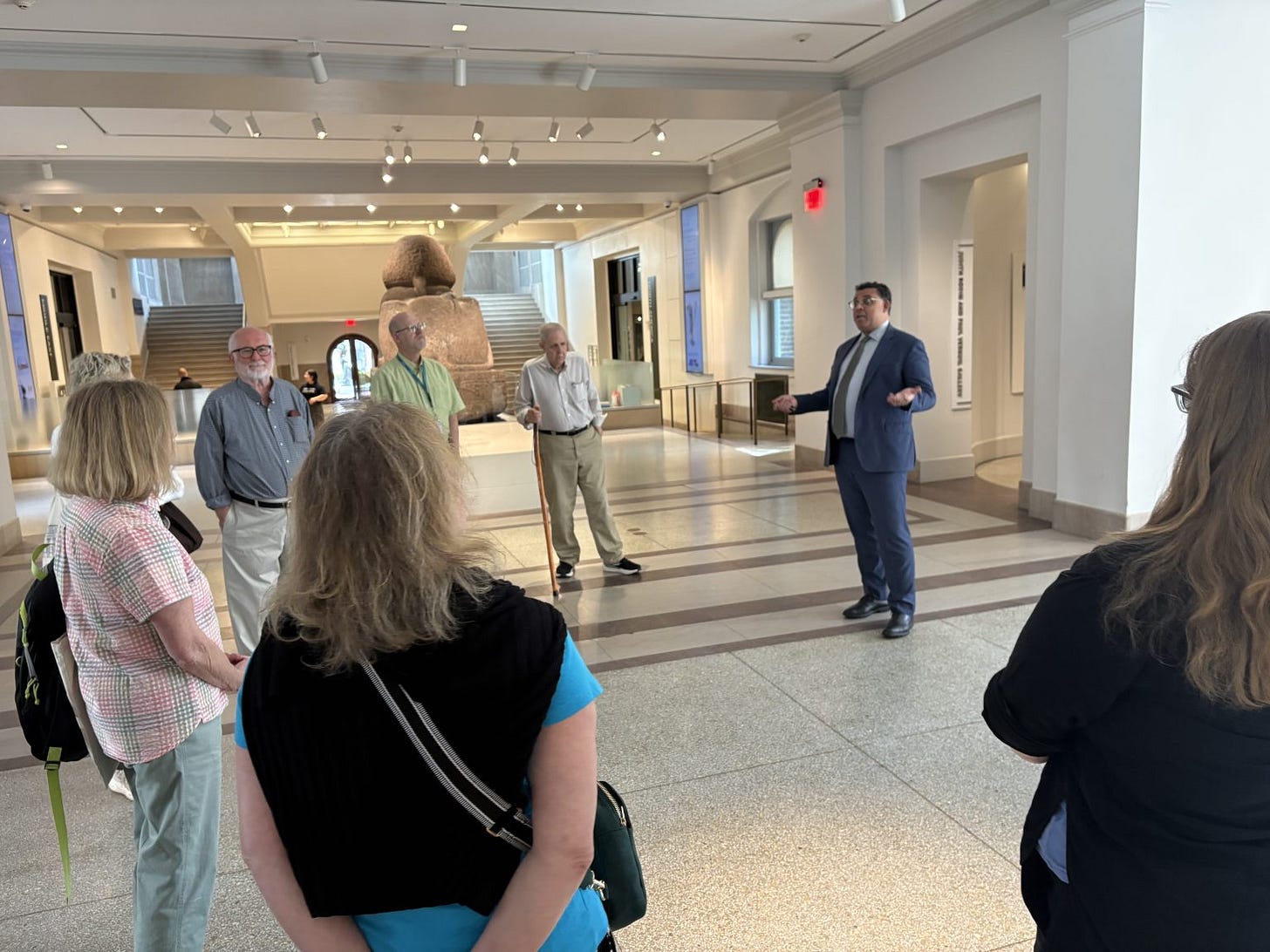
Speaking of tours, find out what you missed at the behind-the-scenes, Friends of ASOR Philadelphia Tour via this recap.
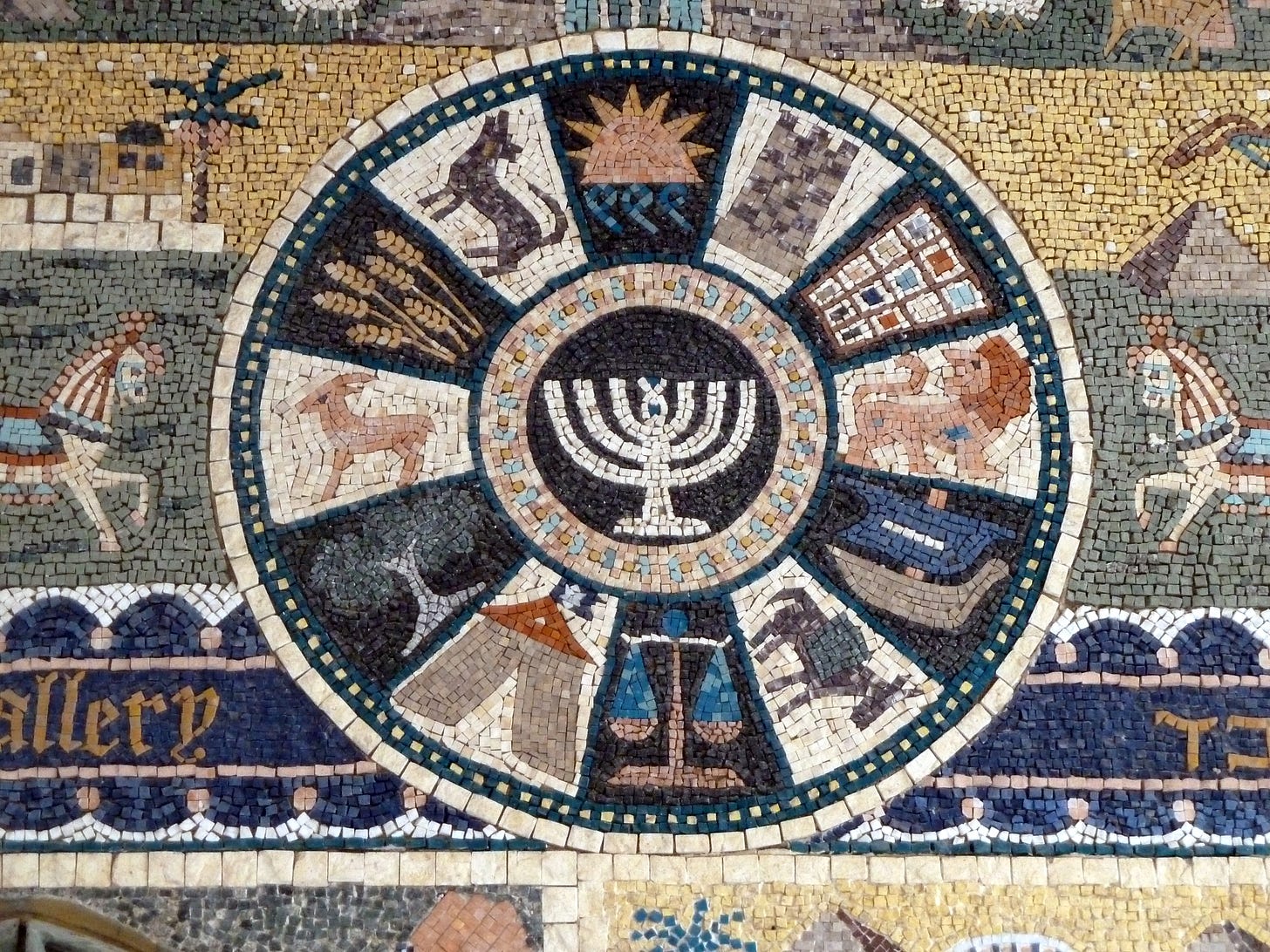
Are you in the greater Washington D.C. area? Join the Biblical Archaeology Society of Northern Virginia (BASONOVA) for a lecture by Andrew Tobolowsky on “The Twelve Tribes of Israel”. The twelve tribes of Israel are the indisputable centerpiece of the Hebrew Bible’s visions of Israelite identity, and the main protagonist of the biblical visions of history. But what do we really know about the actual history of Israel’s tribes? This talk offers a new look at the evidence, with some startling new conclusions.
This presentation will start at 7:30 pm on Sunday, May 31, in Rockville, Maryland. Learn more here.
By Andrew Tobolowsky
If you don’t live in the DC Area, you can still learn about Andrew Tobolowsky’s research on the Twelve Tribes of Israel by checking out his article on this topic in our archives.
Membership starts at $46 per year ($35 for students) and includes benefits such as a subscription to Near Eastern Archaeology. Your dues directly support ANE Today, as well as scholarships and other ASOR initiatives.
Published with the assistance of The Lanier Theological Library and Stevan Dana
No posts
Comments
Nothing yet. Say the first thing.
Sign in to join the conversation.