
I didn’t delete my accounts. I stopped living inside them - and the shift changed more than I expected.
This Thursday marks three months since I decided to ditch Meta. At the time, I wasn’t sure if I’d eventually return to Instagram or Facebook..
Waking up this morning, I roll out of bed, put a blanket over my shoulders and start the fire. Curt stays cozy under the layers of blankets. As the house warms, the cottonwood buds on the wood stove start to emit their beautifully distinct, sweet scent. The kettle whistles, and it’s time for my tea.
The morning is still dark, slow and quiet, aside from the three black cats who are excited for their breakfast. I start sipping my tea and reading a Substack article from one of my favs. It’s hard to believe that three months ago, I’d be opening a social media app and letting it all in.
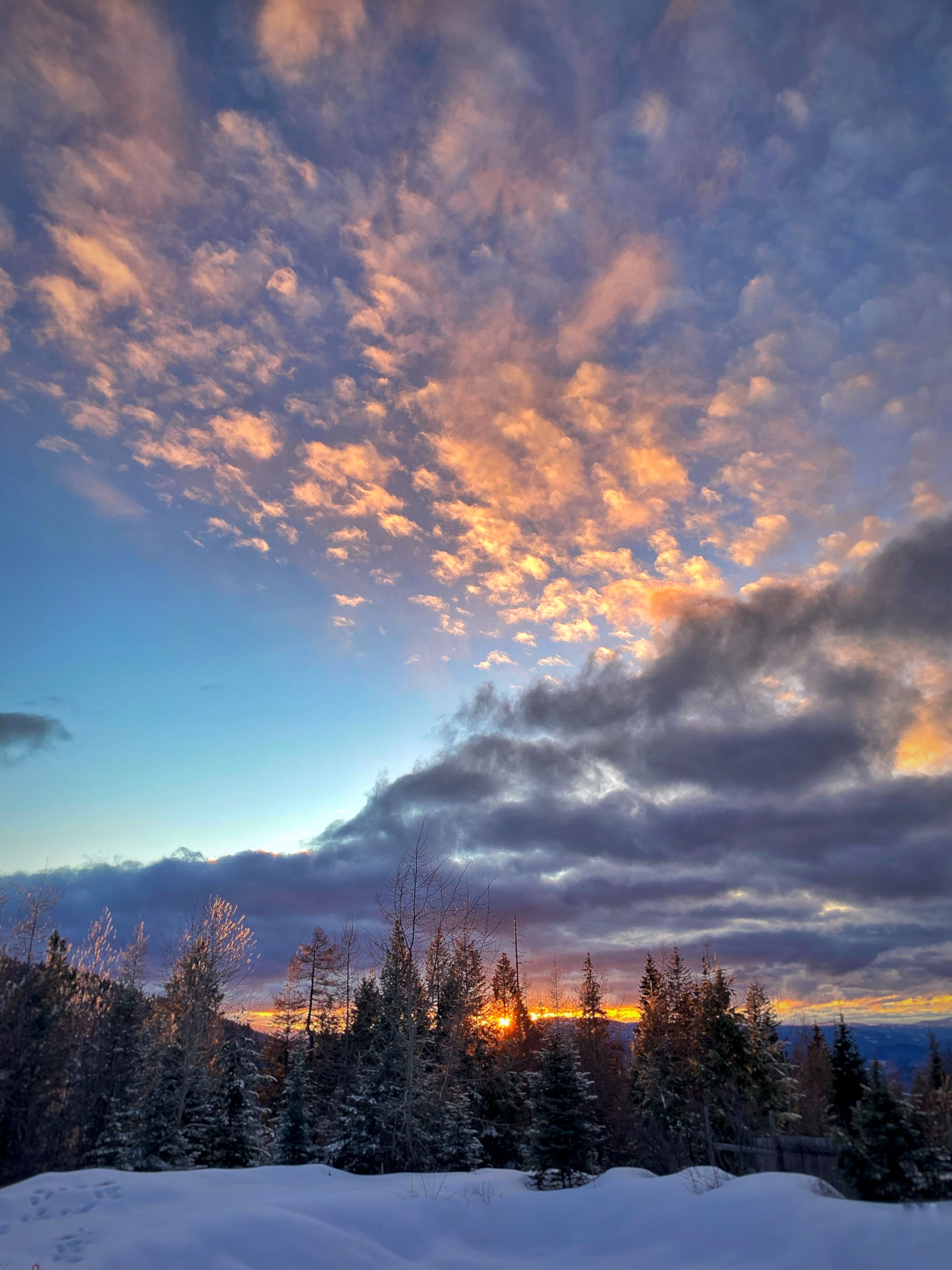
When I decided to do it, it was a Wednesday. Maybe writing a goodbye post and signing off on a Wednesday would seem like a knee-jerk reaction, but really, I was finally beyond caring what made sense online. It felt like an overdue break-up. My future with it simply didn’t matter anymore.
Nothing specific triggered it. I had simply had enough.
Junk. Ads. Endless settings. A feed that barely showed my friends. Somewhere along the years, the idea of being a place to socialize had become an attention-stealing place to advertise.
I decided not to delete my accounts. Though I’m generally an all-or-nothing sort of person, I knew there were reasons not to - I’ll get into those later.
Here’s my post about it at the time;
After last year’s January hiatus, I had a good idea what to expect. That time, I knew I was going back. I hadn’t totally lost the anticipation of instant dopamine, the dread of negativity, and the urge to create content. Though the break was good and well-timed for a mental reset on the mountain, it was short-lived.
Going back that February was like returning to work after vacation, feeling refreshed and invigorated, then realizing your coworkers aren’t sharing that blissful state. It’s still the same place I went on vacation from. After a short time, it was like I’d never left.
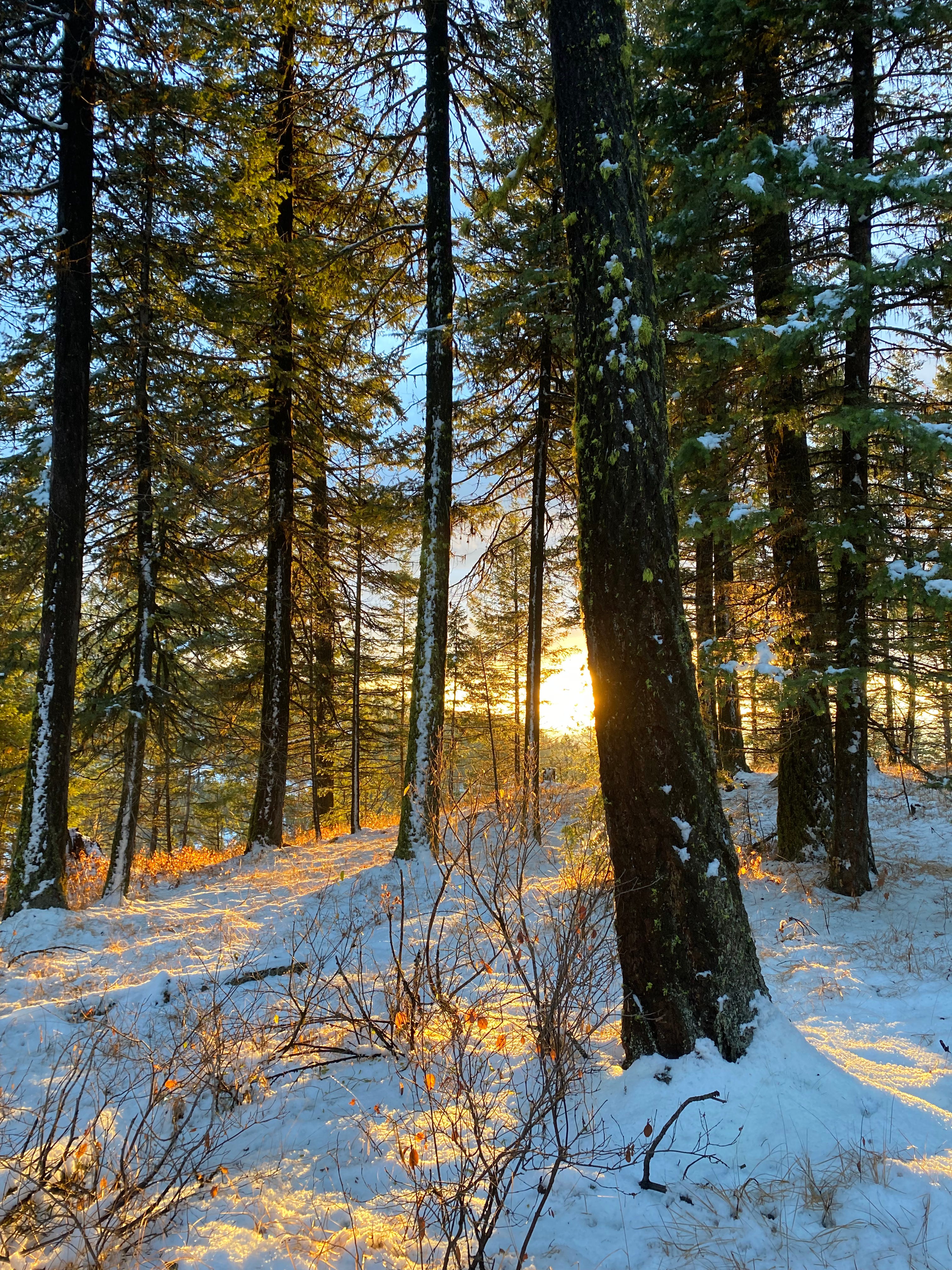
The way people communicate has changed; we don’t really tell each other things - we tell our social media. When I ask about goings on, some people pause, realizing that though they shared it - I didn’t see it. I’m out of the know, and that’s okay.
I remember noticing this change when Facebook got popular (I’m truly glad I’m that old). There was this awkward transition when people couldn’t be sure whether their posts had been seen or not. Now we assume we’ve seen each other’s online sharing. If I want to know how someone’s doing or what they’ve been doing, I need to ask.
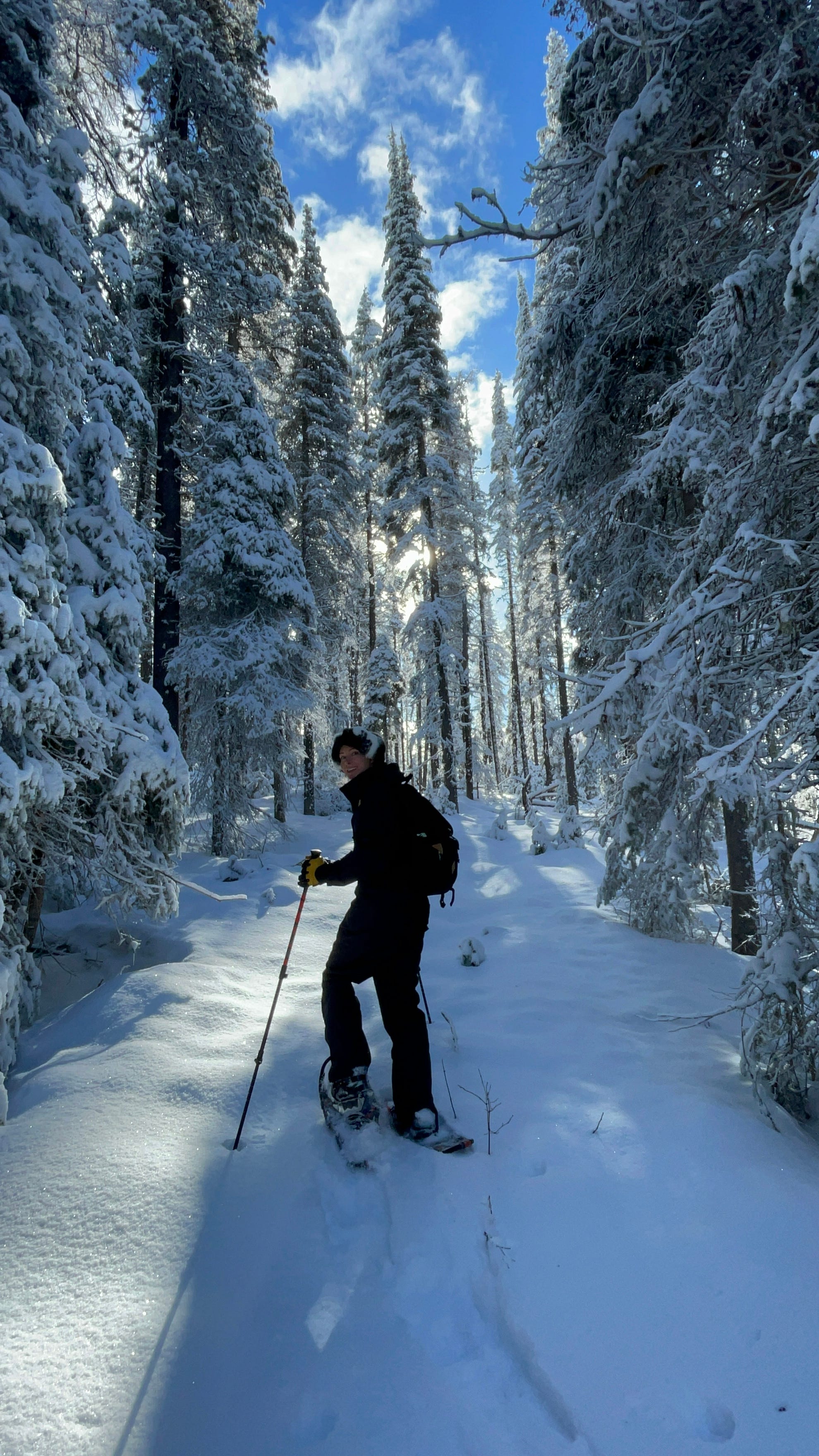
Again, it took a whole month for 15-second song snippets to stop playing in my head. My mind started to relax. Troll comments began to grow out of my thickened skin like festering slivers. Gross visual (sorry) but totally on par.
The second month brought a moment like in Pleasantville when the world turned from greyscale to colour. Life is more real, more intense, and I find myself more immersed and present. ‘Stop and smell the roses’ moments come more naturally in a way that’s hard to describe. It’s as though my senses are heightened and my pace has slowed.
Now, 3 months in, the speed of life is different. Faster in places, slower in others. It’s like I’ve taken a tiny step back toward the 90’s. Not a whole step, since my computer isn’t plugged into the wall (wifi is pretty cool), but an intentional step.
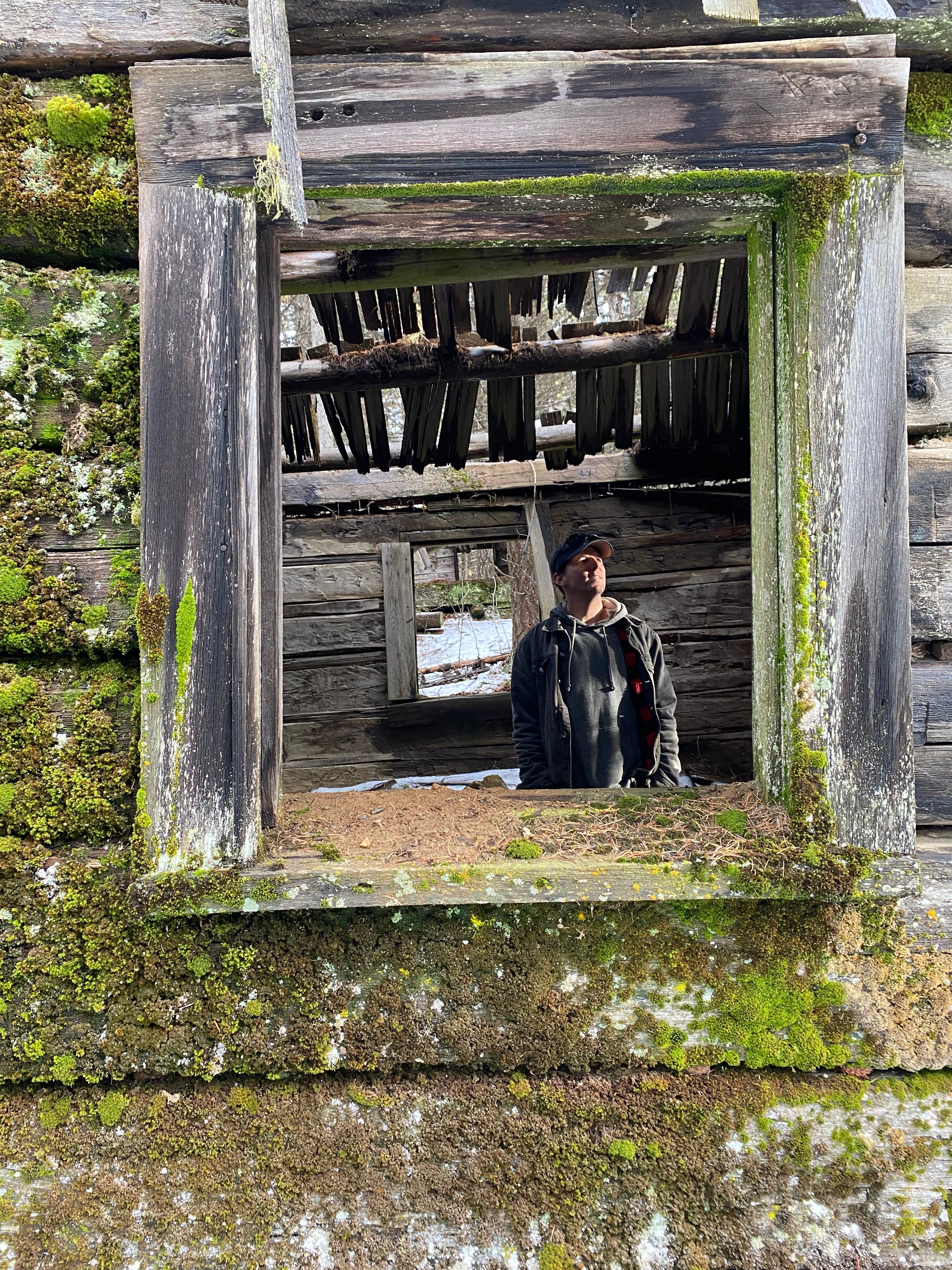
FOMO (Fear Of Missing Out) has turned into JOMO (Joy Of Missing Out)
JOMO is an actual acronym people use for prioritizing their peace over keeping up with social media.
I’ve had to open Facebook a couple of times to contact friends whose phone numbers I missed getting. Kind of like collecting your things from an ex’s place - I had to grab and get out of there. I still managed to see things I don’t care to see:
People bickering.
An AI-generated moose reel.
Ads for things I’d never searched.
A page I never followed.
The first few things I saw on the homepage make certain I don’t even want to scroll. Though lots is vying for my attention, nothing is actually of interest. One friend’s post among a mess of junk. It’s too bad that social media has strayed so far from its original inteded use.
The algorithmic pigeonhole I had been put into is shockingly apparent now. When looking at the main feed of my account, it’s showing things for a past version of Amy, not what I’m interested in now. It makes me wonder if using these platforms has been stifling my creativity and growth. The algorithm had preserved a version of me I’d already outgrown.
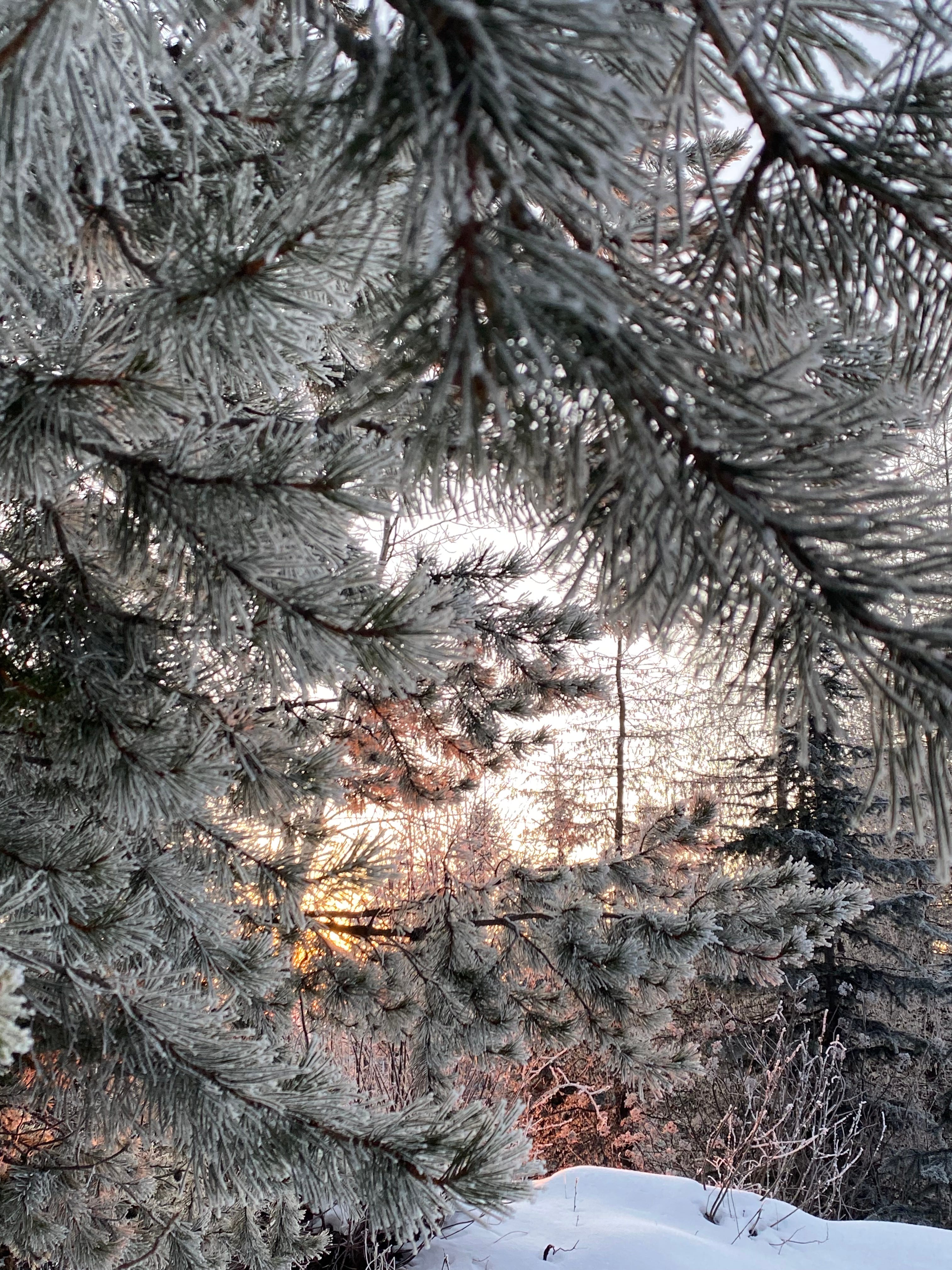
Leaving didn’t mean erasing. It meant redefining the relationship. Not having them close at hand helped me realize my boundaries and what they’re still useful for.
My parents live 4,000km away, and Facebook is their preferred method for communication. For whatever reason, FB calls work better than cell phones.
For buying and selling, and even trading, marketplace is everyone’s go-to. Pretending it doesn’t matter would be naïve.
The cincher. Local events and emergencies. When I was evacuated for a month during the Fort McMurray fire, I didn’t have Facebook. That was difficult; in the instance of something like a wildfire, keeping connected and in the know via Facebook is a must.
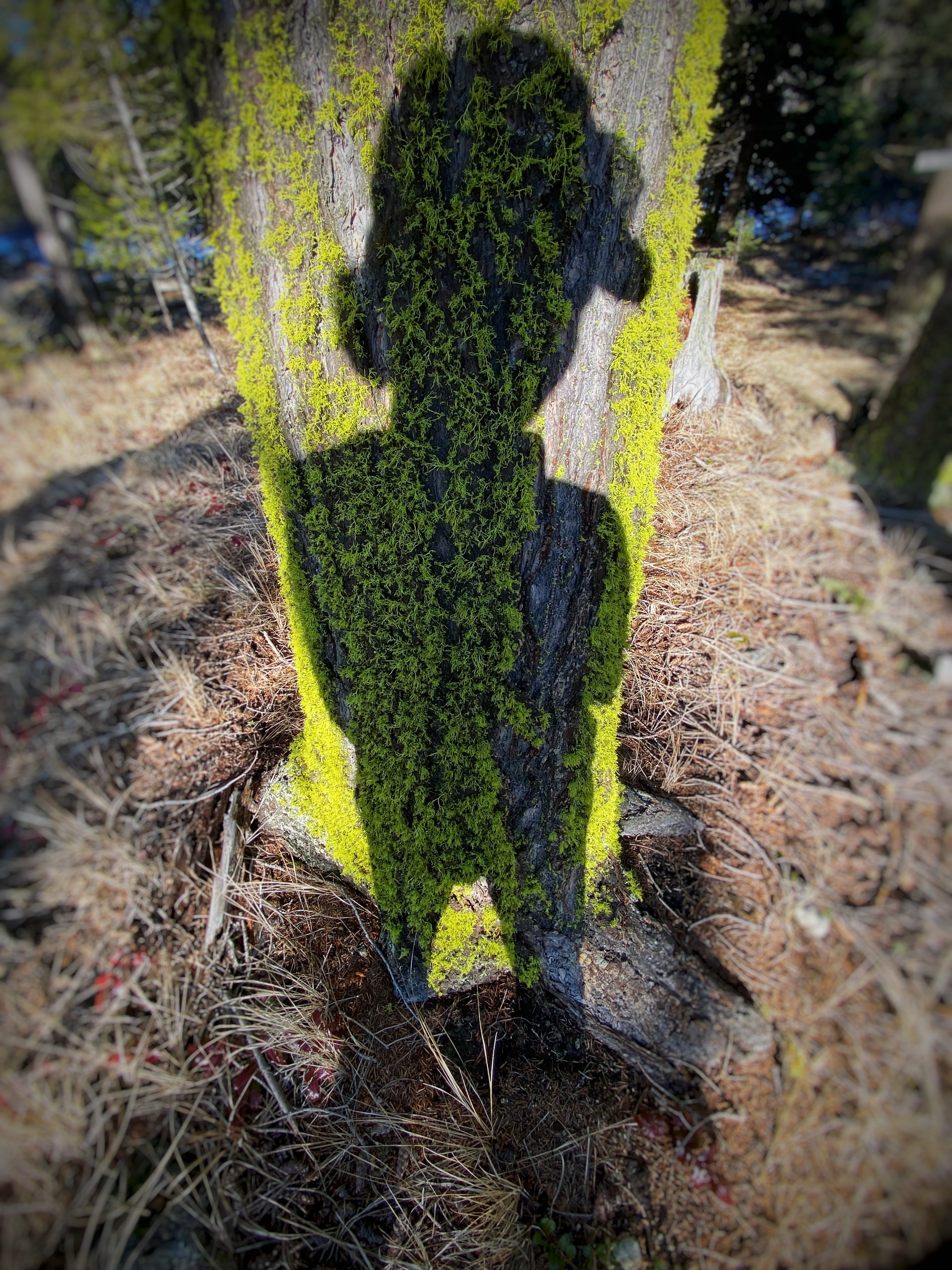
In the past, I’ve enjoyed scrolling reels, reconnecting with friends, and all of that. If you want to keep your social media, I get it. It can be fun, though terribly addictive (and intentionally addictive). That said, I’ll offer suggestions if you want to see change and to have more control. A few minor tweaks to change your own behaviour can change your life (I don’t like making big statements like that, but I definitely back it)
Sign onto your computer and delete the apps from your phone. Get it out of your pocket and make using social media more intentional and less compulsive. Prioritize actual socializing over digital socializing.
If app designers are toying with your brainspace, why shouldn’t you?
Altering your personal self-talk can change how you see things. Change your wording to create distance. Your Facebook or Instagram, Twitter, or Snapchat accounts are, well.. accounts. Refer to them as such, for example;
It’s not “my Instagram.” It’s “my Instagram account.”
A tool. A representation, but it is owned by you - not your obligation. Not an extension of your nervous system.
I’ve moved cities a few times in my life: first to an industry town, then to be with family, then to chase this wild mountain dream. Like those moves, ditching Meta has felt like leaving a city and a job that no longer served me. I can still visit when I want to, but I feel like I’ve outgrown it. It stifled me, trapping me in a dead-end pigeonhole.
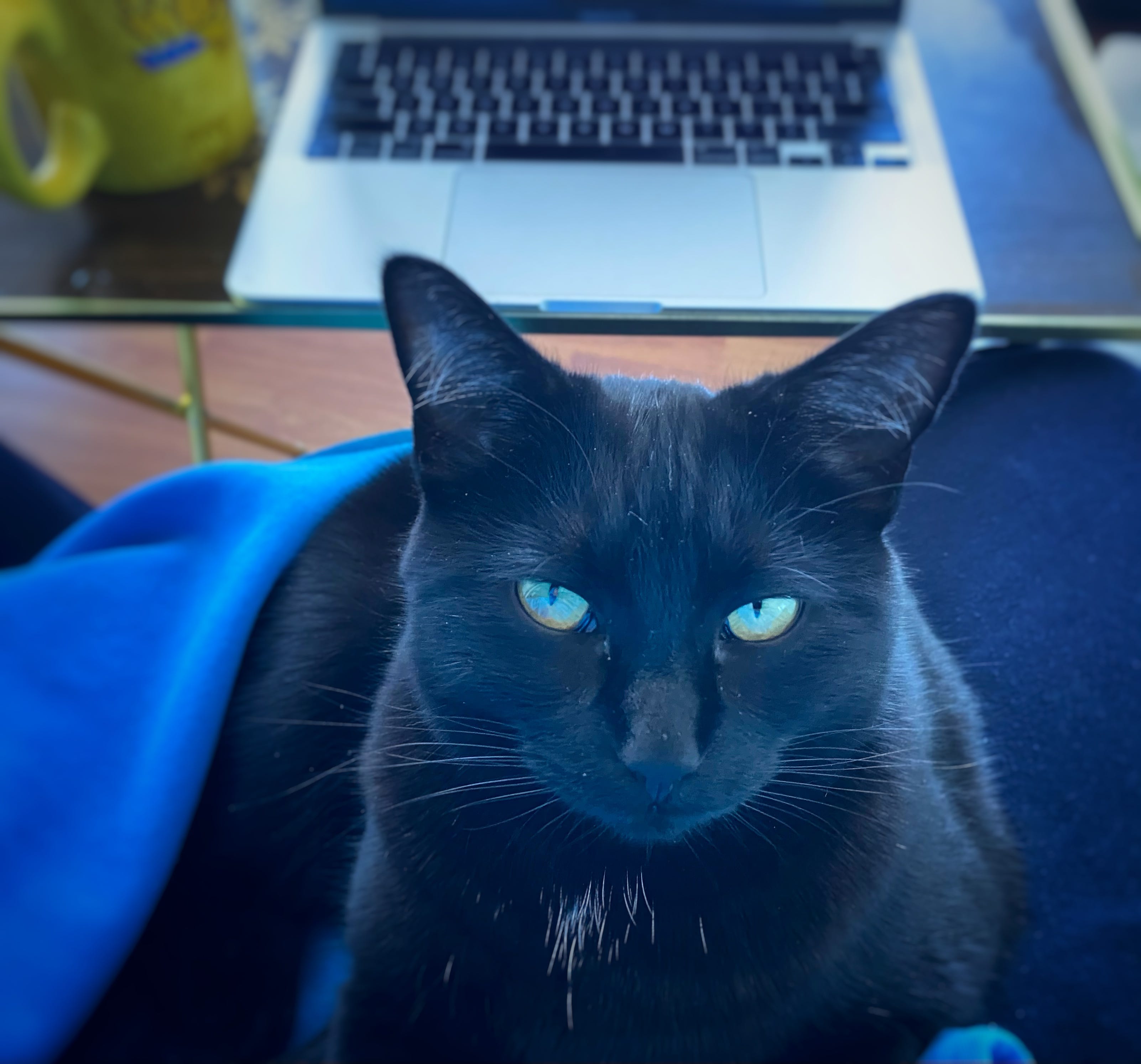
Sitting in the chair I made, the sun has begun to rise. I begin finishing touches on this article. Sugar the cat jumps up onto my lap and settles in, purring up a storm and taking me away from writing to pet her extra soft fur. My presence in my own space feels different, more intentional and at ease. I watch the snow fall outside and wonder what the day might bring.
Comments
Nothing yet. Say the first thing.
Sign in to join the conversation.