
After watching Ask E. Jean (and listening to director Ivy Meeropol speak with Jamie Raskin before the documentary and doing a Q&A after it with Aaron Parnas), I knew I had to watch Heir to an Execution and Bully. Coward. Victim. The Story of Roy Cohn, both of which she also directed. Meeropol’s grandparents were the Julius and Ethel Rosenberg and her film about Cohn convinced E. Jean Carroll to work with Meeropol on the documentary about Carroll’s successful courtroom battles against Donald Trump.
Not only was Ask E. Jean an excellent documentary, but the Rosenberg trial and executions were such an important part of the Cold War that I knew I had to watch Meeropol’s Heir to an Execution. Once I watched Heir, I had to see the Cohn documentary immediately afterward. The two documentaries were interconnected because 23-year-old Cohn was the brutal federal prosecutor in the 1951–1953 espionage trials that helped secure the controversial conspiracy and death sentences that sent her grandparents, the Rosenbergs, to the electric chair.
Heir to an Execution
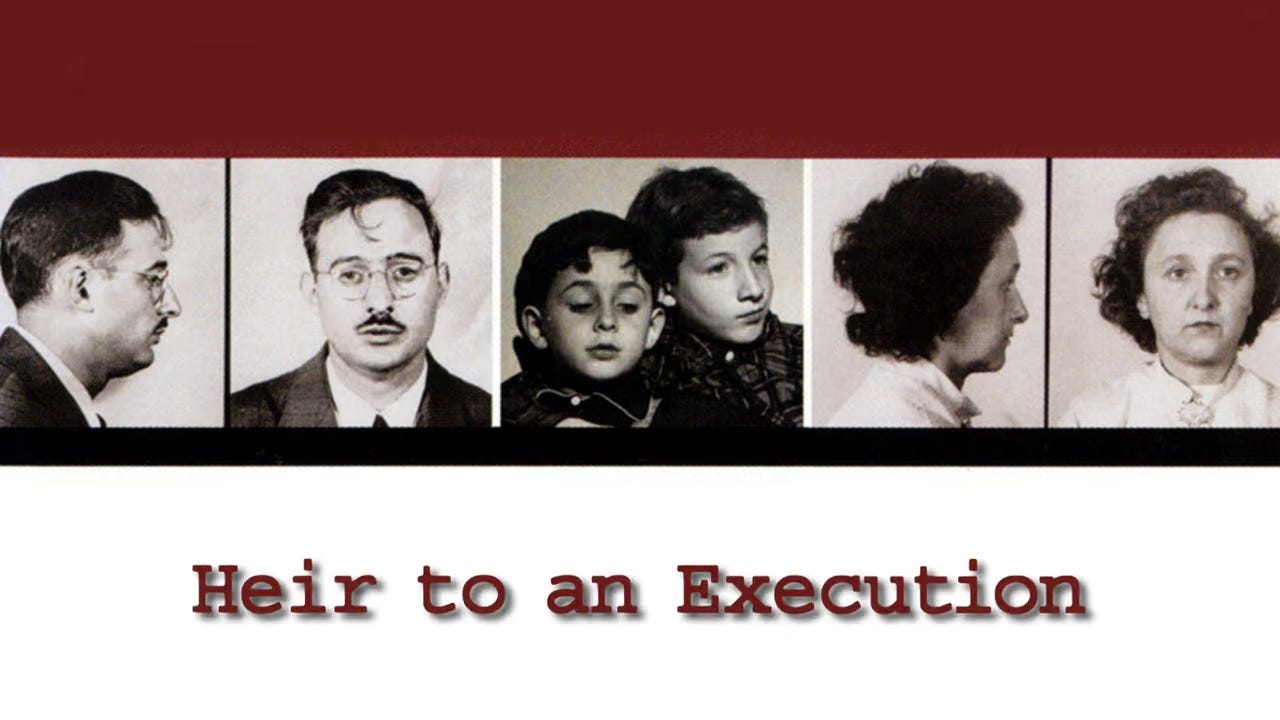
Heir to an Execution explores her family’s conflicted views of the Rosenbergs’ trial and subsequent execution. On June 19th, 1953, the US government executed the Rosenbergs for “conspiracy to commit espionage” leaving behind two sons and an extended family of siblings, one of whom, David Greenglass, had testified against his sister and brother-in-law. Greenglass’ testimony was the evidence the government had to convict them. Now, 50 years later, the Rosenbergs’ granddaughter, Meeropol, embarks on a quest to understand who her grandparents were and the choices they made. Along the way, she discovers startling new information about the case and what happened to her family. After their parents were executed, Meeropol’s father, Michael, and his younger brother, Robert, were adopted by New York songwriter Abel Meeropol and his wife Anne.
The Rosenbergs’ Comrades
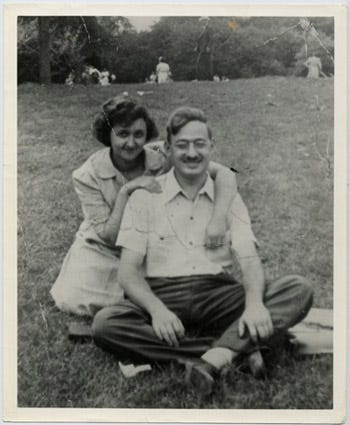
To understand her grandparents as people rather than symbols, Meeropol seeks out the comrades of their youth. Luckily for us, many of them are still with us, (including the remarkable Harry Steingart, 103 years old when Meeropol interviews him). Like Steingart, most of the Rosenbergs’ friends were trade unionists and/or members of the American Communist Party and every one of them, Miriam Moskowitz, Abe Osheroff, Morty Sobell, was Jewish.
These elderly activists, looking back now at events that occurred two generations ago, may or may not be remembering all the details with pinpoint accuracy. After all, many of the stories they tell have probably been told dozens of times and, therefore, have an almost mythical quality.
In conjunction with the film clips and still photos Meeropol has found to illustrate these narratives, her interviews remind us of a time when thousands of young Jewish-Americans proudly dedicated their lives to the cause of universal social justice. Coming of age during the Great Depression of the 1930s, they were determined to end the poverty and oppression that surrounded them. They organized, marched, and fought for better working conditions and social services.
We’ll likely never be 100 percent certain of the facts of the case, but it appears likely that Julius Rosenberg provided our wartime allies in the Soviet Union with non-atomic military intelligence during World War II, and that Ethel knew about this even though she was not personally involved in his activities. What they were charged with, in 1950, was “conspiracy to commit espionage,” with the apparent goal of forcing them to name other people. In the court of public opinion, however, they were damned for “stealing the secret of the atom bomb,” thereby endangering the survival of the United States during the Cold War.
The Rosenbergs’ Family Members
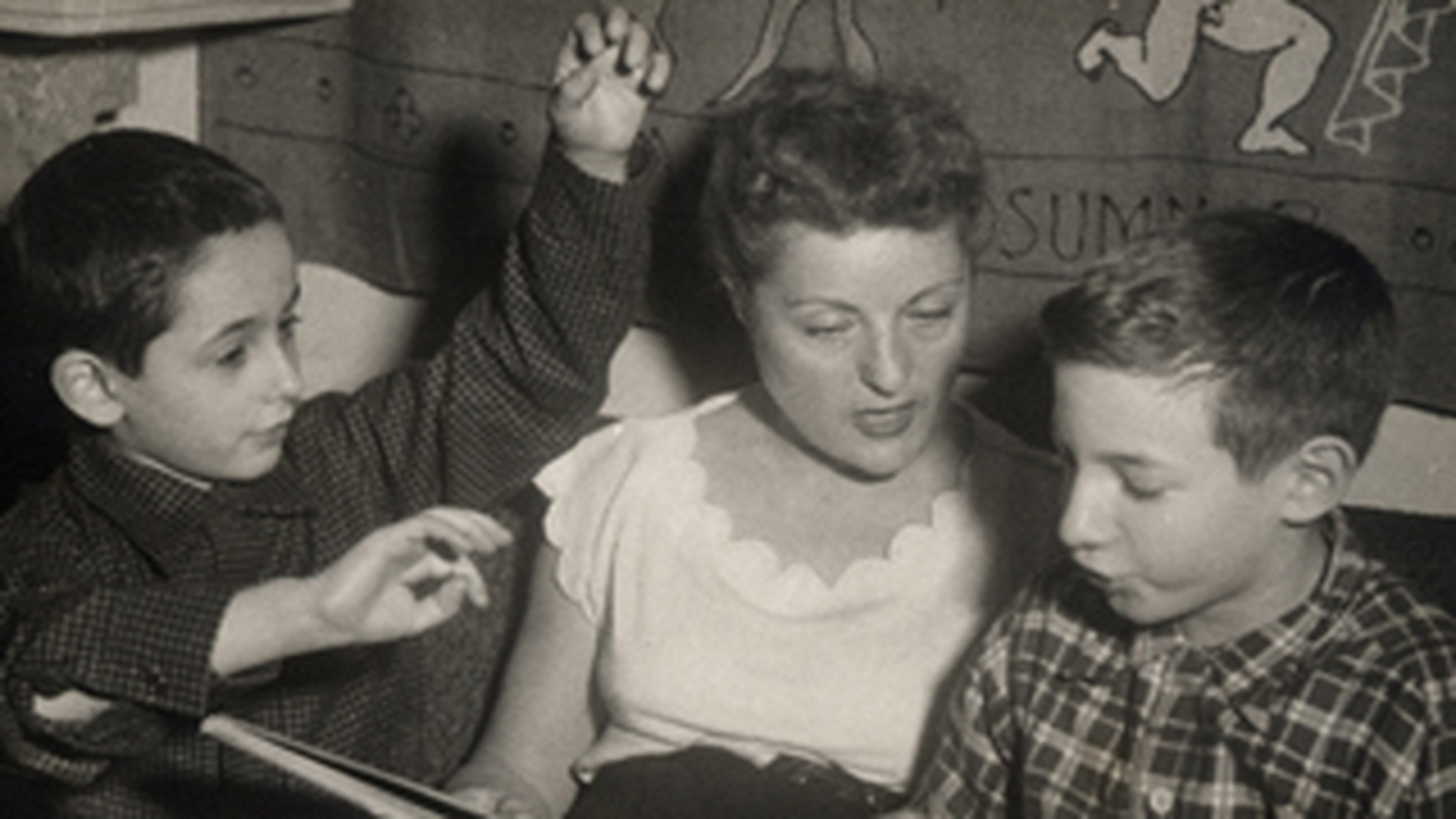
While the Rosenbergs’ friends are outgoing, their family members are almost invisible, even in film clips. History books tell us that Ethel Greenglass had three brothers and Julius Rosenberg was one of five children, but neither family wants anything to do with the boys. Meeropol does her best to track her cousins down and solicit their participation, with no success. She shows herself on the phone working from two hand-drawn family trees, but she never shows us any of the names or tells us exactly who she is talking to at any one time.
Finally, a cousin her age agrees to see her. She identifies him as “Baron Roberts,” son of Julius’s brother, David. Meeropol flies to an unnamed city to meet with him in his comfortable suburban home. When she tells him that none of the other cousins will speak with her, even off camera, he cries and she comforts him. Although the events happened long before any of them were born, Ivy and Baron share a moment of sorrow for all the relatives who still live with their conflicted feelings.
Bully. Coward. Victim. The Story of Roy Cohn.
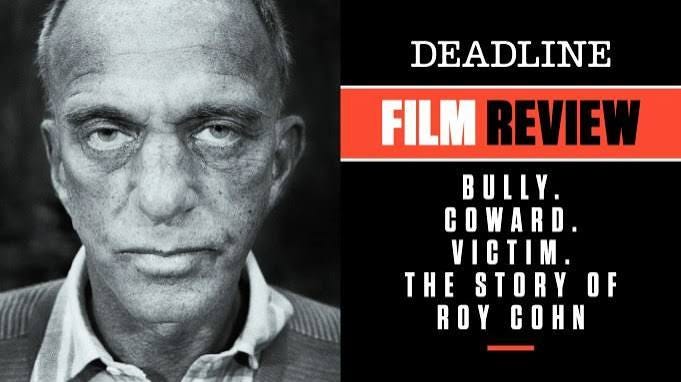
In 2019, Meeropol revisited the story of her grandparents to look into the man who prosecuted them, Roy Cohn. She directed and produced Bully. Coward. Victim. The Story of Roy Cohn.
Meeropol never met Roy Cohn, but he played an important role in her life. Cohn became famous as a tenacious—and often unscrupulous—23-year-old federal prosecutor of the Rosenbergs. He cemented his reputation the following year as chief counsel to Joseph McCarthy during the U.S. senator’s infamous hearings to identify and investigate suspected communists.
Comments
Nothing yet. Say the first thing.
Sign in to join the conversation.